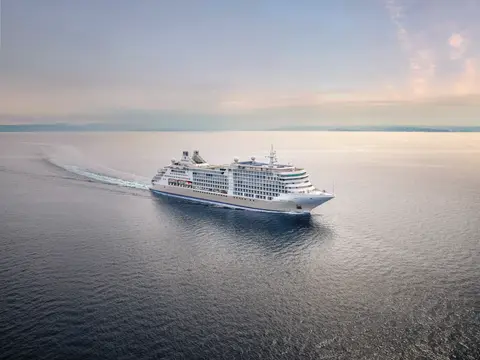
SilverseaMO260813007
Vancouver nach Seward
Date
2026-08-13
Duration
7 nights
Departure Port
Vancouver
Kanada
Arrival Port
Seward
Vereinigte Staaten
Rating
Ultra Luxury
Theme
—
Date
2026-08-13
Duration
7 nights
Departure Port
Vancouver
Kanada
Arrival Port
Seward
Vereinigte Staaten
Rating
Ultra Luxury
Theme
—

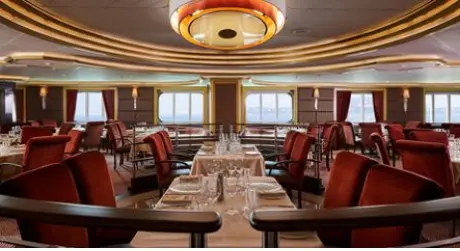




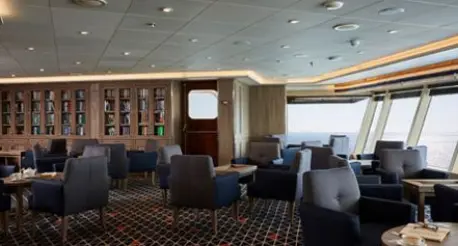
Silversea
2020
—
40,700 GT
691
288
408
699 m
26 m
20 knots
No
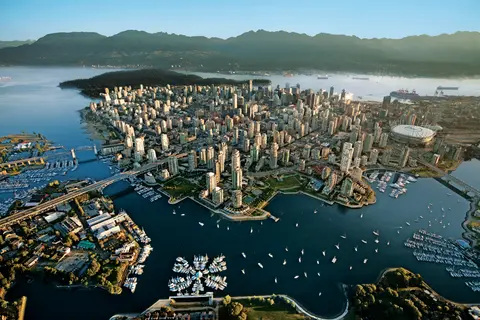
Eingeklemmt zwischen dem Pazifik und den Coast Mountains ist Vancouver das natürliche Tor zur Inside Passage Alaskas — eine Stadt, in der gemäßigter Regenwald auf gläserne Türme trifft und wo Dungeness-Krabben und wilde Sockeye-Lachse eine Küche des Pazifischen Raums definieren, die mit jeder in Nordamerika konkurrieren kann. Spazieren Sie entlang der 22 Kilometer langen Uferpromenade von Stanley Park, verlieren Sie sich im Granville Island Markt und setzen Sie dann mit der Fähre über zur edwardianischen Pracht von Victoria. Die Kreuzfahrtsaison nach Alaska erreicht von Mai bis September ihren Höhepunkt, was Vancouver zu einem idealen Ausgangspunkt für eine der großartigsten Seereisen der Welt macht.
Navigate through the intricate outlays of some of Alaska’s most staggering winter scenery, threading a needle between craggy, snow-dusted islands, and slipping glacial giants. To cruise this 500-mile stretch of Alaskan beauty is to sail through a living work of natural art - with perfectly sculpted mountains soaring from the shoreline, and clutches of islands scattered across the dark waters with delicate attention to detail. A common sailing route due to its calm sheltered waters, gorgeous natural set pieces constantly play out here - whether it’s killer whales accompanying you through the breathtaking icy passages, harbour seals catching a break on floating hunks of ice, or wisps of cloud clinging to distant mountain peaks. Witness Mother Nature at her most dramatic and elaborate along this Alaskan coastline, where glaciers groan and creak melodramatically, before finally releasing colossal shelves of ice, allowing them to free fall into the waters below, and explode with angry booms and thunderous splashes. While fundamental displays of nature’s power always awe and amaze, it’s the tranquil beauty of this passage - amid still waters, splitting only to reveal the smooth backs of breaching humpback whales – that is relentlessly moving. A journey of glaciers, remote hidden villages, and carved fjords - the Inside Passage is a breathtaking voyage through the intricate mesh of Alaska’s fractured, raw and spectacular coastal landscapes.
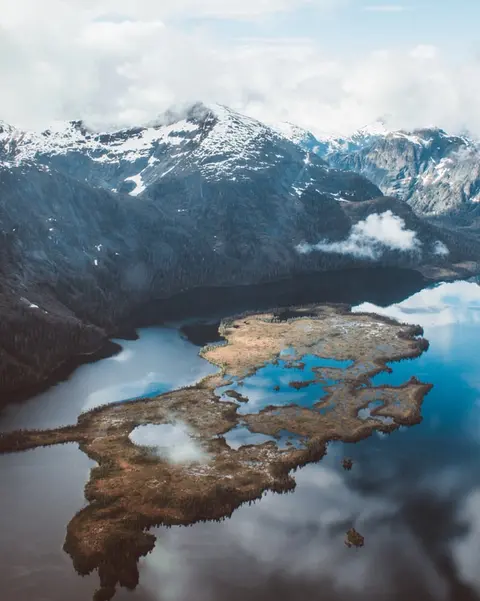
Ketchikan klammert sich an die bewaldete Küste der Revillagigedo-Insel im südöstlichen Zipfel Alaskas – eine Stadt, die so schmal ist, dass die Einheimischen scherzen, sie sei drei Meilen lang und drei Blocks breit. Von den Tlingit-Völkern seit Jahrtausenden als Ort des reichlichen Lachses verehrt, wird sie heute als die Totem-Pfahl-Hauptstadt der Welt gefeiert: Die Sammlungen im Saxman Native Village und im Totem Bight State Historical Park bewahren die bedeutendste Konzentration dieser monumentalen Kunstwerke weltweit. Creek Street, ein Holzsteg mit bunten historischen Häusern, die über den Ketchikan Creek gebaut sind, sollte nicht verpasst werden. Der Sommer (Mai–September) bringt das beste Wetter, mit Lachse, die in den Bächen darunter schwimmen.
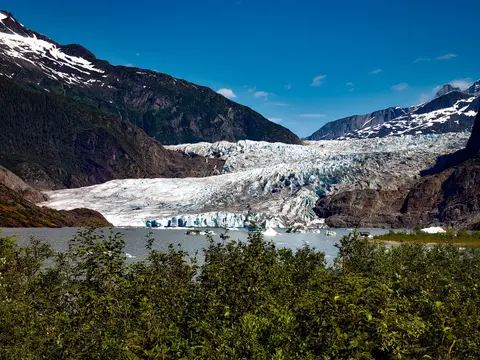
Juneau, die einzige Landeshauptstadt Amerikas, die nicht mit dem Auto erreichbar ist, belohnt die Reise mit einer Wildnisgröße, die wenige Städte auf der Erde erreichen können. Der Mendenhall-Gletscher — ein lebendiger Fluss aus uraltem Eis — liegt nur fünfzehn Minuten von der Innenstadt entfernt, wo Wasserflugzeuge über eine Uferpromenade fliegen, die von mit Fichten bewachsenen Bergen flankiert wird, die direkt ins Meer stürzen. Das Must-do-Erlebnis ist eine Hubschrauberlandung auf dem Eisfeld oder eine Walbeobachtungstour im Stephens Passage, wo Buckelwale in erstaunlicher Nähe auftauchen. Juneau ist von Juni bis August am wärmsten, obwohl selbst Sommertage den berühmten Regen des Südost-Alaska bringen können, der den Regenwald ständig zum Leuchten bringt.
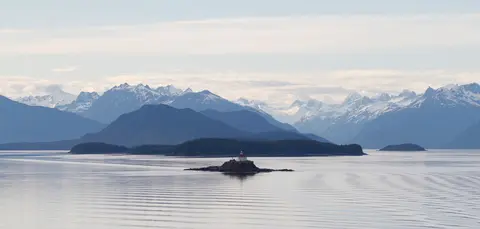
Skagway, am nördlichen Ende des Lynn Canal in Alaska gelegen, ist die Goldrauschstadt, die die Zeit fast perfekt bewahrt hat – eine Grenzstraße mit falschen Fronten von Salons und viktorianischen Geschäften, die jetzt als National Historic Park geschützt ist. Die legendäre White Pass & Yukon Route-Bahn, die 1900 fertiggestellt wurde, um die Klondike-Goldfelder zu versorgen, erklimmt immer noch den schwindelerregenden Pass in Vintage-Wagen und bietet einige der dramatischsten Berglandschaften Nordamerikas. Gletscherwanderungen und Hubschraubertouren über das Juneau Icefield erwarten die Abenteuerlustigen. Von Mai bis September bringt lange arktische Tage und den zuverlässigsten Zugang.
Sitka began as a major Tlingit Indian village and was called “Shee Atika,” which translates roughly as “settlement on the outside of Shee.” “Shee” is the Tlingit name of Baranof Island. In 1799, Alexander Baranof, the general manager of the Russian American Company, decided to move his base of operations from Kodiak and set up camp at what is now called Old Sitka, 7.5 miles north of the present-day town. He called the settlement St. Archangel Michael. The Tlingit Indians of the area resisted the occupation and, in 1802, with Baranof away, burned the fort and massacred the Russian settlers. Two years later, Baranof returned and besieged the Indian fort. The Tlingits withdrew and the area was once again in Russian hands. This time, the Russians built the new city on a different site and called it New Archangel. For over six decades, New Archangel was the capital of the Russian empire in Alaska. By 1867, the Alaska colony had become too much of a financial burden to Russia. William Seward, U.S. Secretary of State, negotiated with the Russian Czar to purchase the Territory of Alaska for $7.2 million. The American press scoffed at Seward and the U.S. government for purchasing what they called “Seward's Folly,” “Seward's Icebox,” and “Walrussia.” On October 18, 1867, the Russian flag was lowered at New Archangel and the Stars and Stripes were raised over newly renamed Sitka. The name comes from the Tlingit word “Sheetkah,” which means “in this place.” All Russian citizens living in the former colony were given the opportunity to become American citizens. Many went home, although a few stayed or migrated to California. Sitka remained the capital of the Territory of Alaska from 1867 to 1906, when it was moved to Juneau. The move was a direct result of the gold rush. In plain terms, Sitka did not have any and Juneau did. After the Japanese attack on Pearl Harbor, Sitka became a full-scale naval base. At one time during the war, Sitka had a total population of 37,000. With the end of World War II, however, the city settled into a quieter existence. The biggest boom in modern days for Sitka came in 1959 when the Alaska Lumber and Pulp Company built a pulp mill at Silver Bay, near the city. Today, picturesque Sitka is known for its fishing and of course its many historic attractions.
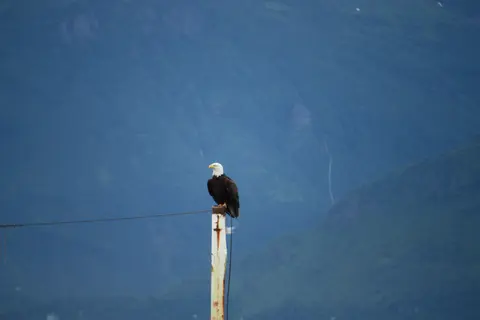
Valdez liegt am Kopf eines Fjords im Prince William Sound, umgeben von den Chugach-Bergen und Gletscherzungen, die es zu einem der landschaftlich dramatischsten Häfen Alaskas machen. Zu den Must-Dos gehören das Cruisen zum Columbia-Gletscher, das Wandern zum Worthington-Gletscher und das Probieren von frisch gefangenem Heilbutt in Restaurants am Hafen. Die Saison reicht von Mai bis September, wobei Juli und August die Lachswanderungen und das wärmste Wetter bringen.
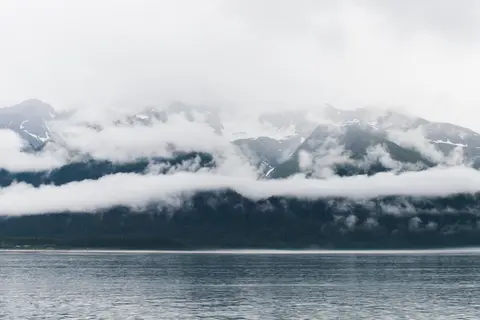
Seward, Alaska, ist ein fesselnder Hafen, der für seine atemberaubenden Landschaften und seine reiche Geschichte als Versorgungsstadt während des Goldrausches bekannt ist. Zu den Must-do-Erlebnissen gehören der Besuch des Kenai Fjords Nationalparks und das Probieren lokaler Delikatessen wie Heilbutt-Tacos und akutaq. Die beste Zeit für einen Besuch ist während der Sommermonate, wenn die natürliche Schönheit ihren Höhepunkt erreicht und zahlreiche Outdoor-Aktivitäten möglich sind.
Day 1
Eingeklemmt zwischen dem Pazifik und den Coast Mountains ist Vancouver das natürliche Tor zur Inside Passage Alaskas — eine Stadt, in der gemäßigter Regenwald auf gläserne Türme trifft und wo Dungeness-Krabben und wilde Sockeye-Lachse eine Küche des Pazifischen Raums definieren, die mit jeder in Nordamerika konkurrieren kann. Spazieren Sie entlang der 22 Kilometer langen Uferpromenade von Stanley Park, verlieren Sie sich im Granville Island Markt und setzen Sie dann mit der Fähre über zur edwardianischen Pracht von Victoria. Die Kreuzfahrtsaison nach Alaska erreicht von Mai bis September ihren Höhepunkt, was Vancouver zu einem idealen Ausgangspunkt für eine der großartigsten Seereisen der Welt macht.
Day 2
Navigate through the intricate outlays of some of Alaska’s most staggering winter scenery, threading a needle between craggy, snow-dusted islands, and slipping glacial giants. To cruise this 500-mile stretch of Alaskan beauty is to sail through a living work of natural art - with perfectly sculpted mountains soaring from the shoreline, and clutches of islands scattered across the dark waters with delicate attention to detail. A common sailing route due to its calm sheltered waters, gorgeous natural set pieces constantly play out here - whether it’s killer whales accompanying you through the breathtaking icy passages, harbour seals catching a break on floating hunks of ice, or wisps of cloud clinging to distant mountain peaks. Witness Mother Nature at her most dramatic and elaborate along this Alaskan coastline, where glaciers groan and creak melodramatically, before finally releasing colossal shelves of ice, allowing them to free fall into the waters below, and explode with angry booms and thunderous splashes. While fundamental displays of nature’s power always awe and amaze, it’s the tranquil beauty of this passage - amid still waters, splitting only to reveal the smooth backs of breaching humpback whales – that is relentlessly moving. A journey of glaciers, remote hidden villages, and carved fjords - the Inside Passage is a breathtaking voyage through the intricate mesh of Alaska’s fractured, raw and spectacular coastal landscapes.
Day 3
Ketchikan klammert sich an die bewaldete Küste der Revillagigedo-Insel im südöstlichen Zipfel Alaskas – eine Stadt, die so schmal ist, dass die Einheimischen scherzen, sie sei drei Meilen lang und drei Blocks breit. Von den Tlingit-Völkern seit Jahrtausenden als Ort des reichlichen Lachses verehrt, wird sie heute als die Totem-Pfahl-Hauptstadt der Welt gefeiert: Die Sammlungen im Saxman Native Village und im Totem Bight State Historical Park bewahren die bedeutendste Konzentration dieser monumentalen Kunstwerke weltweit. Creek Street, ein Holzsteg mit bunten historischen Häusern, die über den Ketchikan Creek gebaut sind, sollte nicht verpasst werden. Der Sommer (Mai–September) bringt das beste Wetter, mit Lachse, die in den Bächen darunter schwimmen.
Day 4
Juneau, die einzige Landeshauptstadt Amerikas, die nicht mit dem Auto erreichbar ist, belohnt die Reise mit einer Wildnisgröße, die wenige Städte auf der Erde erreichen können. Der Mendenhall-Gletscher — ein lebendiger Fluss aus uraltem Eis — liegt nur fünfzehn Minuten von der Innenstadt entfernt, wo Wasserflugzeuge über eine Uferpromenade fliegen, die von mit Fichten bewachsenen Bergen flankiert wird, die direkt ins Meer stürzen. Das Must-do-Erlebnis ist eine Hubschrauberlandung auf dem Eisfeld oder eine Walbeobachtungstour im Stephens Passage, wo Buckelwale in erstaunlicher Nähe auftauchen. Juneau ist von Juni bis August am wärmsten, obwohl selbst Sommertage den berühmten Regen des Südost-Alaska bringen können, der den Regenwald ständig zum Leuchten bringt.
Day 5
Skagway, am nördlichen Ende des Lynn Canal in Alaska gelegen, ist die Goldrauschstadt, die die Zeit fast perfekt bewahrt hat – eine Grenzstraße mit falschen Fronten von Salons und viktorianischen Geschäften, die jetzt als National Historic Park geschützt ist. Die legendäre White Pass & Yukon Route-Bahn, die 1900 fertiggestellt wurde, um die Klondike-Goldfelder zu versorgen, erklimmt immer noch den schwindelerregenden Pass in Vintage-Wagen und bietet einige der dramatischsten Berglandschaften Nordamerikas. Gletscherwanderungen und Hubschraubertouren über das Juneau Icefield erwarten die Abenteuerlustigen. Von Mai bis September bringt lange arktische Tage und den zuverlässigsten Zugang.
Day 6
Sitka began as a major Tlingit Indian village and was called “Shee Atika,” which translates roughly as “settlement on the outside of Shee.” “Shee” is the Tlingit name of Baranof Island. In 1799, Alexander Baranof, the general manager of the Russian American Company, decided to move his base of operations from Kodiak and set up camp at what is now called Old Sitka, 7.5 miles north of the present-day town. He called the settlement St. Archangel Michael. The Tlingit Indians of the area resisted the occupation and, in 1802, with Baranof away, burned the fort and massacred the Russian settlers. Two years later, Baranof returned and besieged the Indian fort. The Tlingits withdrew and the area was once again in Russian hands. This time, the Russians built the new city on a different site and called it New Archangel. For over six decades, New Archangel was the capital of the Russian empire in Alaska. By 1867, the Alaska colony had become too much of a financial burden to Russia. William Seward, U.S. Secretary of State, negotiated with the Russian Czar to purchase the Territory of Alaska for $7.2 million. The American press scoffed at Seward and the U.S. government for purchasing what they called “Seward's Folly,” “Seward's Icebox,” and “Walrussia.” On October 18, 1867, the Russian flag was lowered at New Archangel and the Stars and Stripes were raised over newly renamed Sitka. The name comes from the Tlingit word “Sheetkah,” which means “in this place.” All Russian citizens living in the former colony were given the opportunity to become American citizens. Many went home, although a few stayed or migrated to California. Sitka remained the capital of the Territory of Alaska from 1867 to 1906, when it was moved to Juneau. The move was a direct result of the gold rush. In plain terms, Sitka did not have any and Juneau did. After the Japanese attack on Pearl Harbor, Sitka became a full-scale naval base. At one time during the war, Sitka had a total population of 37,000. With the end of World War II, however, the city settled into a quieter existence. The biggest boom in modern days for Sitka came in 1959 when the Alaska Lumber and Pulp Company built a pulp mill at Silver Bay, near the city. Today, picturesque Sitka is known for its fishing and of course its many historic attractions.
Day 7
Valdez liegt am Kopf eines Fjords im Prince William Sound, umgeben von den Chugach-Bergen und Gletscherzungen, die es zu einem der landschaftlich dramatischsten Häfen Alaskas machen. Zu den Must-Dos gehören das Cruisen zum Columbia-Gletscher, das Wandern zum Worthington-Gletscher und das Probieren von frisch gefangenem Heilbutt in Restaurants am Hafen. Die Saison reicht von Mai bis September, wobei Juli und August die Lachswanderungen und das wärmste Wetter bringen.
Day 8
Seward, Alaska, ist ein fesselnder Hafen, der für seine atemberaubenden Landschaften und seine reiche Geschichte als Versorgungsstadt während des Goldrausches bekannt ist. Zu den Must-do-Erlebnissen gehören der Besuch des Kenai Fjords Nationalparks und das Probieren lokaler Delikatessen wie Heilbutt-Tacos und akutaq. Die beste Zeit für einen Besuch ist während der Sommermonate, wenn die natürliche Schönheit ihren Höhepunkt erreicht und zahlreiche Outdoor-Aktivitäten möglich sind.
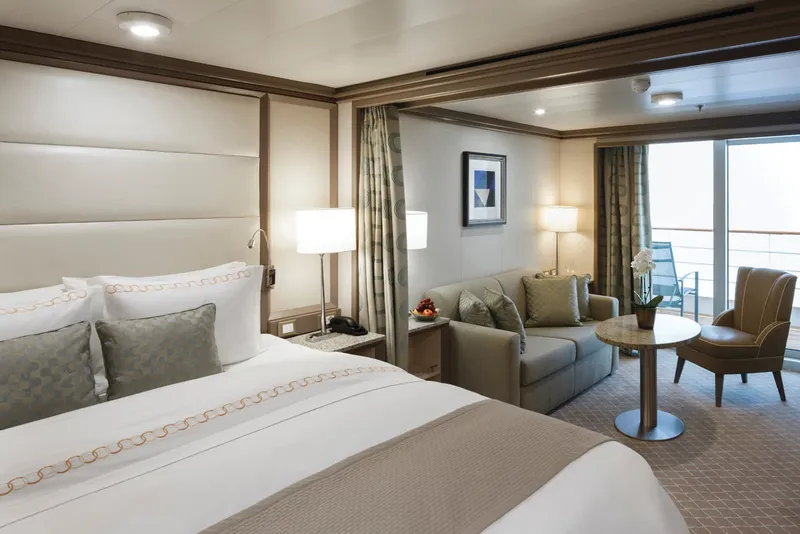
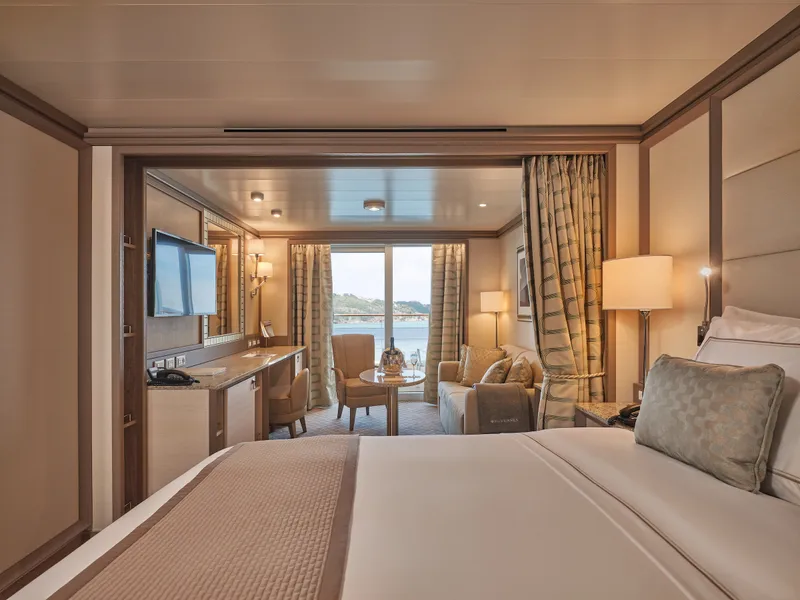
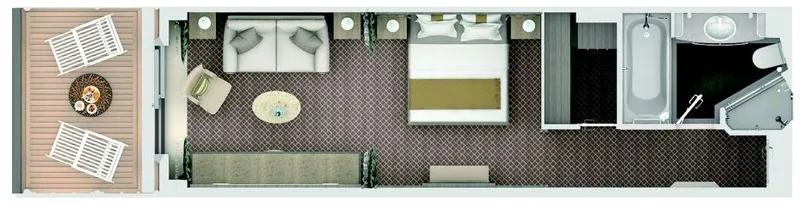
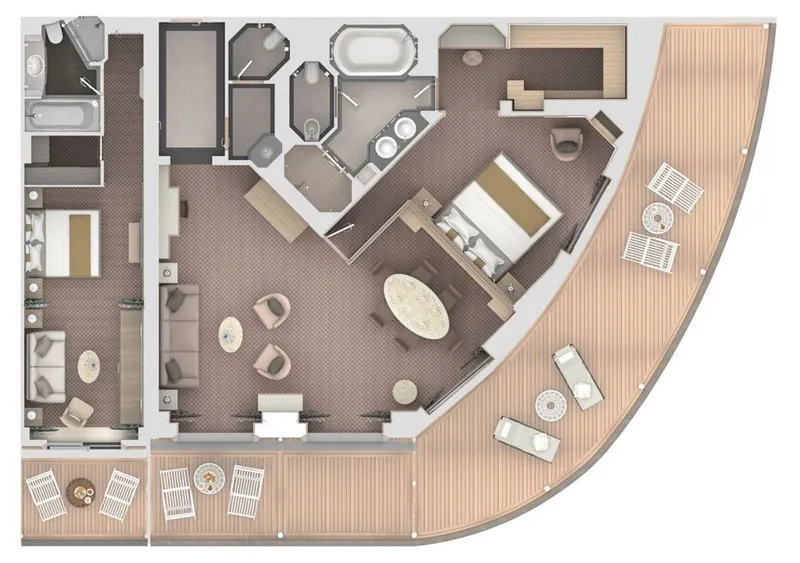
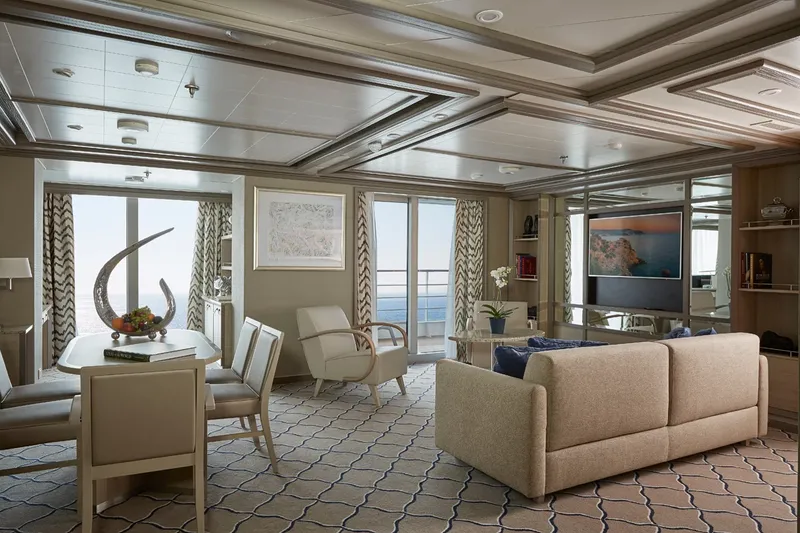
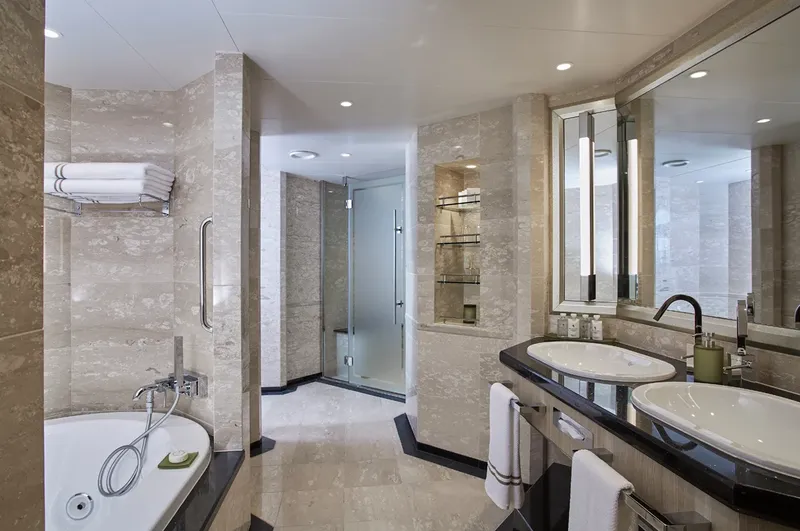
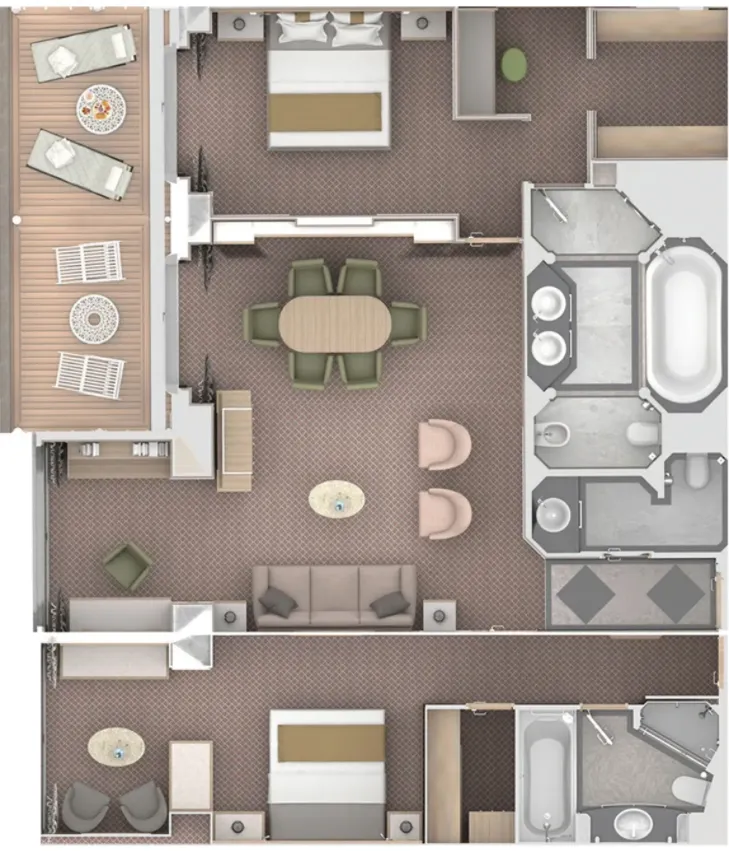
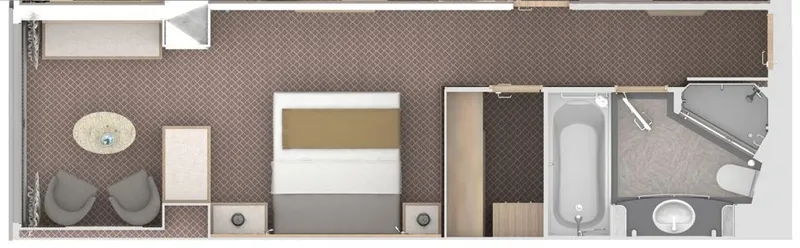
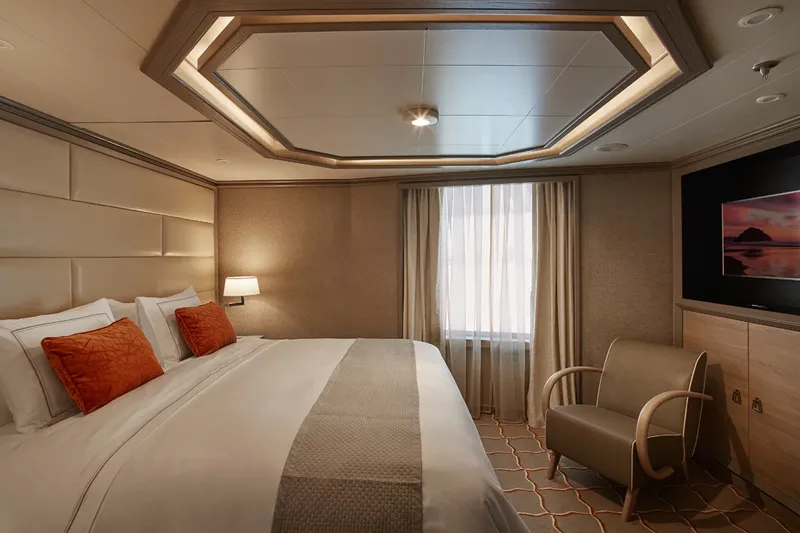
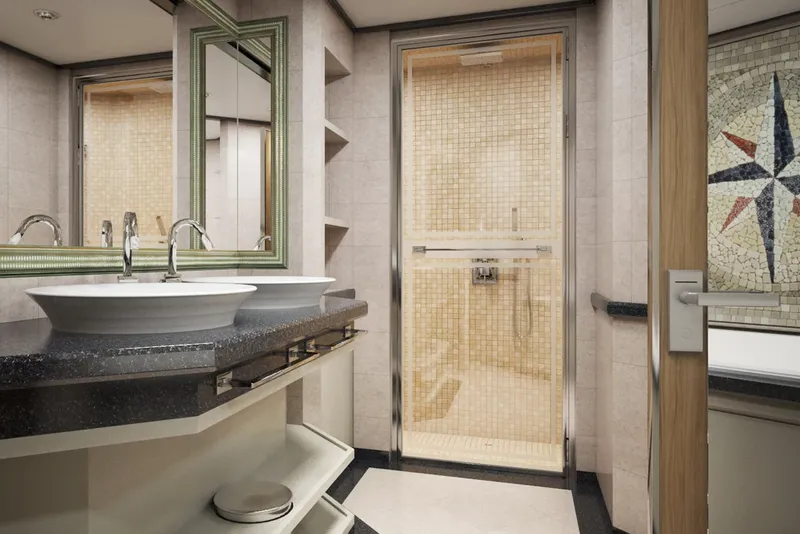


Our cruise specialists can help you find the perfect cabin and the best available pricing.
(+886) 02-2721-7300Contact Advisor