Zypern
Paphos
4 voyages
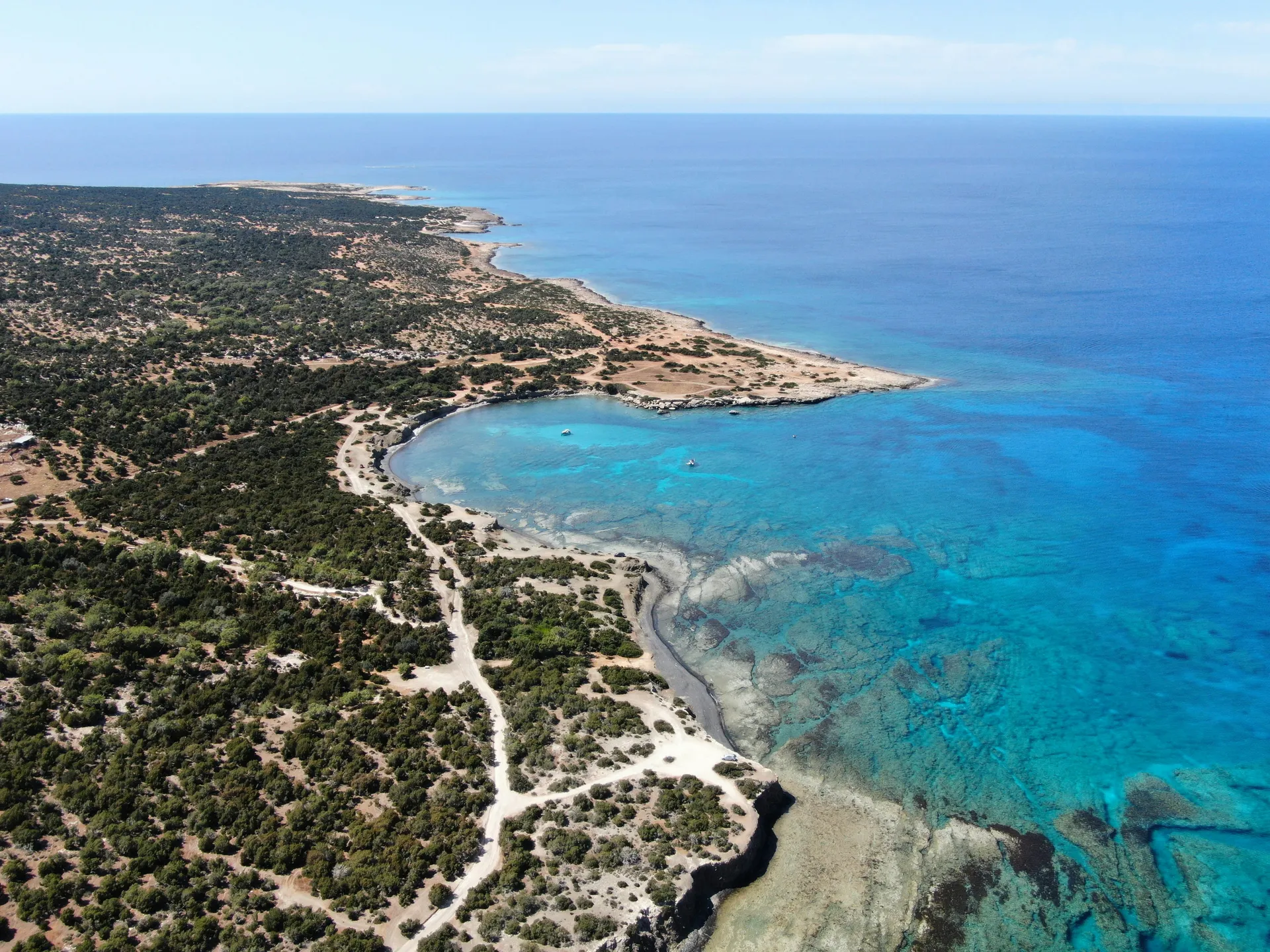
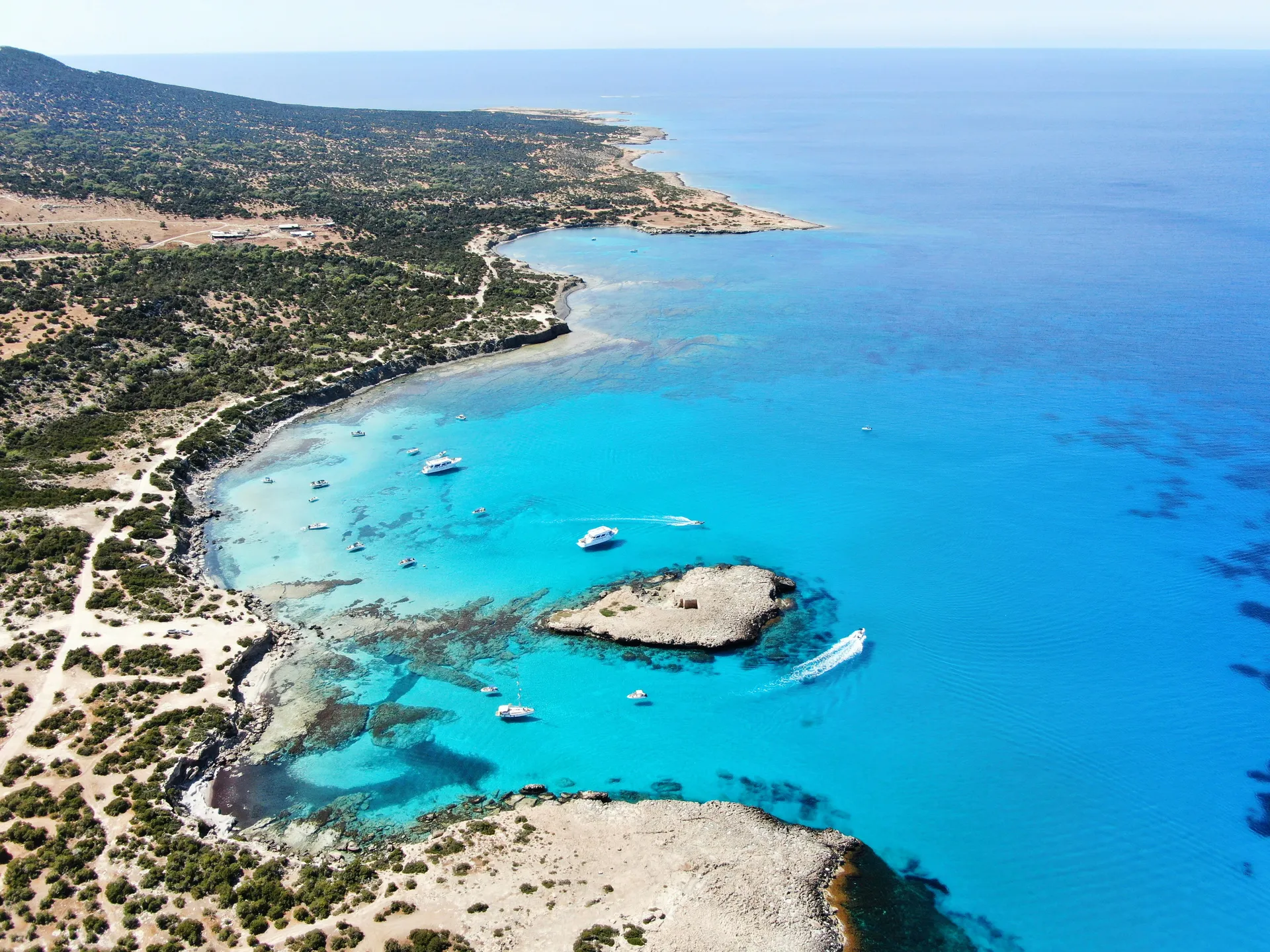
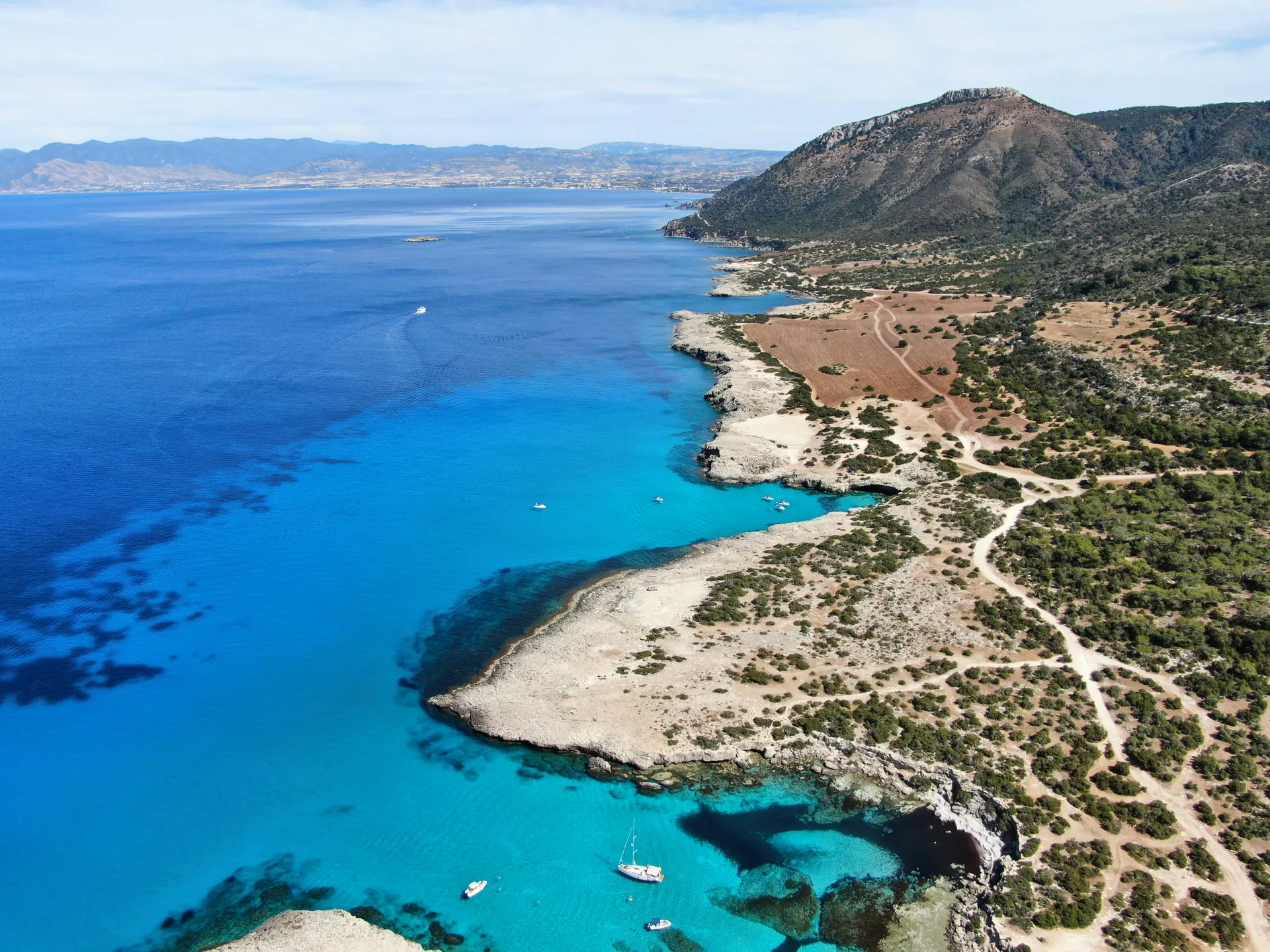
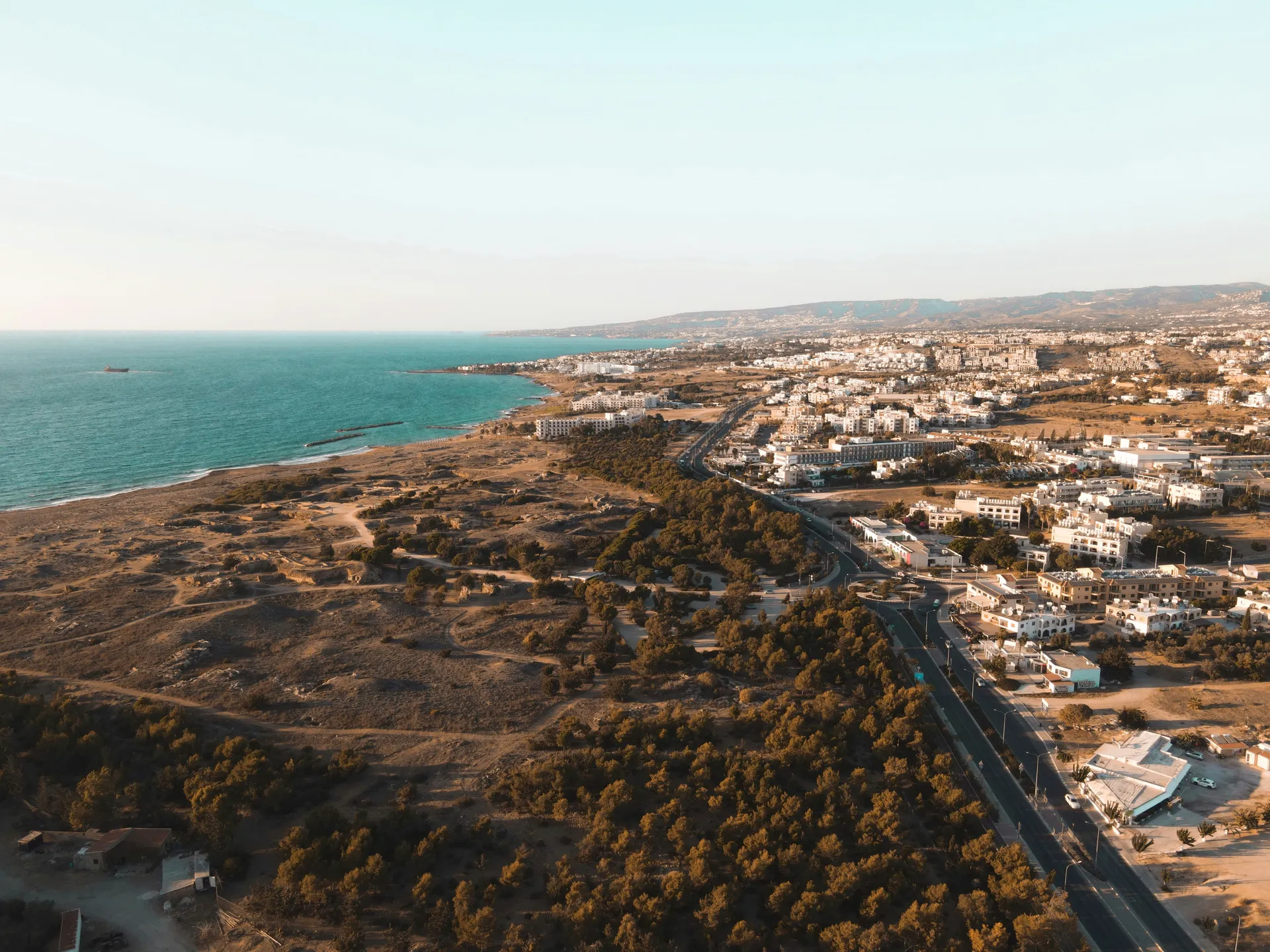
Paphos liegt an der südwestlichen Küste Zyperns, einer Stadt, deren archäologischer Reichtum so außergewöhnlich ist, dass die UNESCO das gesamte Stadtzentrum als Weltkulturerbe eingetragen hat – eine Ehre, die normalerweise einzelnen Monumenten und nicht lebendigen Städten vorbehalten ist. Der Grund dafür ist einfach: Paphos ist seit über 4.000 Jahren kontinuierlich besiedelt, und die archäologischen Funde, die sich unter ihren Straßen und rund um ihren Hafen angesammelt haben, umfassen nahezu jede Zivilisation, die das östliche Mittelmeer geprägt hat. Die Stadt ist in zwei Teile unterteilt – Kato Paphos (Unteres Paphos), das sich um den Hafen und den archäologischen Park gruppiert, und Ktima (Oberes Paphos), das Verwaltungszentrum auf dem Plateau darüber – und zusammen erzählen sie eine Geschichte, die in der Bronzezeit beginnt und bis in die Gegenwart reicht.
Der Archäologische Park von Paphos — das Juwel des UNESCO-Weltkulturerbes — beherbergt eine Reihe römischer Villen, deren Fußbodenmosaiken zu den schönsten im östlichen Mittelmeer zählen. Das Haus des Dionysos, das Haus des Theseus, das Haus des Aion und das Haus des Orpheus bewahren Mosaikpflaster von außergewöhnlicher Kunstfertigkeit, die mythologische Szenen darstellen — Dionysos, der auf einem Leoparden reitet, Theseus im Kampf gegen den Minotaurus, Orpheus, der die Tiere bezaubert — in einer Technik, die so raffiniert ist, dass die Tesserae (winzige Stein- und Glaswürfel) die Illusion eines Gemäldes erzeugen. Diese Mosaiken, die aus dem zweiten bis fünften Jahrhundert n. Chr. stammen, wurden 1962 zufällig von einem Landwirt entdeckt, der sein Feld pflügte, und ihre Qualität deutet darauf hin, dass Paphos zur römischen Zeit eine Stadt von beträchtlichem Reichtum und Raffinesse war, als sie die Hauptstadt der gesamten Insel war.
Die kulinarischen Traditionen von Paphos spiegeln Zyperns Lage an der Schnittstelle griechischer, türkischer und levantinischer Esskulturen wider. Meze — der scheinbar endlose Reigen kleiner Gerichte, der das zypriotische Esserlebnis ausmacht — umfasst Halloumi (den quietschenden, grillbaren Käse, der Zyperns bekanntesten Export darstellt), Sheftalia (gegrillte Schweinswurst, eingewickelt in Netze aus Bauchfett), Koupepia (in Weinblätter gewickelte Reis- und Fleischrollen), Tahini, Hummus und den Oktopus, der in jeder Ufer-Taverne zart gegrillt wird. Die Dorfweine des Paphos-Distrikts — hergestellt aus einheimischen Sorten wie Mavro und Xynisteri in Dörfern, die seit der Bronzezeit Wein produzieren — sind bescheiden, aber charaktervoll. Commandaria, der bernsteinfarbene Dessertwein, den die Tempelritter nach ihrer Kommende in den Bergen von Limassol benannten, gilt als der älteste benannte Wein der Welt, der noch in Produktion ist.
Jenseits des archäologischen Parks bietet Paphos eine Konstellation historischer und natürlicher Attraktionen. Die Königsgräber — tatsächlich keine königlichen Gräber, sondern eine aristokratische Nekropole aus der ptolemäischen und römischen Zeit — sind in das felsige Küstenplateau nördlich des Hafens gehauen, ihre unterirdischen Kammern werden von dorischen Säulen gestützt, die eine Verschmelzung ägyptischer und griechischer Bestattungsarchitektur darstellen. Die Hafenfestung, ursprünglich eine byzantinische Burg, die von den Lusignans und später von den Osmanen umgebaut wurde, bewacht den kleinen Hafen, der das soziale Zentrum von Kato Paphos ist. Der Felsen der Aphrodite (Petra tou Romiou), fünfzehn Kilometer östlich der Stadt an der Küstenstraße, ist der legendäre Geburtsort der Göttin der Liebe — ein dramatischer Meeresfelsen, der aus den Wellen emporragt in einer Komposition solch fotogener Schönheit, dass es scheint, als wäre er für das Zeitalter von Instagram choreografiert worden.
Paphos wird vom internationalen Flughafen Paphos bedient, der Direktflüge aus ganz Europa anbietet, sowie von Kreuzfahrtschiffen, die im Handelsport anlegen (Shuttlebusse verbinden den Hafen mit dem archäologischen Park). Die Stadt ist kompakt und gut zu Fuß zu erkunden, wobei die Hauptattraktionen sich im Hafenbereich und im archäologischen Park konzentrieren. Das Klima ist mediterran – heiße, trockene Sommer und milde, gelegentlich regnerische Winter. Die besten Monate für einen Besuch sind von März bis Mai und von September bis November, wenn die Temperaturen angenehm sind, um die archäologischen Stätten zu erkunden und das Meer warm genug zum Schwimmen ist. Die Sommermonate von Juni bis August bringen intensive Hitze (über 35°C), die die Erkundung im Freien zur Mittagszeit herausfordernd machen kann.
Gallery