Spanien
Mahon
371 voyages
Mahón — oder Maó auf Katalanisch — beherrscht einen der tiefsten natürlichen Häfen im Mittelmeer, eine fünf Kilometer lange fjordähnliche Bucht, die diese menorquinische Hauptstadt seit Jahrtausenden zu einem begehrten maritimen Preis gemacht hat. Die Briten hielten die Insel während des größten Teils des achtzehnten Jahrhunderts, und Admiral Lord Nelson ließ einst seine Flotte in genau diesem Hafen ankern; das Erbe lebt weiter in georgianischen Stadthäusern, Sprossenfenstern und der einzigartig menorquinischen Tradition der Gin-Destillation, die von britischen Seeleuten eingeführt wurde. Vor den Briten hinterließen Phönizier, Griechen, Karthager, Römer, Mauren und die Krone von Aragón jeweils ihre Spuren auf dieser windgepeitschten Baleareninsel und schufen ein Palimpsest von Kulturen, das selbst nach mediterranen Maßstäben selten ist.
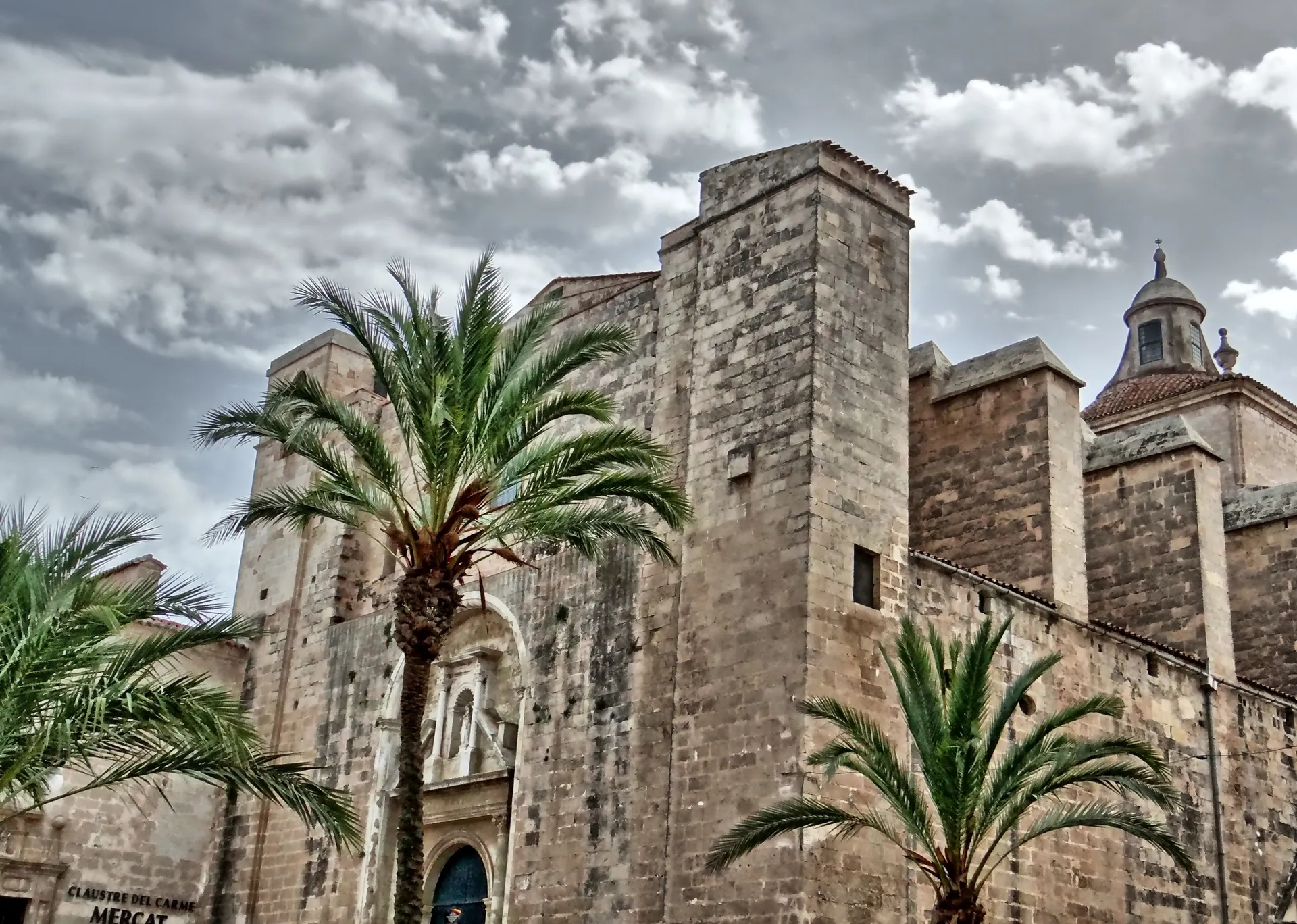
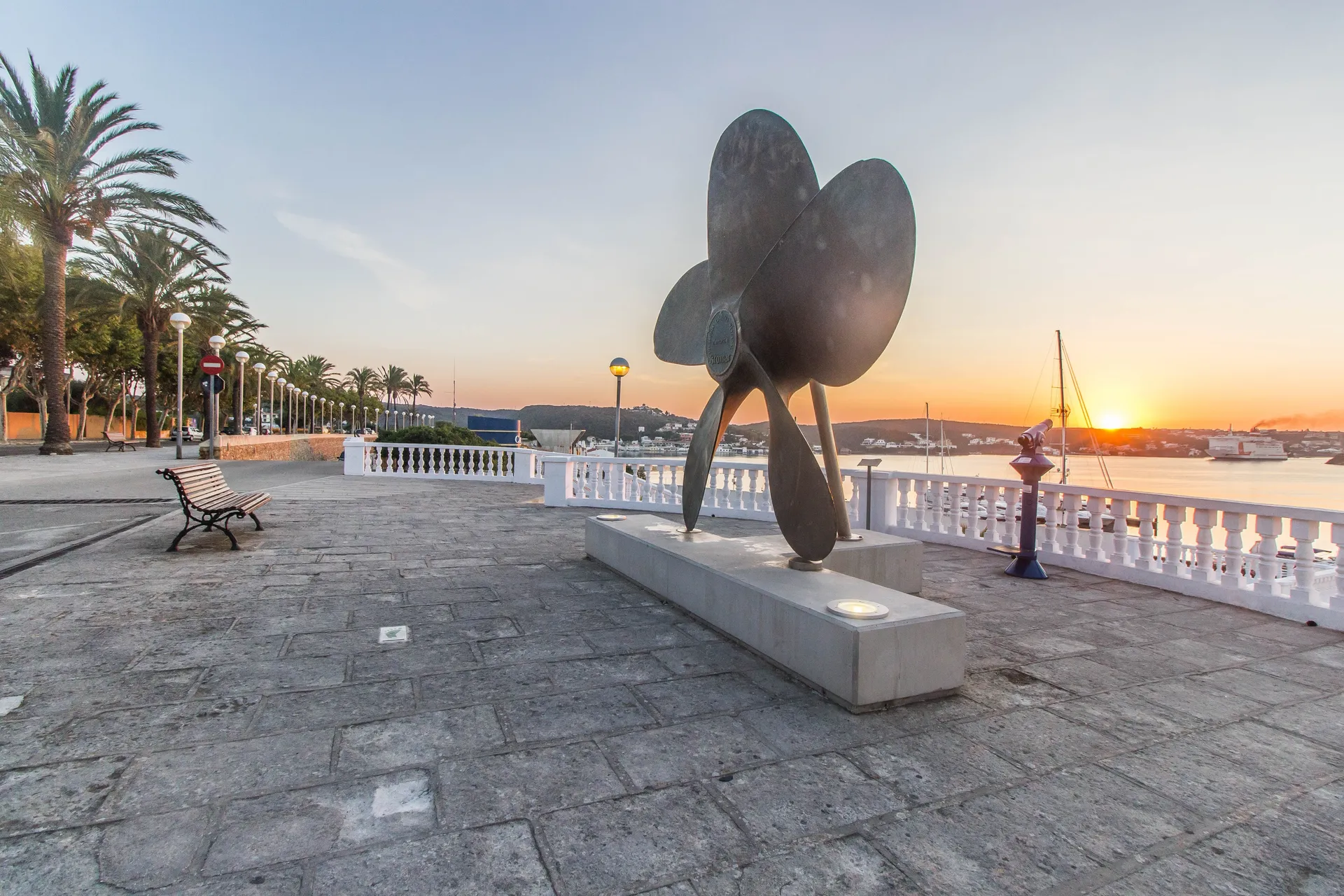
Der Hafen ist das prägende Merkmal von Mahón und die tägliche Bühne des Lebens. Am Ufer reihen sich Restaurants und Bars entlang der Kaikante, unterhalb der alten Stadt auf dem Kliff, deren Terrassen über das Wasser ragen, während Yachten, Fischerboote und Kreuzfahrtschiffe vorbeigleiten. Die Altstadt selbst ist ein angenehmes Durcheinander aus engen Gassen, barocken Kirchen und schattigen Plätzen — die Kirche Santa María beherbergt eine monumentale Orgel mit 3.200 Pfeifen, die 1810 erbaut wurde, und der Fischmarkt, der in den Klostergängen eines ehemaligen Konvents untergebracht ist, zählt zu den atmosphärischsten in Spanien. Gegenüber der Hafeneinfahrt erstreckt sich die Festung La Mola — erbaut von Königin Isabella II in den 1850er Jahren — über eine Landzunge mit herrlichem Blick auf die vorbeiziehenden Schiffe.
Die menorquinische Küche ist die raffinierteste der Balearen, und Mahón hat ein globales Erbe hinterlassen: die Mayonnaise – die Ei-Öl-Emulsion, die hier erstmals 1756 dokumentiert wurde, als der Koch des Herzogs von Richelieu auf das lokale Alioli stieß – ist wohl die weltweit am häufigsten verwendete Sauce.
Caldereta de langosta, ein Hummer-Eintopf, der mit Tomaten, Zwiebeln und Knoblauch geschmort wird, ist das erhabenste Gericht der Insel, am besten in dem Fischerdorf Fornells, eine halbe Stunde nördlich, zu genießen.
Queso de Mahón-Menorca, ein DOP-Käse aus Kuhmilch mit einer orangefarbenen Rinde, reicht von cremig in der jungen Variante bis hin zu intensiv scharf im Alter.
Ensaimadas, die spiralförmigen Gebäckstücke, die mit Puderzucker bestäubt sind, sind das bevorzugte Frühstück der Balearen.
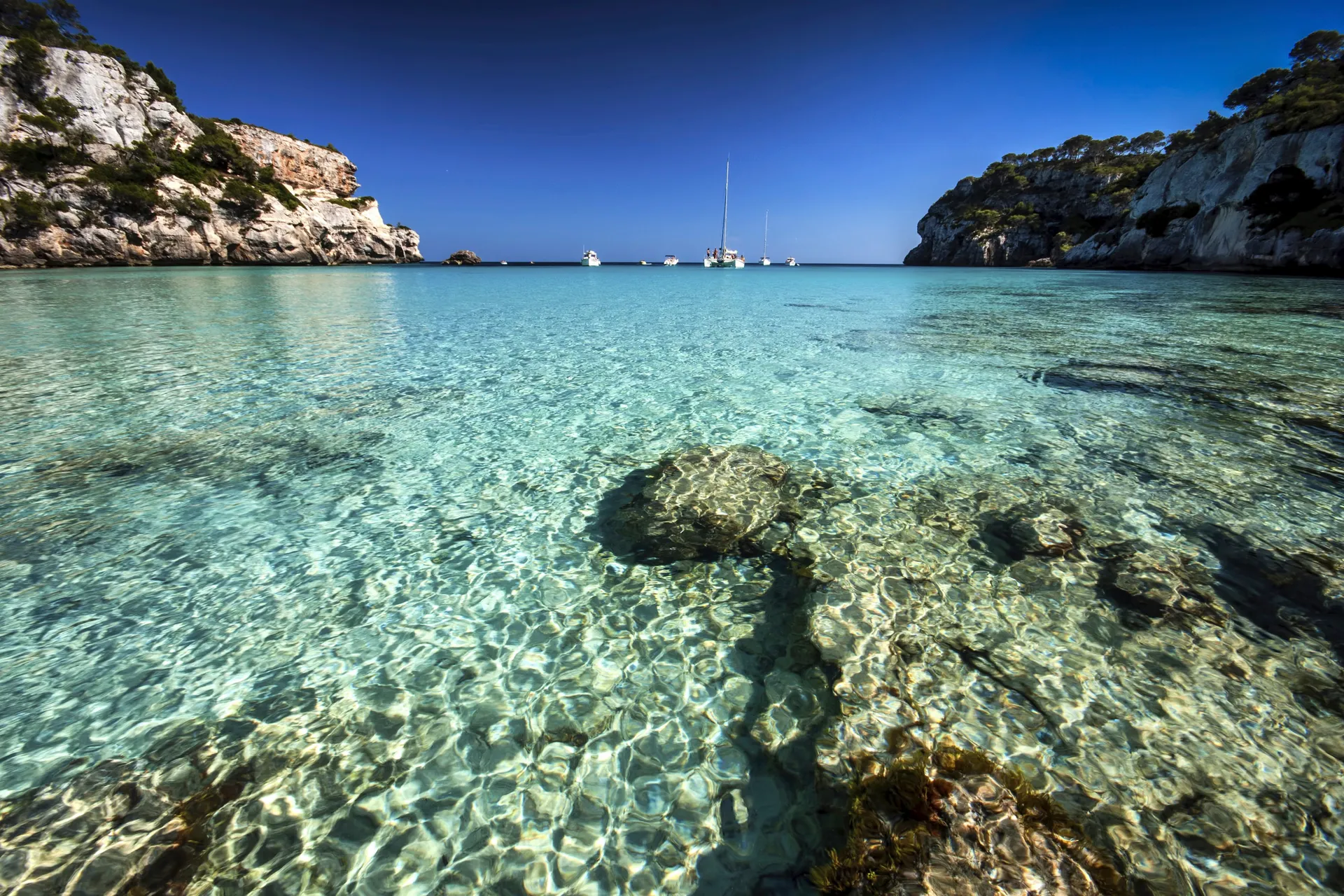
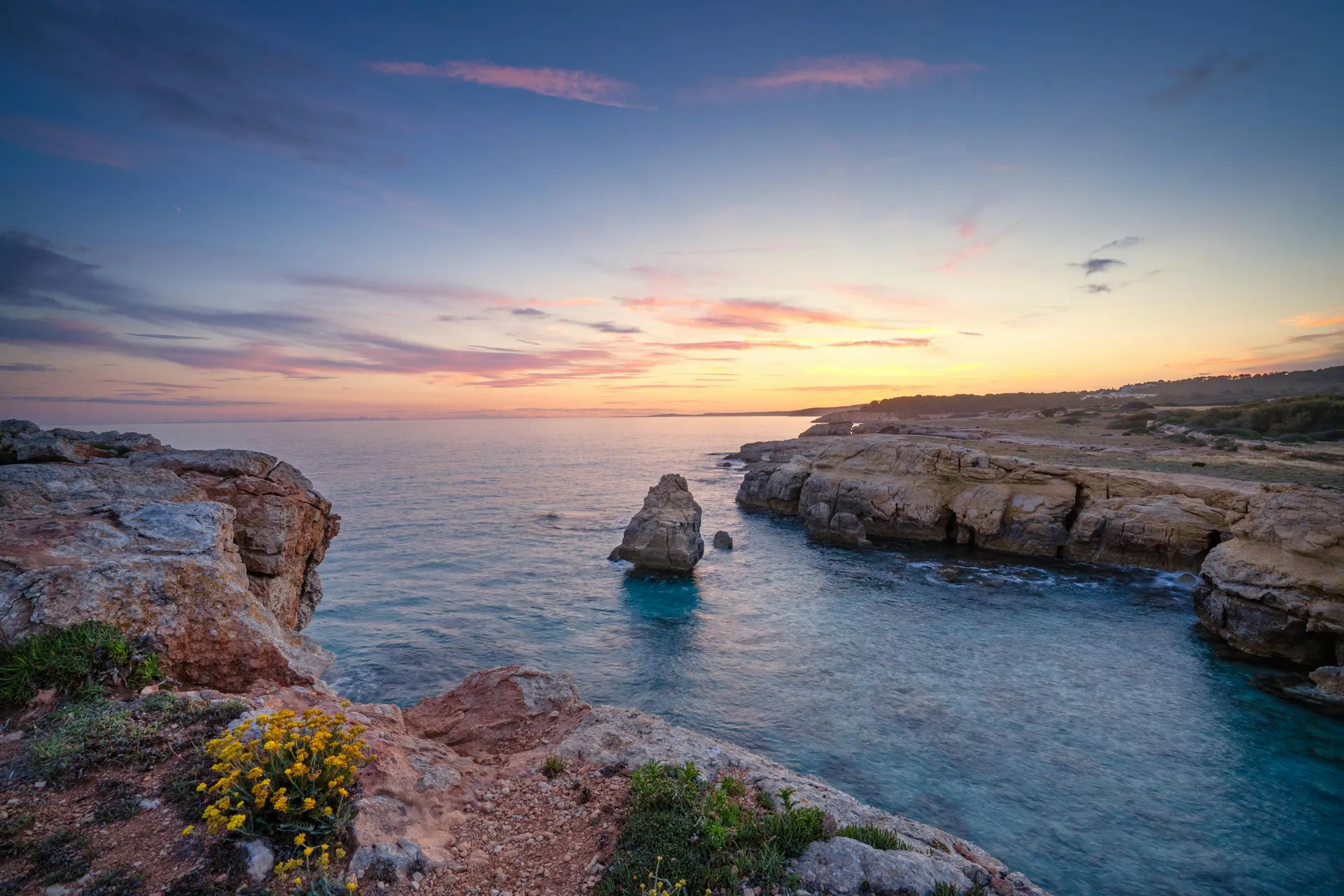
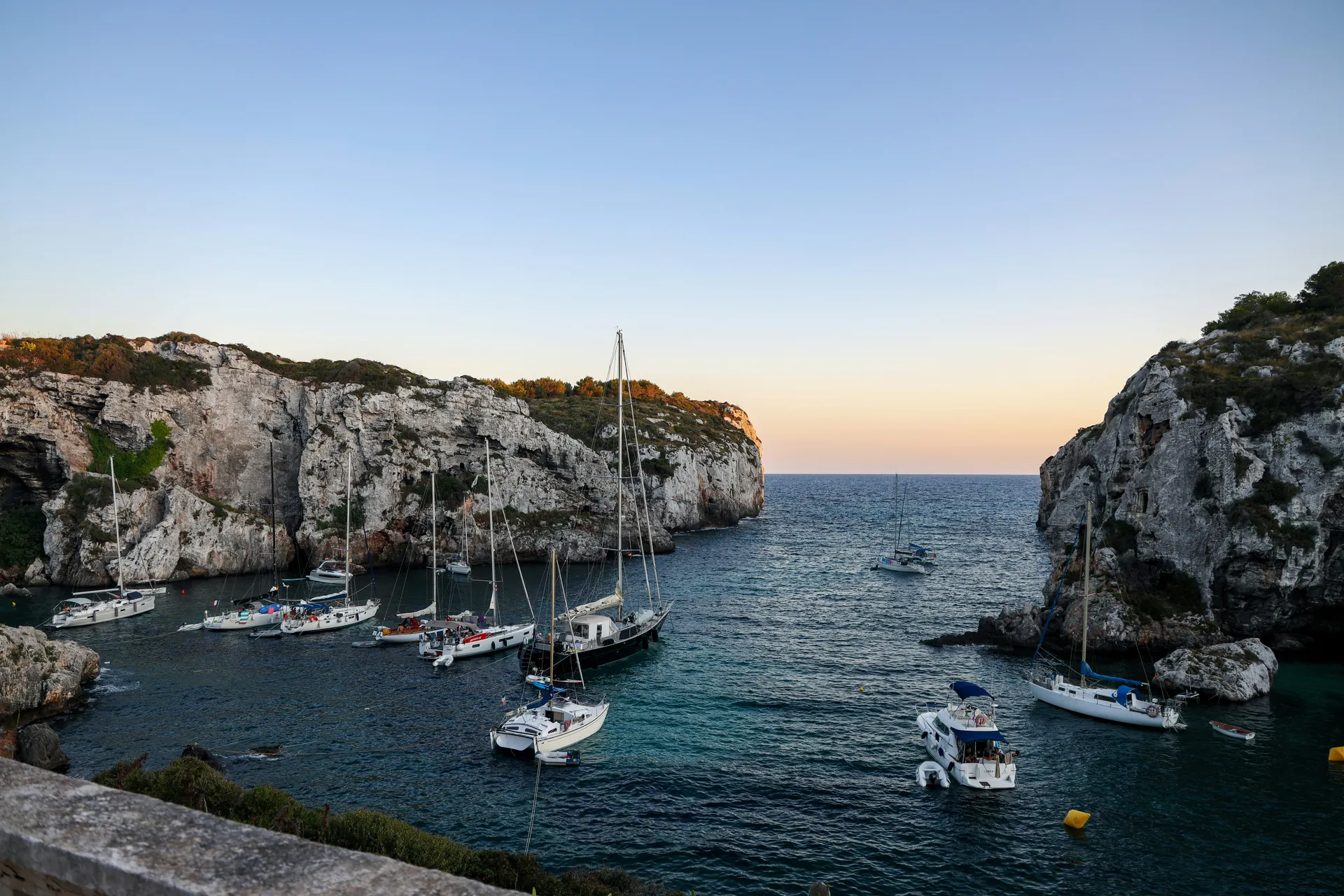
Menorca ist ein UNESCO-Biosphärenreservat, und Ausflüge von Mahón enthüllen, warum. Der Camí de Cavalls, ein 185 Kilometer langer Küstenweg, der die Insel umrundet, führt durch Buchten mit türkisfarbenem Wasser, Kalksteinfelsen und nach Pinien duftende Garrigue. Die Naveta des Tudons, ein aus der Bronzezeit stammendes Ossarium in Form eines umgekehrten Bootes, gehört zu den ältesten überdachten Strukturen Europas und liegt nur dreißig Minuten westlich in der Nähe von Ciutadella. Ciutadella selbst, mit seiner gotischen Kathedrale und aristokratischen Palästen, ist ein überzeugender Halbtagesausflug über die Insel.
Der tiefe Hafen von Mahón bietet selbst den größten Schiffen mühelos Platz. AIDA, Ambassador Cruise Line, Azamara, Emerald Yacht Cruises, Explora Journeys, Hapag-Lloyd Cruises, Marella Cruises, MSC Cruises, Oceania Cruises, Ponant, Princess Cruises, Regent Seven Seas Cruises, Saga Ocean Cruises, Scenic Ocean Cruises, Seabourn, Silversea, Star Clippers und Windstar Cruises steuern alle diesen Hafen an. Die Balearen genießen ein mediterranes Klima mit warmen, trockenen Sommern und milden Wintern; von Mai bis Oktober ist die Hauptsaison für Kreuzfahrten, wobei der September besonders angenehme Bedingungen bietet.
Gallery