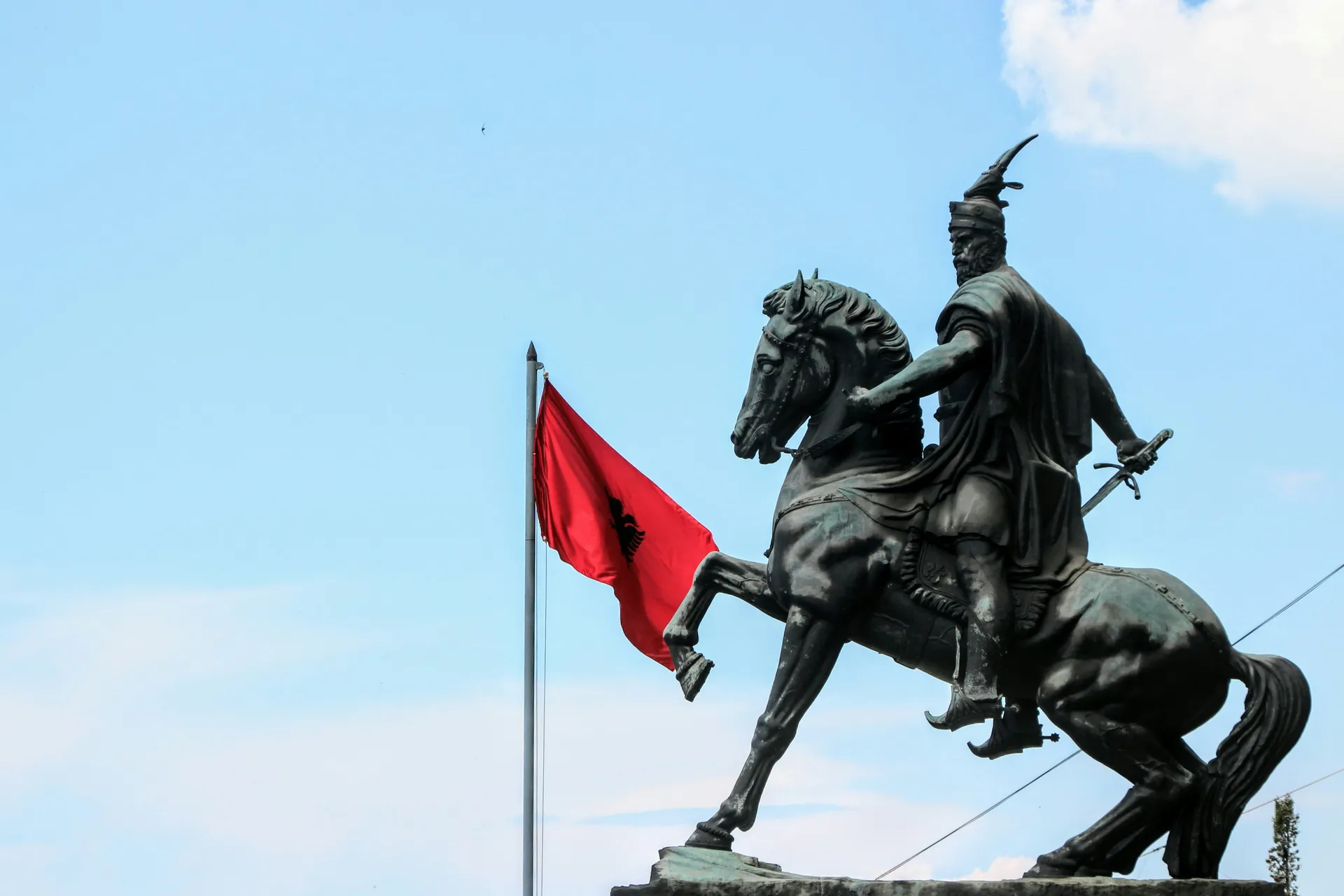
Perched on a mountainside overlooking the plains of central Albania, with the ancient fortress of Skanderbeg crowning its summit like a stone crown, Krujë holds a position in the Albanian national consciousness that no other city can rival. It was here, in the 15th century, that the national hero Gjergj Kastrioti — known as Skanderbeg — established his headquarters and successfully resisted Ottoman invasion for 25 years, creating a legend of resistance that sustained Albanian identity through five centuries of Ottoman rule and remains the foundational narrative of the Albanian nation.
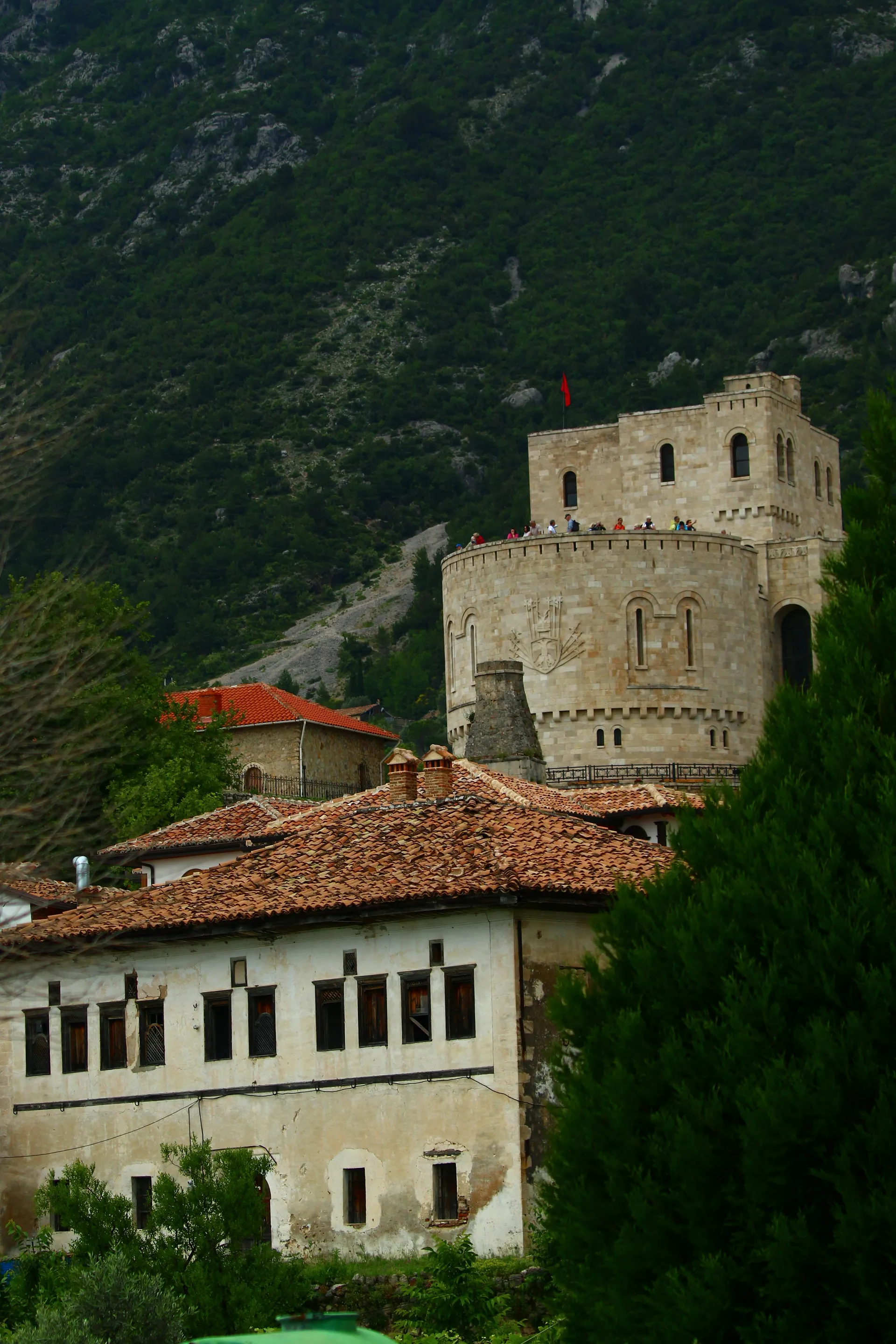
The fortress of Krujë, rebuilt multiple times over the centuries but retaining its medieval footprint, dominates the town from its rocky perch at 600 metres elevation. Within its walls, the Skanderbeg Museum — designed by Pranvera Hoxha, daughter of the former Albanian dictator, in a brutalist style that divides opinion — houses a collection of weaponry, armour, and artefacts chronicling Skanderbeg's campaigns against the Ottoman Empire. The museum's dramatic hilltop position, with views extending across the coastal plain to the Adriatic Sea, provides a strategic perspective that explains why this particular mountain was so fiercely defended.
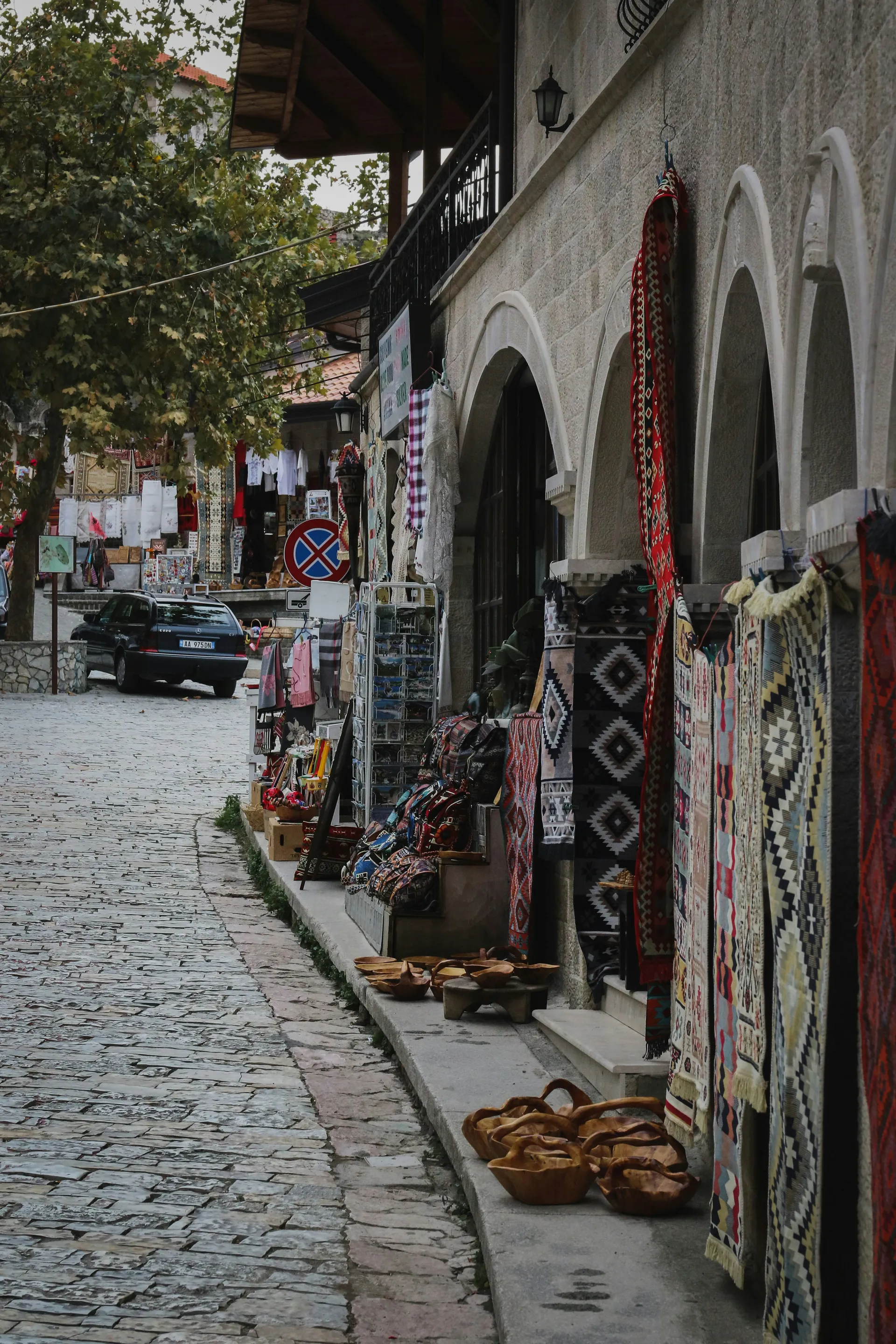
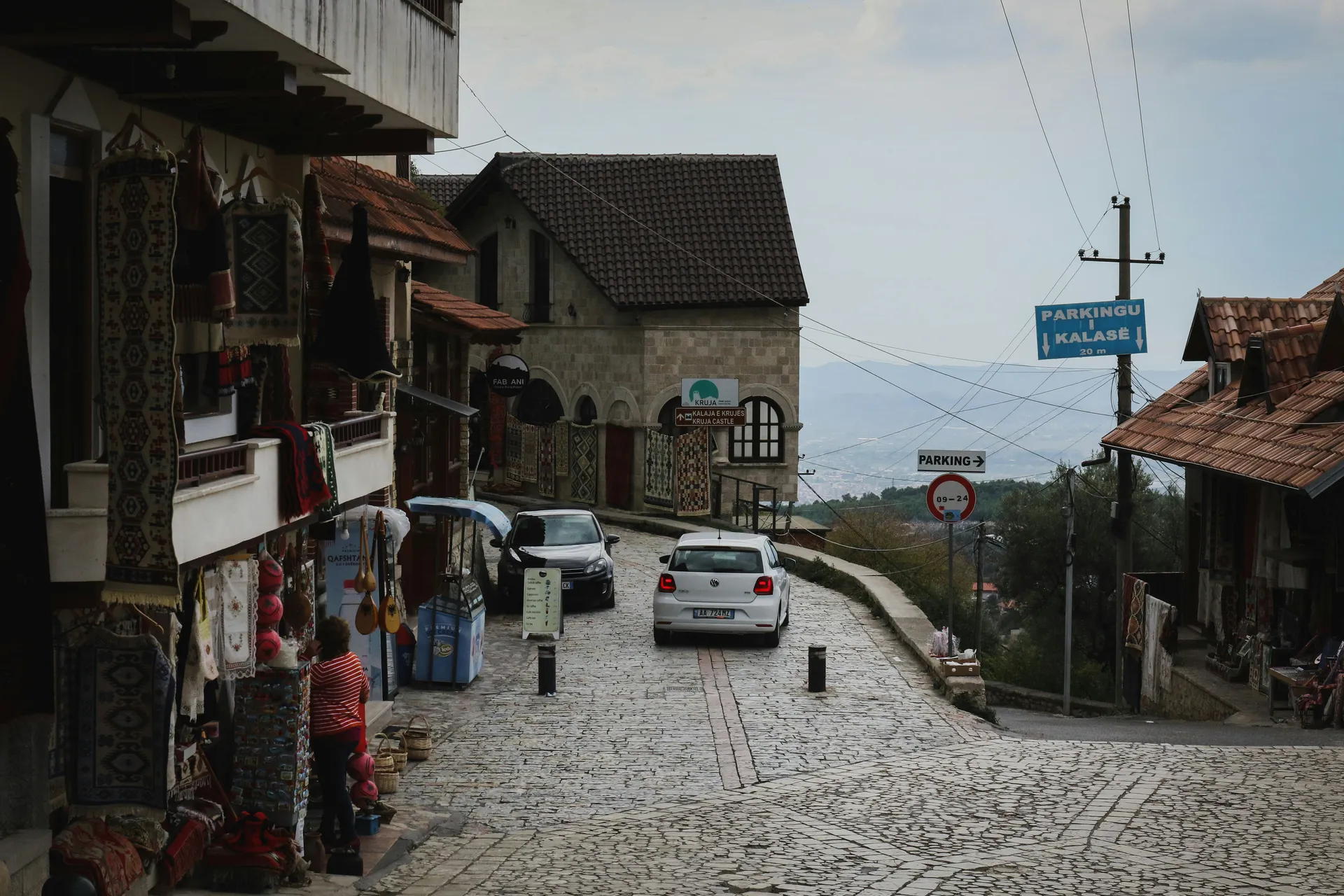
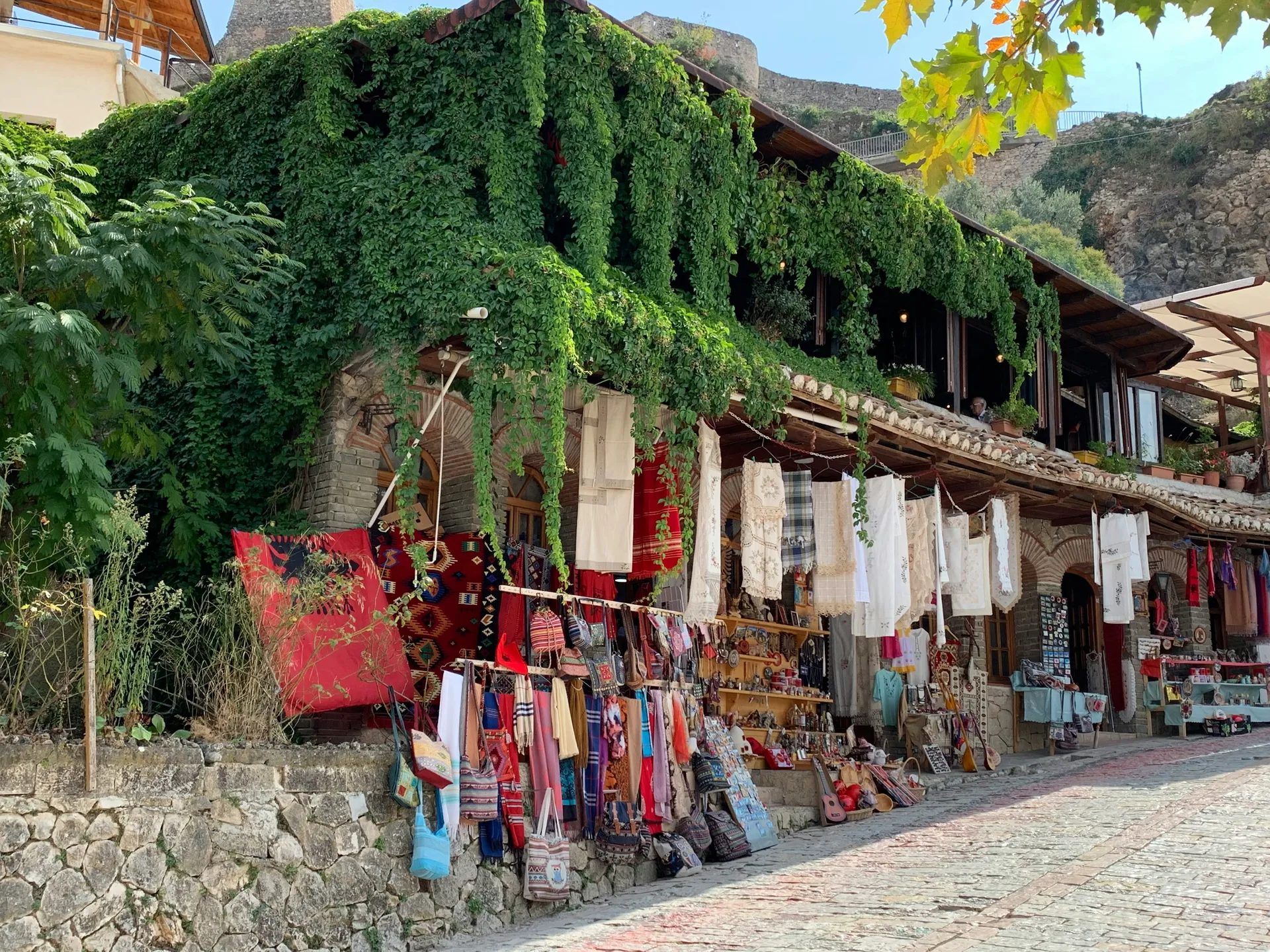
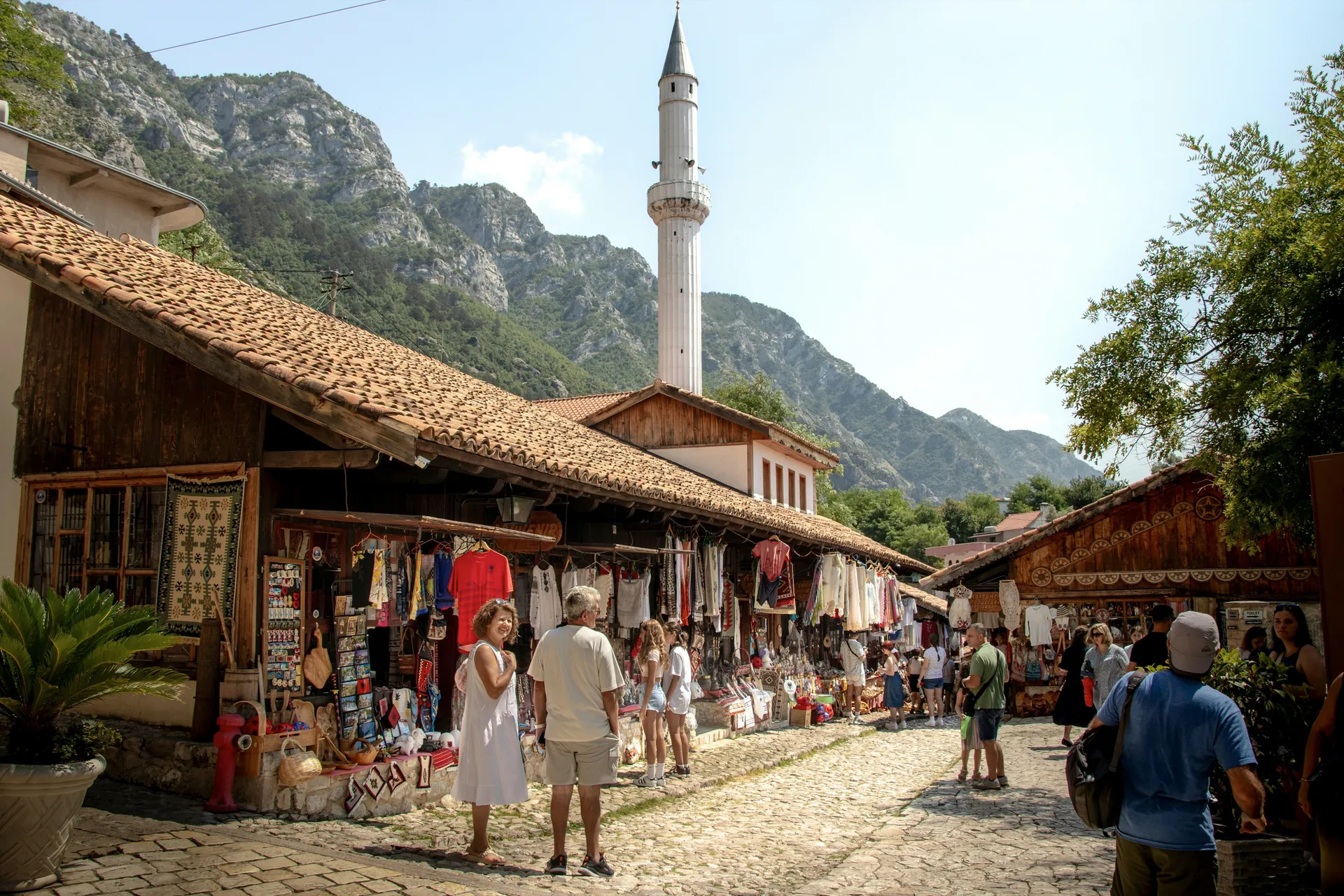
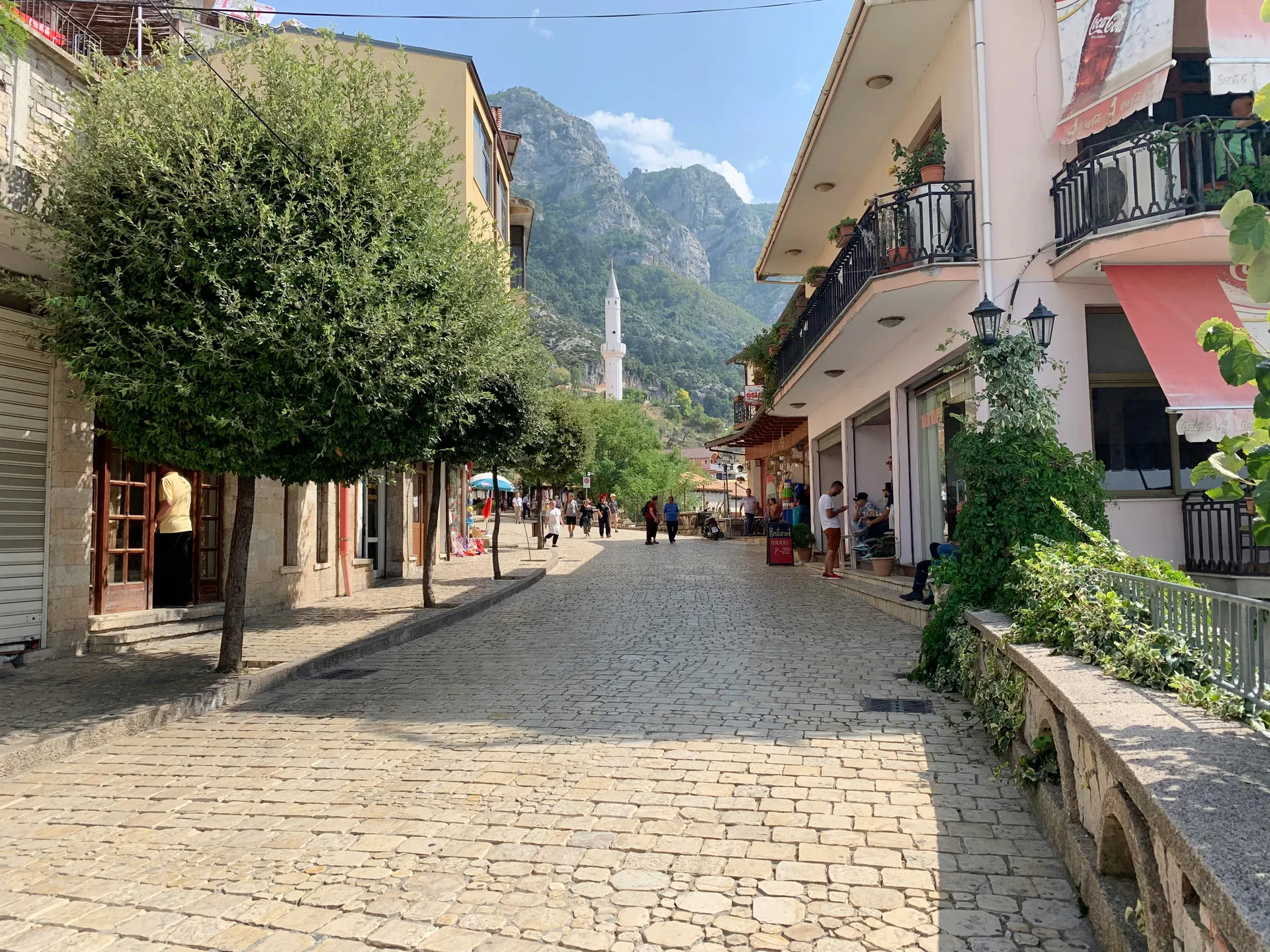
The Old Bazaar of Krujë, threading downhill from the fortress along a cobblestoned street lined with Ottoman-era shops, is one of the most atmospheric traditional markets in the Balkans. Artisans sell handwoven carpets, embroidered textiles, copperwork, and antique weaponry — the latter reflecting Albania's martial heritage with perhaps excessive enthusiasm. The bazaar's tea houses serve Turkish coffee and raki alongside traditional Albanian pastries — byrek (phyllo-wrapped cheese or spinach pies) and trilece (a milk-soaked cake of Ottoman origin) — in an atmosphere that bridges the medieval and the modern.
Albanian cuisine in Krujë reflects the country's position at the crossroads of Mediterranean, Balkan, and Ottoman culinary traditions. Tavë kosi — lamb baked in a yogurt and egg sauce until golden — is Albania's national dish and reaches excellent expression in the town's restaurants. Fërgesë — a baked mixture of peppers, tomatoes, and fresh cheese — provides a vegetarian option of surprising richness. The local raki, distilled from grapes in household stills throughout the surrounding countryside, accompanies meals with a potency that demands respect.
Krujë is an easy 32-kilometre drive from Tirana, making it one of Albania's most accessible day excursions. Cruise ships calling at Durrës (40 kilometres west) regularly include Krujë in their shore excursion offerings. The best visiting season runs from April through October, with spring offering wildflower-carpeted hillsides and comfortable temperatures. The town's compact scale makes it walkable, though the steep climb to the fortress rewards moderate fitness. The view from the castle walls — the Albanian plains stretching toward the distant Adriatic — explains, with geographical eloquence, why this mountain was worth defending.