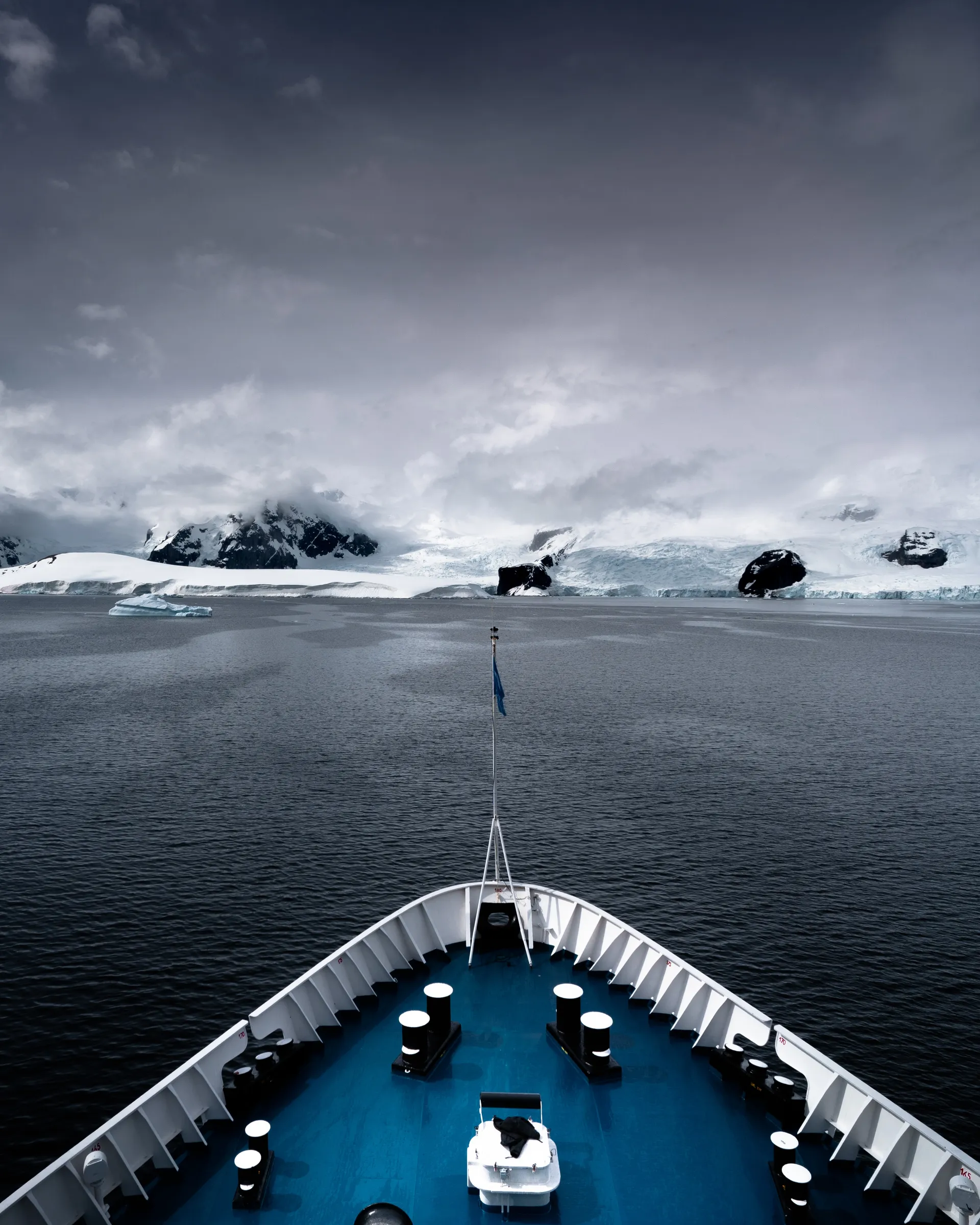
The Antarctic Peninsula, that dramatic finger of rock and ice reaching northward from the frozen continent toward South America, was not conclusively sighted until 1820, when competing claims by Russian, British, and American expeditions placed it among the last major landmasses to enter Western cartography. The heroic age of Antarctic exploration — Shackleton's Endurance expedition, Amundsen's race to the South Pole, Scott's tragic return journey — imbued this landscape with an aura of human endeavour at its most extreme. Today the peninsula remains one of Earth's last true wildernesses, governed by the Antarctic Treaty System, which designates it a continent for peace and science.
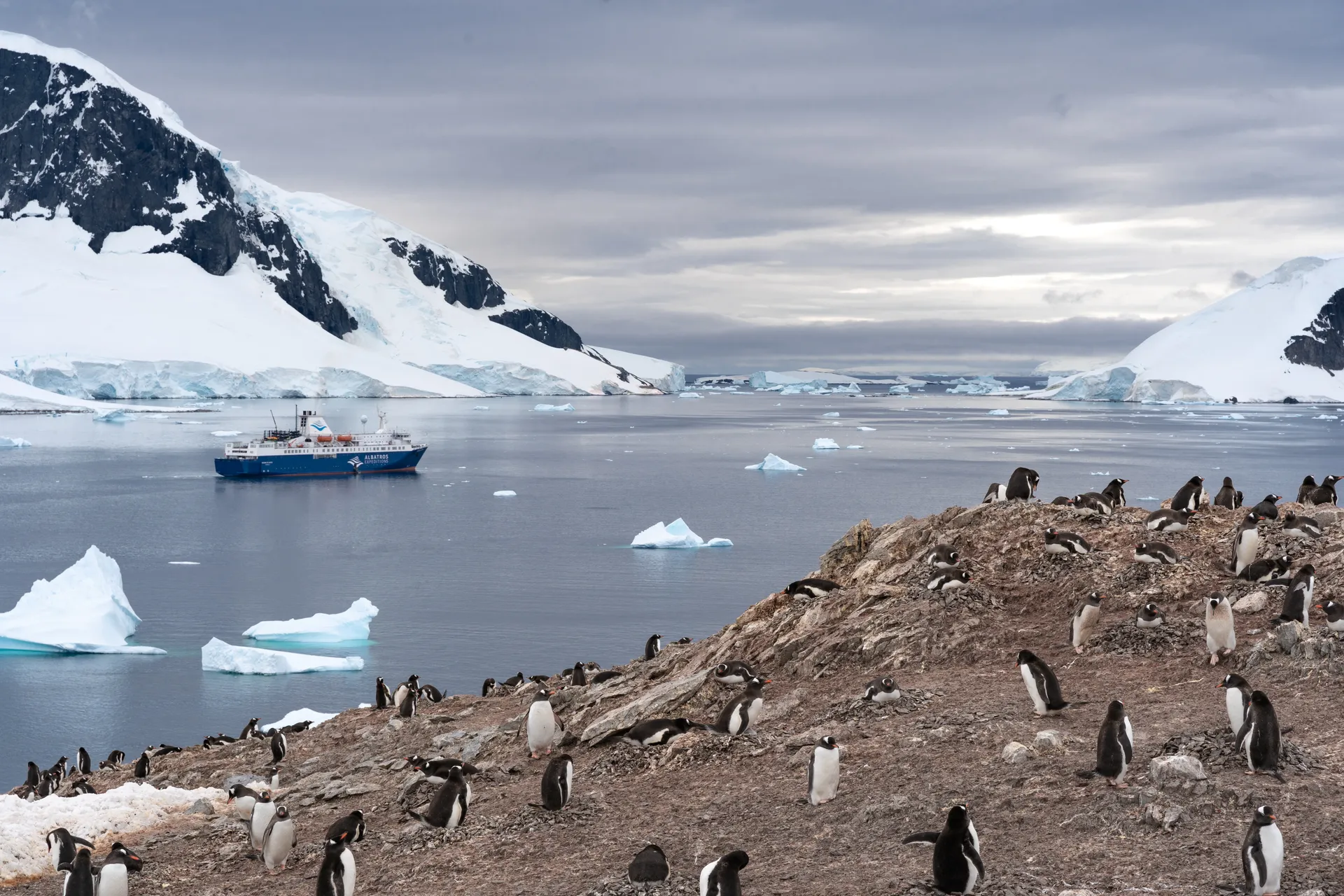
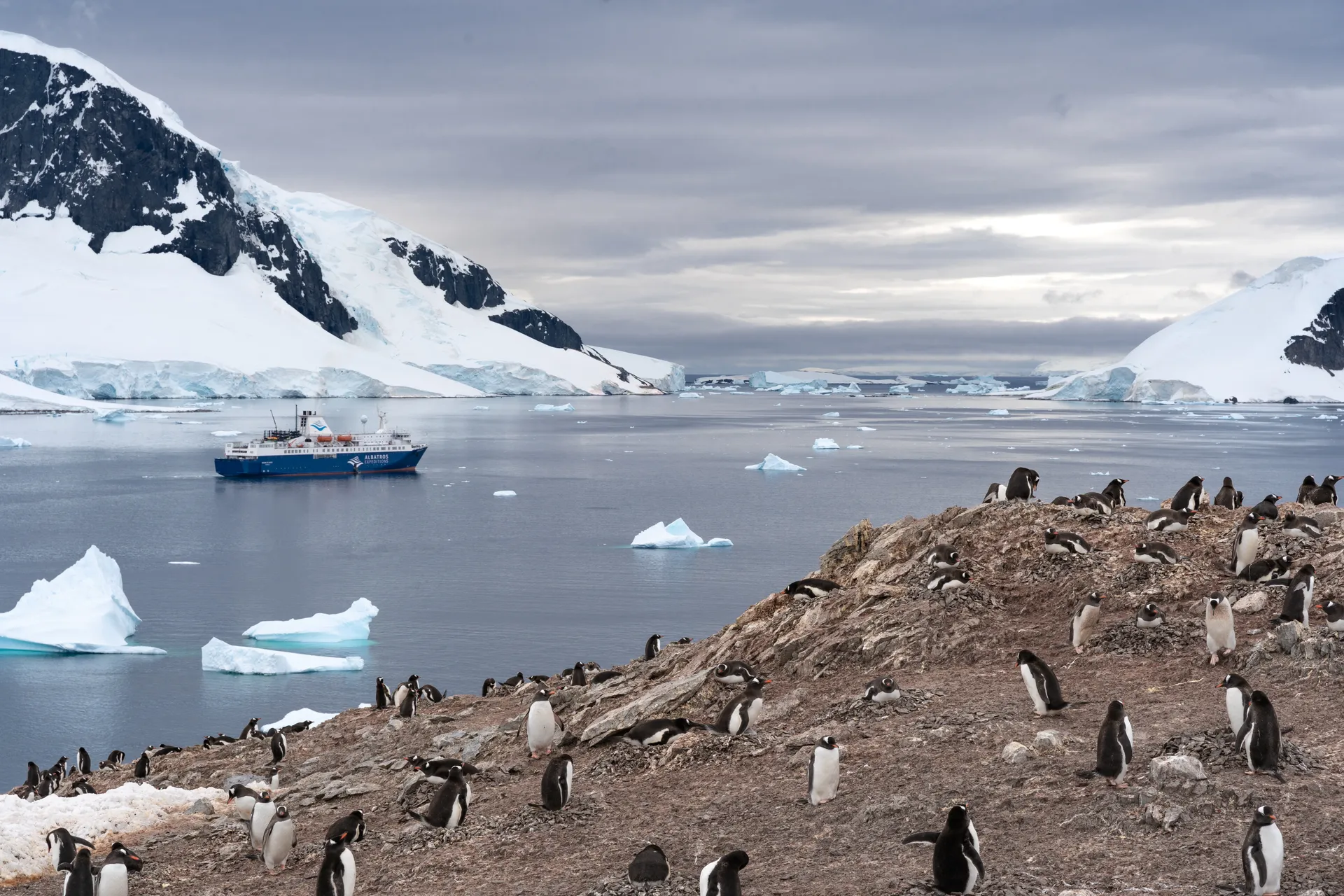
Nothing prepares the first-time visitor for the scale and silence of the Antarctic Peninsula. Towering icebergs, sculpted by wind and waves into cathedral-like formations of cobalt blue and translucent white, drift past in slow procession. Glaciers calve into steel-grey waters with thunderous reports that echo across bays. Yet this seemingly barren landscape teems with life: colonies of gentoo, chinstrap, and Adélie penguins number in the hundreds of thousands, their raucous calls filling the air. Leopard seals patrol the shorelines, humpback whales surface amid brash ice, and the occasional orca pod cuts through channels with predatory precision.
Dining on an Antarctic expedition is defined by the vessel rather than the land, for there are no restaurants or markets on this continent. Expedition ships compensate with surprisingly refined onboard cuisine — multi-course dinners featuring Chilean sea bass and Patagonian lamb, and hot chocolate served on deck after Zodiac excursions. The true Antarctic "meal," however, is the experience itself: a barbecue on deck with icebergs as your backdrop, or a celebratory champagne after a polar plunge into the Southern Ocean's two-degree waters.
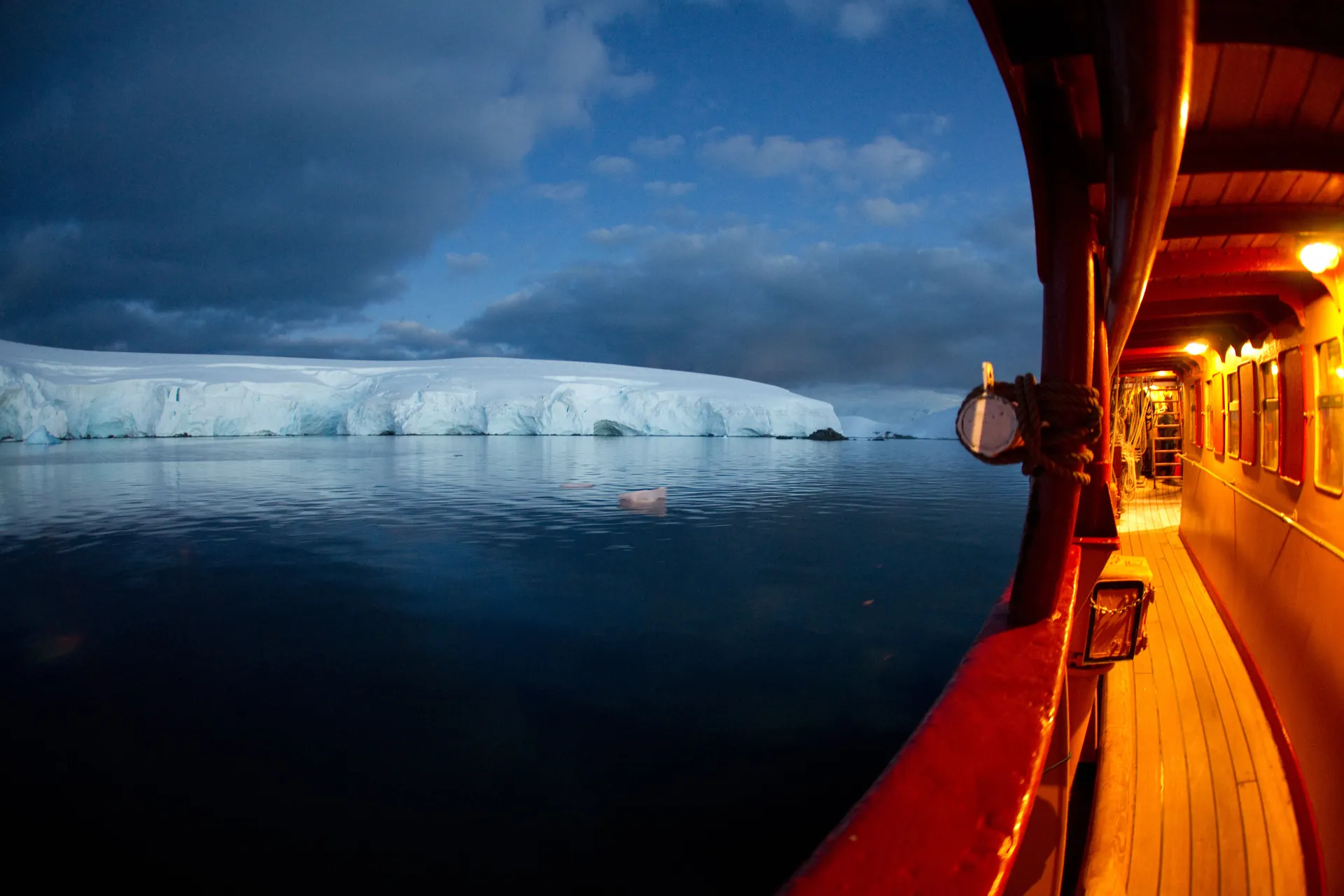
Landing sites along the peninsula each offer distinct encounters. Deception Island, the caldera of an active volcano, shelters a flooded crater harbour where passengers can swim in volcanically heated water. Paradise Bay presents a panorama of glaciers reflected in mirror-still water. Neko Harbour provides the opportunity to set foot on the Antarctic continent proper. The Lemaire Channel, a narrow passage flanked by sheer cliffs, is called "Kodak Gap" for its photographic opportunities. Port Lockroy, a former British research station, operates as a museum and the world's southernmost post office.
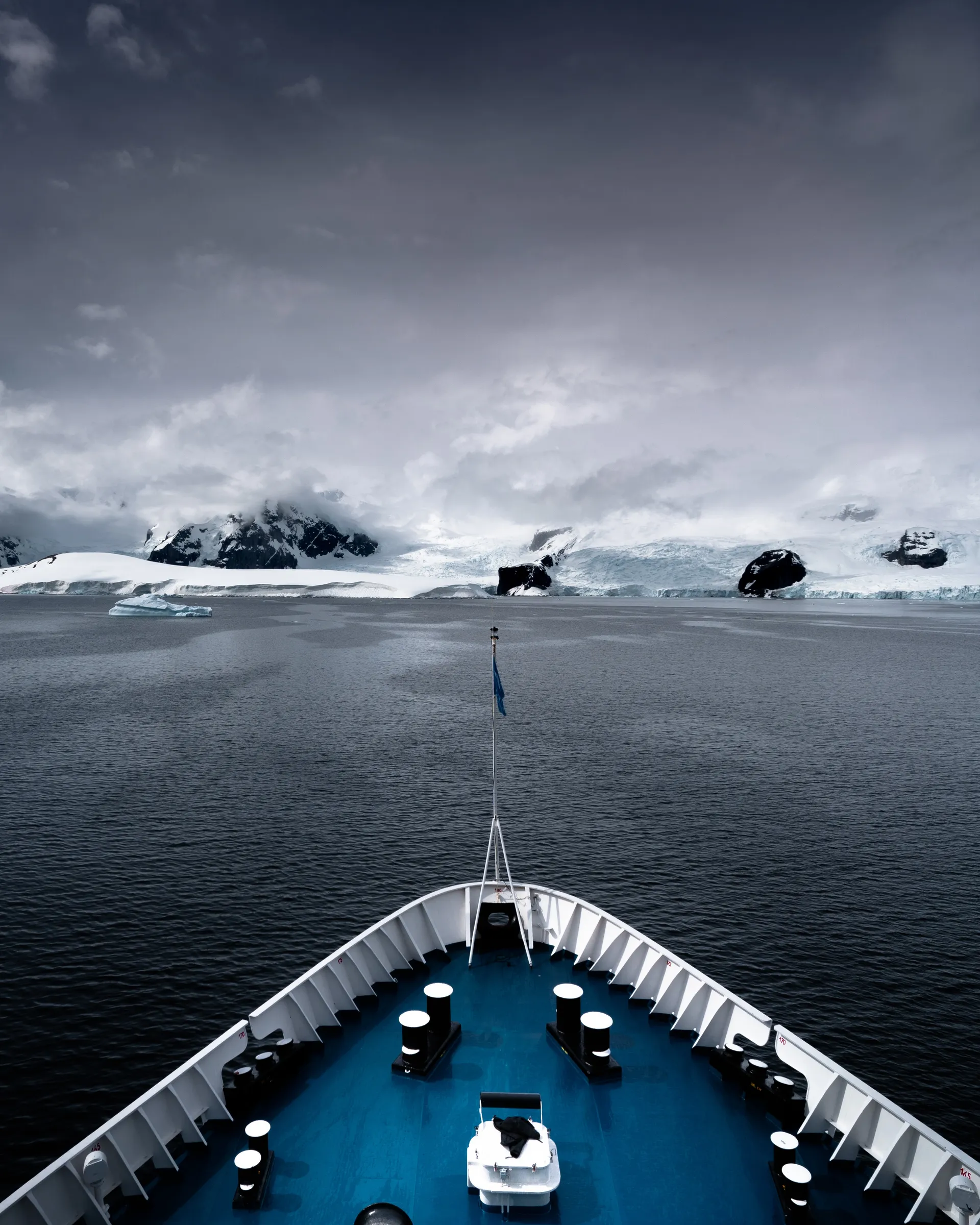
Reaching the Antarctic Peninsula requires expedition vessels capable of crossing the Drake Passage: Atlas Ocean Voyages, Aurora Expeditions, Hapag-Lloyd Cruises, Holland America Line, HX Expeditions, Lindblad Expeditions, Oceania Cruises, Ponant, Scenic Ocean Cruises, Silversea, and Viking all make the journey. Most voyages depart from Ushuaia, Argentina. The Antarctic season runs from November through March, with each month offering distinct highlights from nesting penguins to whale encounters.