Antarctica: The Last Continent
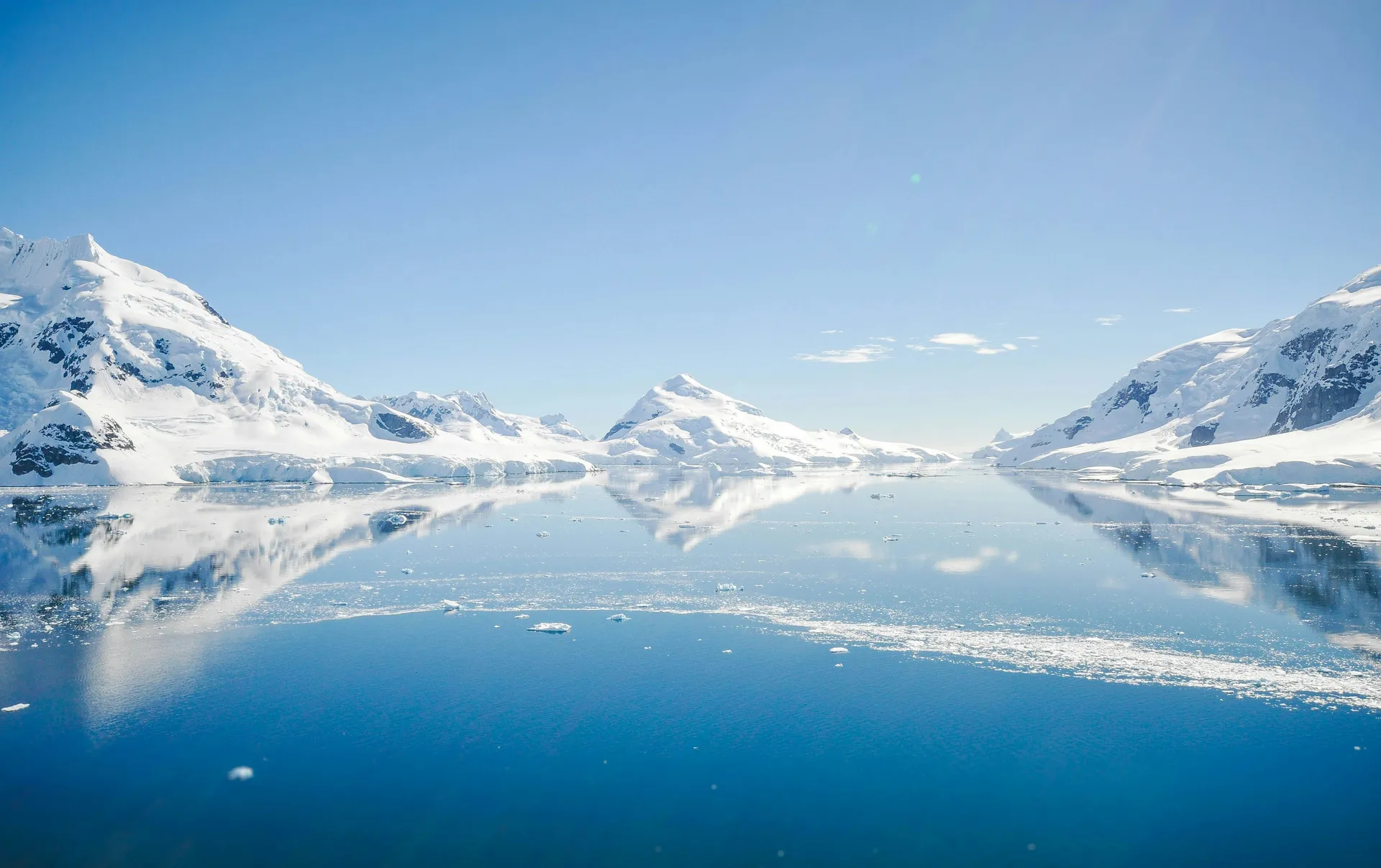
Antarctica is the last great wilderness on earth — a continent of fourteen million square kilometres encased in ice that contains ninety percent of the world's freshwater, where temperatures can plummet below minus eighty degrees Celsius and the wind can reach three hundred kilometres per hour. No nation owns it. No indigenous people have ever called it home. The Antarctic Treaty, signed in 1959 by twelve nations and now adhered to by over fifty, designates the continent as a scientific preserve and bans military activity, mineral mining, and nuclear testing. It is, in the most literal sense, the common heritage of humanity — and visiting it is an experience that recalibrates every assumption about what the natural world can be.
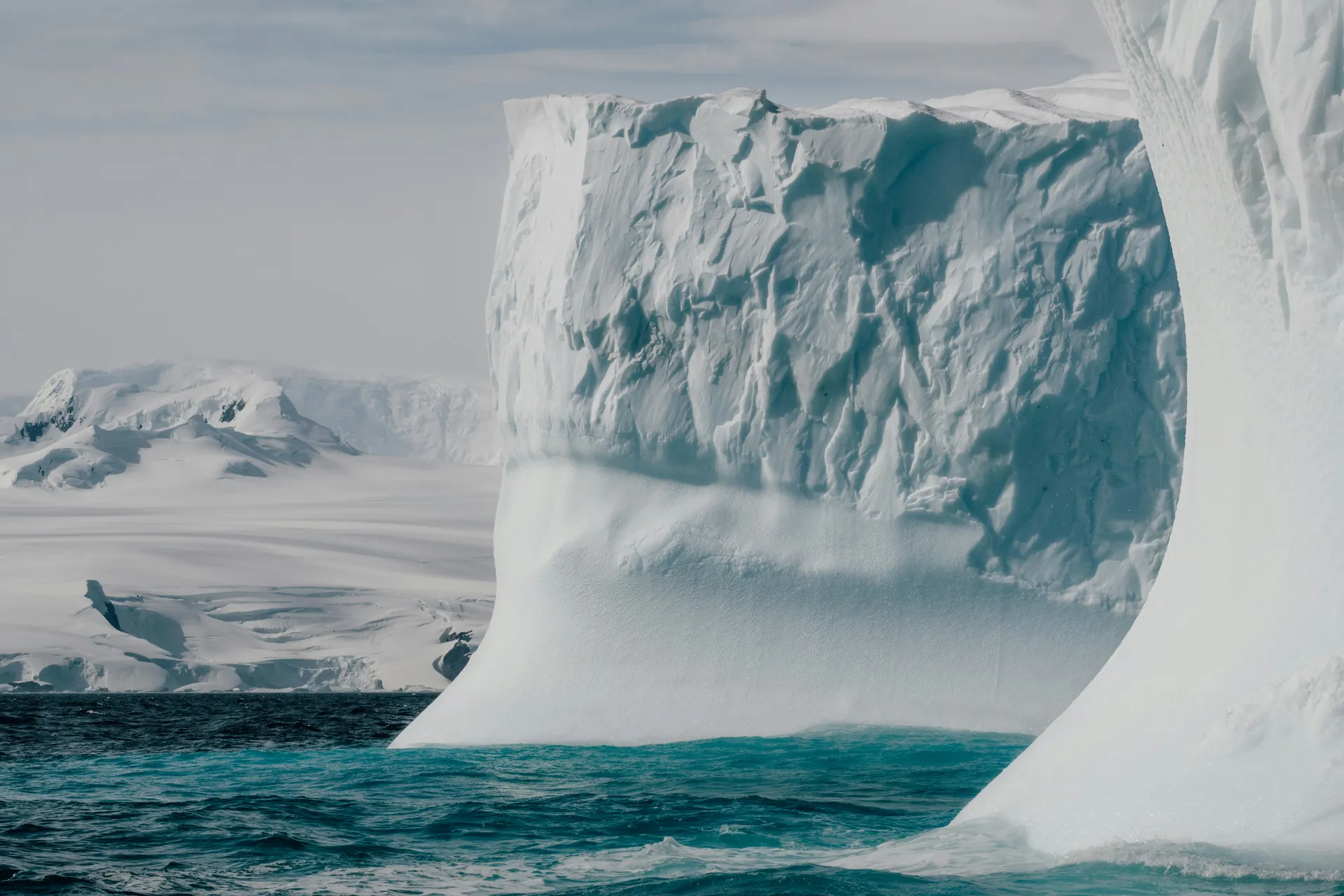
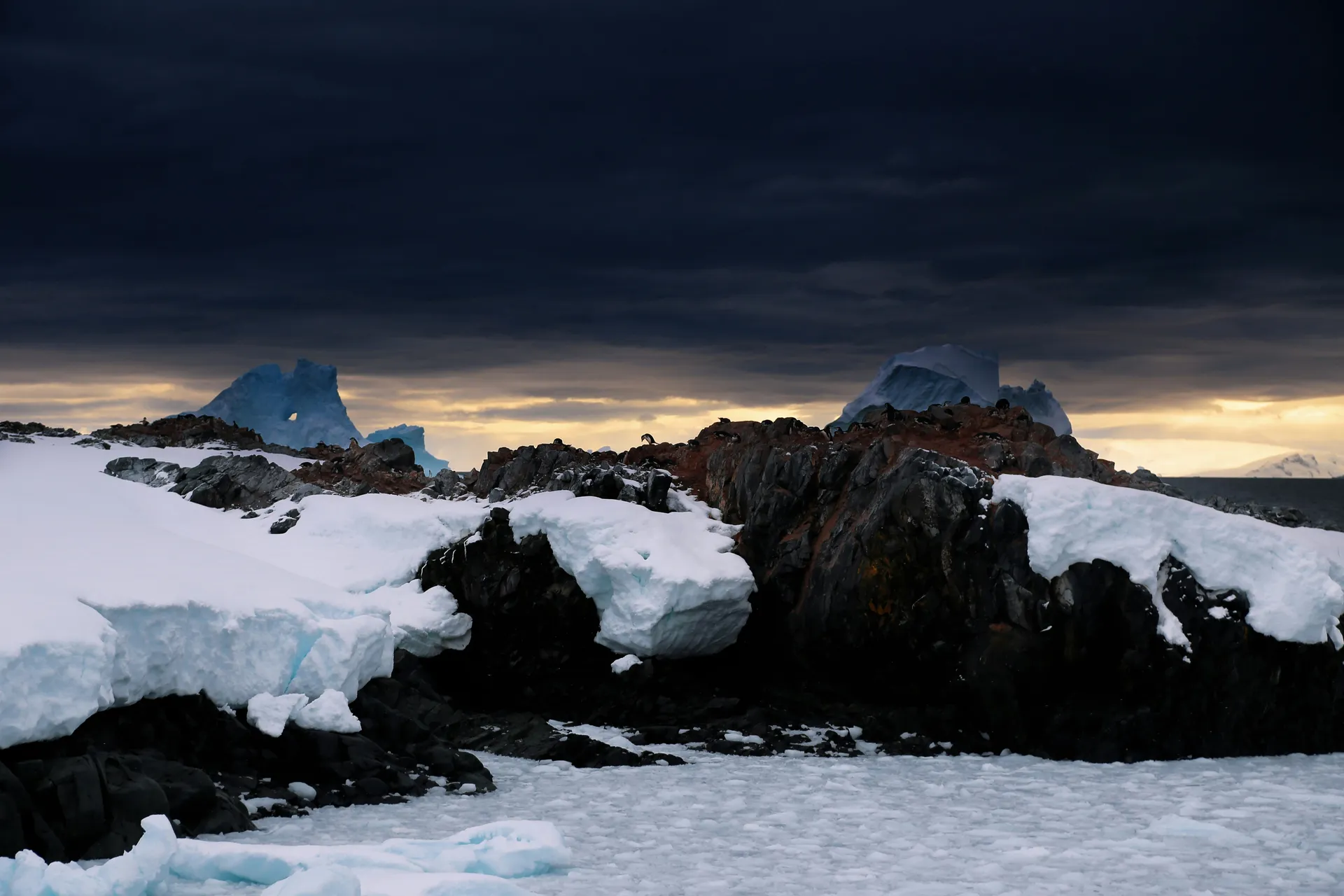
The character of Antarctica is defined by its overwhelming scale and purity. The ice sheet, in places over four thousand metres thick, covers the continent in a mantle of white that extends in every direction beyond the limits of vision. Icebergs the size of small countries break from the ice shelves and drift northward, their shapes — tabular, pinnacled, weathered into arches and tunnels — creating a constantly changing sculpture garden of frozen water. The colours are unlike anything in the inhabited world: the ice glows in shades of blue so intense they seem electrically charged, while the water ranges from the deepest indigo to a milky jade where glacial flour suspends in the currents. In summer, when the sun barely sets, the landscape is lit in a perpetual golden hour that renders every surface luminous.
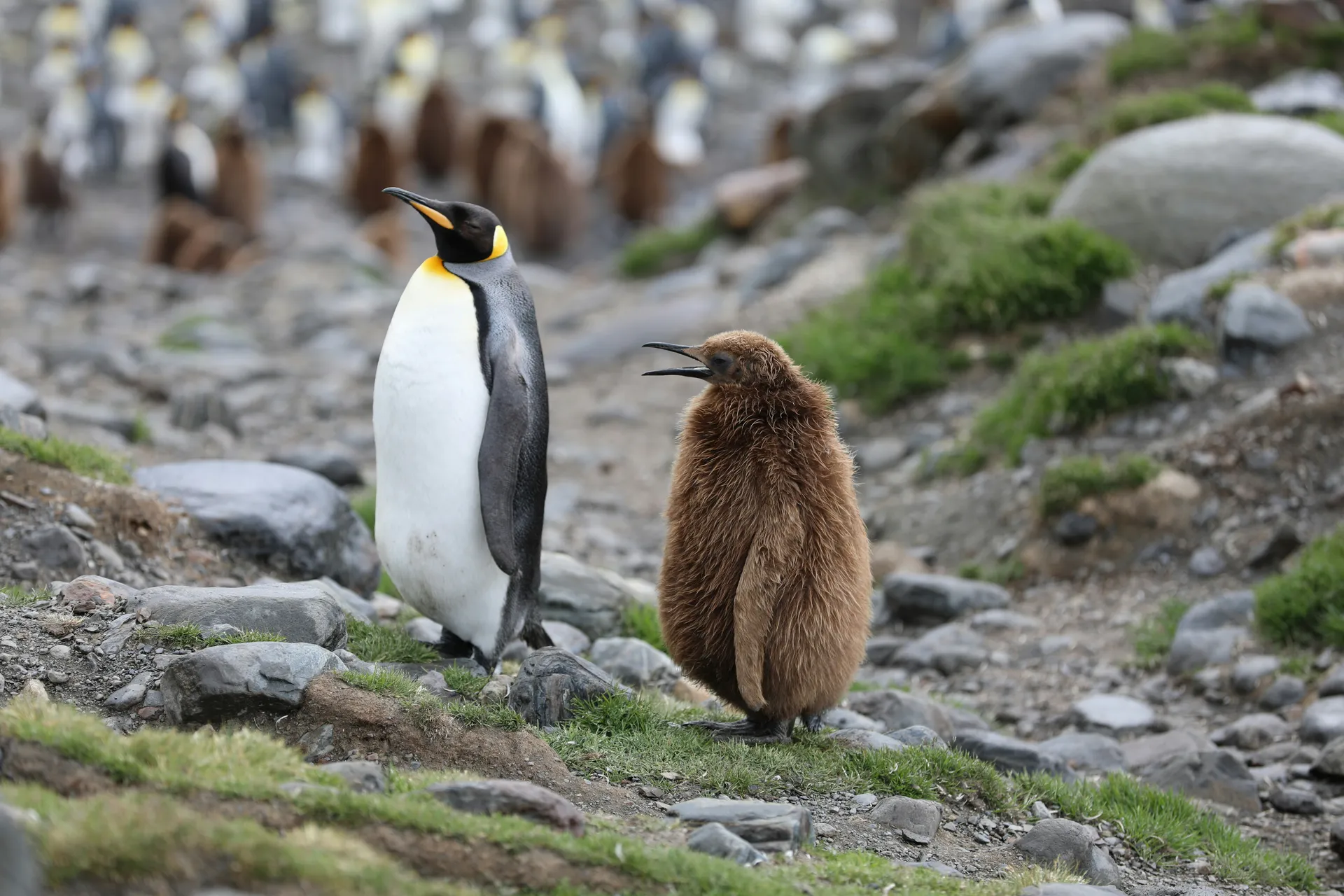
The wildlife of Antarctica is concentrated along the coast and the peninsula, where the marine ecosystem — fuelled by krill in quantities estimated at five hundred million tonnes — supports populations of astonishing density. Penguin colonies numbering in the hundreds of thousands cover entire hillsides with their raucous, malodorous, and endlessly entertaining communities. Chinstrap, gentoo, and Adélie penguins are the most commonly encountered species, each with distinct behaviours and habitats. Humpback whales, minke whales, and orcas feed in the rich Antarctic waters, often approaching expedition vessels close enough to hear their exhalations. Leopard seals — sleek, powerful predators with a reptilian smile — patrol the ice edges, while Weddell seals haul out in sunny spots with an air of contented drowsiness.
The human history of Antarctica, though brief, is dramatic. The heroic age of exploration — Shackleton, Scott, Amundsen, Mawson — produced stories of endurance, ambition, and sacrifice that remain among the most compelling in the annals of human endeavour. Shackleton's rescue of his crew after the loss of the Endurance in 1915 — a journey by open boat across eight hundred miles of the Southern Ocean to South Georgia — is perhaps the greatest survival story ever told. Today, the research stations that dot the continent — McMurdo (US), Rothera (UK), Dumont d'Urville (France), among others — continue the tradition of scientific inquiry, studying climate change, ozone depletion, and the ecosystems that evolved in isolation over millions of years.
Lindblad Expeditions and Scenic Ocean Cruises offer Antarctic voyages that range from peninsula cruises to deep-south expeditions reaching the Ross Sea. All visits are governed by the International Association of Antarctica Tour Operators (IAATO), which limits landing group sizes and enforces strict environmental protocols. The Antarctic season runs from November through March, with each month offering different experiences: November for pristine snow and courting penguins, December and January for the longest days and warmest temperatures, February for whale watching, and March for dramatic sunsets as the austral autumn arrives. Antarctica is the most expensive and logistically challenging destination in world travel — and every person who has been there will tell you it is worth every dollar, every Drake Passage wave, and every minute of the journey.