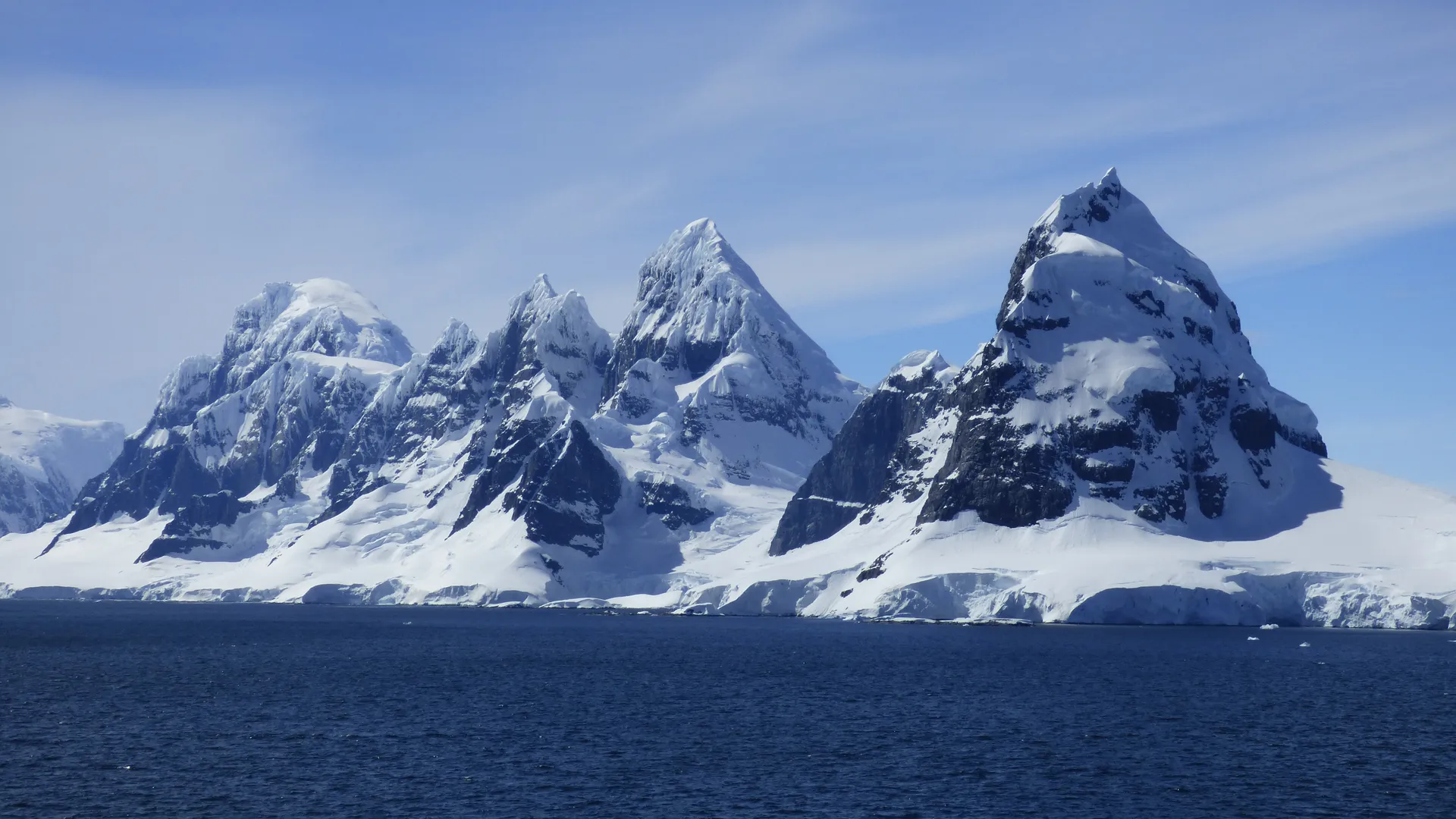
Elephant Island is a mountainous, ice-covered island in the South Shetland Islands group, lying at the northeastern tip of the Antarctic Peninsula — and its name is forever linked to the most celebrated survival story in the history of polar exploration. It was here, in April 1916, that Ernest Shackleton's twenty-two men made landfall after their ship Endurance was crushed by pack ice in the Weddell Sea, spending five months drifting on ice floes and making a desperate open-boat journey through the Southern Ocean. The men camped on a narrow shingle spit at Point Wild — named for Frank Wild, Shackleton's second-in-command, who kept the party alive for four and a half months while Shackleton sailed 1,300 kilometers in a lifeboat to South Georgia to seek rescue. All twenty-two men survived — a feat of leadership, endurance, and collective determination that remains unmatched in the annals of exploration.
The island itself is a fortress of ice and rock, approximately forty-seven kilometers long and rising to 850 meters at its highest point. Glaciers descend from the central highlands to the sea on all sides, and the coastline — a succession of ice cliffs, rocky headlands, and narrow gravel beaches — offers few sheltered landing spots. Point Wild, on the island's northern coast, is the most visited site — a small spit of gravel beneath towering cliffs where a bust of Captain Luis Pardo (the Chilean naval officer who eventually rescued the men) stands as a memorial. The original campsite, where Wild's party sheltered under two overturned lifeboats and sustained themselves on penguin meat, seal blubber, and seaweed, is barely large enough to accommodate the twenty-two men who lived here — the scale of their privation becomes viscerally clear when you stand on the site and contemplate the conditions they endured.
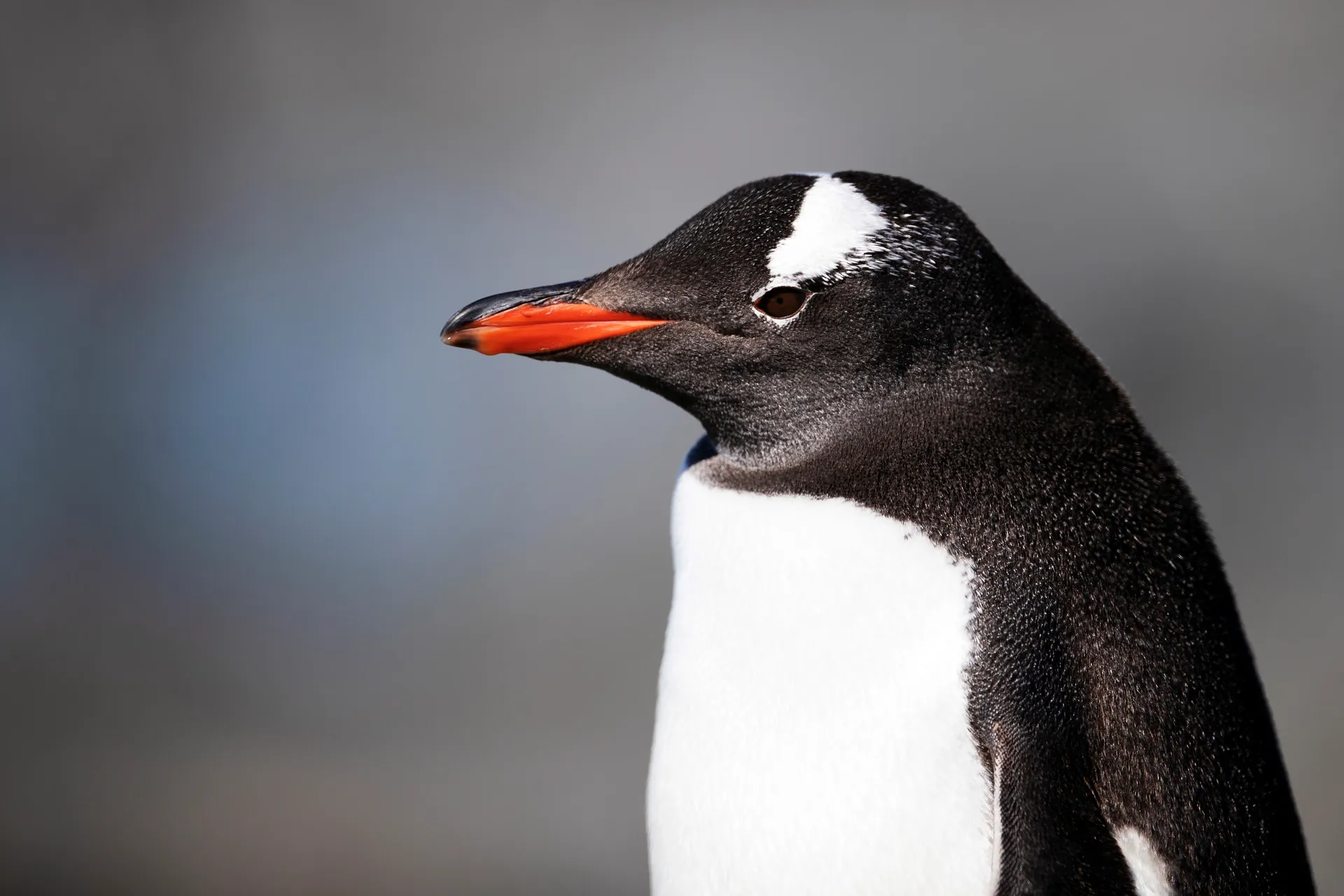
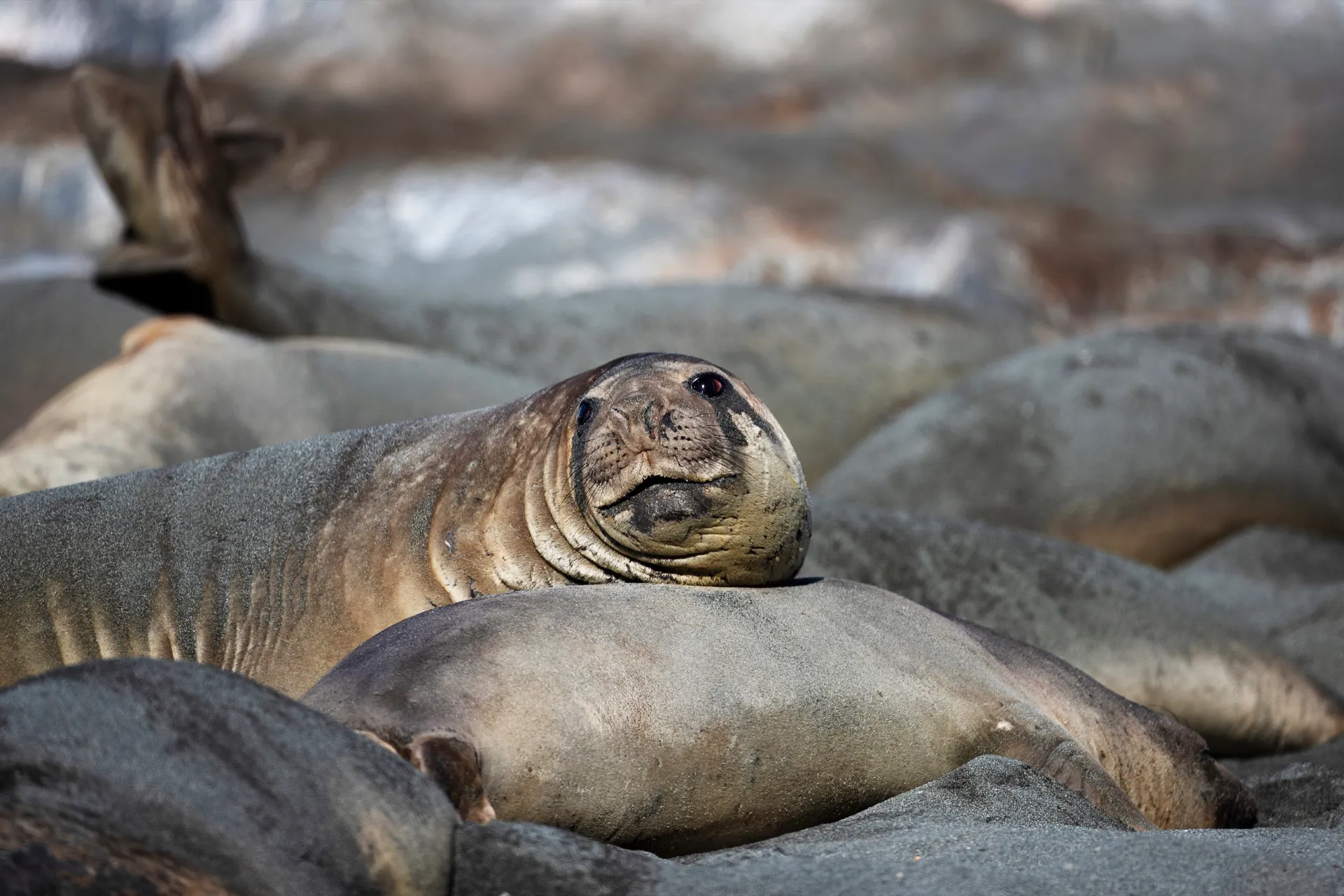
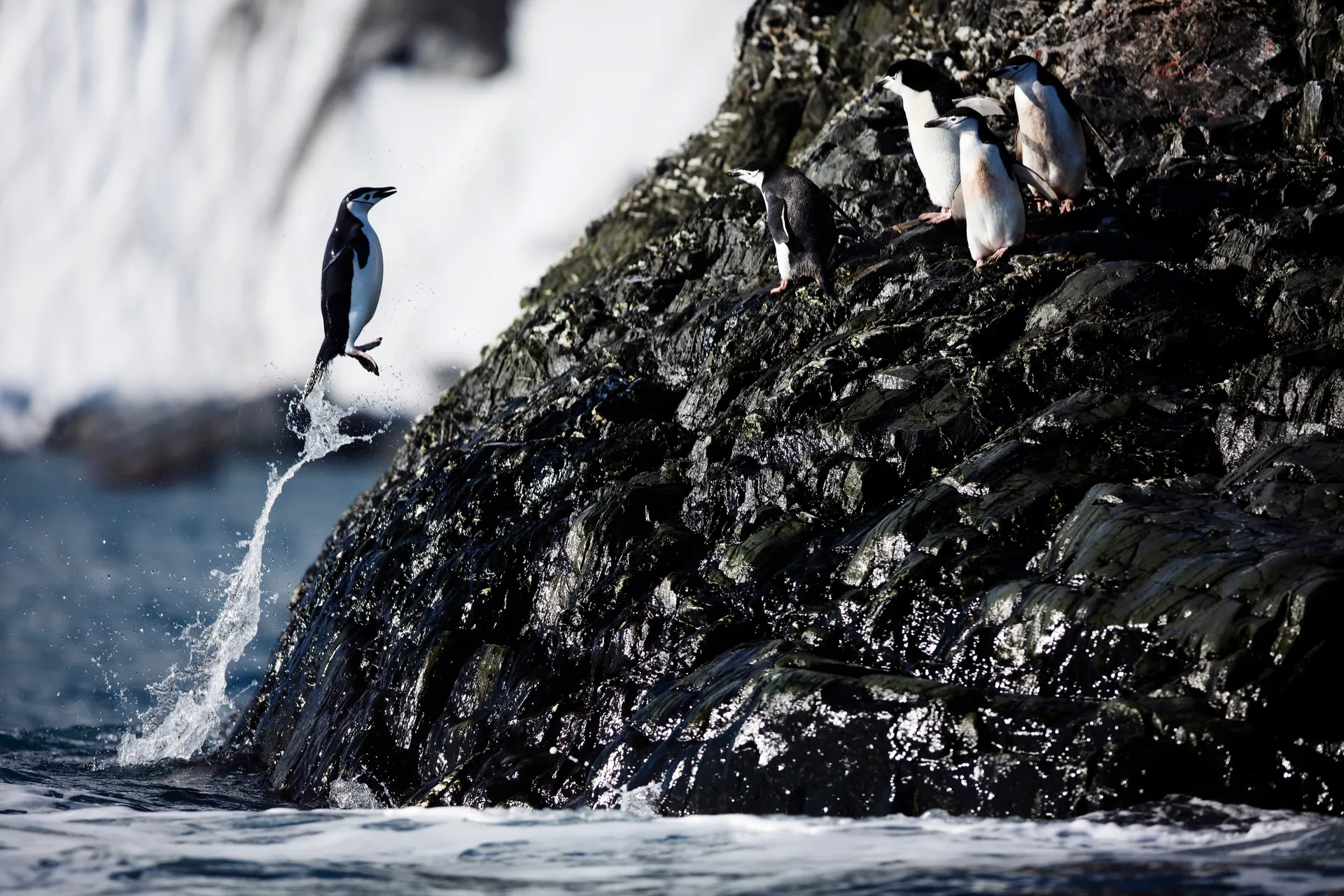
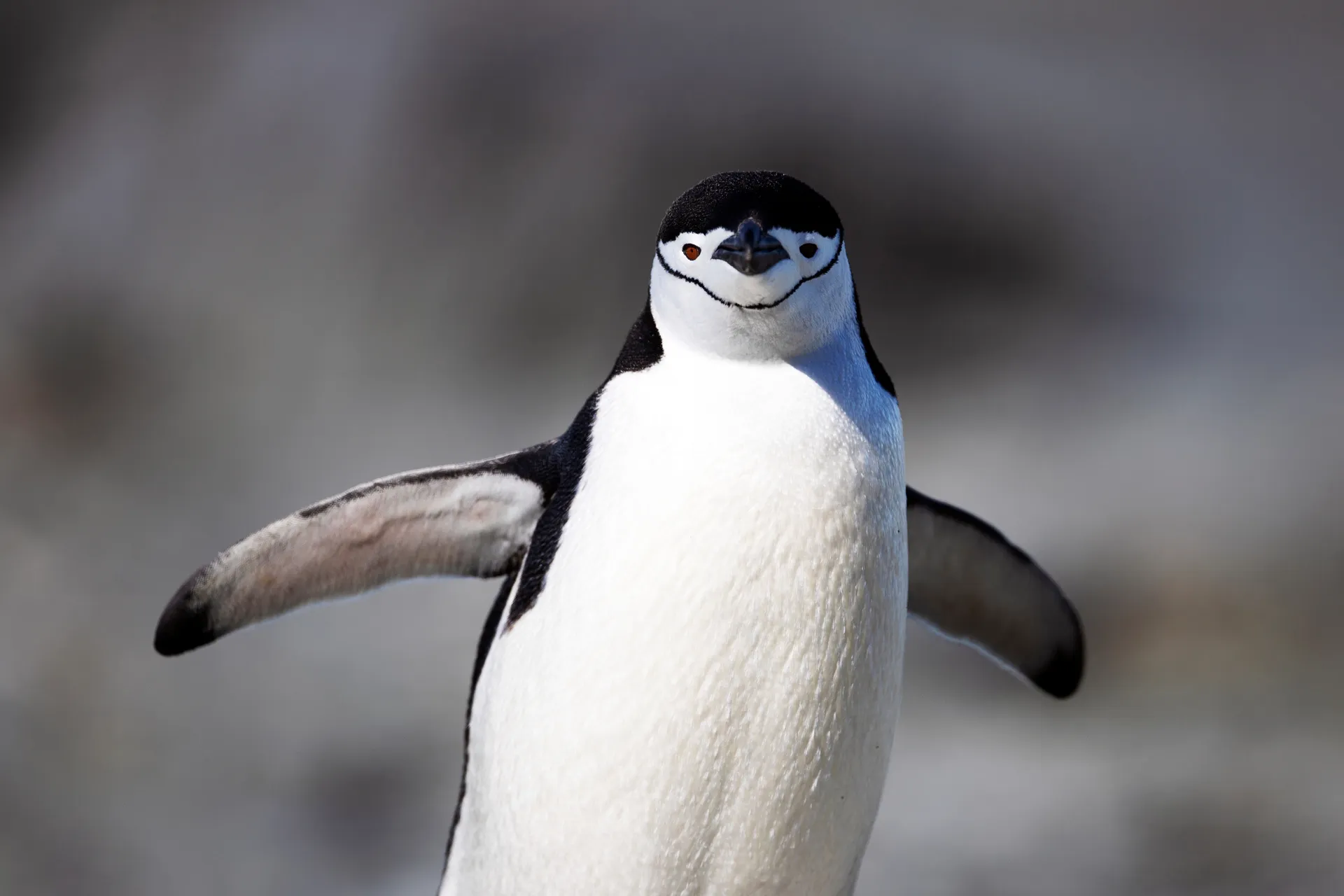
The wildlife of Elephant Island reflects its position at the productive convergence of Antarctic and sub-Antarctic waters. Chinstrap penguins, the most abundant species, breed in large colonies on the island's rocky slopes — their numbers estimated at over 100,000 breeding pairs, making Elephant Island one of the most important chinstrap breeding sites in the Antarctic. Macaroni penguins, distinguished by their golden head crests, also breed here, and elephant seals — the enormous, blubbery marine mammals for which the island may have been named — haul out on the beaches in their hundreds during the breeding season. Leopard seals patrol the waters offshore, and humpback whales, feeding on the krill concentrations that sustain the entire Antarctic food web, are frequently observed from ships approaching the island.
The approach to Elephant Island by expedition cruise ship is itself a dramatic experience. The island lies at the edge of the Drake Passage, the body of water between South America and Antarctica that is regarded as the roughest regular sea crossing on Earth. The seas around the island can be ferocious, and weather conditions — fog, snow, and gale-force winds — can prevent landings for days at a time. When conditions do permit a close approach, the ship navigates slowly past Point Wild, allowing passengers to view the memorial and the campsite from the deck. Zodiac landings are rare and weather-dependent — when they do occur, the experience of standing on the gravel where Shackleton's men survived is one of the most emotionally powerful moments in Antarctic travel.
Elephant Island is included on some Antarctic Peninsula expedition cruise itineraries, though it is not a standard stop due to its exposed location and the difficulty of landing. Itineraries that include Elephant Island typically depart from Ushuaia, Argentina, and last twelve to twenty days. The austral summer season (November–March) is the only period when approaches are possible, with January and February offering the longest daylight and warmest temperatures (still below 5°C). The island's remoteness, its wildlife, and its place in the Shackleton story combine to make it one of the most emotionally resonant destinations in Antarctica — a place where the limits of human endurance were tested and, against all probability, found sufficient.