Gerlache Strait: Antarctica's Most Magnificent Passage
The Gerlache Strait is the grand corridor of the Antarctic Peninsula — a seventy-five-mile channel of dark, iceberg-filled water separating the mountainous peninsula from the islands of the Palmer Archipelago. It was first navigated in 1898 by the Belgian Antarctic Expedition aboard the Belgica, commanded by Adrien de Gerlache, and the crew included a young Roald Amundsen, who would later become the first man to reach the South Pole. The expedition was the first to winter south of the Antarctic Circle — unintentionally, after their ship became trapped in pack ice — and the strait that bears de Gerlache's name has since become one of the most traversed waterways in Antarctic exploration, valued for its relative shelter, its wildlife concentration, and its staggering visual drama.
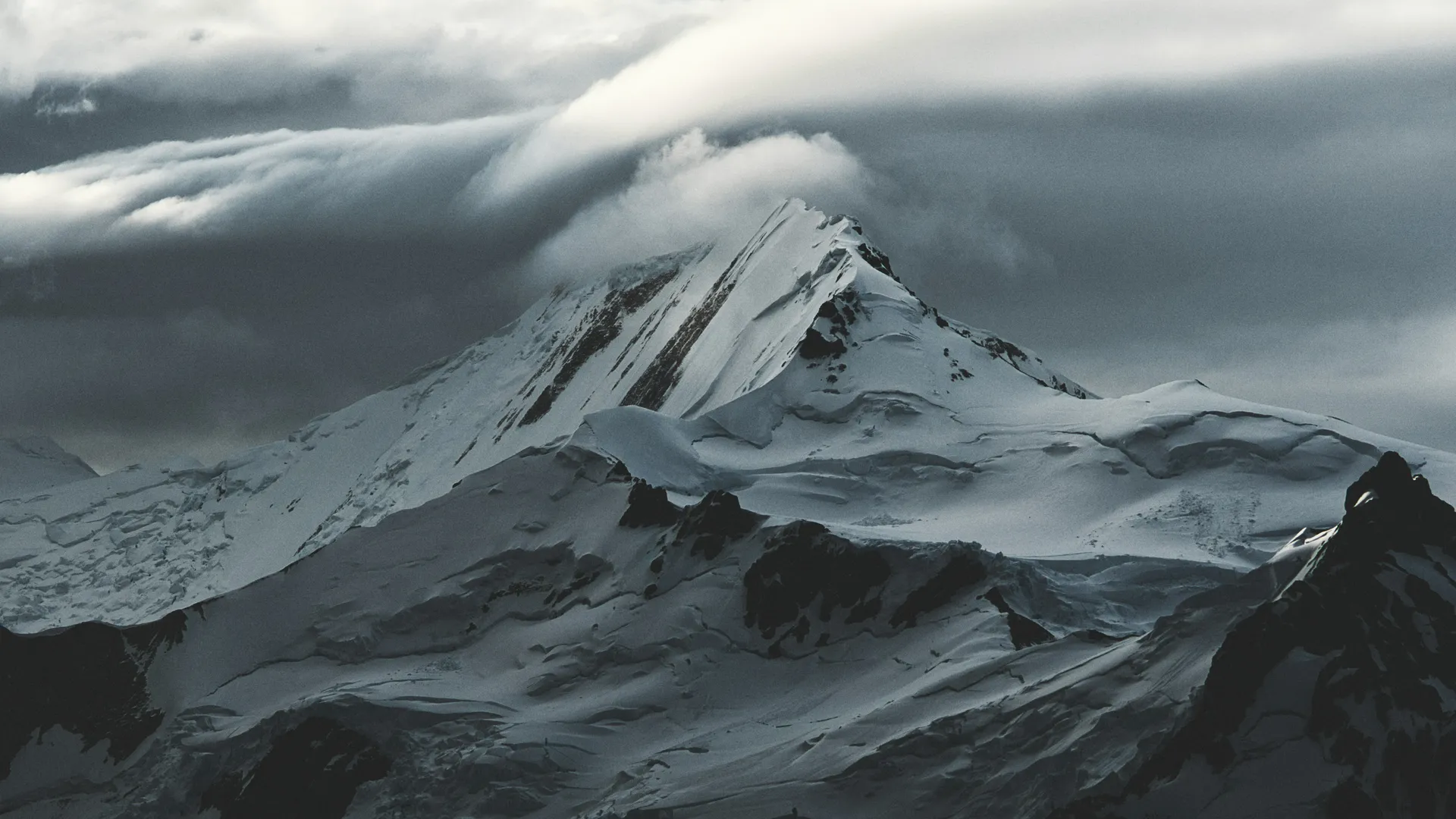
The character of the Gerlache Strait is defined by scale and silence. The mountains of the Antarctic Peninsula rise directly from the water on the eastern side, their flanks armoured in glacial ice that calves into the strait with irregular, thunderous reports. Tabular icebergs — flat-topped monuments of frozen freshwater that may have broken from the ice shelves hundreds of kilometres to the south — drift through the channel, their submerged portions glowing an almost electric blue beneath the waterline. On calm days, the water achieves a mirror-like stillness that reflects the mountains and clouds with such fidelity that the distinction between real and reflected landscapes dissolves entirely. The silence, when the ship's engines are cut, is profound — broken only by the breathing of surfacing whales, the distant groaning of glacial ice, and the cries of petrels circling overhead.
The wildlife of the Gerlache Strait is extraordinary in both density and diversity. Humpback whales are the dominant cetaceans, often observed in bubble-net feeding groups that drive krill to the surface in coordinated spirals — one of the most complex feeding behaviours in the animal kingdom. Minke whales surface between icebergs with their distinctive arched backs. Orcas patrol the channel in pods, their tall dorsal fins cutting through the water with predatory purpose. Crabeater, Weddell, and leopard seals haul out on ice floes, and the leopard seal — with its reptilian smile and formidable size — is the apex predator of these waters. Gentoo and chinstrap penguins nest on the islands that line the strait, their colonies filling the air with a constant, companionable cacophony.
The Gerlache Strait serves as a natural highway connecting the major landing sites of the Antarctic Peninsula. Cuverville Island, located within the strait, hosts one of the largest gentoo penguin colonies on the peninsula — a raucous, energetic community where chick-rearing season transforms the island into a nursery of comical proportions. Neko Harbour, accessible from the southern end of the strait, offers one of the few opportunities to step onto the Antarctic continent itself, as opposed to its offshore islands. Paradise Bay, just beyond the strait's southern entrance, justifies its name with a panorama of glaciers, mountains, and icebergs that constitutes one of the most beautiful views on earth.
HX Expeditions navigates the Gerlache Strait as a central element of its Antarctic Peninsula voyages, typically spending multiple days within and around the strait to maximise wildlife encounters and landing opportunities. The expedition experience is enhanced by Zodiac cruising among the icebergs — small inflatable boats that bring passengers within metres of whales, seals, and penguins in their natural habitat. For travellers who have long dreamed of Antarctica, the Gerlache Strait delivers the continent at its most theatrical and most humbling — a landscape of such purity and power that it challenges every preconception about what the natural world can be. The Antarctic season runs from November through March, with December and January offering the longest days and most reliable landing conditions.

