Where the map surrenders to white space and the compass needle trembles with indecision, King George Island emerges from the Southern Ocean like a cathedral of ice and basalt. First sighted by British merchant captain William Smith in February 1819 during an unplanned detour south of Cape Horn, the island was formally claimed and named for King George III by Edward Bransfield the following year, inaugurating humanity's fraught, fascinating relationship with the Antarctic Peninsula. It remains the most accessible gateway to the white continent — a place where thirteen nations maintain year-round research stations, and where the austral summer transforms forbidding glacial shores into a theatre of astonishing life.
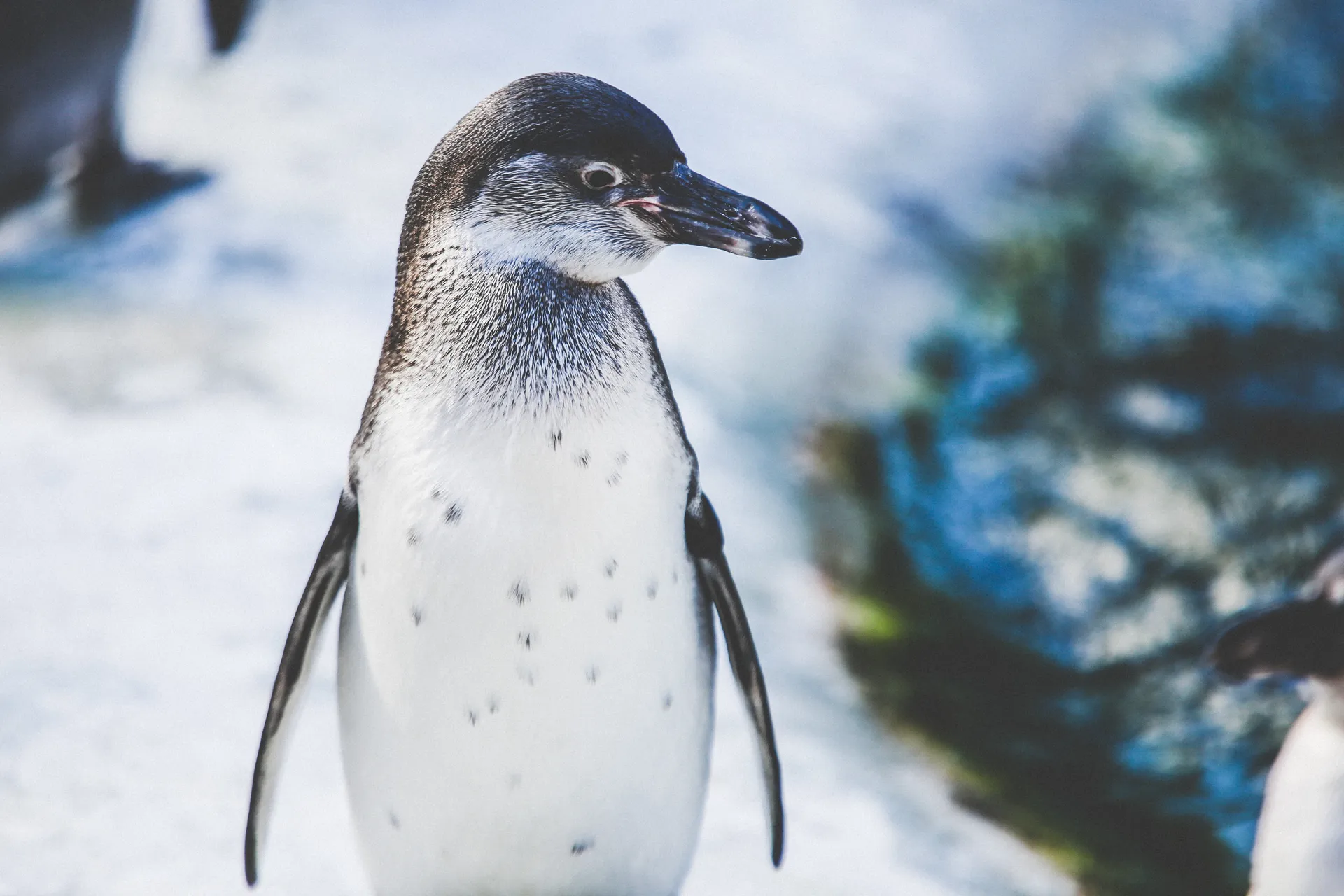
The island's character defies every expectation of polar desolation. On the Fildes Peninsula, Chile's Presidente Eduardo Frei Montalva Station and the adjacent Villa Las Estrellas settlement constitute one of Antarctica's only civilian communities, complete with a primary school, a post office from which you may send postcards stamped with the continent's most coveted postmark, and a modest chapel whose wooden cross stands silhouetted against perpetual twilight skies. Nearby, Poland's Henryk Arctowski Station sits within a protected area of extraordinary ecological richness, where Adélie and chinstrap penguin colonies carpet the volcanic scree in a raucous, ceaselessly animated mosaic. The air carries the mineral sharpness of glacial melt, the iodine tang of kelp beds, and the unmistakable musk of elephant seals dozing on black-sand beaches — a sensory landscape unlike anything the inhabited world can offer.
Cuisine in the traditional sense does not exist at the bottom of the world, and that absence is itself a revelation. Expedition vessels serving King George Island have elevated Antarctic dining into an art form — Silversea's galley teams, for instance, prepare refined interpretations of Patagonian lamb asado and centolla crab alongside delicate ceviches that honour the Chilean and Argentine provisioning routes supplying the region. At the research stations, communal meals carry their own austere romance: hearty caldillo de congrio — the Chilean fish stew immortalised by Pablo Neruda — thick empanadas de pino, and Russian borscht ladled from enormous pots at Bellingshausen Station, where visiting travellers are occasionally welcomed with vodka toasts and warm bread in a mess hall decorated with hand-painted murals of the Motherland.
King George Island also serves as the staging ground for deeper Antarctic exploration. Zodiac excursions probe the surrounding waters toward the ethereal blue-ice formations of nearby bays, while expeditions further south reach Pourquoi Pas Island, named for Jean-Baptiste Charcot's legendary vessel, and the sweeping grandeur of Marguerite Bay, where humpback whales breach against a backdrop of continental ice shelf. For those whose itineraries extend to the Ross Sea, Cape Royds on Ross Island awaits with Ernest Shackleton's preserved 1908 Nimrod expedition hut — provisions still lining the shelves — and the southernmost Adélie penguin colony on Earth. Each destination deepens the narrative of human audacity against an indifferent, magnificent wilderness.
Reaching King George Island requires surrendering to the Drake Passage, that notorious strait between South America's tip and the Antarctic Peninsula where the Pacific, Atlantic, and Southern oceans collide in forty-foot swells — or, for those who prefer composure over conquest, a charter flight from Punta Arenas to the island's gravel airstrip, bypassing the crossing entirely. Silversea's Antarctic expeditions represent the pinnacle of this journey, deploying ice-strengthened vessels with butler-serviced suites, onboard expedition teams of glaciologists and marine biologists, and Zodiac landings choreographed with the precision of a ballet company. The season runs from late November through early March, when temperatures hover near freezing, daylight stretches past twenty hours, and the peninsula's wildlife is at its most dramatically, defiantly alive.
What lingers after King George Island is not a single image but a shifted calibre of wonder — the realisation that beauty at the edge of the world operates by different rules, that silence can be louder than any city, and that the planet's last true wilderness remains, against all odds, magnificently itself.

