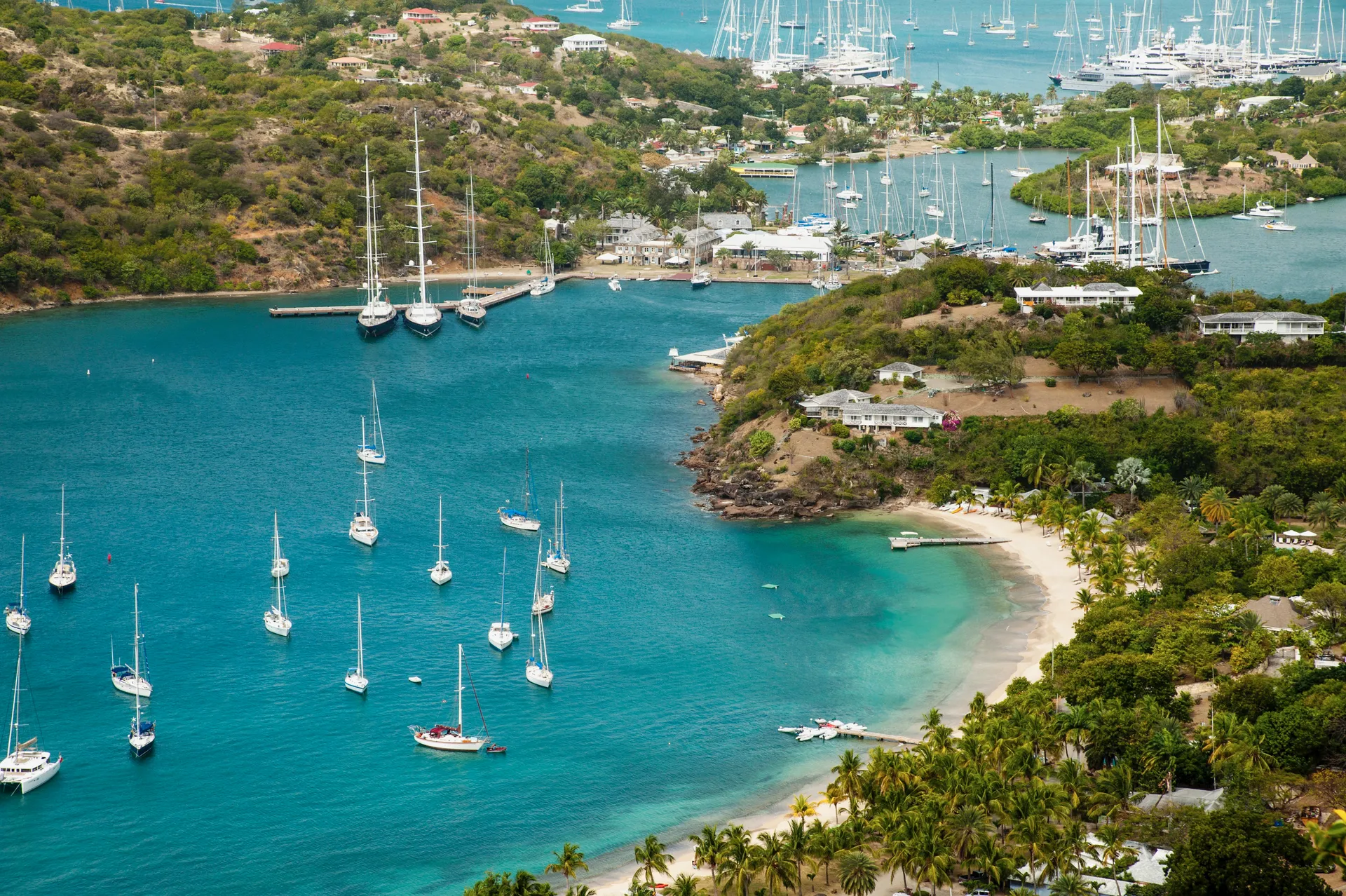
Antigua's capital, St. John's, occupies a natural harbor on the island's northwestern coast that has served as a strategic anchorage since English settlers established a permanent colony here in 1632. The island's history is inseparable from sugar and slavery: at its peak in the eighteenth century, Antigua supported over one hundred sugar plantations worked by enslaved Africans, and when emancipation came in 1834, Antigua became the only Caribbean colony to grant full freedom immediately rather than impose an "apprenticeship" transition period. Nelson's Dockyard in English Harbour, the only continuously working Georgian dockyard in the world, stands as a UNESCO World Heritage Site and testament to Antigua's importance as a naval base during the era of sail.
St. John's itself is a city of cheerful contrasts. Brightly painted wooden buildings climb the hillsides above the harbor, their gingerbread trim and louvered shutters speaking of a creole architectural tradition. The Cathedral of St. John the Divine, its twin baroque towers visible from across the harbor, has been rebuilt twice after earthquakes and remains the city's defining landmark. Heritage Quay and Redcliffe Quay, the two waterfront shopping districts, offer duty-free luxury goods alongside local artisan crafts, rum shops, and galleries displaying Caribbean art. The public market on the south side of town brims with tropical produce, fresh fish, and the intoxicating scent of local spices.
Antiguan cuisine reflects its African, British, and Caribbean heritage. The national dish, fungie and pepperpot, pairs a cornmeal polenta-like side with a rich stew of salted meats, okra, eggplant, and squash simmered in coconut milk. Ducana — sweet potato dumplings wrapped in banana leaves — are a beloved accompaniment. Grilled lobster, freshly caught from the island's reef-rich waters, arrives at beachfront restaurants with garlic butter and a squeeze of lime. For street food, seek out doubles — curried chickpeas sandwiched between two pieces of fried flatbread — at the morning vendors near the West Bus Station. Local rum punches, mixed with Cavalier Antiguan Rum and fresh tropical juices, are practically mandatory.
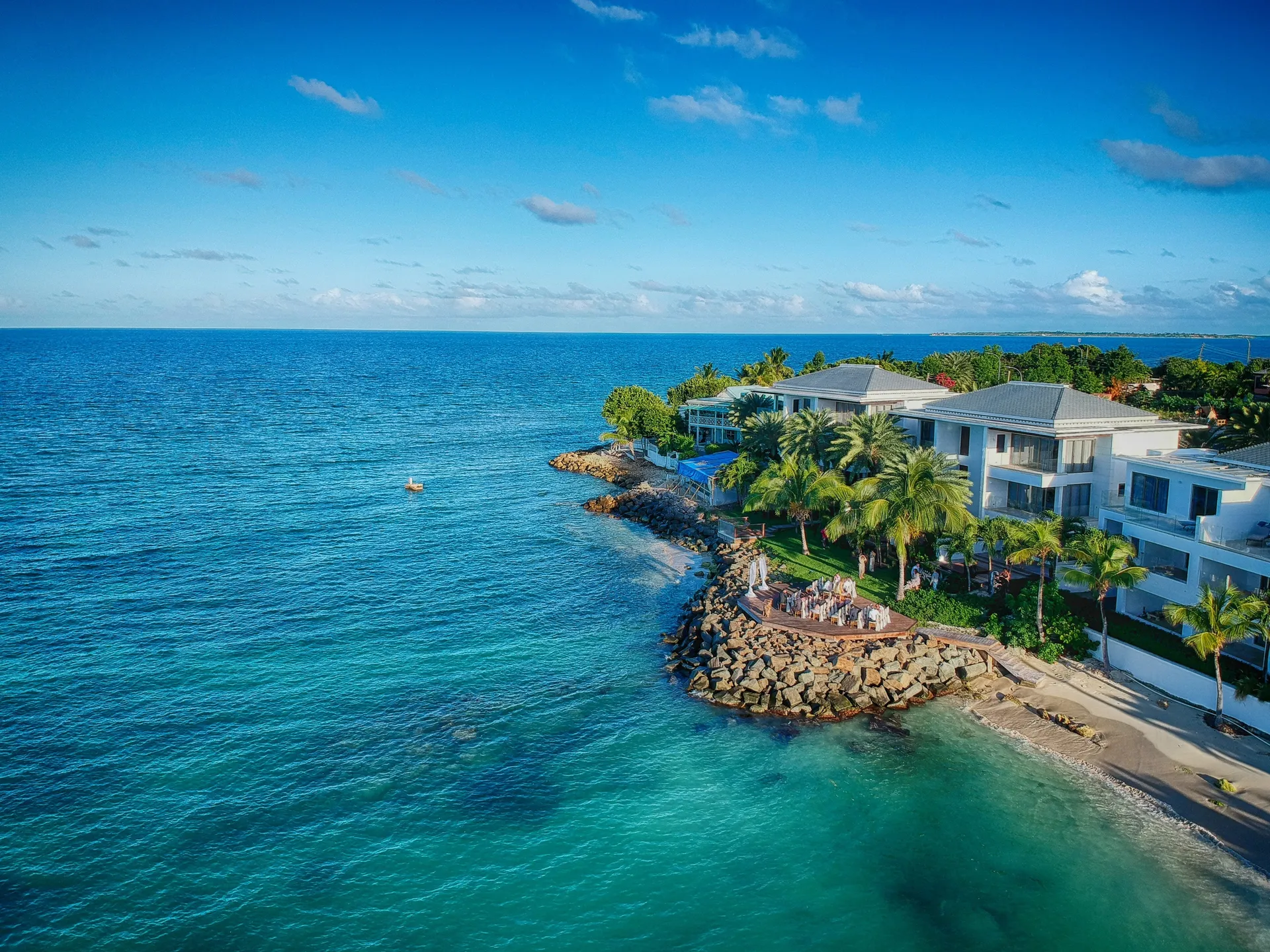
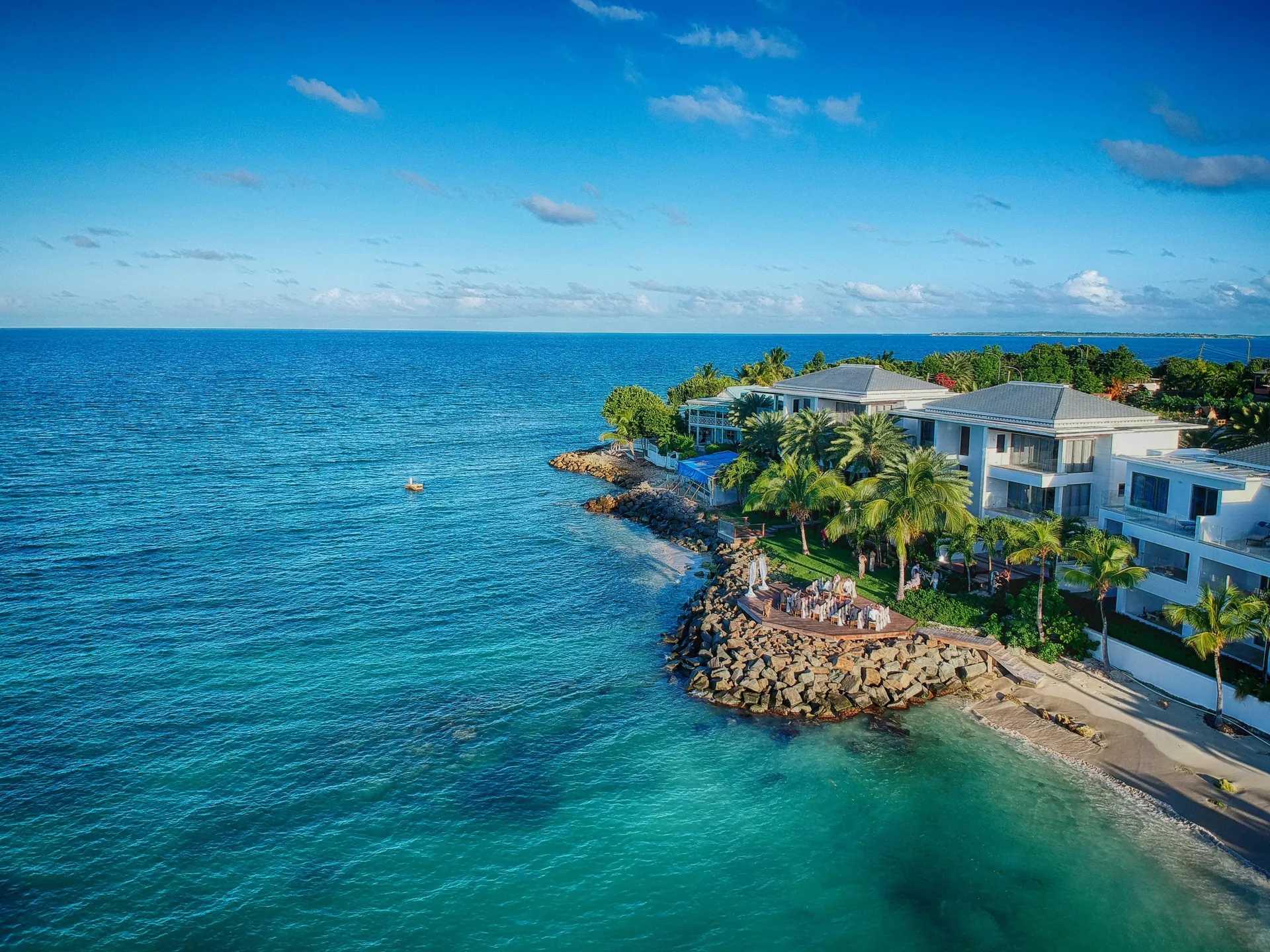
Antigua boasts 365 beaches — one for every day of the year, locals proudly claim. Half Moon Bay, on the island's Atlantic-facing eastern coast, is a crescent of pink-tinged sand framed by rocky headlands, perfect for body surfing. Darkwood Beach on the calm Caribbean side offers snorkeling among parrotfish and sea fans. A full-day excursion to Nelson's Dockyard and Shirley Heights, where a hilltop lookout provides sweeping views of English Harbour, is essential — particularly on Sunday afternoons when a steel-band barbecue party draws locals and visitors alike. The Stingray City experience in the island's northeast allows swimming with southern stingrays in waist-deep water.
St. John's is one of the Caribbean's premier cruise destinations, welcoming an extraordinary range of lines. Silversea, Seabourn, Crystal Cruises, Regent Seven Seas Cruises, Explora Journeys, Ponant, Hapag-Lloyd Cruises, and Windstar Cruises deliver luxury experiences. Azamara, Cunard, Holland America Line, Oceania Cruises, Princess Cruises, and Viking provide premium-tier voyaging. Mainstream favorites including Royal Caribbean, Norwegian Cruise Line, Carnival Cruise Line, Celebrity Cruises, MSC Cruises, Disney Cruise Line, and P&O Cruises ensure broad accessibility. Star Clippers, Emerald Yacht Cruises, Ambassador Cruise Line, Fred Olsen Cruise Lines, Marella Cruises, TUI Cruises Mein Schiff, Scenic Ocean Cruises, Virgin Voyages, and AIDA complete the remarkable roster. Peak season runs November through April, when trade winds keep temperatures pleasantly warm and rainfall minimal.