El Calafate: Gateway to Patagonia's Kingdom of Ice
El Calafate derives its name from a small berry bush — the calafate, whose purple fruit grows wild across the Patagonian steppe — and from a local saying that whoever eats the calafate berry will always return to Patagonia. Whether this represents botanical fact or marketing genius is debatable, but the sentiment captures something true about this small Argentine city perched on the southern shore of Lago Argentino: it is a place that imprints itself on memory with unusual permanence. The reason is simple and spectacular — El Calafate serves as the gateway to Los Glaciares National Park, home to the Perito Moreno Glacier and some of the most extraordinary ice landscapes accessible anywhere on Earth.
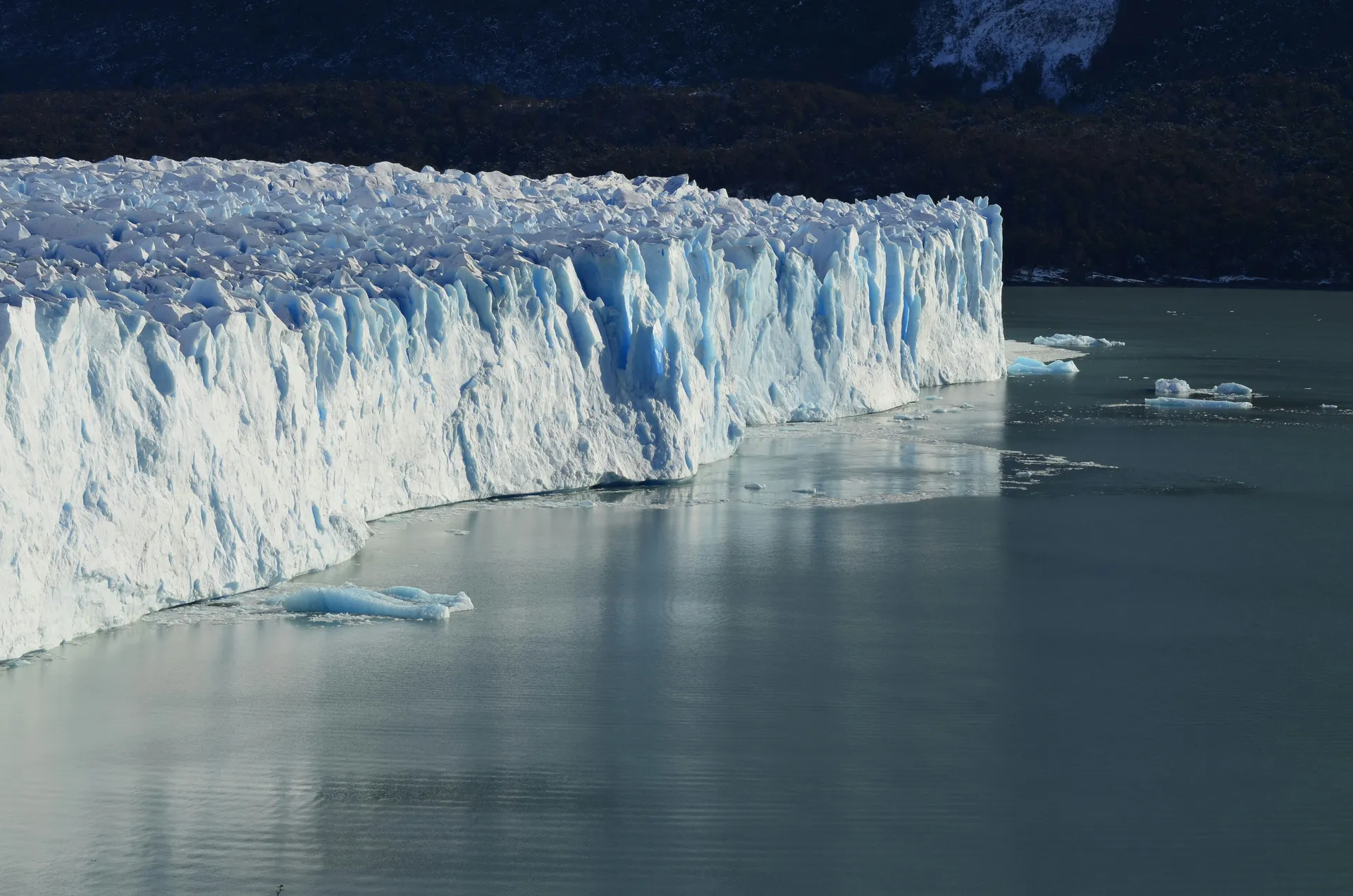
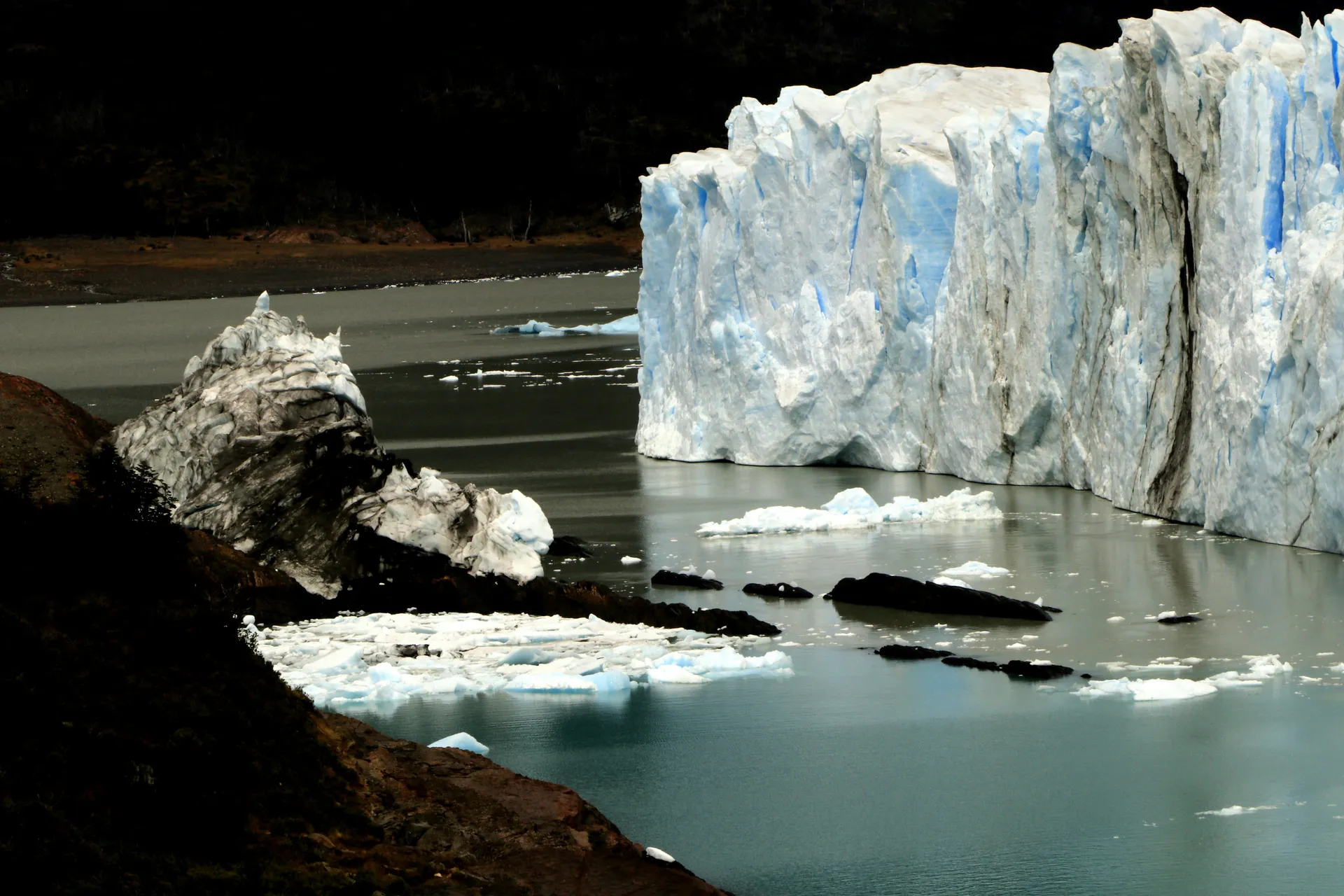
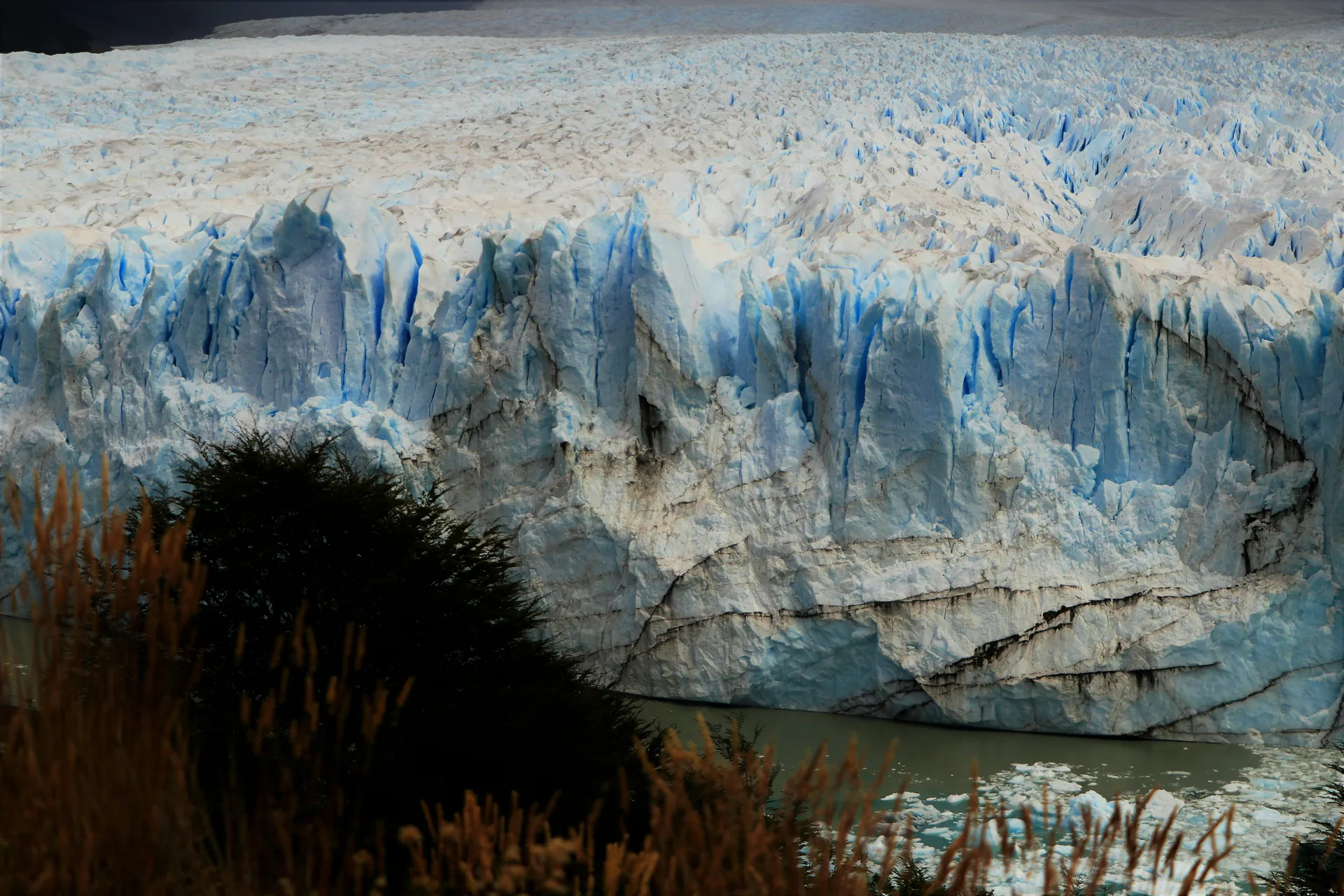
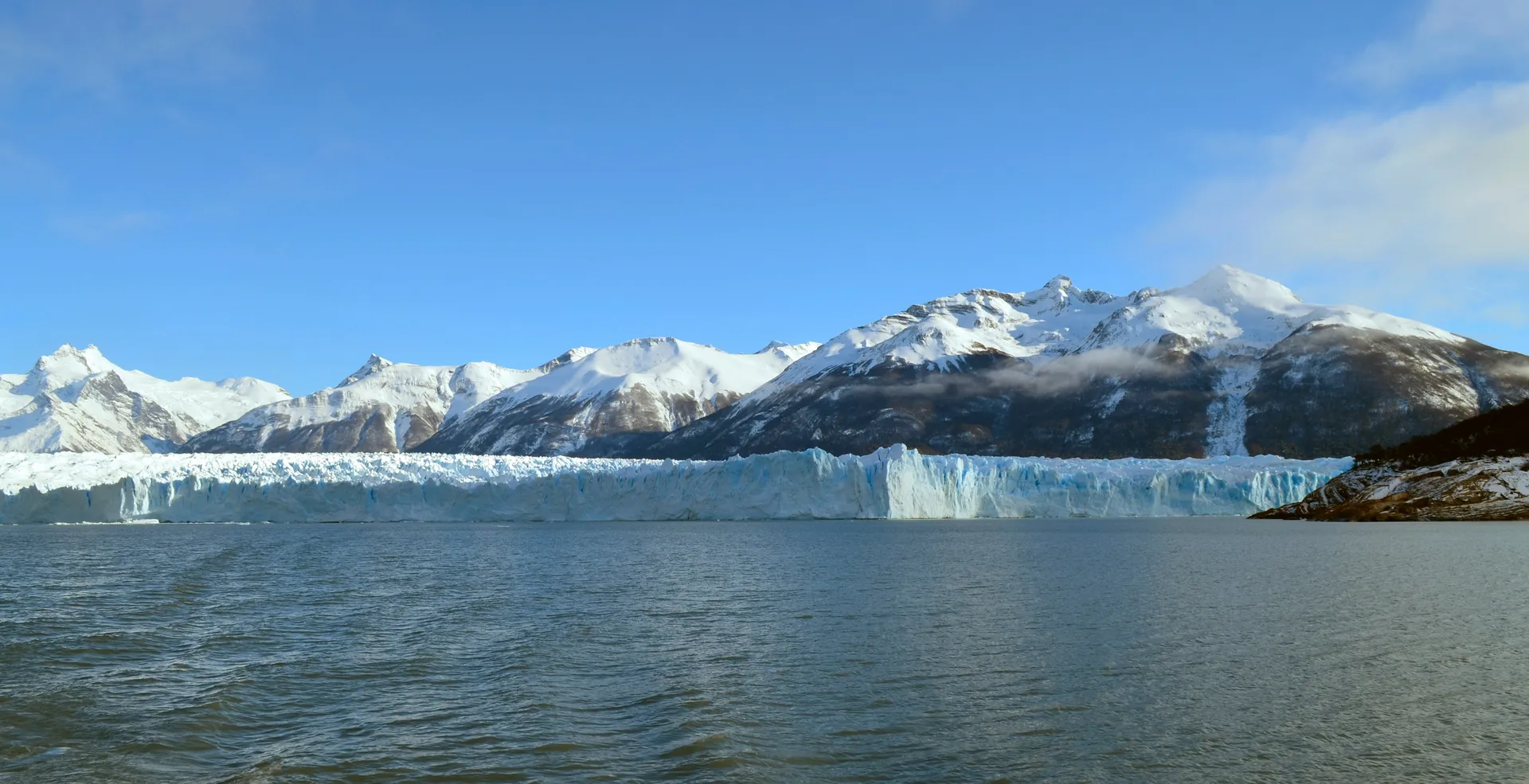
The Perito Moreno Glacier is not merely a glacier; it is an argument against complacency about the natural world. Five kilometres wide at its face, sixty metres tall above the waterline, and approximately thirty kilometres long from its source in the Southern Patagonian Ice Field, Perito Moreno is one of the very few major glaciers worldwide that is not retreating. This stability — the glacier advances at approximately two metres per day, roughly balancing the ice lost to calving — means that its face maintains a magnificence that many of the world's glaciers possessed before climate change began to diminish them. The calving events are the glacier's signature performance: house-sized blocks of ice separate from the face with a crack that sounds like cannon fire, plunging into the milky turquoise waters of the Canal de los Tempanos in slow motion before erupting back to the surface in a chaos of spray and displaced water. These events occur every few minutes on active days, each one unique in its geometry and scale.
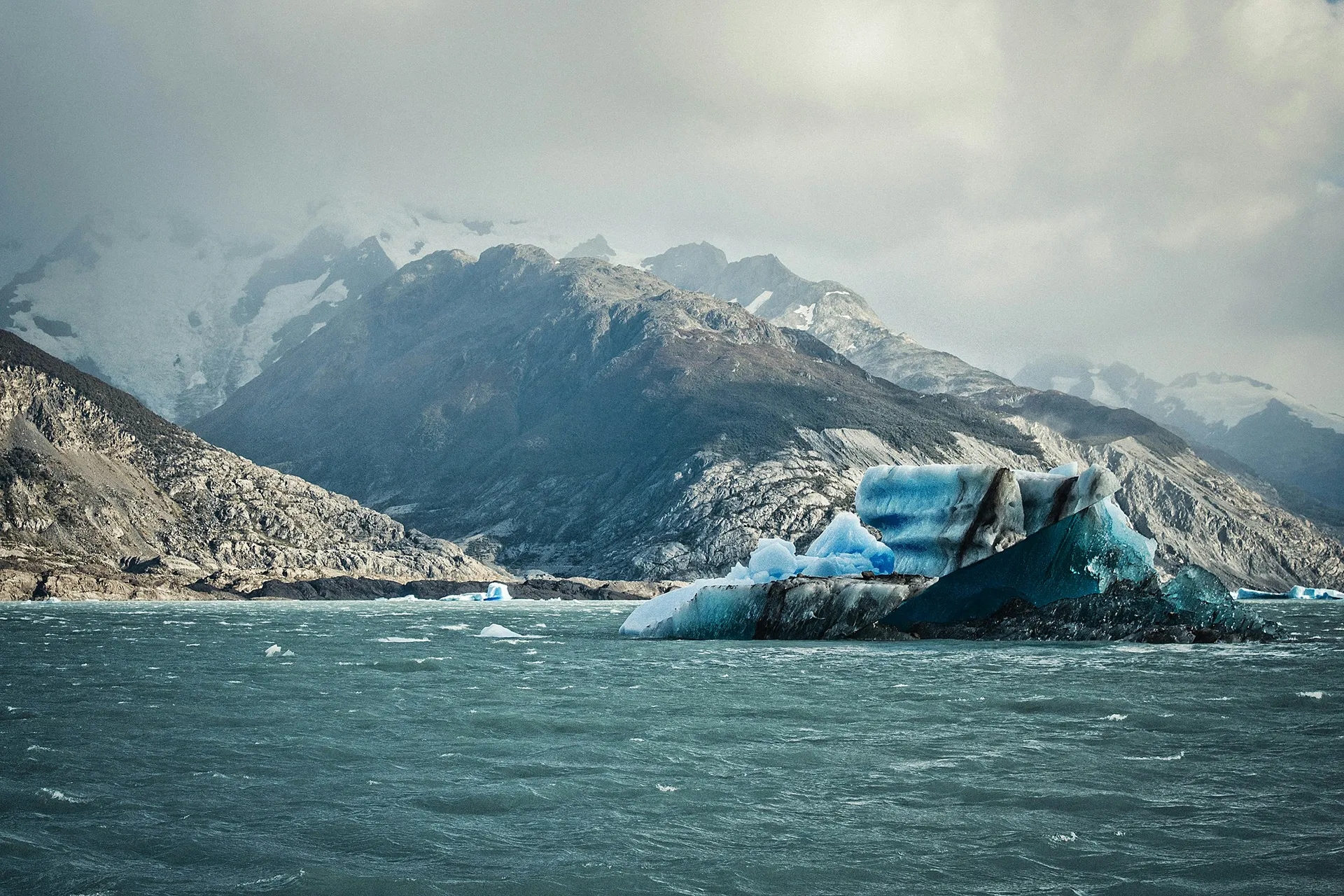
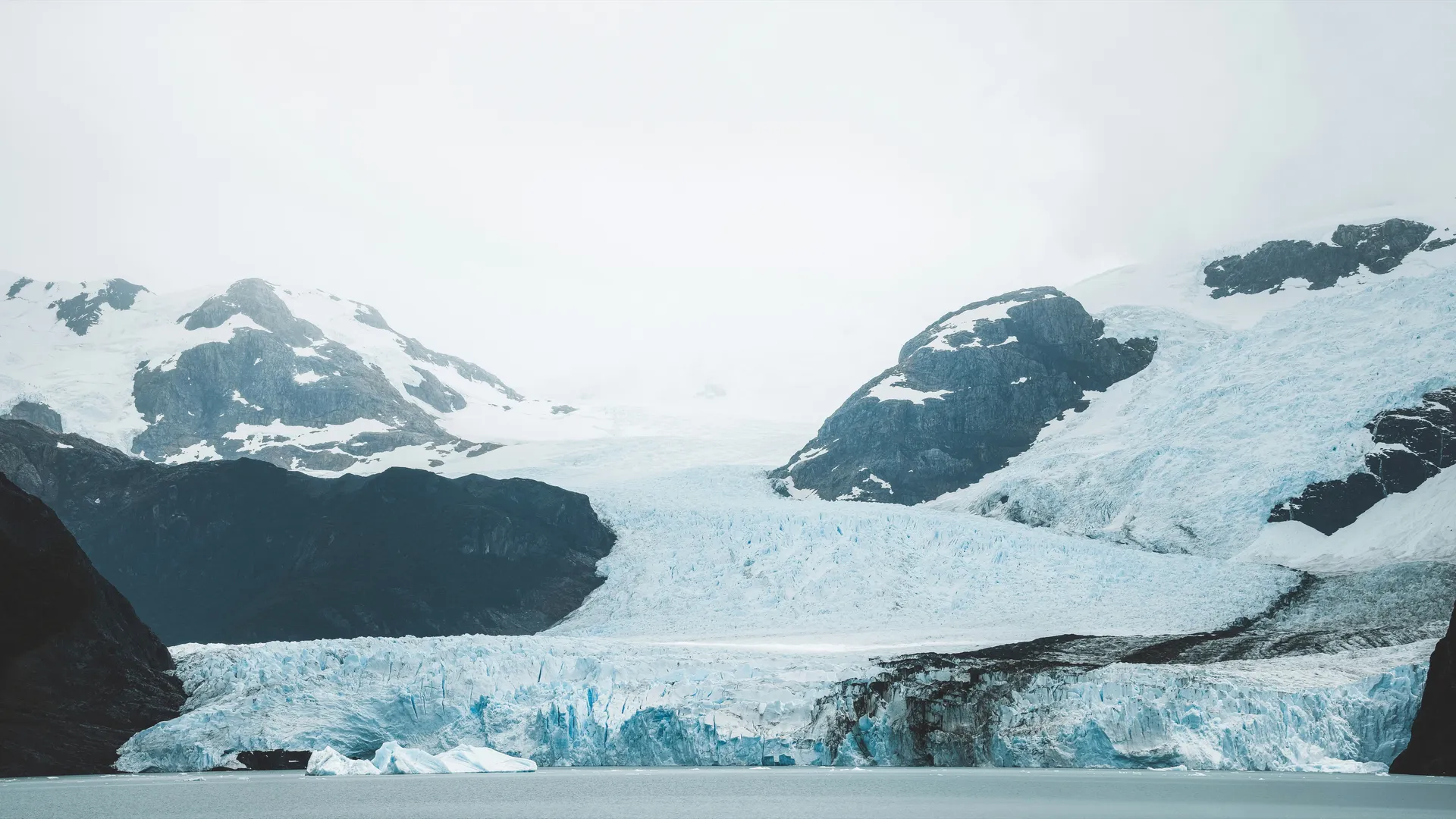
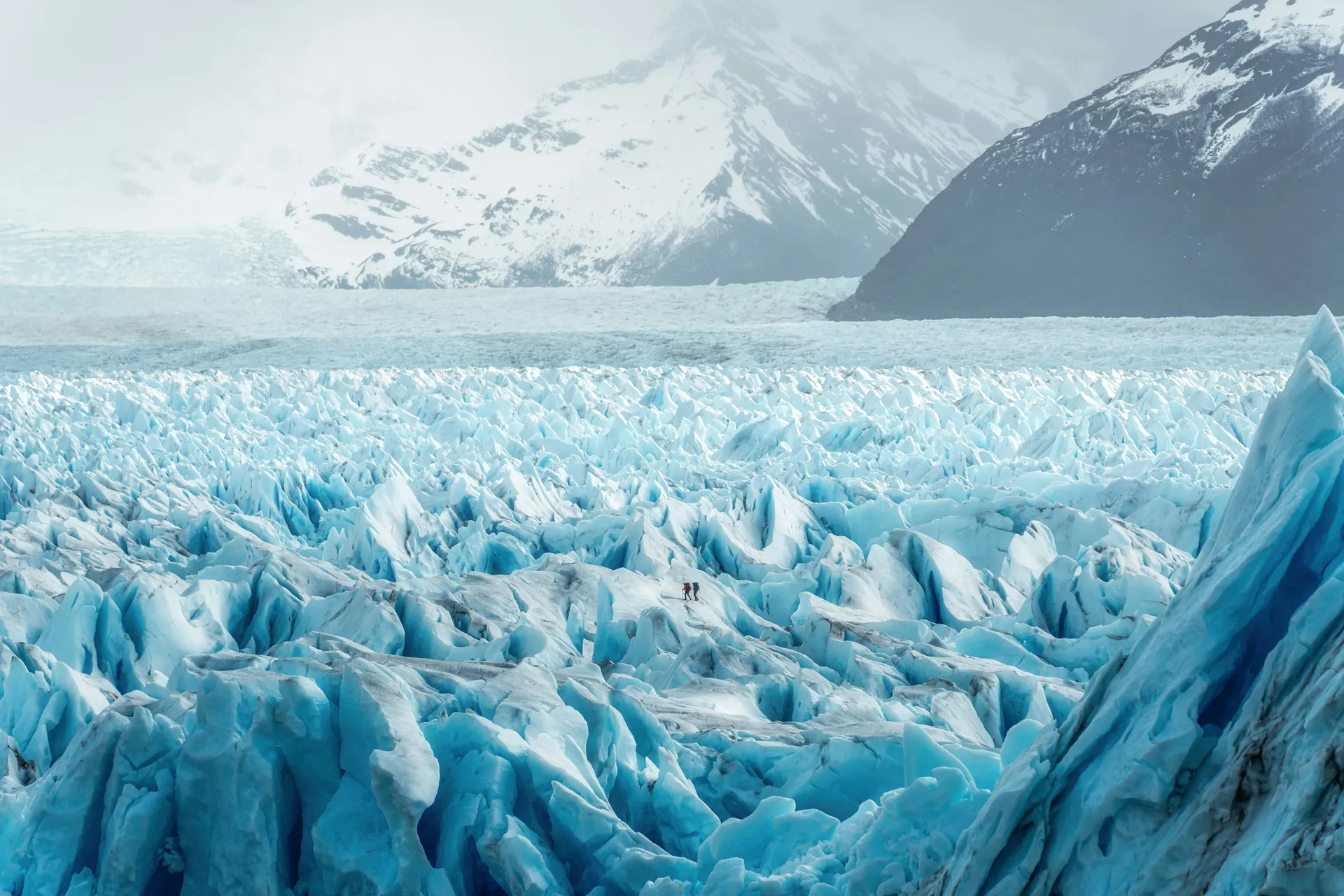
The ice cap from which Perito Moreno descends — the Southern Patagonian Ice Field — constitutes the world's third-largest continental ice mass outside the polar regions. From El Calafate's position at the eastern edge of this frozen world, the ice field's presence is felt rather than seen — it hides behind the Andes, feeding the glaciers that flow down both flanks of the mountain chain. Los Glaciares National Park, a UNESCO World Heritage site, encompasses forty-seven glaciers in total, including the massive Upsala Glacier, which can be visited by boat excursion from Puerto Bandera. The Upsala, while less dramatically accessible than the Perito Moreno, surpasses it in sheer scale — over fifty kilometres long and with a face eight kilometres wide, it sheds icebergs of cathedral proportions into the northern arm of Lago Argentino.
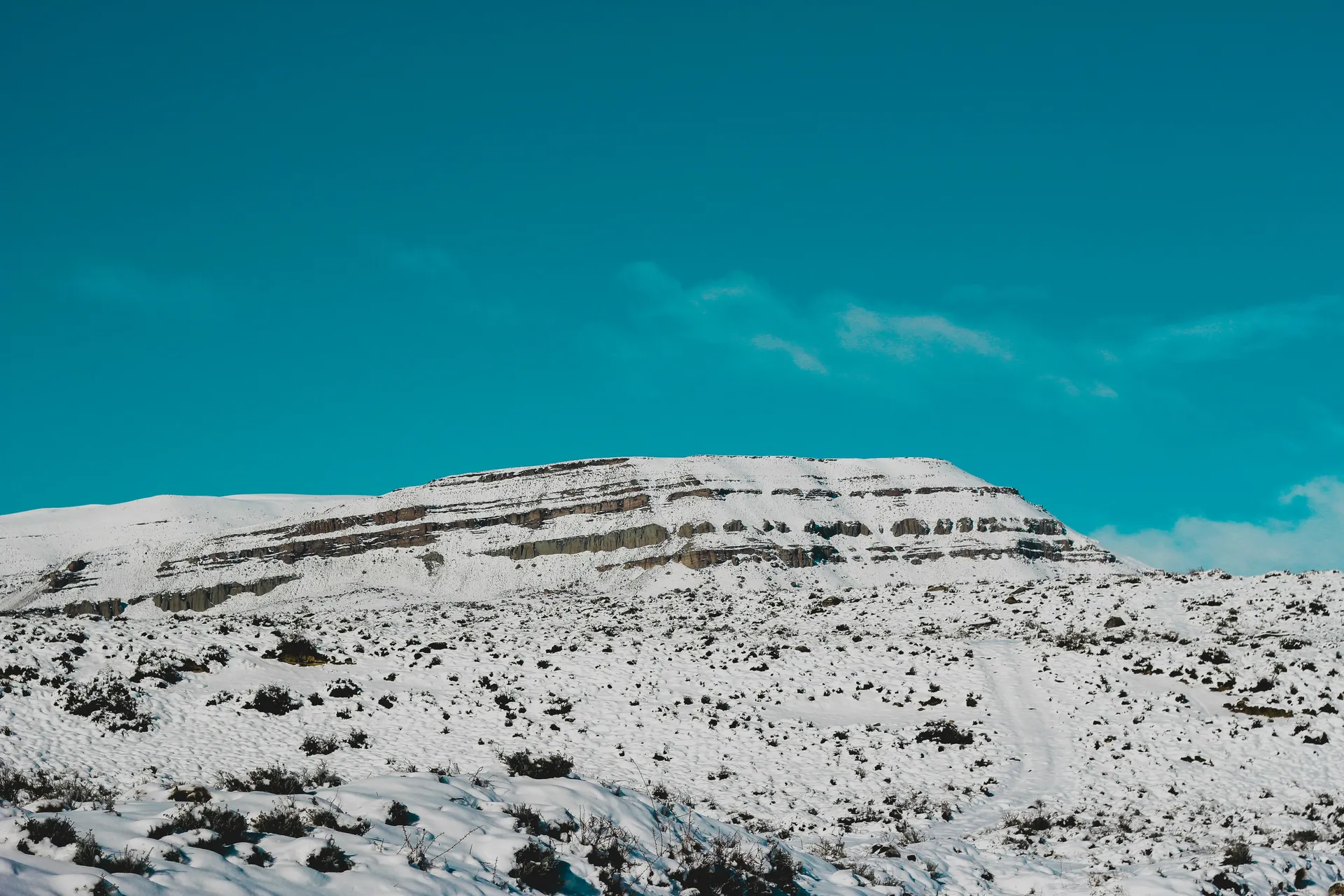
El Calafate itself, though primarily a service town for the national park, has developed a character that rewards time spent beyond the glaciers. The town's main avenue, lined with chocolate shops, artisanal craft stores, and restaurants specialising in Patagonian lamb, provides a pleasant base that combines the efficiency of tourist infrastructure with a genuine local identity. The Glaciarium museum offers an excellent introduction to glaciology and the ice field's significance, while the Lago Argentino shoreline walk provides morning views across the vast lake toward the distant peaks of the national park. The steppe landscape surrounding the town, often dismissed as featureless by visitors impatient to reach the ice, possesses its own austere beauty — vast horizons, big skies, and a quality of light that changes hourly as Patagonian weather systems sweep across from the Pacific.
For cruise passengers arriving via excursion from ports on the Chilean fjord coast or from Ushuaia, El Calafate represents the Argentine side of a Patagonian story whose Chilean chapters unfold through the channels and glaciers of the Pacific coast. The contrast is instructive: where the Chilean approach is maritime, intimate, and rain-drenched, the Argentine perspective is continental, expansive, and wind-scoured. Both sides of the Andes reveal different facets of the same geological and climatic drama — the collision of tectonic plates that built the mountains, the ice ages that carved the valleys and deposited the glaciers, and the ongoing climate processes that determine whether those glaciers advance, retreat, or maintain the remarkable equilibrium that makes Perito Moreno so exceptional. Standing on the viewing platforms before the glacier's face, watching ice that fell as snow thousands of years ago complete its journey from ice field to lake with a thunderous splash, you understand why the calafate berry's promise of return carries the weight of prophecy rather than mere superstition.