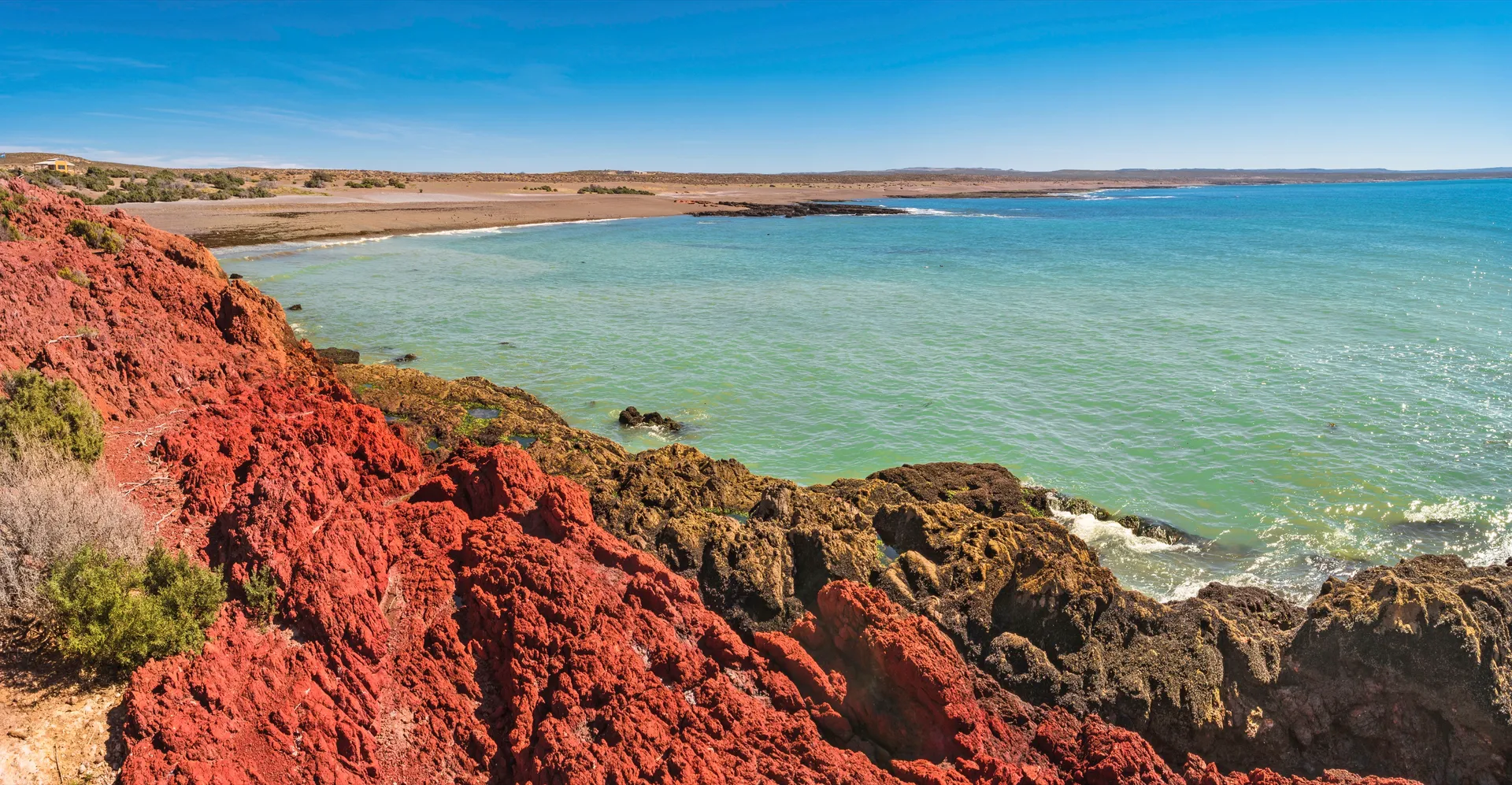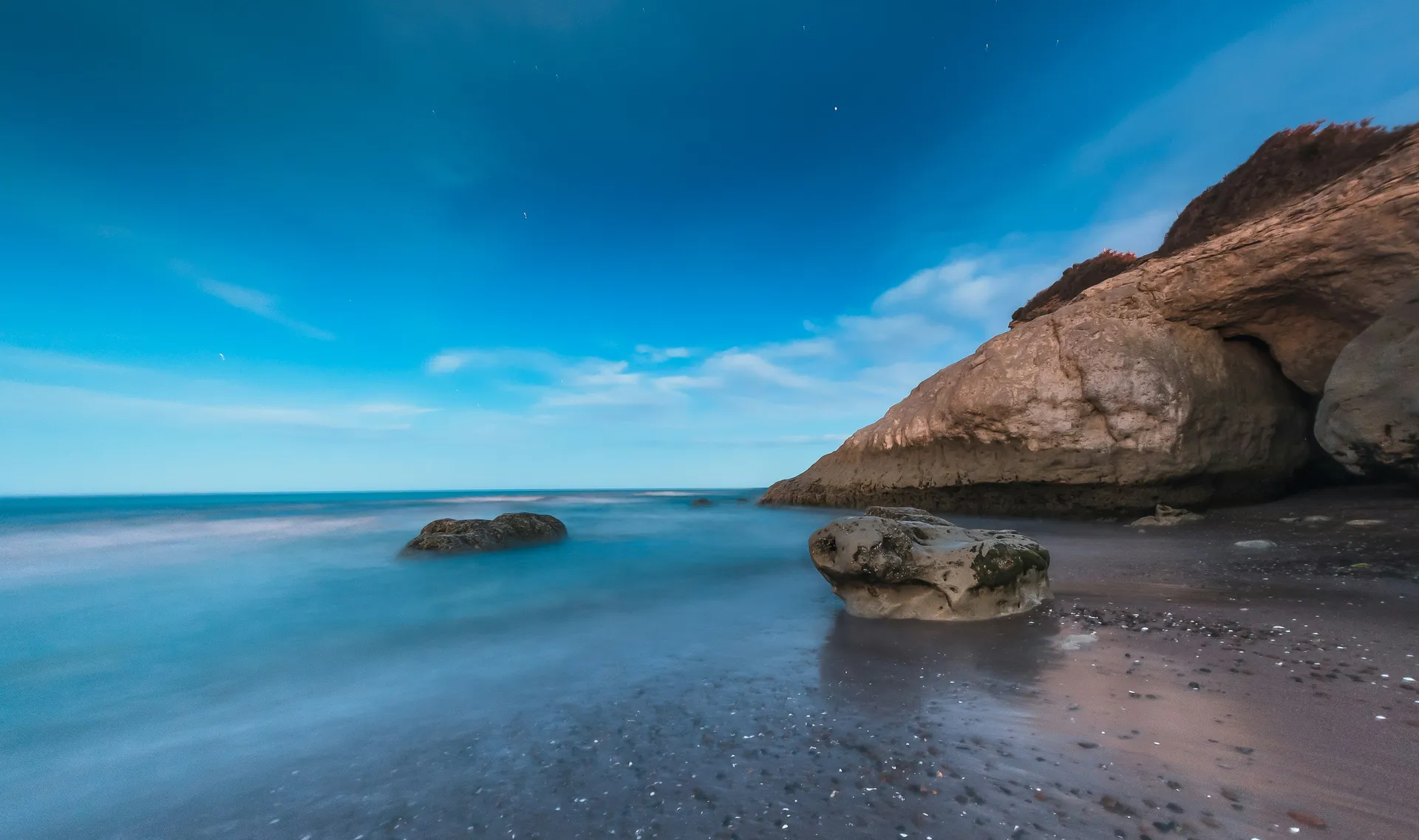
On the windswept shores of Golfo Nuevo in Argentine Patagonia, Puerto Madryn serves as the gateway to one of the planet's most extraordinary concentrations of marine wildlife—a coast where southern right whales breach within meters of shore, elephant seals carpet beaches in their thousands, and Magellanic penguins waddle between burrows in colonies stretching to the horizon. Founded in 1865 by Welsh settlers who named it for their ancestral estate, this Patagonian city has evolved from a frontier settlement into a world-class wildlife destination that operates on nature's calendar rather than any human schedule.
Puerto Madryn's character reflects the particular energy of Patagonian coastal cities—windblown, unpretentious, and oriented entirely toward the sea and the extraordinary ecosystem it supports. The waterfront costanera provides pleasant strolling along a beach where, during whale season (June through December), southern right whales are often visible from shore—an experience of almost surreal proximity. The city itself functions primarily as a base for wildlife excursions, its hotels, restaurants, and tour operators calibrated to serve travelers arriving for encounters with the natural world. The EcoCentro, a marine interpretive center built into the coastal cliffs, provides excellent scientific context for the wildlife encounters to come.
Patagonian cuisine in Puerto Madryn draws from both sea and the vast steppe that stretches inland. Patagonian lamb—cordero al asador, whole animals splayed on iron crosses over open fires for hours—is the region's definitive meal, the slow-roasted meat developing a smoky tenderness that has no equivalent. Seafood from Golfo Nuevo supplies the restaurants with langostinos (Patagonian prawns), merluza (hake), and pulpo (octopus), while the Welsh heritage of the region manifests in the afternoon tea tradition maintained in nearby Gaiman and Trelew—scones, tarta galesa (Welsh cake), and black tea served in teahouses that transport visitors to a Victorian Welsh parlor inexplicably relocated to Patagonia.
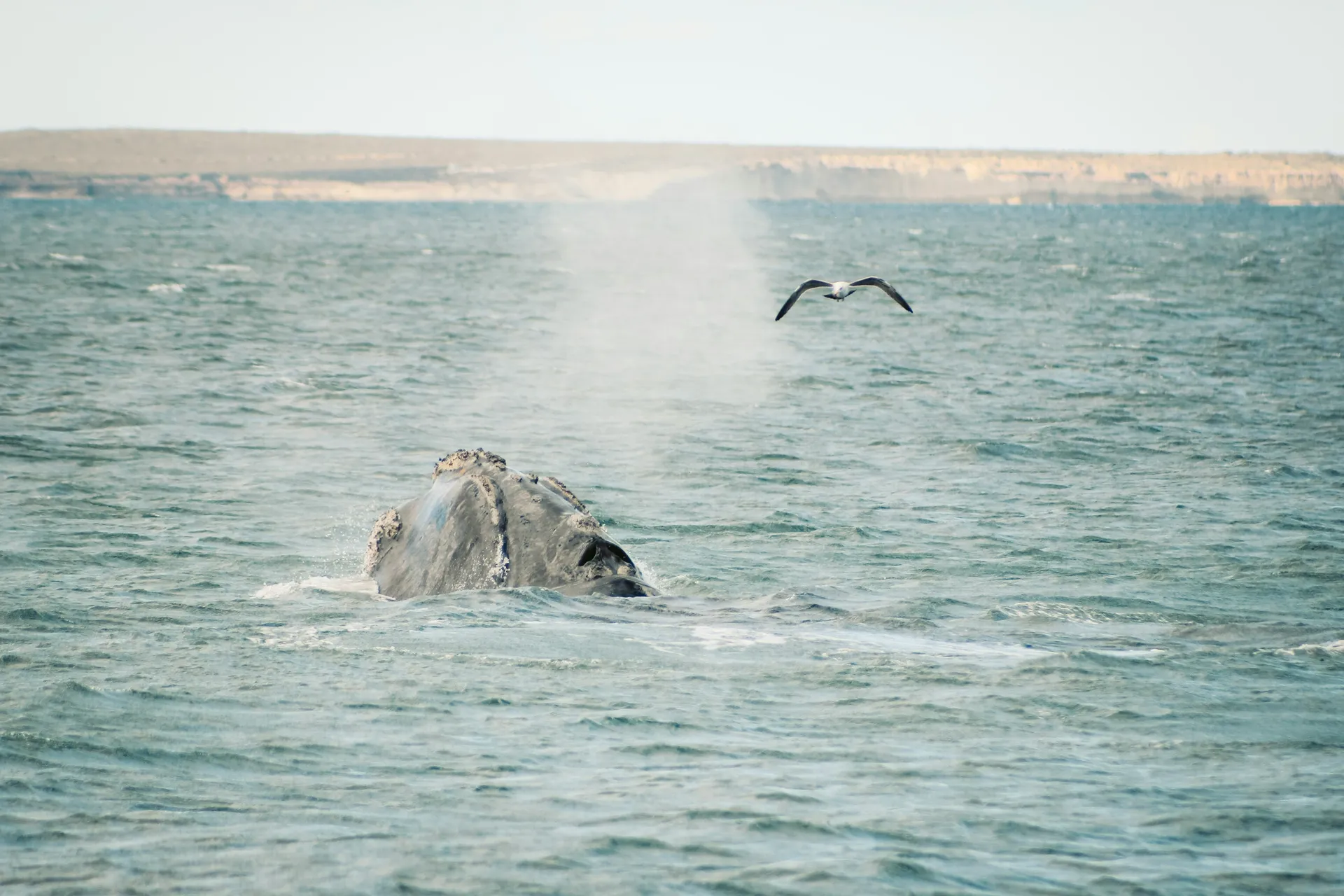
The Península Valdés, a UNESCO World Heritage Site reachable by day excursion from Puerto Madryn, concentrates wildlife encounters that rival the Galápagos for intensity. Southern right whales calve in the protected waters of Golfo Nuevo and Golfo San José, their forty-ton bodies surfacing so close to whale-watching boats that their barnacled skin and gentle exhalations are intimately observable. The peninsula's beaches host enormous colonies of southern elephant seals and sea lions, while the orcas of Punta Norte practice their famous intentional stranding hunting technique—launching themselves onto the beach to snatch seal pups in one of nature's most dramatic predatory behaviors. Punta Tombo, further south, protects the largest Magellanic penguin colony outside the Falklands.
Celebrity Cruises, Norwegian Cruise Line, Regent Seven Seas Cruises, and Viking call at Puerto Madryn, their vessels anchoring in the protected waters of Golfo Nuevo. The tender operation delivers guests to a waterfront within easy reach of the city center and tour departure points. For wildlife travelers who collect the planet's greatest natural spectacles—who have seen the Serengeti migration, the Arctic bears, the Amazon's canopy—Puerto Madryn and Península Valdés belong on the same list, offering marine wildlife encounters of a scale and intimacy that transform understanding of the natural world.