Broome occupies a strip of red pindan earth between the turquoise waters of the Indian Ocean and the vast emptiness of Western Australia's Kimberley region—a remote pearling town turned boutique resort destination that feels closer in spirit to Southeast Asia than to Sydney. For thousands of years, the Yawuru people have been custodians of this coast, and their relationship with the tidal flats, mangrove systems, and monsoon seasons remains central to Broome's identity. The pearling industry that defined the town from the 1880s onward drew Japanese, Malay, Chinese, Filipino, and Aboriginal divers into a dangerous, multicultural enterprise that produced the world's finest South Sea pearls and left behind a fascinating cross-cultural heritage visible in the town's architecture, cuisine, and the Japanese section of its historic cemetery.
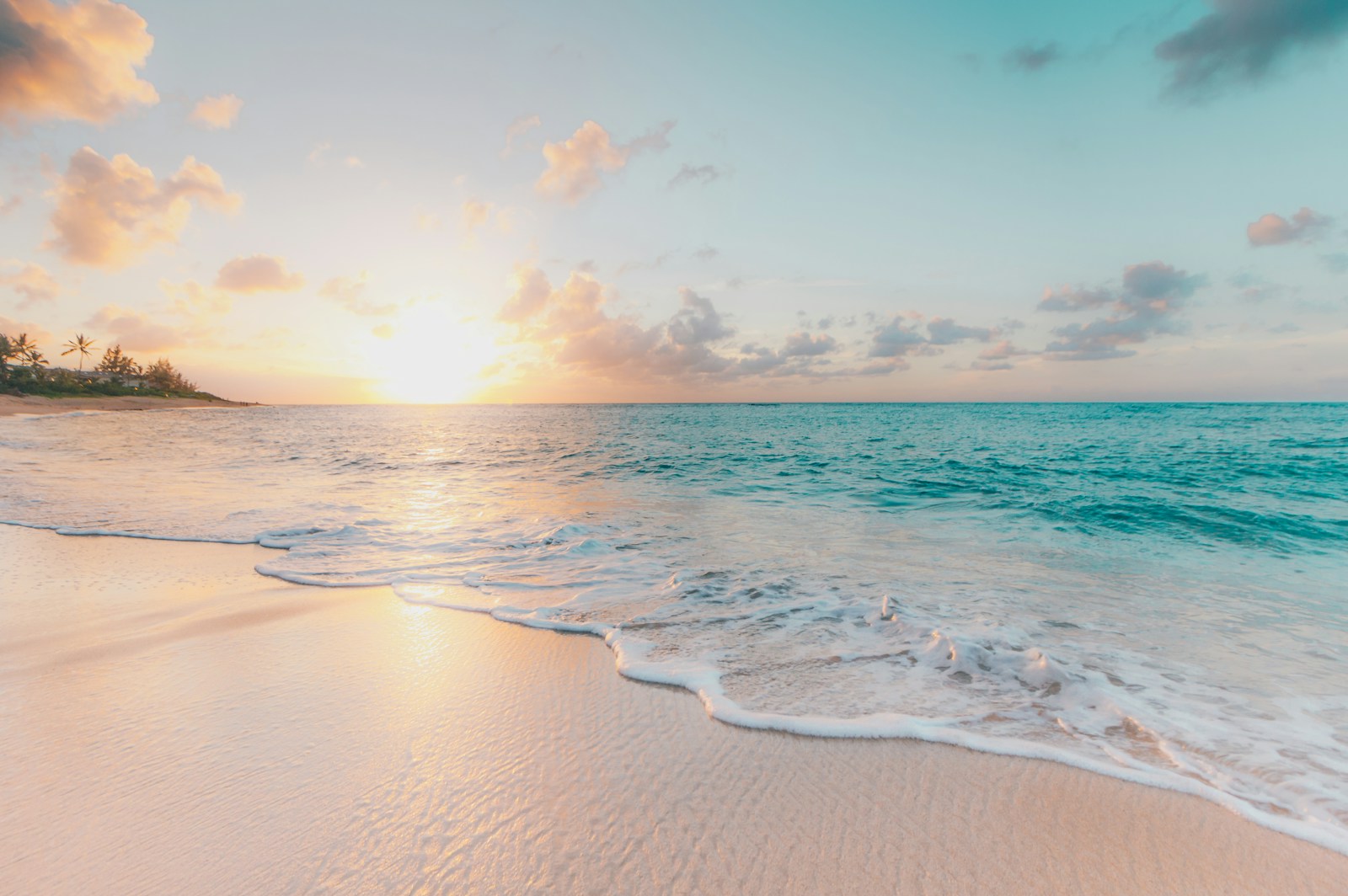
Cable Beach is Broome's postcard image—22 kilometers of white sand backed by red cliffs, washed by warm, turquoise water, and renowned for sunsets of such extravagant color that crowds gather nightly to applaud as the sun drops into the Indian Ocean. Camel trains plod along the shore at sunset, their silhouettes reflected in the wet sand in images that have become iconic of outback Australia. The old pearling town of Chinatown—despite its name, a multiethnic quarter built by the industry's diverse workforce—houses pearl galleries, tropical bars, and the Sun Pictures outdoor cinema, the world's oldest operating picture garden, where audiences have watched films beneath the stars since 1916. The Broome Historical Museum chronicles the town's extraordinary pearling history, including the deadly toll the industry exacted on its predominantly Aboriginal and Asian divers.
Broome's culinary identity reflects its multicultural pearling heritage and its access to extraordinary natural ingredients. Barramundi, mud crab, and king prawns from the Kimberley coast feature prominently on restaurant menus, often prepared with Asian-influenced flavors that acknowledge the town's Japanese and Malay heritage. Crocodile and kangaroo appear as novelties for visitors but are legitimate bush tucker staples. The mango season (November–March) brings an avalanche of the fruit so abundant that trees sag with unpicked specimens along residential streets. The Saturday morning Courthouse Markets offer a convivial gathering of local produce, pearl jewelry, and Indigenous art. Pearl meat—the adductor muscle of the Pinctada maxima oyster, a byproduct of pearl farming—is a local delicacy prepared as sashimi, tempura, or carpaccio and available almost nowhere else in the world.
The Kimberley region accessible from Broome ranks among Australia's last great wilderness frontiers. The Horizontal Falls, a natural phenomenon where massive tidal movements force water through narrow coastal gorges, can be experienced by seaplane and speedboat from Broome. Gantheaume Point, a short drive south of Cable Beach, exposes 130-million-year-old dinosaur footprints in the red sandstone at low tide. The Dampier Peninsula, stretching north of Broome, is home to remote Aboriginal communities that offer cultural tours including bush tucker walks, spear fishing, and mud crabbing along pristine beaches. For extended expeditions, the Kimberley coast—accessible by adventure cruise or seaplane—reveals the thundering Mitchell Falls, the ancient Wandjina rock art galleries, and Montgomery Reef, where the falling tide creates the illusion of a reef rising from the sea.
Seabourn and Silversea include Broome on their Australian expedition and Kimberley coast itineraries, recognizing the town as both a compelling destination and the essential gateway to one of Earth's most remote coastlines. Ships anchor offshore and tender passengers to the town jetty or directly to Cable Beach. The dry season (May–October) is the ideal visiting window, with clear skies, warm days (28–33°C), and cool nights. The wet season (November–April) brings monsoon rains, cyclone risk, and intense humidity, though it also brings the dramatic thunderstorms, lush greenery, and the phenomenon of the Staircase to the Moon—a natural optical illusion created when moonlight reflects off the exposed mudflats at extremely low tides. Broome is proof that civilization's most intriguing destinations are often found not at the center of things, but at the very edge.

