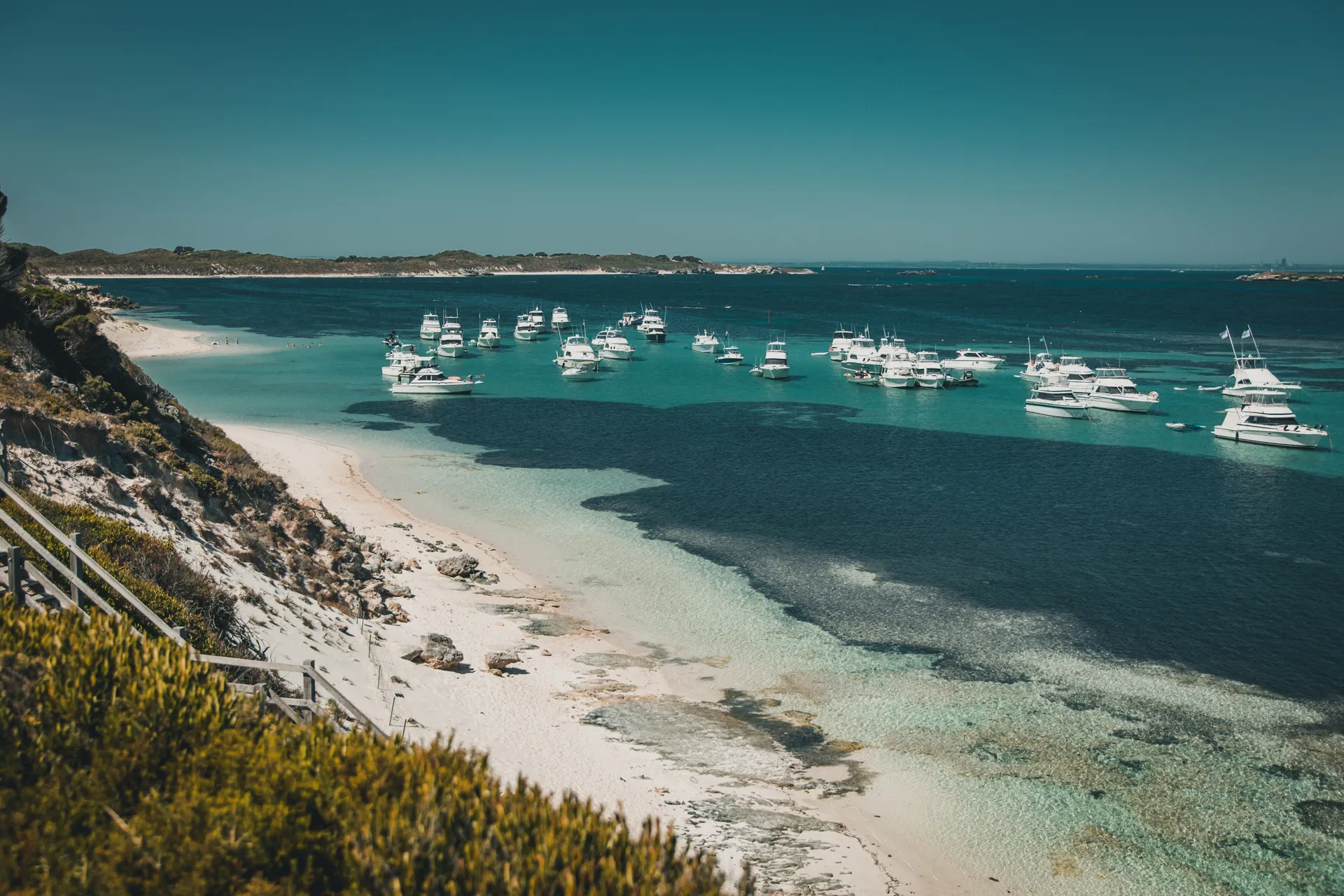
On the Sapphire Coast of New South Wales, where the Great Dividing Range's forested foothills tumble down to meet the deep blue waters of Twofold Bay, Eden occupies one of the most naturally beautiful harbour settings on Australia's eastern seaboard. This small town of barely three thousand residents has earned its place in maritime history through one of the most extraordinary inter-species partnerships ever documented: for decades spanning the late nineteenth and early twentieth centuries, a pod of orca — killer whales — cooperated with the Davidson family of whalers to hunt baleen whales in Twofold Bay, the orcas herding their prey into the bay and alerting the whalers by breaching at the mouth of the Kiah River. The story of "Old Tom," the pod's leader, whose skeleton is now the centerpiece of the Eden Killer Whale Museum, ranks among the most remarkable chapters in the history of human-animal interaction.
The Killer Whale Museum, housed in a heritage building overlooking the bay, tells this extraordinary story with the artifacts, photographs, and oral histories that transform it from legend into documented fact. Old Tom's skeleton, displaying the distinctive worn teeth from decades of grabbing towlines, provides the physical evidence of a partnership that skeptics long dismissed as fishermen's fantasy. The museum's broader collection traces Eden's maritime heritage from the whaling era through its development as a fishing port, with particular attention to the town's deep connections to Aboriginal maritime culture — the Yuin people harvested abalone, lobster, and fish from these waters for thousands of years before European settlement.
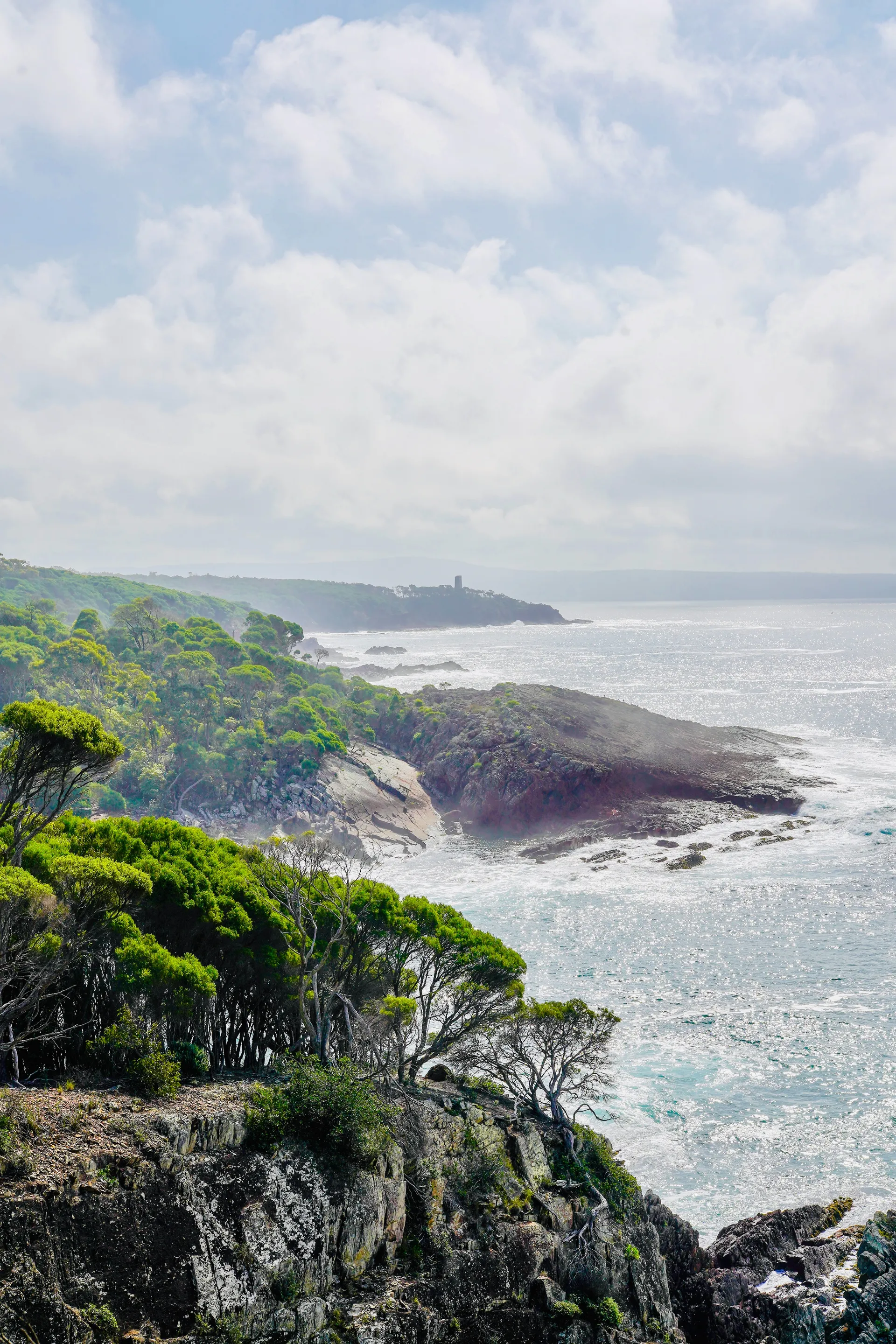
Twofold Bay itself, one of the deepest natural harbours on the Australian east coast, provides the scenic foundation for Eden's appeal. The bay's protected waters attract humpback whales during their annual migration between October and November, offering some of the most accessible whale watching on the Australian coast — visitors can spot spouts and breaches from the clifftop lookouts without leaving shore. The surrounding Ben Boyd National Park, named after the flamboyant and ultimately disgraced Scottish entrepreneur who established Eden's earliest European industry, protects a dramatic coastline of folded sandstone, hidden beaches, and the photogenic Boyd's Tower — a lighthouse-like structure originally intended as a whaling observation post.
The Sapphire Coast stretching south from Eden toward the Victorian border offers some of Australia's finest coastal wilderness. The forests of the South East region harbor rare wildlife including wombats, lyrebirds, and the elusive spotted quoll, while the offshore waters support fur seal colonies, little penguins, and seasonal populations of sunfish, mola mola. The oyster farms of Pambula and Merimbula produce bivalves of exceptional quality, their briny sweetness reflecting the clean, cold waters of the Tasman Sea. The food culture of the Sapphire Coast, though modest in scale, is increasingly recognized for its quality, with local restaurants showcasing the region's extraordinary seafood alongside produce from the fertile Bega Valley hinterland.
Azamara, HX Expeditions, and Norwegian Cruise Line include Eden in their Australian coastal itineraries, with vessels using the deep-water facilities at the port that has served maritime traffic since the nineteenth century. The cruising season runs primarily from October through April, with the whale migration making late October and November particularly rewarding. Eden offers a fundamentally different Australian cruise experience from the metropolitan ports — intimate, historical, and connected to the natural world in ways that the larger cities cannot replicate. The town's small size means that the entire waterfront, museum, and surrounding bushwalking trails can be explored in a single day, leaving visitors with the rare satisfaction of having fully experienced a place.