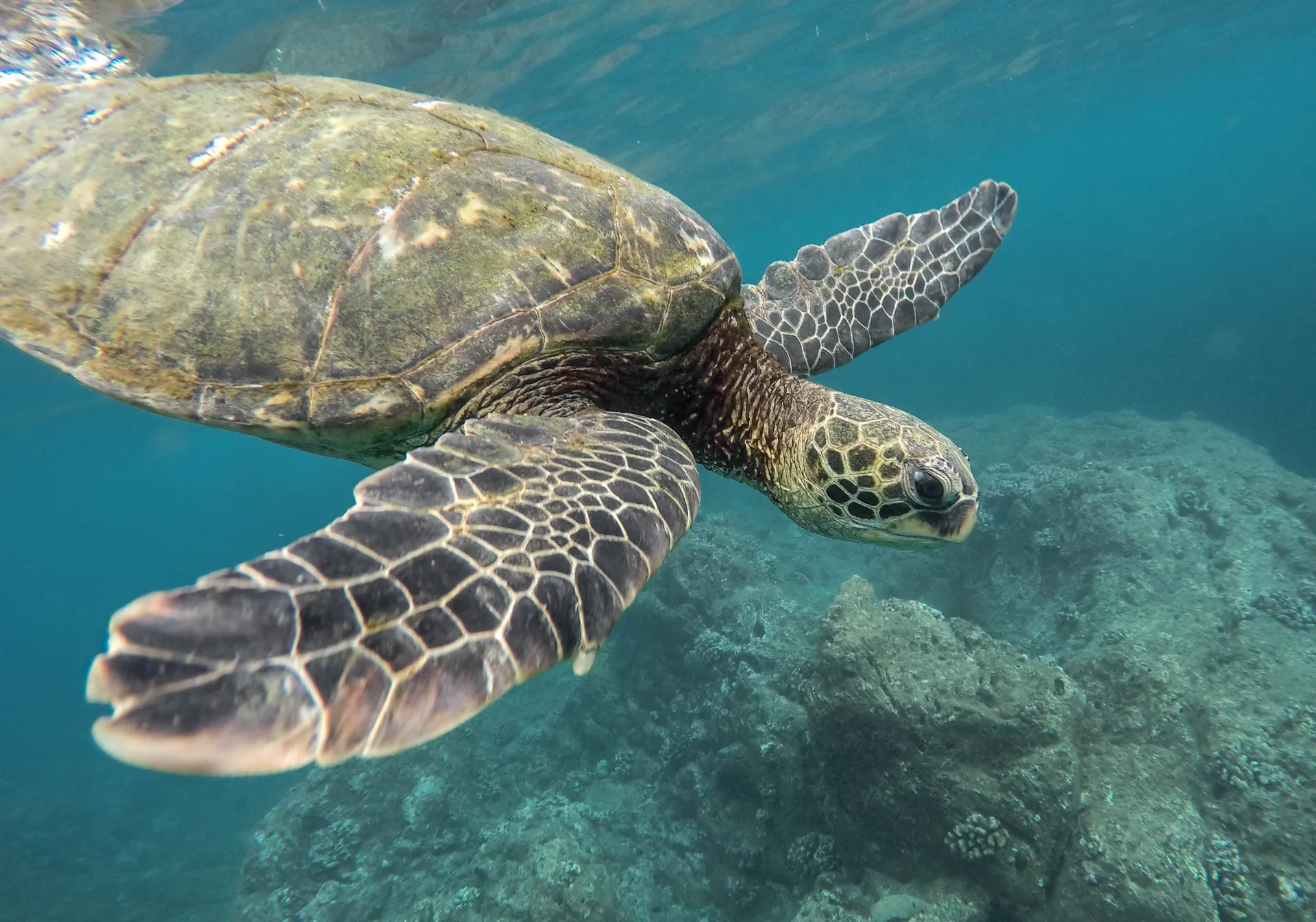
Lying in the warm, turquoise waters of the Indian Ocean off Western Australia's Kimberley coast, the Lacépède Islands constitute one of the most important seabird and marine turtle nesting sites in the entire Indo-Pacific region. This small group of low, sandy islands — rarely rising more than five metres above sea level — supports breeding populations of brown boobies, roseate terns, and lesser frigatebirds in numbers that transform the islands into a continuous, cacophonous theatre of avian life. Yet the islands' most celebrated inhabitants arrive under cover of darkness: flatback and green sea turtles, which haul themselves ashore by the thousands each summer to lay their eggs in the warm sand.
The islands exist in a state of absolute wildness. There are no permanent structures, no jetties, no freshwater sources. The vegetation is sparse — low scrub, grasses, and beach morning glory providing the only shade on islands that bake under the tropical sun. The surrounding waters, by contrast, teem with life: the coral reefs ringing the islands support populations of reef sharks, manta rays, and the iconic humphead wrasse, while the deeper channels between the islands attract migrating humpback whales during the austral winter.
There are no dining options on the Lacépède Islands — all provisions come from the expedition vessel. Some ships organize beach barbecues on adjacent sandbars, serving freshly caught barramundi and king prawns from the Kimberley coast. The experience of eating under the vast Kimberley sky, with the Southern Cross overhead and the distant sound of nesting terns carrying across the warm night air, belongs to a category of dining that no restaurant can replicate.
The turtle nesting spectacle, from November through February, is the islands' supreme natural event. Female turtles — some weighing over 150 kilograms — emerge from the surf at night, laboriously excavating nest chambers in the sand, depositing their eggs, and returning to the sea in an ancient ritual unchanged for 100 million years. Witnessing this process, under the guidance of expedition naturalists using red-filtered lights to minimize disturbance, is among the most primally moving wildlife experiences available in Australian waters. The hatchlings' emergence, six to eight weeks later, creates equally powerful scenes as tiny turtles navigate the dangerous beach sprint to the relative safety of the ocean.
The Lacépède Islands are accessible by expedition cruise ship as part of Kimberley coast itineraries, typically running from April through October (the dry season). Landings are restricted to protect nesting sites and are subject to tidal conditions and wildlife management protocols. The islands lie approximately 120 kilometres north of Broome, which serves as the main embarkation point for Kimberley cruises. Helicopter or seaplane excursions from Broome provide aerial perspectives that reveal the islands' position within the broader reef system — a view that emphasizes their ecological significance within the vast, sparsely inhabited Kimberley marine environment.

