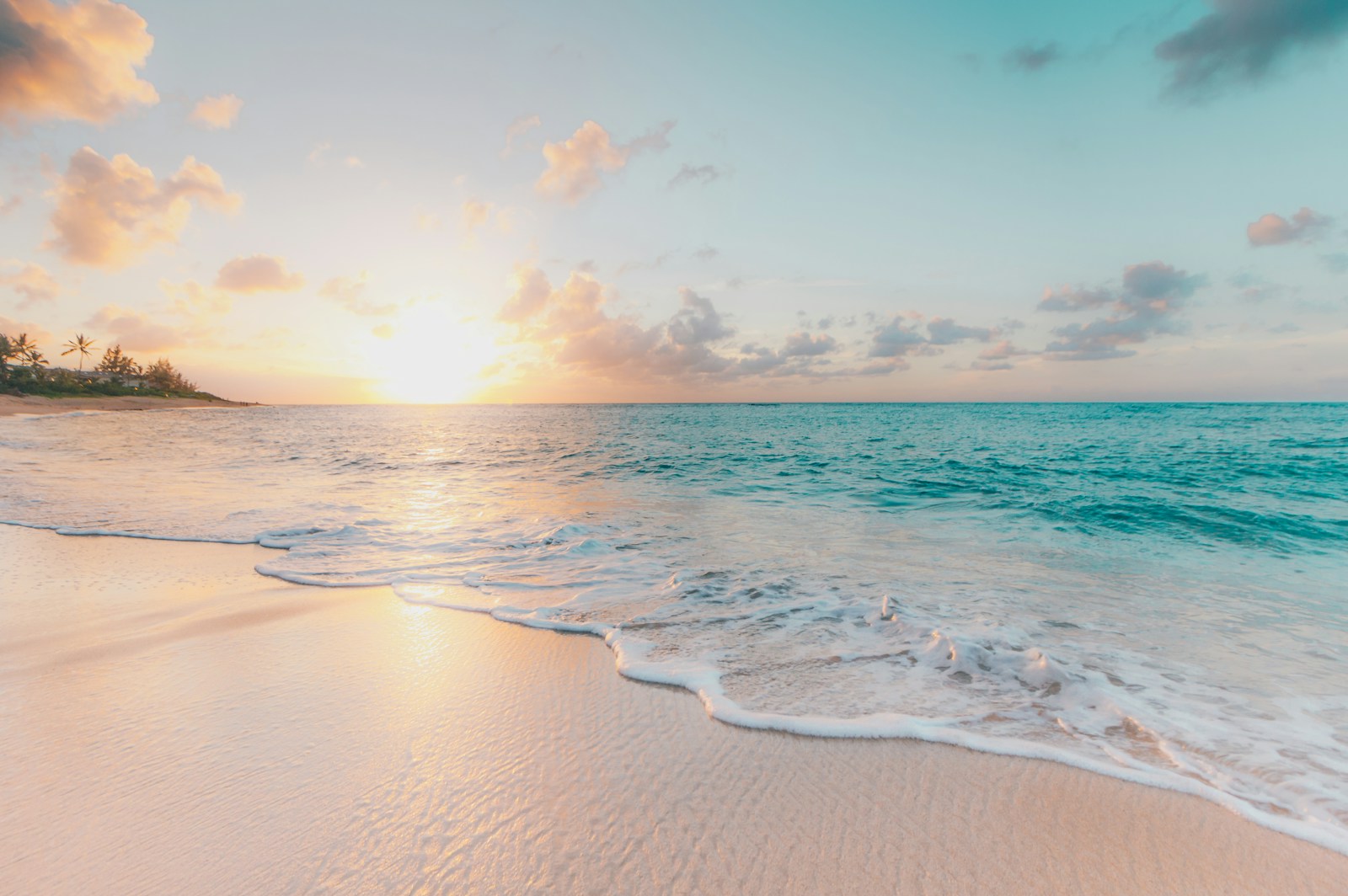
Forty kilometers off the coast of Far North Queensland, where the continental shelf gives way to the sapphire depths of the Coral Sea, Lizard Island rises from the Great Barrier Reef as one of Australia's most exclusive and ecologically significant island destinations. Captain James Cook anchored here in August 1770, climbing the island's highest point—now called Cook's Look—to chart a passage through the reef that had nearly claimed his ship, the Endeavour, just days before. The view that guided Cook to safety remains essentially unchanged: a panorama of reef, sea, and sky that extends to the horizon in every direction, unmarked by any sign of human habitation beyond the island itself.
The character of Lizard Island balances wilderness with a level of luxury that has made it a destination for discerning travelers since the 1970s. The island's single resort occupies a fraction of its 1,013 hectares, with the remainder designated as a national park where walking trails wind through dry eucalyptus woodland to secluded beaches accessible only on foot. Twenty-four beaches ring the island, several of them among the most beautiful in the Great Barrier Reef Marine Park—Sunset Beach, Watson's Bay, and the stunning Blue Lagoon, where the snorkeling begins in ankle-deep water and reveals a coral garden of staggering variety within meters of the shore.
The marine environment surrounding Lizard Island places it among the world's elite diving and snorkeling destinations. The Cod Hole, just a short boat ride north of the island, is internationally famous for encounters with potato cod—enormous, docile grouper that approach divers with an almost canine friendliness, their bodies exceeding a meter in length. The outer ribbon reefs offer wall diving of exceptional quality, with visibility routinely exceeding thirty meters and encounters with whitetip and grey reef sharks, manta rays, and the seasonal dwarf minke whales that visit between May and August. The island is also the site of the Lizard Island Research Station, operated by the Australian Museum, where marine scientists have studied the Great Barrier Reef's ecology since 1973.
The island's food experience, centered on the resort's restaurant, draws on the extraordinary seafood resources of the surrounding reef and the tropical produce of Far North Queensland. Coral trout, red emperor, and mudcrab feature prominently, prepared with an Australian-Asian fusion sensibility that reflects the region's proximity to Southeast Asia. The resort's kitchen garden supplies herbs, vegetables, and tropical fruits, while the wine list ranges across Australia's finest cool-climate regions. For a more elemental experience, private beach picnics on uninhabited stretches of the island deliver champagne and chilled seafood to settings of absolute solitude.
Lizard Island is reached by a one-hour flight from Cairns on the resort's private aircraft, or by private yacht and charter vessel. The resort operates from April through January, closing during the wettest months of February and March. The optimal visiting window is June through October, when the weather is dry, water visibility peaks, and the seasonal wildlife—including manta rays and dwarf minke whales—is most active. The giant black marlin season from September through December draws serious game fishermen to the waters around the island. Rates reflect the exclusivity of the destination, and advance booking of several months is standard for peak-season stays.

