Lying in the furious latitudes of the Southern Ocean, roughly halfway between New Zealand and Antarctica, Macquarie Island is one of the most geologically significant and ecologically extraordinary places on Earth. This narrow sliver of land — thirty-four kilometres long and barely five wide — is the only place on the planet where rocks from the Earth's mantle, originating six kilometres below the ocean floor, are actively being exposed above sea level. For this distinction alone, UNESCO granted it World Heritage status in 1997.
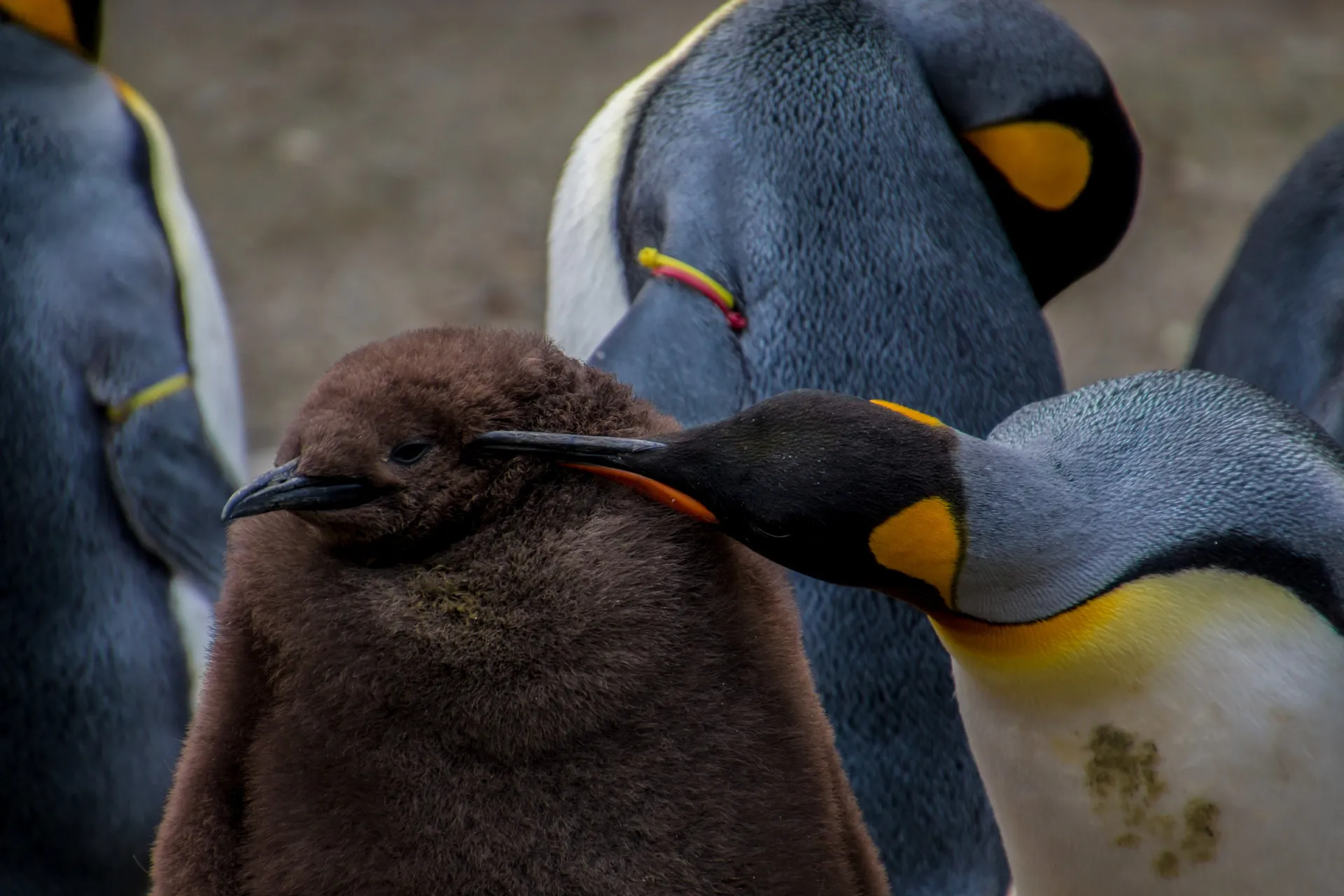
The character of Macquarie Island is defined by the almost inconceivable density of its wildlife. Over three and a half million seabirds breed here — royal penguins (found nowhere else on Earth), king penguins, rockhopper penguins, and gentoo penguins share the beaches and tussock-covered hillsides with wandering, black-browed, and grey-headed albatrosses. The royal penguin colony at Sandy Bay, where hundreds of thousands of birds congregate on a single beach, is one of the great wildlife spectacles on the planet — a cacophony of calls, a blur of motion, and a smell that is, frankly, extraordinary.
The island's elephant seal population is equally impressive. Southern elephant seals — the largest of all pinnipeds, with bulls weighing up to four tonnes — haul out on the beaches in staggering numbers during the breeding season. The males engage in violent battles for dominance, rearing up to their full height and slamming their massive bodies against rivals in contests that leave both participants bloodied but rarely seriously injured. The females, clustered in harems of up to several hundred, birth their pups on the same beaches.
Macquarie's human history is darker. In the nineteenth century, sealers and penguin hunters operated on the island, rendering both seals and penguins for their oil in an industrial slaughter that pushed several species to the brink of extinction. The legacy of introduced species — rats, cats, and rabbits — caused further ecological devastation until a remarkable eradication programme, completed in 2014, removed all invasive mammals and allowed the island's ecosystem to begin recovering.
Macquarie Island is accessible only by expedition vessel, typically on voyages between New Zealand (sailing from Bluff or the Chatham Islands) and the Ross Sea or East Antarctica. The crossing takes approximately two days from New Zealand and traverses some of the roughest seas on Earth. The visiting season runs from November to March, with December and January offering the best weather — though "best" is relative in a place that receives rain on over three hundred days per year. All visits are strictly regulated by the Tasmanian Parks and Wildlife Service, with numbers and access tightly controlled.

