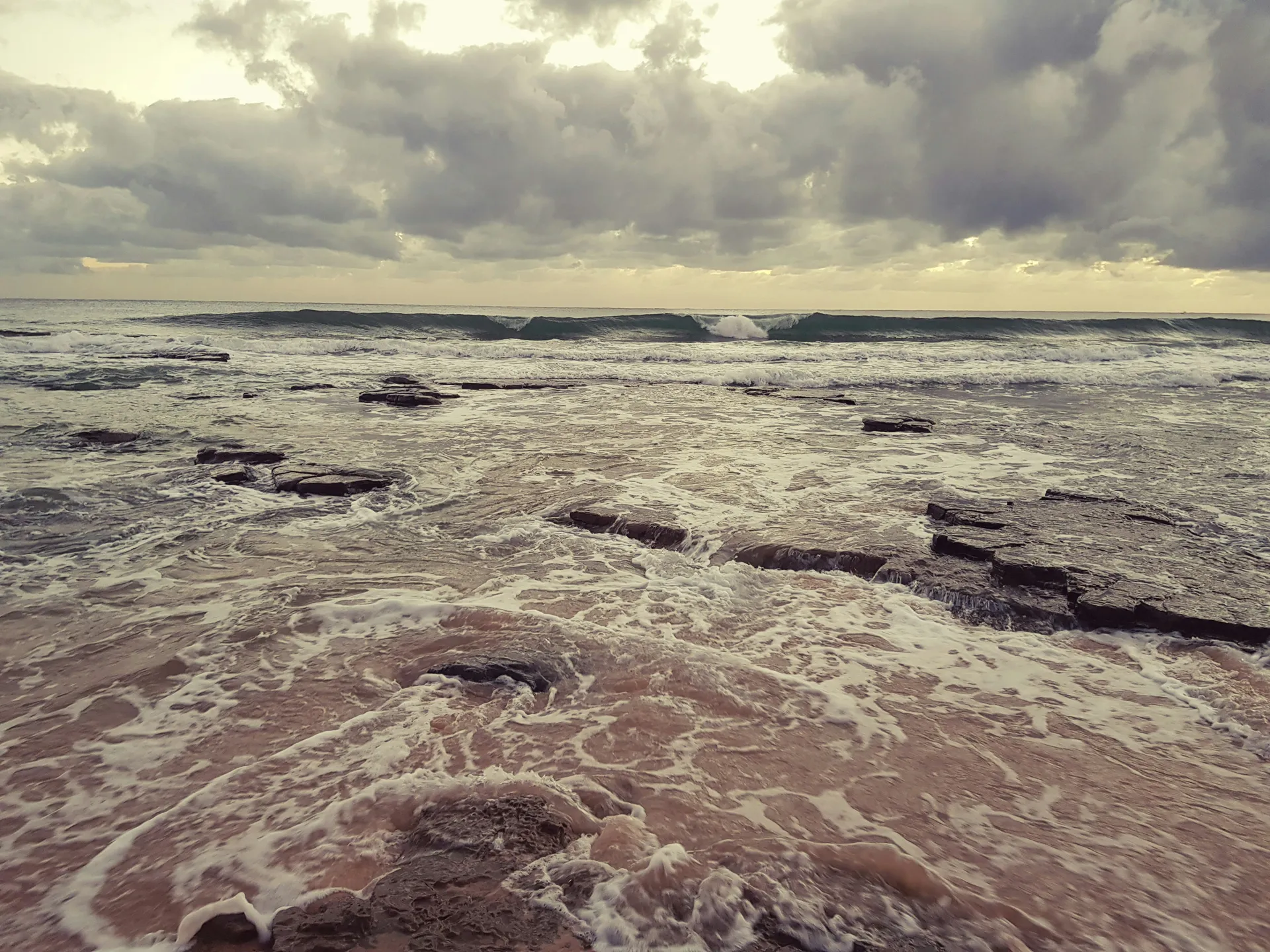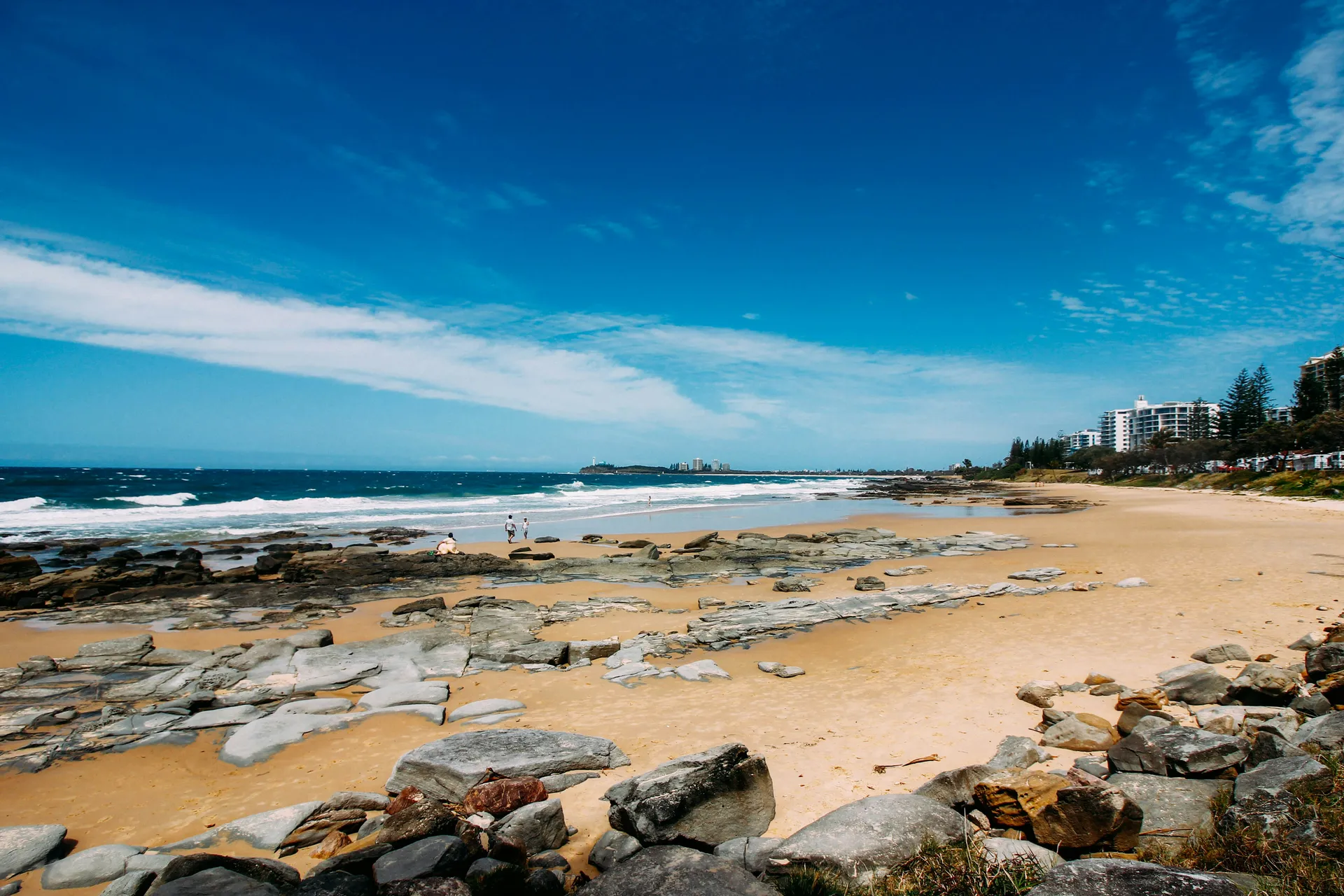
The lands of the Southern Hemisphere possess an ancient grandeur that operates on geological timescales—landscapes sculpted over millions of years into forms that seem borrowed from the imagination of a particularly ambitious artist. Mooloolaba, Queensland, Australia, participates in this antipodean drama, a destination where the natural world commands center stage and the human presence, though welcoming, understands its role as supporting cast in a production that has been running since long before our species appeared.
Once a humble fishing village, tourism has boomed in recent years and transformed Mooloolaba into one of the most coveted of Queensland’s popular holiday resorts. Located 97 km from Brisbane and set right in the heart of the Sunshine Coast, Mooloolaba is much more than an oceanfront playground. Certainly, surfers will find their nirvana here, with ideal spots for both the initiated and the beginner dotted along the coast, along with the famous surfing festival in March. But it’s not all about waxing your board and point breaks – Mooloolaba Beach has featured as one of the world’s top ten beaches for two years running and it looks set to stay that way.
The approach to Mooloolaba, Queensland offers that particular thrill of the southern coast—vast horizons, wildlife that seems unbothered by human observation, and a quality of light that photographers recognize as uniquely antipodean: sharp, clean, and capable of rendering ordinary landscapes in extraordinary definition. Ashore, the atmosphere combines relaxed informality with genuine sophistication—a paradox that defines the best of Australian and New Zealand culture. Conversations start easily, local knowledge is shared generously, and the relationship between community and environment is one of respectful intimacy.
The modern culinary landscape embraces a philosophy of letting extraordinary local ingredients speak for themselves—pristine seafood that arrives on plates within hours of being pulled from the ocean, grass-fed meats of remarkable quality, native botanicals that add flavor profiles found nowhere else on earth, and wines from surrounding regions that have earned international recognition. Farmers' markets reveal the agricultural abundance of the region, while waterfront restaurants transform raw materials into dishes that balance technical skill with the uncomplicated pleasure of excellent ingredients prepared with care.
Nearby destinations including Gladstone, Australia, Smithton, Tasmania and Kuranda provide rewarding extensions for those whose itineraries allow further exploration. The surrounding region rewards exploration with experiences that range from the gently scenic to the genuinely wild. National parks preserve landscapes of startling diversity—ancient rainforests, rugged coastlines, volcanic formations, and bushland that stretches to the horizon. Wildlife encounters are a particular highlight: species found nowhere else on earth go about their business with an indifference to human observers that can feel almost refreshing.
What distinguishes Mooloolaba, Queensland from comparable ports is the specificity of its appeal. An early morning stroll will see you mingling with the locals, and with no beach goers around, be sure to take your cameras for some of the most instagrammable views you’re ever likely to see. Step away from the beach and guests will find some good shopping with everything from antiques and jewellery to beach towels and sarongs for sale. Local artists set up stalls on the pretty esplanade so art lovers will be sure to take home a souvenir that is really special. These details, often overlooked in broader surveys of the region, constitute the authentic texture of a destination that reveals its true character only to those who invest the time to look closely and engage directly with what makes this particular place irreplaceable.
Both Azamara and Oceania Cruises recognize the allure of this destination, featuring it on itineraries designed for travelers who seek substance over spectacle. The ideal period for visiting spans November through March, during the southern hemisphere summer. Comfortable outdoor clothing, quality sun protection, and binoculars for wildlife observation are essential. Travelers who arrive expecting a slower, more nature-oriented pace will find themselves rewarded with the kind of experiences that remind you why travel, at its best, is less about seeing sights and more about seeing the world differently.