On the limestone coast of South Australia, where the Southern Ocean crashes against ancient calcified dunes and the Coorong wetland stretches toward the horizon, the historic fishing town of Robe occupies a position of quiet distinction. Founded in 1845 as one of the earliest European settlements in South Australia, Robe served briefly as the colony's second port and played a remarkable role in Australian immigration history when, in the 1850s, over sixteen thousand Chinese gold miners landed here to avoid the Victorian entry tax, then walked five hundred kilometres overland to the Ballarat goldfields.
The town's heritage architecture reflects its brief but prosperous heyday. The Customs House (1863), the Caledonian Inn (1858), and numerous bluestone cottages line the streets with the dignified restraint typical of colonial South Australian architecture. The harbour, built from local limestone, still shelters a working crayfish fleet whose catch — the prized southern rock lobster — is one of Australia's most valuable marine exports. During the October-to-May season, fresh crayfish appears on menus throughout town, prepared with a simplicity that showcases the sweetness and texture of this extraordinary crustacean.
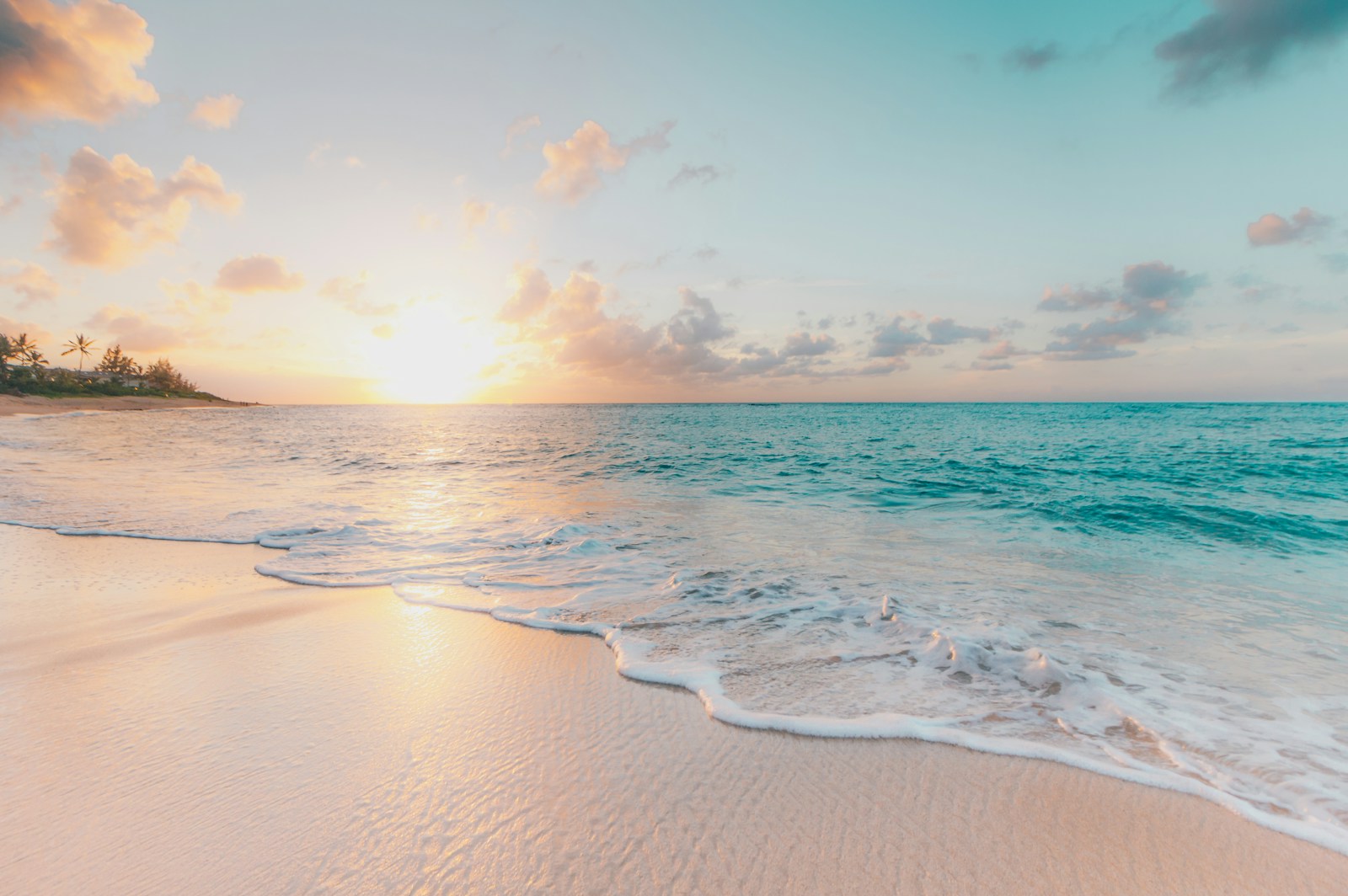
Robe's coastline is spectacular and varied. Long Beach stretches for seventeen kilometres of pristine sand, backed by vegetated dunes and washed by powerful Southern Ocean surf — a beach of genuine grandeur that rarely hosts more than a handful of walkers. The Obelisk, a navigation marker on the rocky Cape Dombey headland, offers panoramic views of the coast and, during winter months, the spectacle of southern right whales and their calves cruising past within sight of shore. Little Dip Conservation Park, south of town, protects a landscape of coastal wetlands, tea-tree scrub, and empty beaches where hooded plovers nest.
The surrounding Coonawarra wine region — just forty-five minutes inland — produces some of Australia's finest Cabernet Sauvignon on its famous terra rossa soil, a thin strip of red earth over limestone that creates wines of remarkable depth and elegance. The Limestone Coast wine trail extends through several subregions, each offering cellar-door experiences in settings ranging from grand estates to family-run operations. Combined with the region's acclaimed cheeses, local oysters from nearby Coffin Bay, and the general abundance of South Australian produce, the culinary experience rivals anything on the more famous wine routes of the Barossa or McLaren Vale.
Robe is accessible by road from Adelaide (approximately three and a half hours) and is occasionally visited by expedition cruise ships anchoring offshore. The town has a good selection of boutique accommodation, from heritage cottages to contemporary beach houses. The best visiting season runs from October through April for beach activities, with winter (June-August) bringing whale watching and cooler but comfortable conditions for wine touring. Robe offers the rare combination of genuine Australian coastal beauty, colonial heritage, and world-class wine — all without the crowds that have transformed similar destinations along the eastern seaboard.

