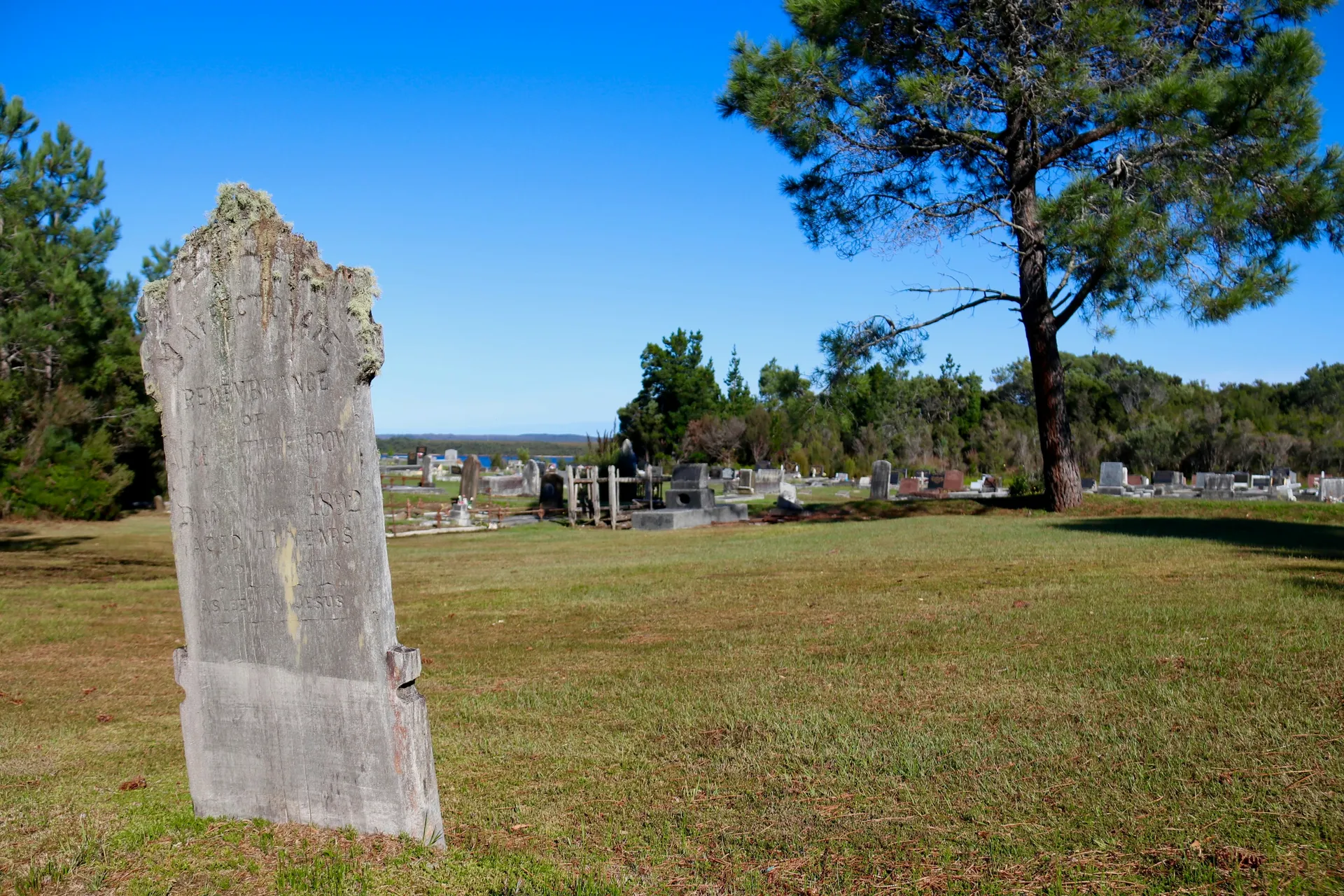
The name Strahan is spoken with a certain reverence among Tasmanians, not for any grand monument or famous citizen, but for the wilderness that presses against it from every direction. This tiny fishing village of fewer than 900 people, perched on the shores of Macquarie Harbour on Tasmania's remote west coast, is the gateway to some of the most ancient and impenetrable temperate rainforest on Earth. The harbour itself is six times the size of Sydney Harbour yet enters the Southern Ocean through a passage so narrow and treacherous that the early convict settlers named it Hell's Gates — a channel where the swells of the Roaring Forties collide with outgoing tidal currents in a maelstrom that claimed dozens of ships.
Strahan's history is written in timber and suffering. In the 1820s, the British colonial administration established a penal settlement on Sarah Island, deep within Macquarie Harbour, deliberately choosing the most remote and inhospitable location in the colony to house its most recalcitrant convicts. The prisoners felled Huon pine — a timber so dense and aromatic it resists rot for centuries — in conditions of almost unimaginable brutality. Today, the ruins on Sarah Island stand as a haunting memorial, accessible by boat from Strahan's wharf, and the guides who lead visitors through the remnant workshops and solitary confinement cells are among the most compelling storytellers in Australian heritage tourism.
The Gordon River, which feeds into Macquarie Harbour from the southwest, is the jewel of any Strahan visit. Cruise boats glide upriver through corridors of Huon pine, sassafras, and myrtle beech — trees that have been growing in these valleys since Australia was part of the supercontinent Gondwana, some species virtually unchanged for 60 million years. The river surface is stained a deep amber by the tannin leaching from buttongrass plains upstream, creating a mirror so perfect that the reflections of the overhanging forest are indistinguishable from the trees themselves. This section of the Franklin-Gordon Wild Rivers National Park was at the centre of one of Australia's most significant environmental campaigns: the 1983 battle to prevent the damming of the Franklin River, a victory that established wilderness protection as a mainstream political issue in Australian life.
Beyond the river, the west coast offers landscapes of savage beauty. Ocean Beach, a 40-kilometre arc of sand pounded by unbroken swells that have travelled from Patagonia, stretches north from the harbour entrance. The West Coast Wilderness Railway, restored from a mining-era rack-and-pinion line, climbs through rainforest gorges between Strahan and Queenstown, crossing bridges above ravines where tree ferns unfurl fronds in the perpetual mist. The mining town of Queenstown itself, with its eerily bare hillsides stripped by a century of copper smelting, provides a stark counterpoint to the surrounding wilderness.
Strahan is visited by Viking on Australian coastal expedition voyages, with ships anchoring in Macquarie Harbour. The most rewarding time to visit is between November and April, when longer days and milder temperatures make the Gordon River cruises and rainforest walks most comfortable, though Strahan's wild west coast climate means rain gear remains essential even in midsummer.

