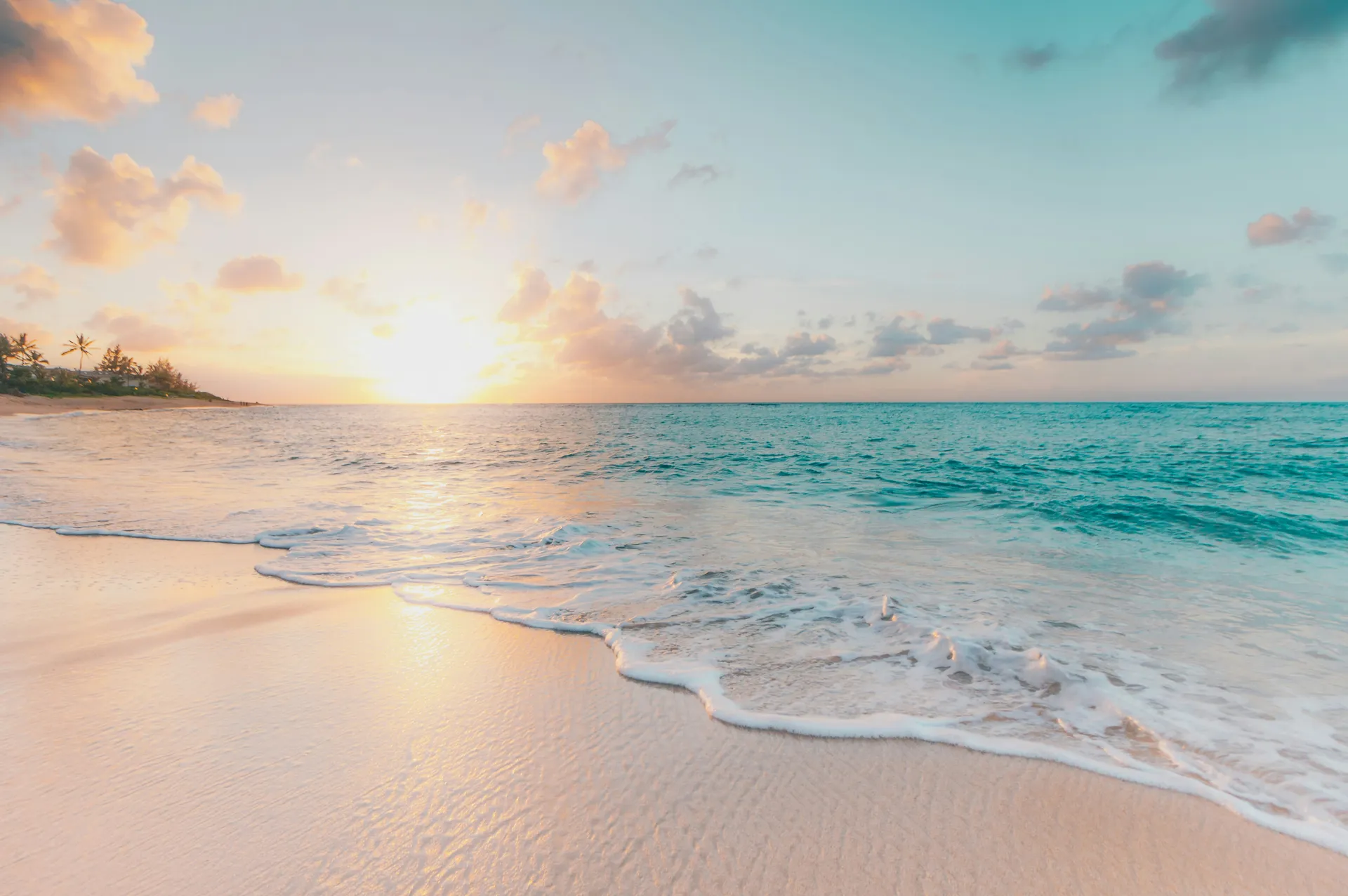
Rising barely three meters above the Coral Sea, some 450 kilometers east of Cairns, Willis Island is one of Australia’s most remote inhabited outposts — a tiny coral cay measuring just 500 meters long and 150 meters wide, staffed by a handful of Bureau of Meteorology personnel whose weather station has operated continuously since 1921. For over a century, this speck of sand, grass, and bird guano has served as an early-warning sentinel for cyclones threatening the Queensland coast, its data transmitted by radio across the vast emptiness of the Coral Sea. No permanent civilian population exists here; the island belongs to the elements and to the seabirds.
Approaching Willis Island by cruise ship is an exercise in oceanic perspective. For hours, the horizon offers nothing but the graduated blues of deep ocean and sky — and then, impossibly, a sliver of white appears: a sandbar crowned with low vegetation and a cluster of weather-station buildings that look as though they might blow away in the next storm. The surrounding reef system, part of the Coral Sea Marine Park, drops off precipitously into abyssal depths, creating an upwelling of nutrient-rich water that supports an extraordinary concentration of marine life. Pelagic species — marlin, tuna, wahoo, and mahi-mahi — patrol the deep blue beyond the reef edge, while inside the lagoon, the coral is pristine and largely untouched by human activity.
The birdlife on and around Willis Island is its most accessible natural spectacle. Sooty terns nest here in colonies numbering tens of thousands, their raucous calls audible long before the island comes into view. Brown boobies, masked boobies, and lesser frigatebirds wheel overhead in constant aerial display, while wedge-tailed shearwaters nest in burrows beneath the sparse vegetation. During migration seasons, the skies above Willis Island become a flyway for species traversing the vast distances between breeding and feeding grounds across the Pacific. For birdwatchers aboard passing cruise ships, the spectacle of so many seabirds concentrated on such a tiny fragment of land is both humbling and exhilarating.
The Coral Sea itself is one of the planet’s last great marine wildernesses. The reefs and atolls scattered across its million-square-kilometer expanse — including Osprey Reef, Bougainville Reef, and the Flinders Reefs — harbor some of the most pristine coral ecosystems remaining on Earth. Visibility in these waters regularly exceeds fifty meters, and encounters with oceanic whitetip sharks, hammerheads, and manta rays are common. While Willis Island itself does not permit tourist landings (the weather station is a restricted facility), the surrounding waters and reefs offer extraordinary opportunities for snorkeling, diving, and wildlife observation from the ship.
Carnival Cruise Line, Celebrity Cruises, and Royal Caribbean include Willis Island as a scenic cruising destination on their Australian itineraries, with ships passing close enough for passengers to observe the island and its birdlife from deck. The Coral Sea’s calm season runs from April through November, when cyclone risk is lowest and sea conditions are most favorable for comfortable sailing. Willis Island may be barely a dot on the map, but as a waypoint in one of Earth’s most remarkable marine ecosystems, it offers a window into the raw, ungoverned beauty of the open ocean.

