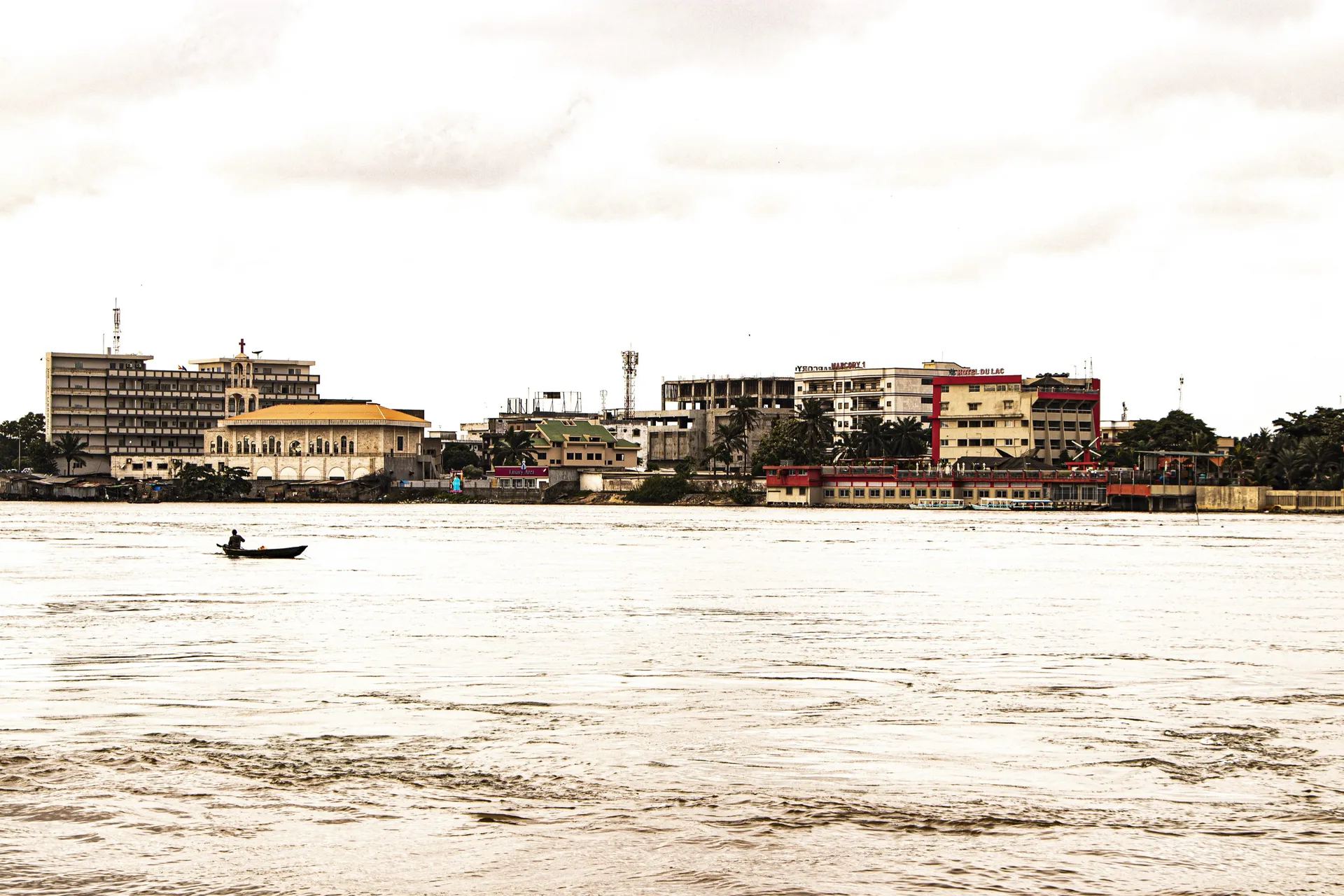
Cotonou is the economic capital and largest city of Benin, a narrow West African nation wedged between Nigeria and Togo on the Gulf of Guinea. With a population approaching two million, this sprawling, energetic city occupies a sandbar between the Atlantic Ocean and Lake Nokoue, creating an urban landscape where the rhythms of the sea, the lagoon, and the market intersect with an intensity that is viscerally West African.
The Dantokpa Market, one of the largest open-air markets in West Africa, is Cotonou's pulsing heart — a vast, labyrinthine commercial universe where thousands of vendors sell everything from tropical produce and printed fabrics to traditional medicines and the fetishes of Vodun spiritual practice. Benin is the birthplace of Vodun (the original Voodoo), and the spiritual tradition remains a living part of daily life. The Fondation Zinsou, Cotonou's premier contemporary art museum, provides a sophisticated counterpoint, showcasing West African contemporary artists in a beautifully renovated colonial building.
Cotonou's food scene is a celebration of West African coastal cuisine. Grilled fish — especially the red snapper and sea bream pulled from the Gulf of Guinea — is served with piment (chili sauce), fried plantains, and the region's staple carbohydrates: pate (a smooth corn paste) and gari (fermented cassava). Akpan, a fermented corn drink, is Benin's signature refreshment. For the adventurous, bush meat stalls in the Dantokpa Market offer protein sources that range from the familiar (goat, guinea fowl) to the exotic. The beachfront restaurants along the Route des Peches serve fresh seafood in open-air settings with Atlantic views.
Benin's deeper cultural attractions lie beyond Cotonou. The former kingdom of Dahomey — one of West Africa's most powerful pre-colonial states, renowned for its all-female warrior regiment (the "Amazons") — had its capital at Abomey, approximately 130 kilometers north. The Royal Palaces of Abomey, a UNESCO World Heritage Site, preserve the bas-relief-decorated walls and ceremonial spaces of this remarkable military and cultural power. Ouidah, 40 kilometers west, is the spiritual center of Vodun and was one of the most active slave-trading ports in West Africa — the Route des Esclaves (Slave Route) traces the final walk of enslaved Africans to the Door of No Return on the beach.
Cruise ships dock at Cotonou's commercial port, which handles the majority of Benin's international trade. The port area is busy and industrial, and organized shore excursions are the recommended way to explore. The best visiting season is November through March, when the dry Harmattan season brings lower humidity and comfortable temperatures. The rainy seasons (April through July, September through November) bring heavy downpours but also lush vegetation. Cotonou is a port that demands curiosity and openness — it offers no polished tourist experience, but rewards engaged travelers with one of West Africa's most vibrant, culturally rich, and historically significant urban encounters.

