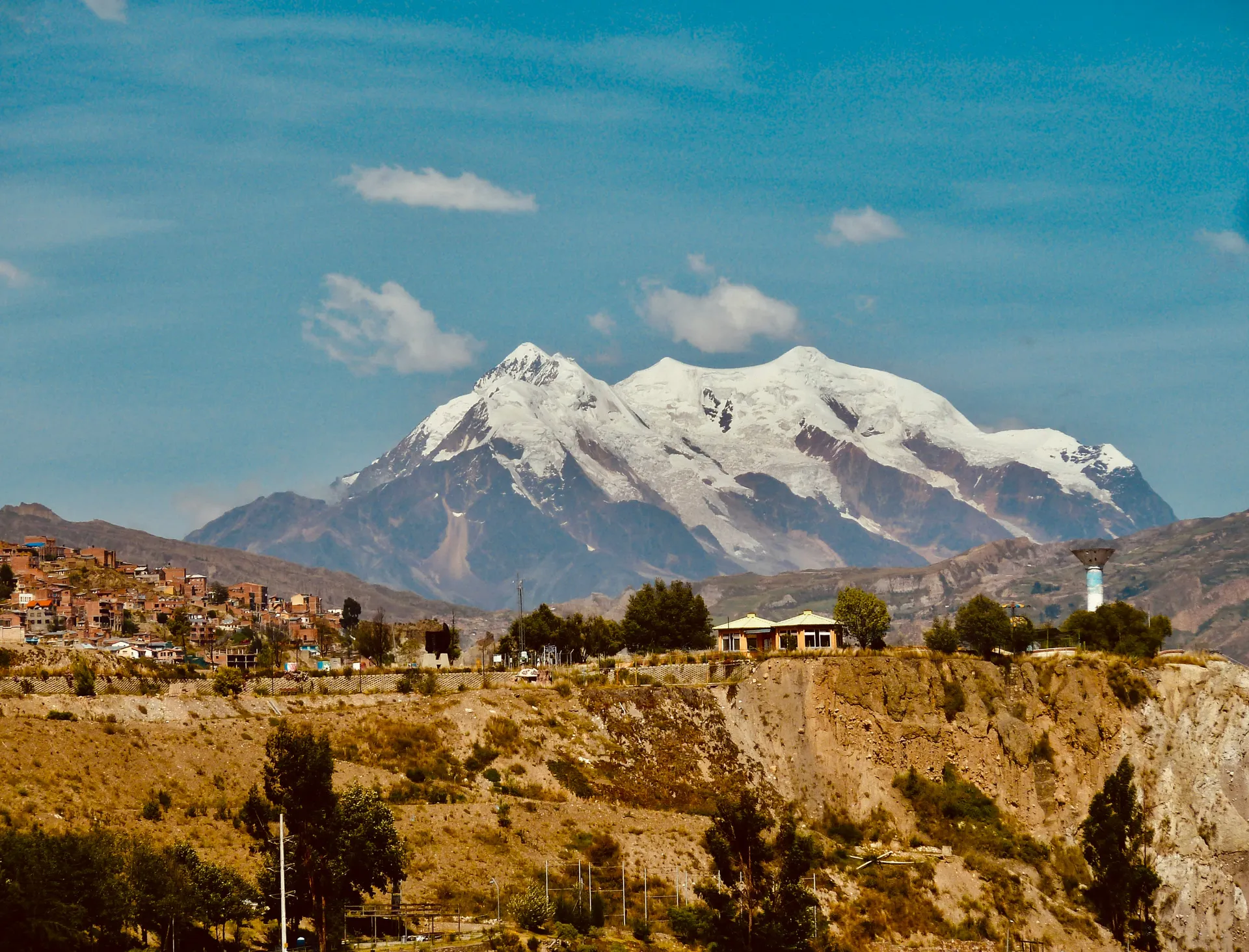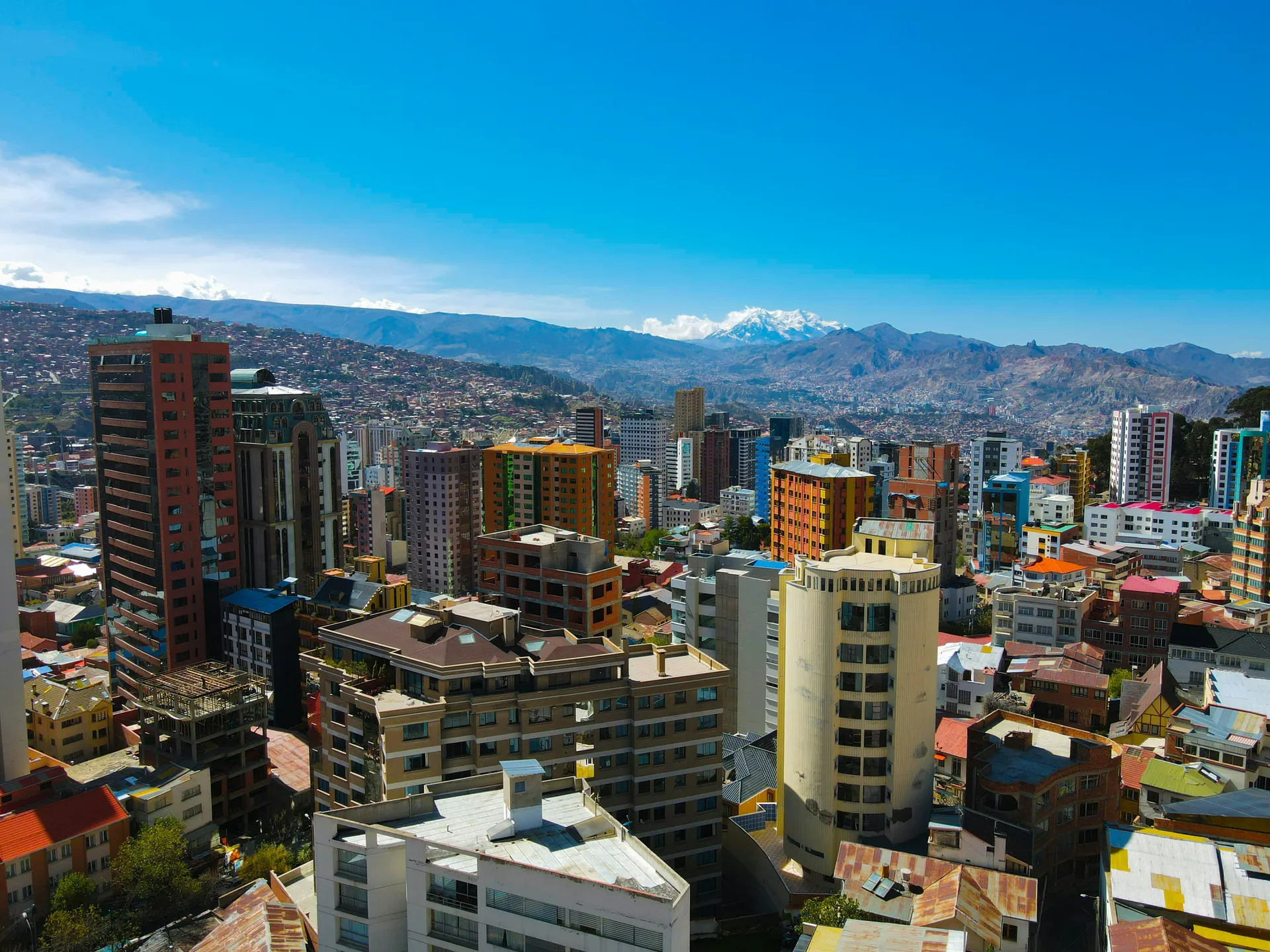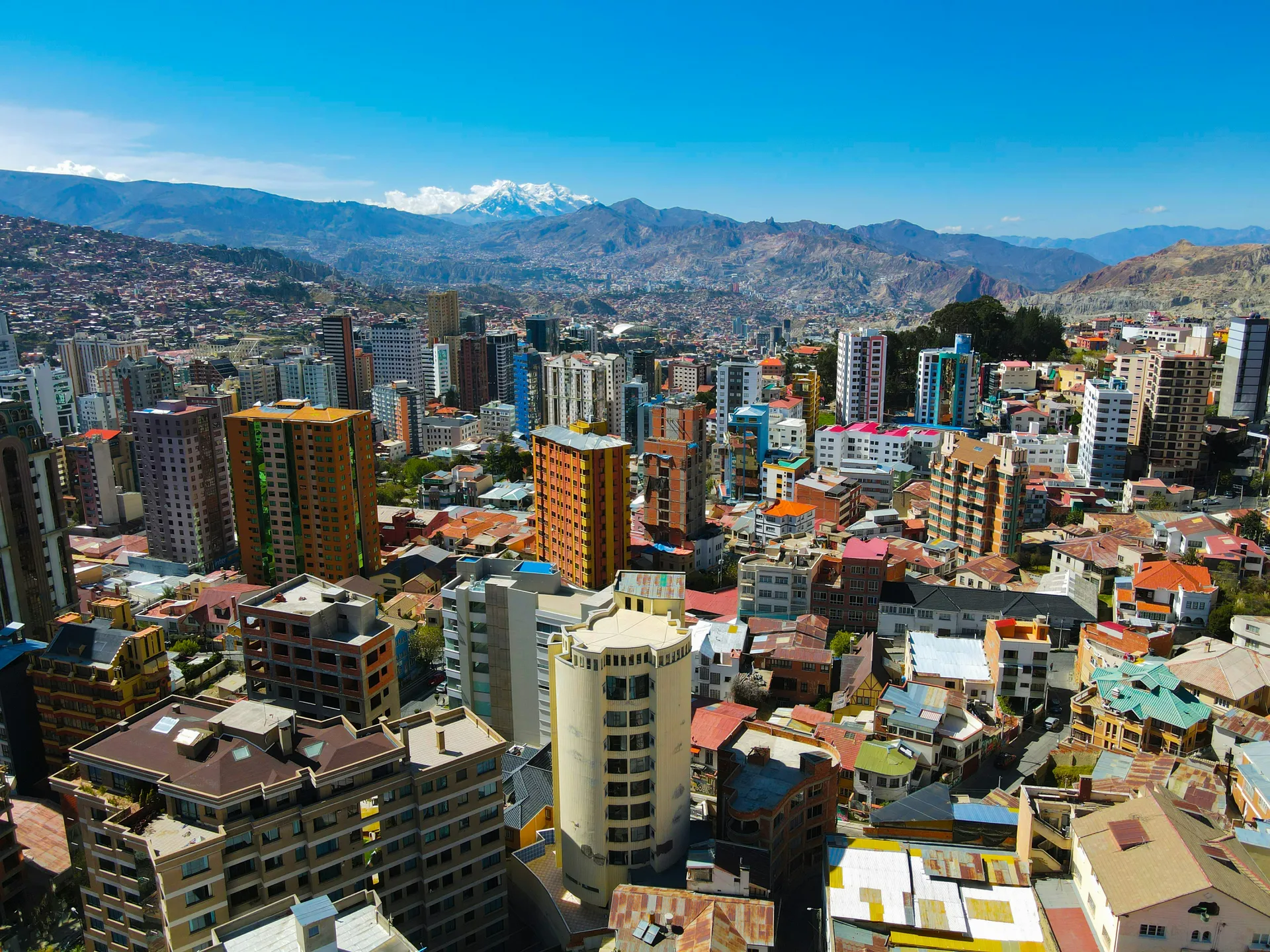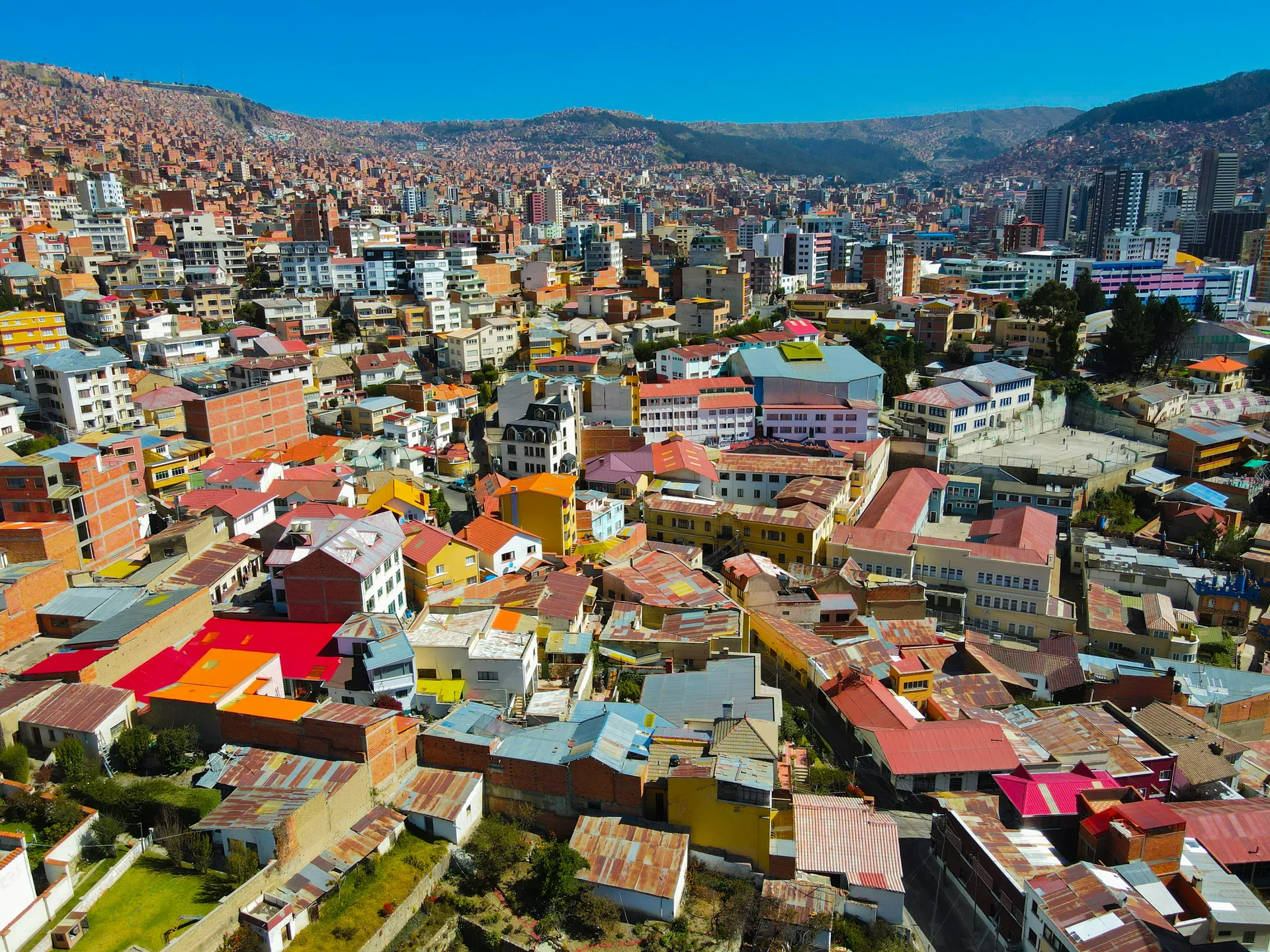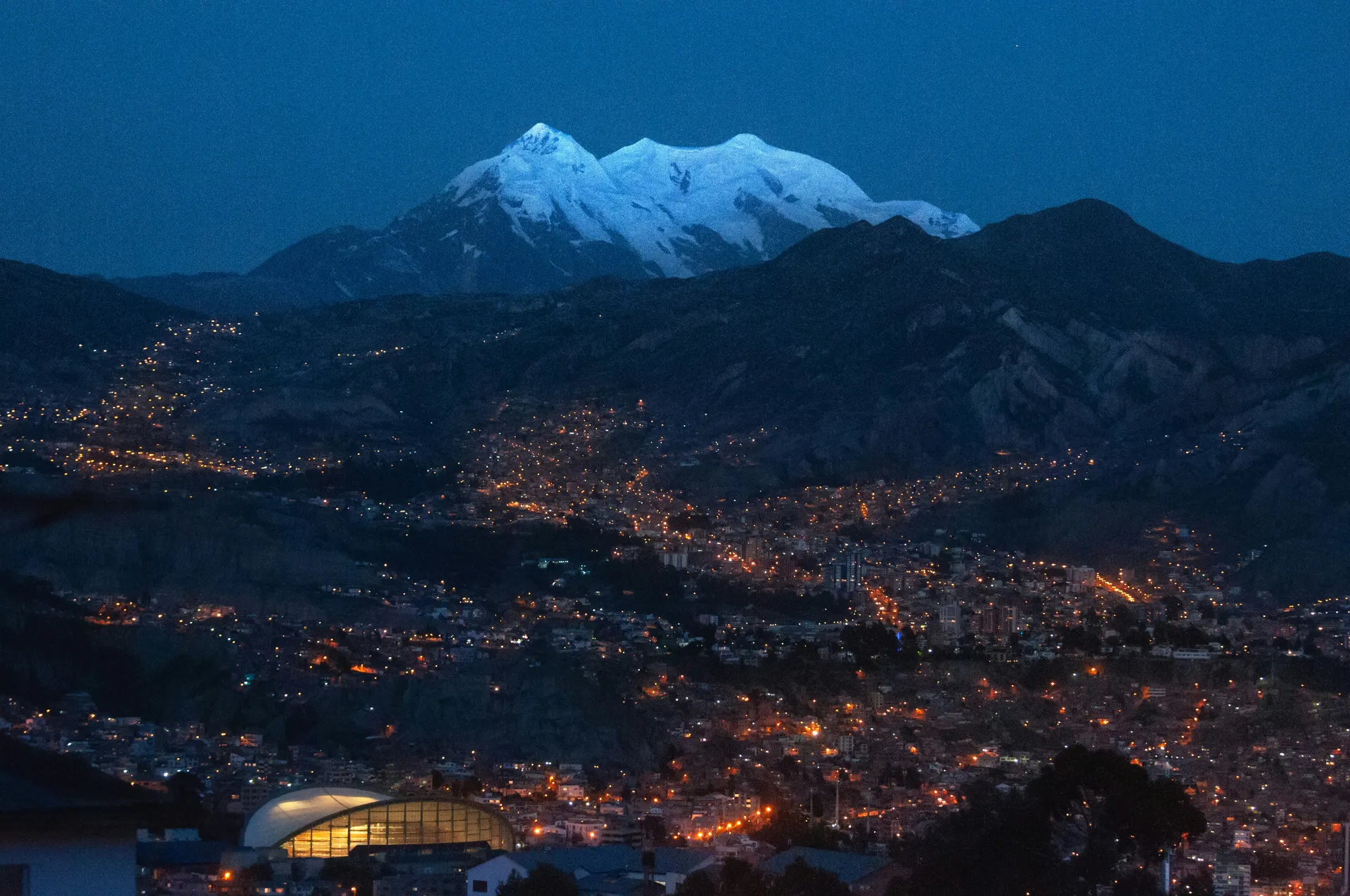
La Paz is the city that takes your breath away — literally, at 3,640 meters above sea level, and figuratively, when you first glimpse this Bolivian administrative capital filling a dramatic canyon beneath the snow-capped peak of Illimani. No other city on Earth occupies geography quite like this: a metropolis of nearly a million people spread across a vertiginous bowl, its buildings climbing the canyon walls at angles that defy architectural common sense.
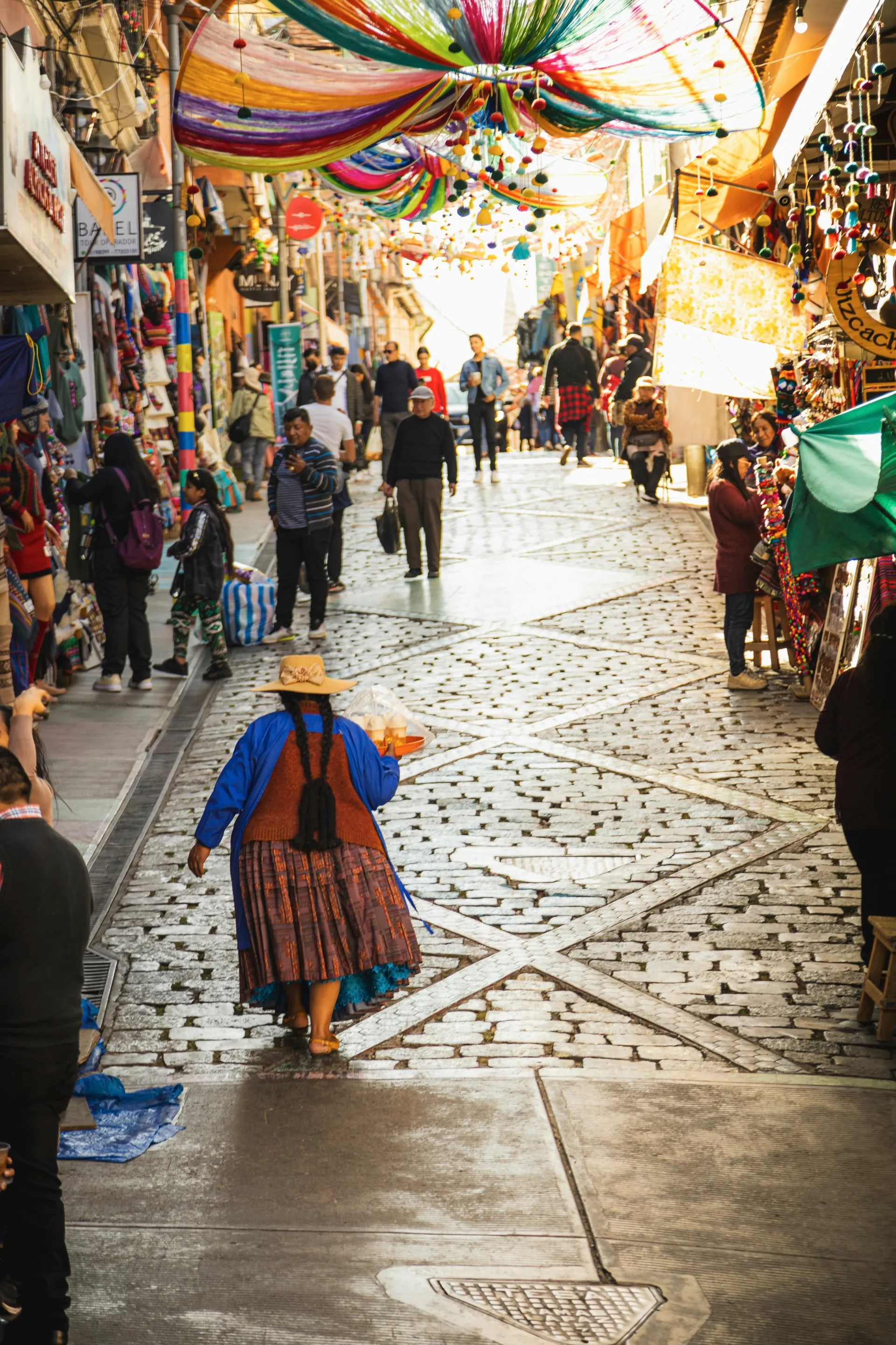
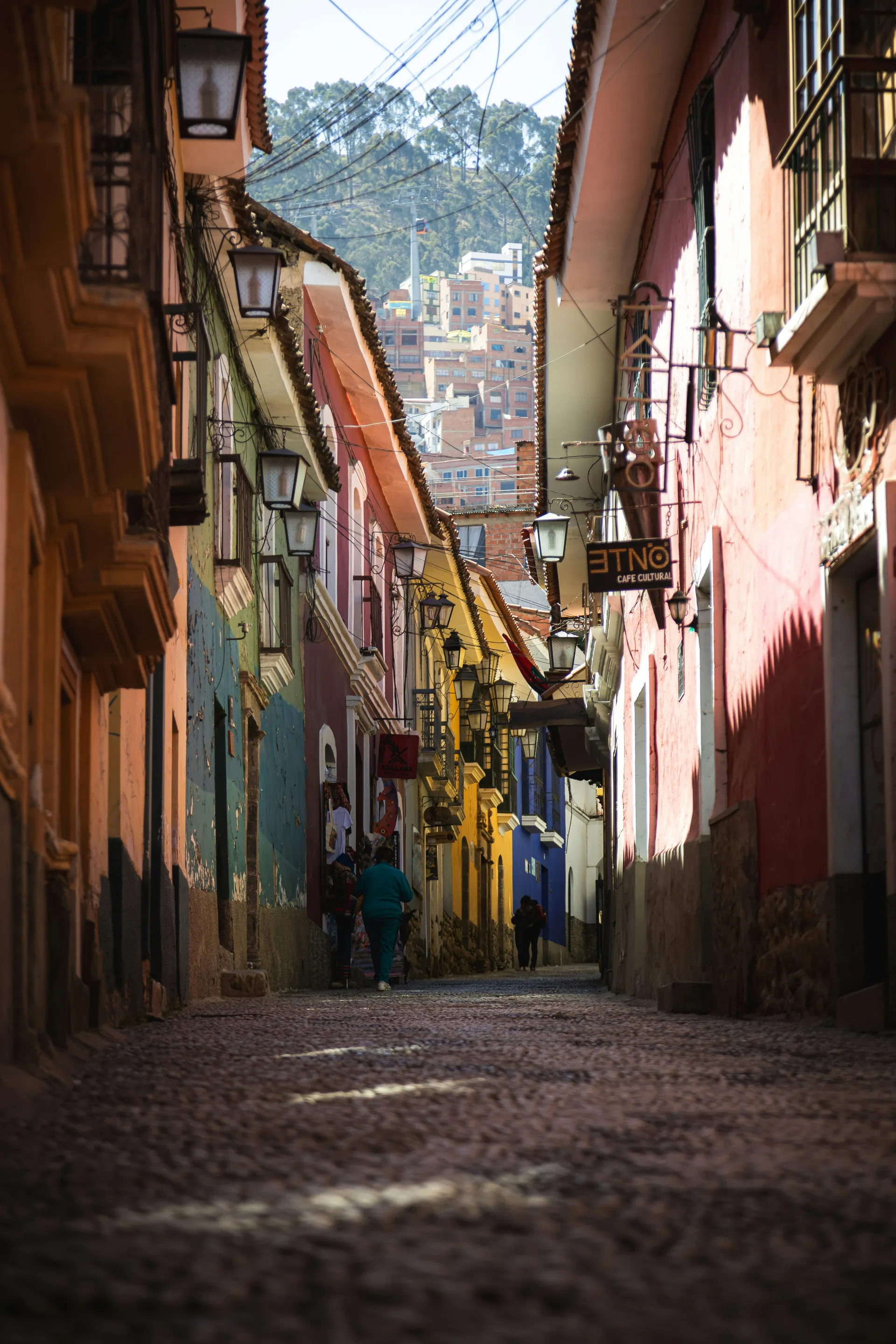
The Witches' Market — Mercado de las Brujas — provides one of South America's most distinctive cultural encounters. Tucked into the steep streets of the old town, its stalls display dried llama fetuses (buried beneath new buildings for good luck), medicinal herbs, amulets, and the ritual objects of Aymara spirituality — a pre-Columbian belief system that Catholicism has overlaid but never replaced. The adjacent artisan market offers textiles of extraordinary quality, particularly the weavings that use techniques unchanged since the Tiwanaku civilization flourished on the shores of Lake Titicaca over a millennium ago.
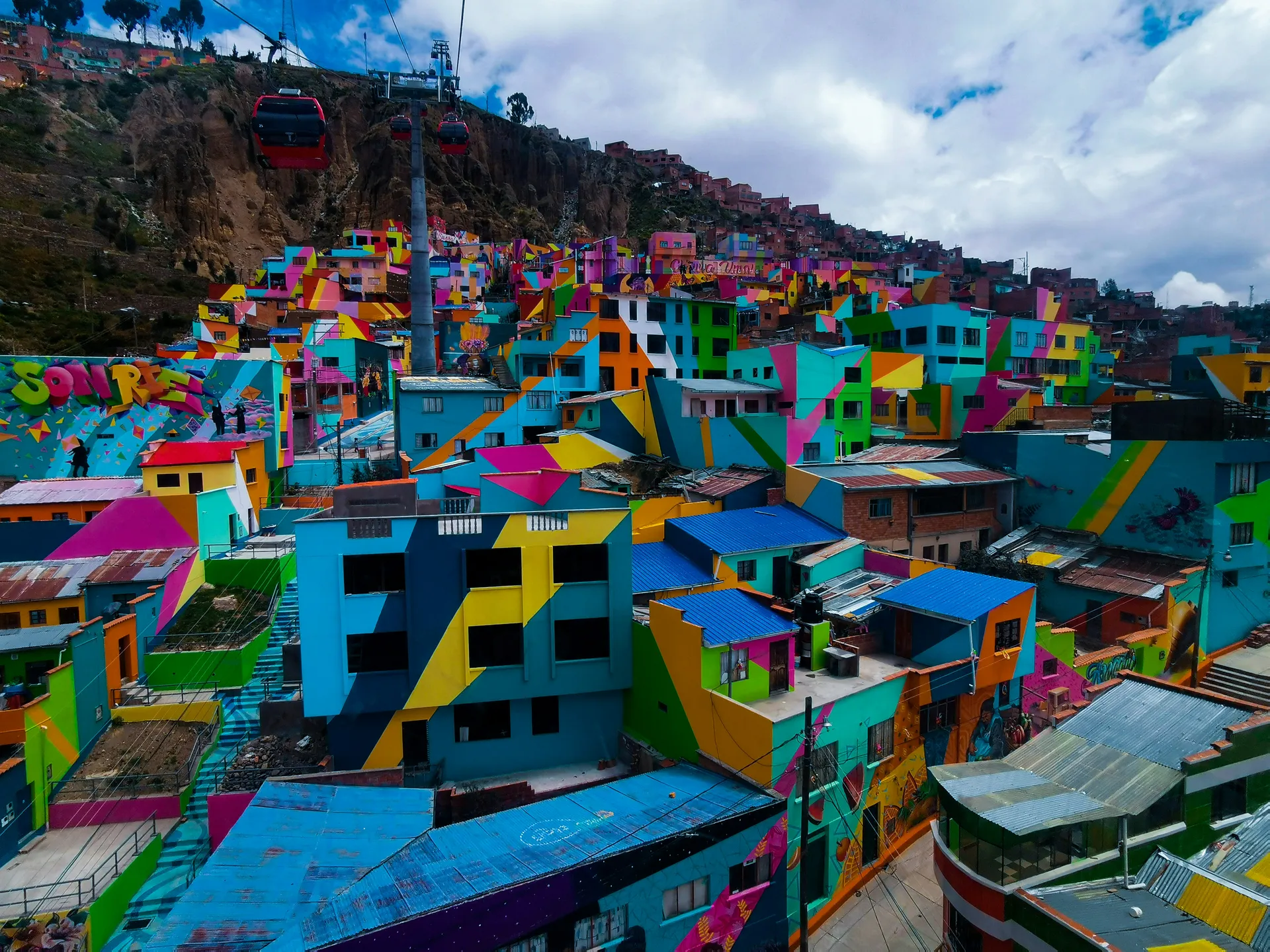
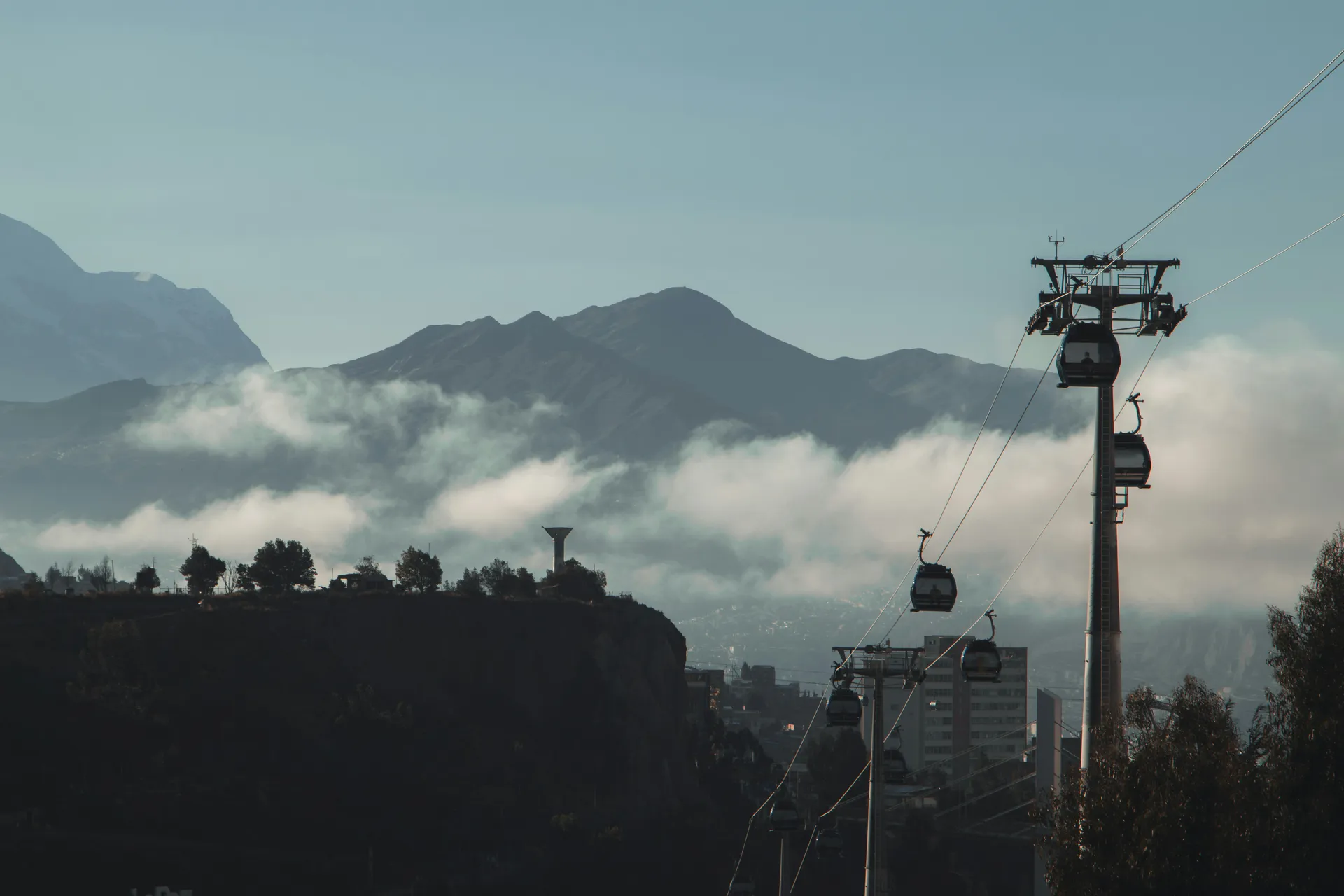
La Paz's teleférico — the world's highest and longest urban cable car network — has transformed the city's transportation while providing visitors with aerial perspectives of staggering beauty. The system's multiple lines climb from the city center to the neighborhoods perched on the canyon rim and the adjacent city of El Alto, providing views that encompass the entire bowl, the surrounding altiplano, and the Cordillera Real's ice-capped peaks extending to the horizon.
Carnival Cruise Line includes La Paz as an excursion option on South American itineraries. The city's dining scene has evolved remarkably, with a new generation of chefs incorporating altiplano ingredients — quinoa, chuño (freeze-dried potatoes), and llama meat — into contemporary cuisine that has begun attracting international attention.
May through October provides the driest conditions, with clear skies that maximize the views that make La Paz visually incomparable. The altitude demands respect — a day of acclimatization is advisable before significant exertion — but the reward is a city that operates at an elevation where other cities would be mountaintop resorts, conducting ordinary urban life at extraordinary altitude with the matter-of-fact resilience that defines Bolivian character.