Belem sits at the mouth of the Amazon — the point where the world's mightiest river empties into the Atlantic through a delta so vast that the freshwater plume extends 400 kilometres into the ocean. This city of 1.5 million, capital of the Brazilian state of Para, is the gateway to the Amazon basin and the cultural capital of northern Brazil — a place where the jungle permeates the urban fabric in ways both literal (the mango trees that shade every street) and figurative (the indigenous ingredients, rhythms, and traditions that distinguish Belenense culture from the rest of Brazil).
The Ver-o-Peso market, occupying a magnificent iron-and-glass Art Nouveau hall on the waterfront, is the largest open-air market in Latin America and the single most immersive food experience in Brazil. The pre-dawn fish market — where hundreds of species of Amazonian freshwater fish, many unknown outside the region, are laid out in silvery abundance — transitions at sunrise into a produce market of staggering tropical variety: acai berries (Belem is the world capital of acai, consumed here as a thick, unsweetened pulp rather than the sweetened smoothie bowl of international fashion), cupuacu, bacuri, tucuma, and dozens of other fruits whose names exist only in Portuguese and the indigenous languages from which they derive. The medicinal herbs and potions section — where vendors prescribe plant-based remedies for ailments ranging from heartbreak to hair loss — adds an element of ethnobotanical theatre.
The cuisine of Belem is increasingly recognised as one of Brazil's most distinctive and exciting regional kitchens. Tacaca, a soup of tucupi (a yellow broth derived from wild manioc), jambu (a leafy herb that numbs the mouth with a mild electric sensation), dried shrimp, and tapioca gum, is Belem's iconic street food — served in gourd bowls at tacaca stands that appear on every corner at dusk. Maniçoba, a stew of ground manioc leaves simmered with smoked meats for a week to eliminate the leaf's natural cyanide, is Para's answer to feijoada. Pato no tucupi — duck braised in tucupi with jambu — is the festive dish served at the Cirio de Nazare, Belem's immense religious procession in October that draws over two million participants and is one of the largest Catholic festivals in the world.
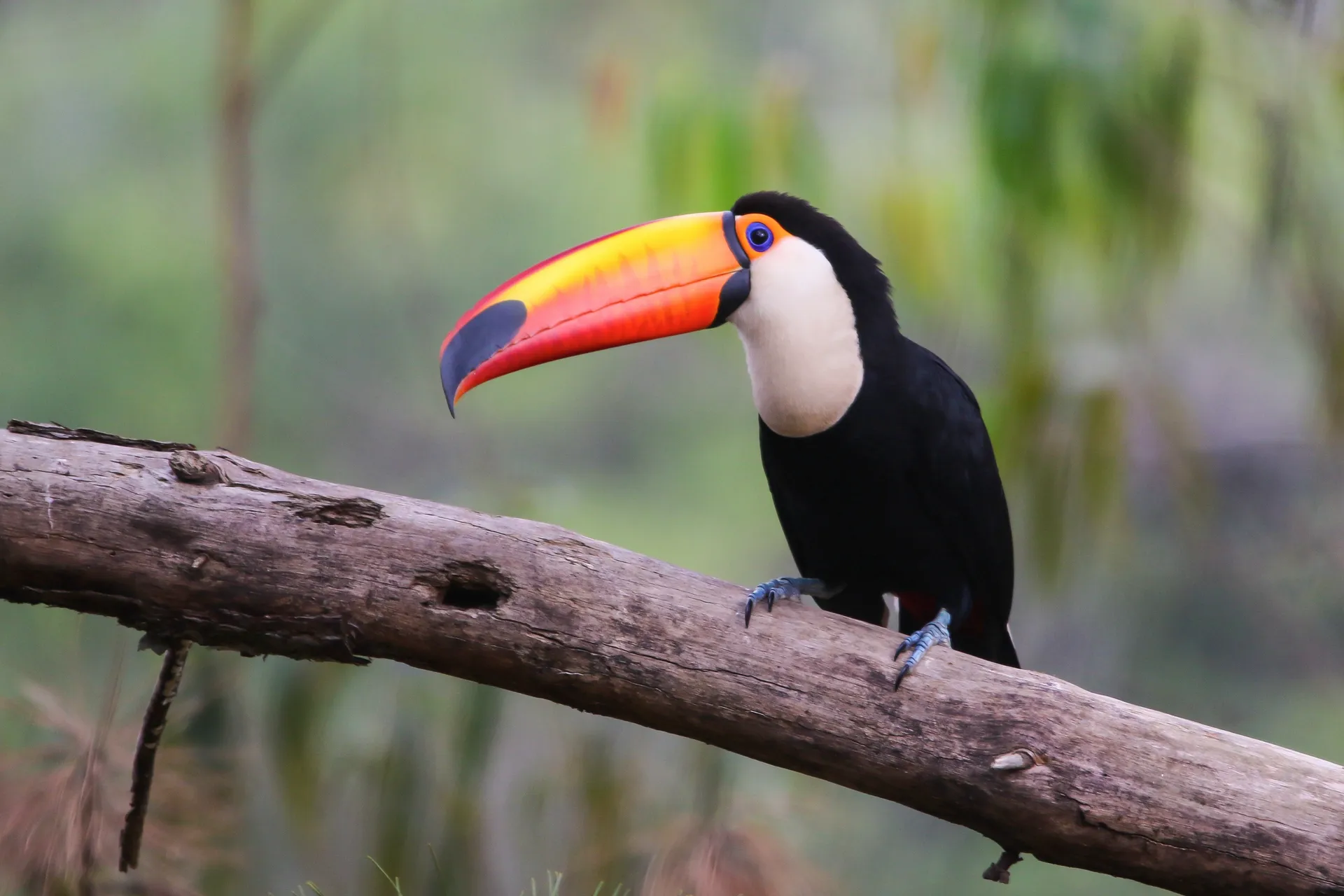
The colonial heritage of Belem reflects the wealth that rubber, spices, and Amazonian resources brought to the city during the 19th-century boom. The Theatro da Paz, a neoclassical opera house completed in 1878, rivals Manaus's more famous Teatro Amazonas in architectural grandeur. The Estacao das Docas, a restored waterfront warehouse complex, now houses restaurants, galleries, and bars overlooking the river. The Mangal das Garcas, a riverside ecological park, provides accessible encounters with Amazonian wildlife — sloths, macaws, and the water birds that give the park its name (mangal meaning "mangrove," garcas meaning "herons") — within the city limits.
Belem is served by Azamara on Amazon and transatlantic itineraries, with ships docking at the city port. The drier season from July through December offers the most comfortable conditions, with the Cirio de Nazare procession in October providing the cultural highlight. The wet season from January through June brings heavy rainfall but also the highest river levels, which make upstream Amazon excursions more navigable.

