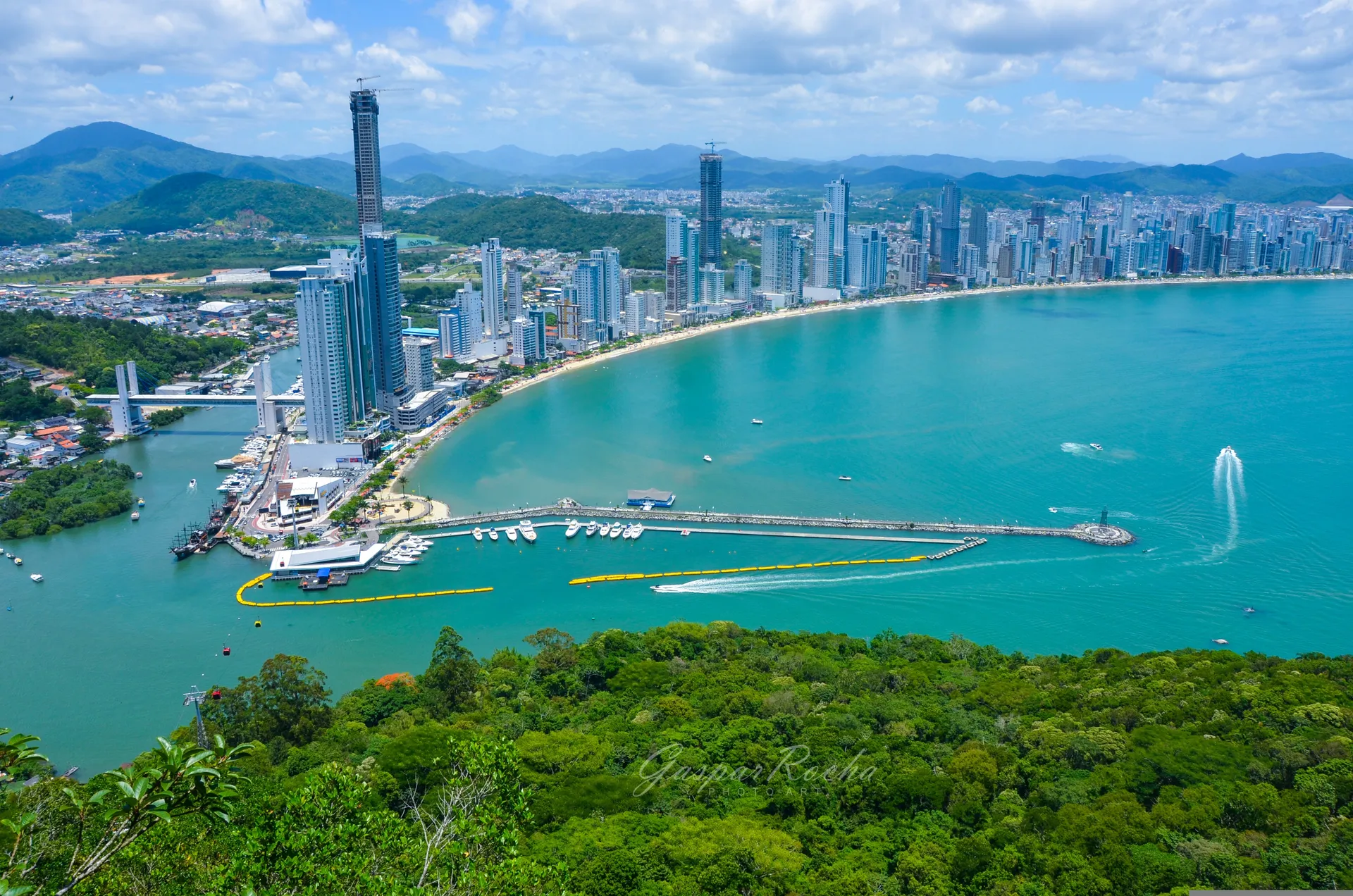
Camboriú — more precisely Balneário Camboriú, the oceanfront resort city that has earned the nickname "the Brazilian Dubai" — rises from the Santa Catarina coast in a dazzling wall of glass-and-steel towers that would not look out of place in Miami or Doha. Yet behind this ultramodern skyline lies a destination with genuine depth: pristine Atlantic Forest reserves, a cable car soaring above golden beaches, a nightlife scene that draws Brazilian and Argentine visitors by the hundreds of thousands, and a culinary culture that blends the Italian and German heritage of Santa Catarina's settlers with the tropical abundance of the Brazilian coast.
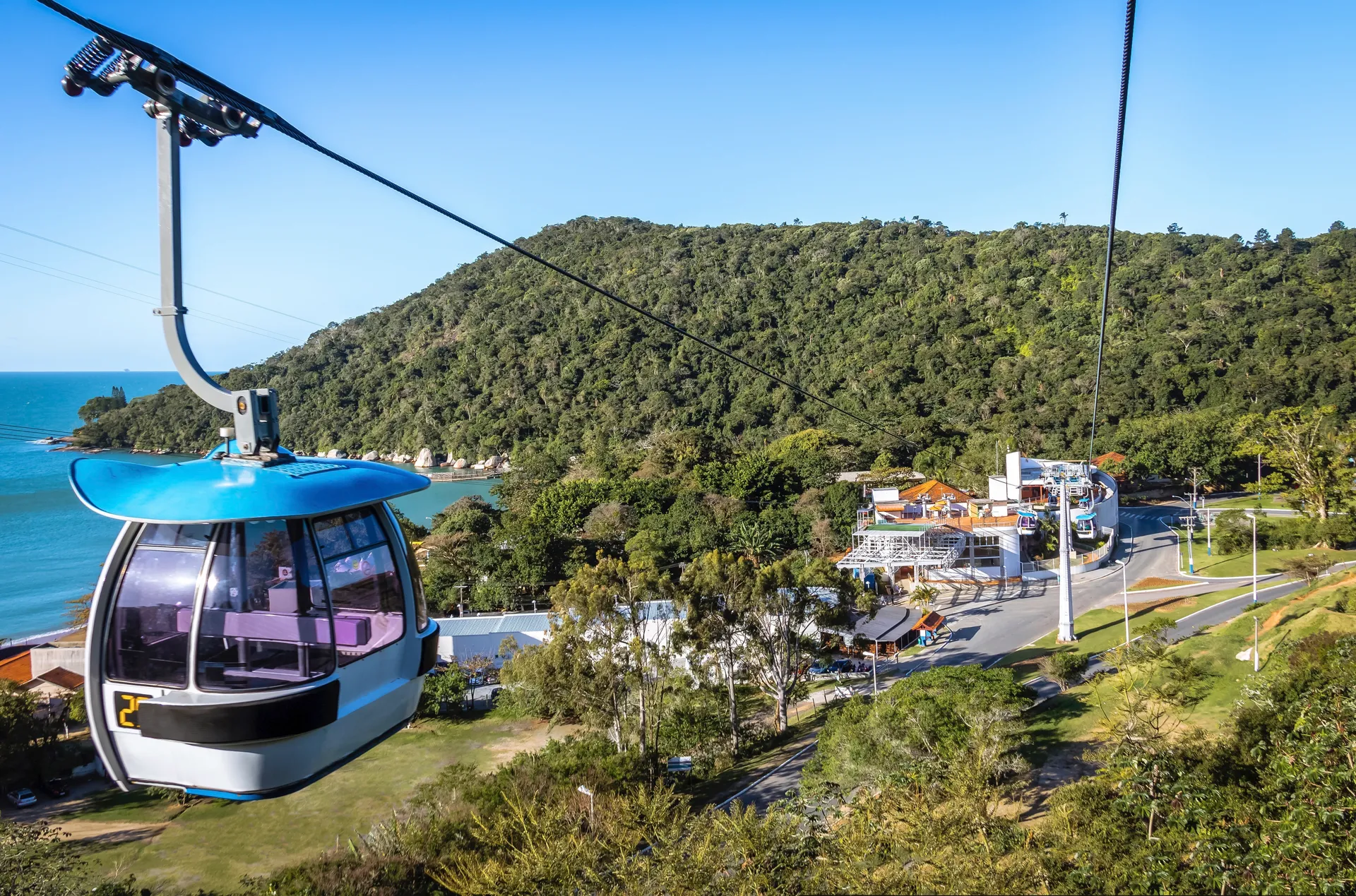
The centrepiece of Balneário Camboriú is its Praia Central, a four-kilometre crescent of sand flanked by high-rises and backed by a lively boardwalk. The beach is the social hub of the city — a place where bronzed beachgoers play footvolley, vendors hawk açaí bowls and grilled cheese-on-a-stick, and the energy is unrelentingly festive from dawn to well past midnight. But the real stars of the coastline lie beyond the central beach. The Unipraias cable car system links Praia Central to the wild, forest-backed Praia de Laranjeiras, gliding over the Pontal Norte headland with panoramic views of the coast. Praia do Estaleiro and Praia de Taquaras, accessible by trail or water taxi, offer quieter, more pristine swimming in settings that feel worlds away from the urban beach below.
The culinary landscape of Camboriú reflects Santa Catarina's unique cultural blend. The German and Italian immigrants who settled the state in the nineteenth century brought with them a tradition of charcuterie, beer brewing, and pasta making that persists today. Restaurants in the city centre serve excellent schnitzel, handmade ravioli, and artisanal lagers alongside Brazilian standards like picanha (top sirloin cap) and moqueca catarinense — a lighter, tomato-based variation of the Bahian seafood stew. The city's seafood, sourced from the cold, nutrient-rich southern Atlantic, is outstanding: grilled tainha (mullet) is the local speciality, especially during the annual mullet run in May and June, while fresh oysters from nearby Florianópolis are served at dockside bars with lime and cachaça.
Beyond the beaches, the surrounding region offers natural and cultural excursions of real substance. The Parque Unipraias contains remnants of Atlantic Forest alive with toucans, capuchin monkeys, and orchids. The colonial German town of Blumenau, an hour inland, stages Brazil's second-largest Oktoberfest and charms with its half-timbered architecture and beer halls. Florianópolis, the state capital and "Island of Magic," lies an hour and a half south and offers forty-two beaches of extraordinary variety — from the wild, surf-pounded dunes of Joaquina to the calm, mangrove-sheltered waters of Santo Antônio de Lisboa, where azulejo-tiled houses overlook the bay.
Camboriú is a port of call for MSC Cruises and Seabourn on their South American coastal itineraries. Ships typically dock at the modern port facility in Navegantes, across the Itajaí-Açu River from the resort city, with shuttle service to the beach and town centre. The best time to visit is December through March, when the southern summer brings warm temperatures, long beach days, and the electric atmosphere that makes Balneário Camboriú one of Brazil's most sought-after coastal destinations.