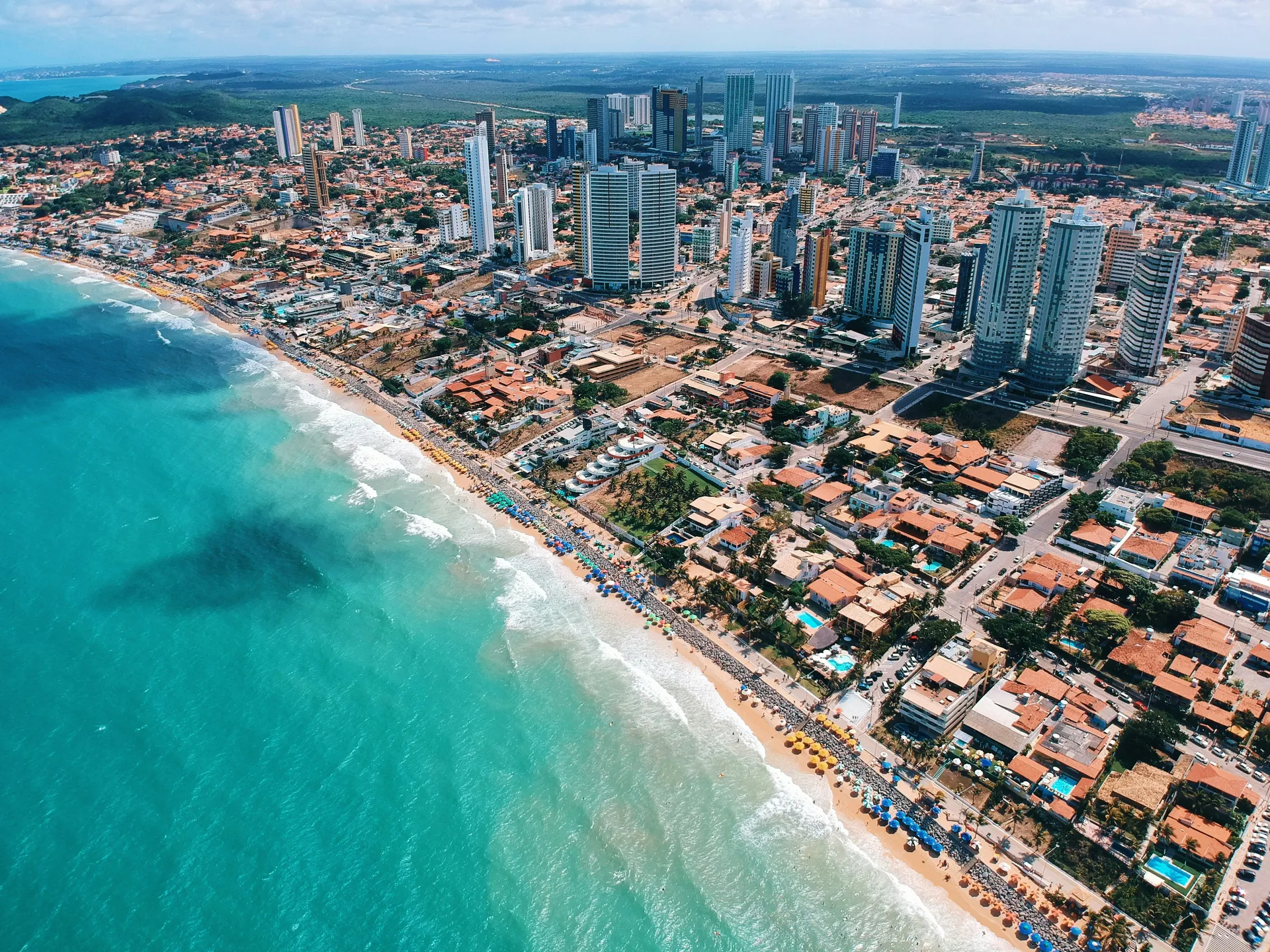
Natal — officially Natal, capital of Rio Grande do Norte — sits at the northeastern tip of Brazil, closer to the coast of West Africa than to the country's own southern cities. This geographic distinction has shaped the city's history in unexpected ways: during World War II, Natal became a critical Allied air base — the "Trampoline of Victory" — from which aircraft flew the shortest route across the Atlantic to North Africa, and the city's strategic importance brought thousands of American servicemen who left behind a legacy of Coca-Cola, chewing gum, and cultural exchange that older Natalenses still recall. Today Natal is a beach city of 890,000 that moves to the unhurried rhythms of the northeastern Brazilian coast.
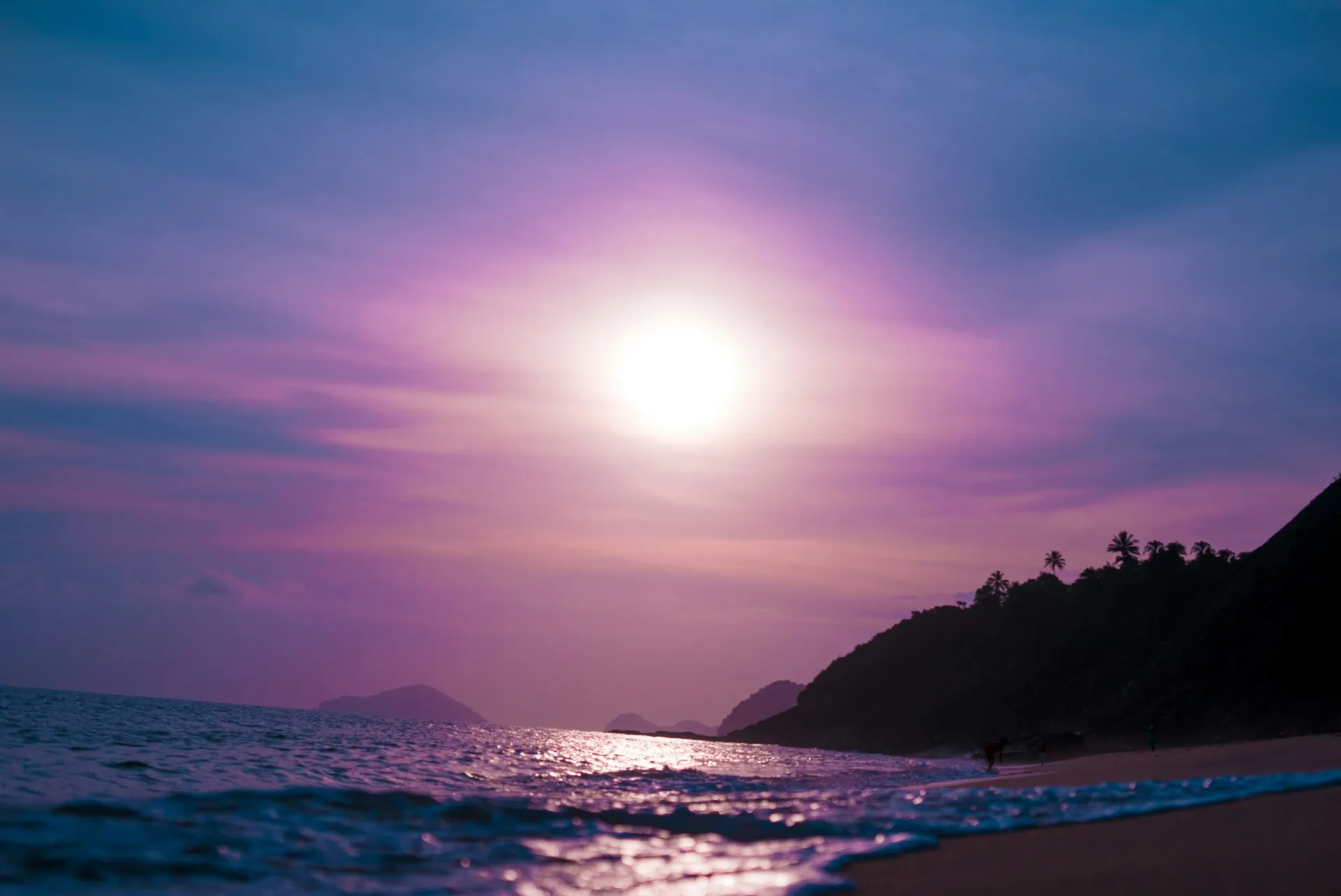
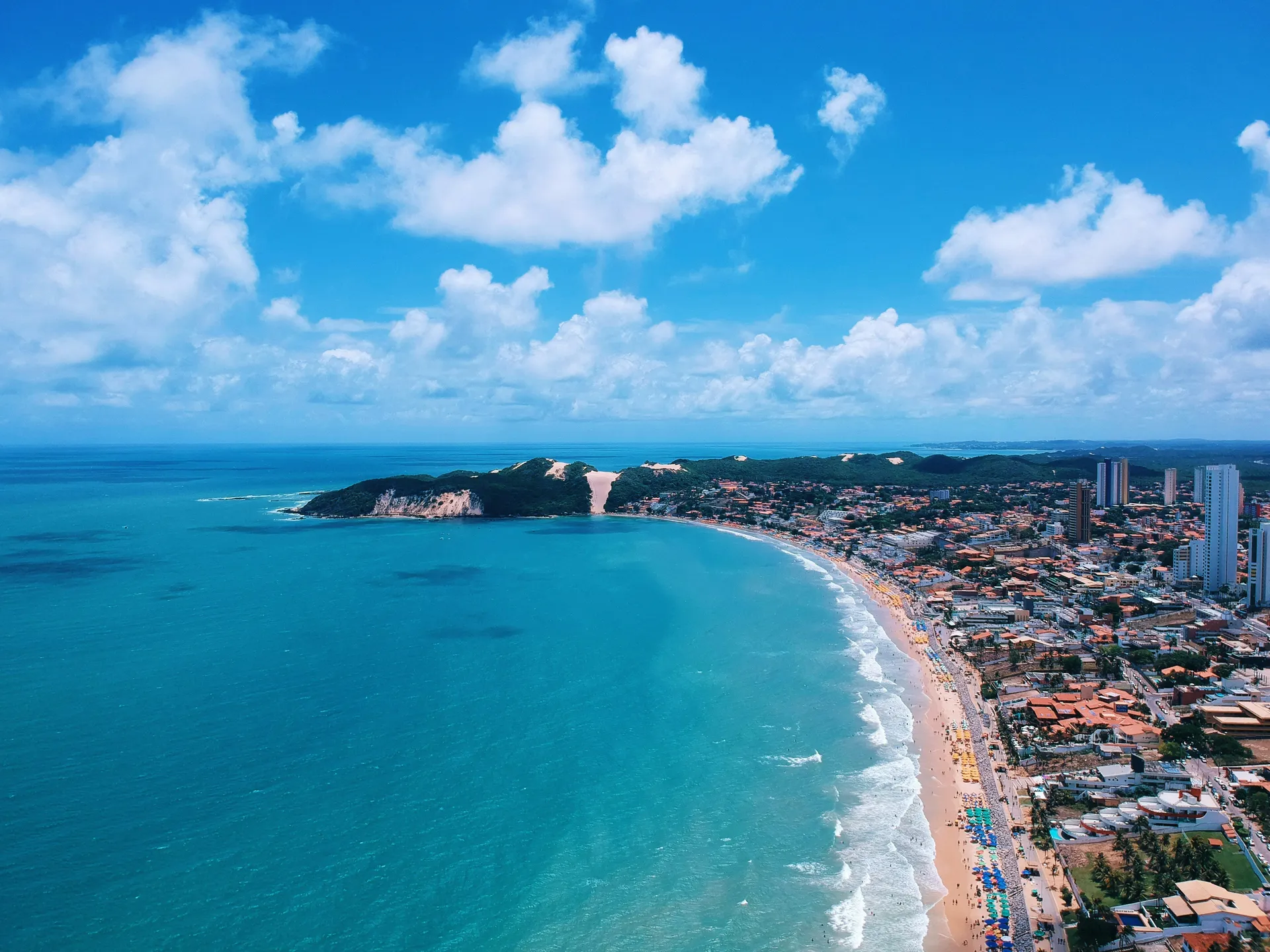
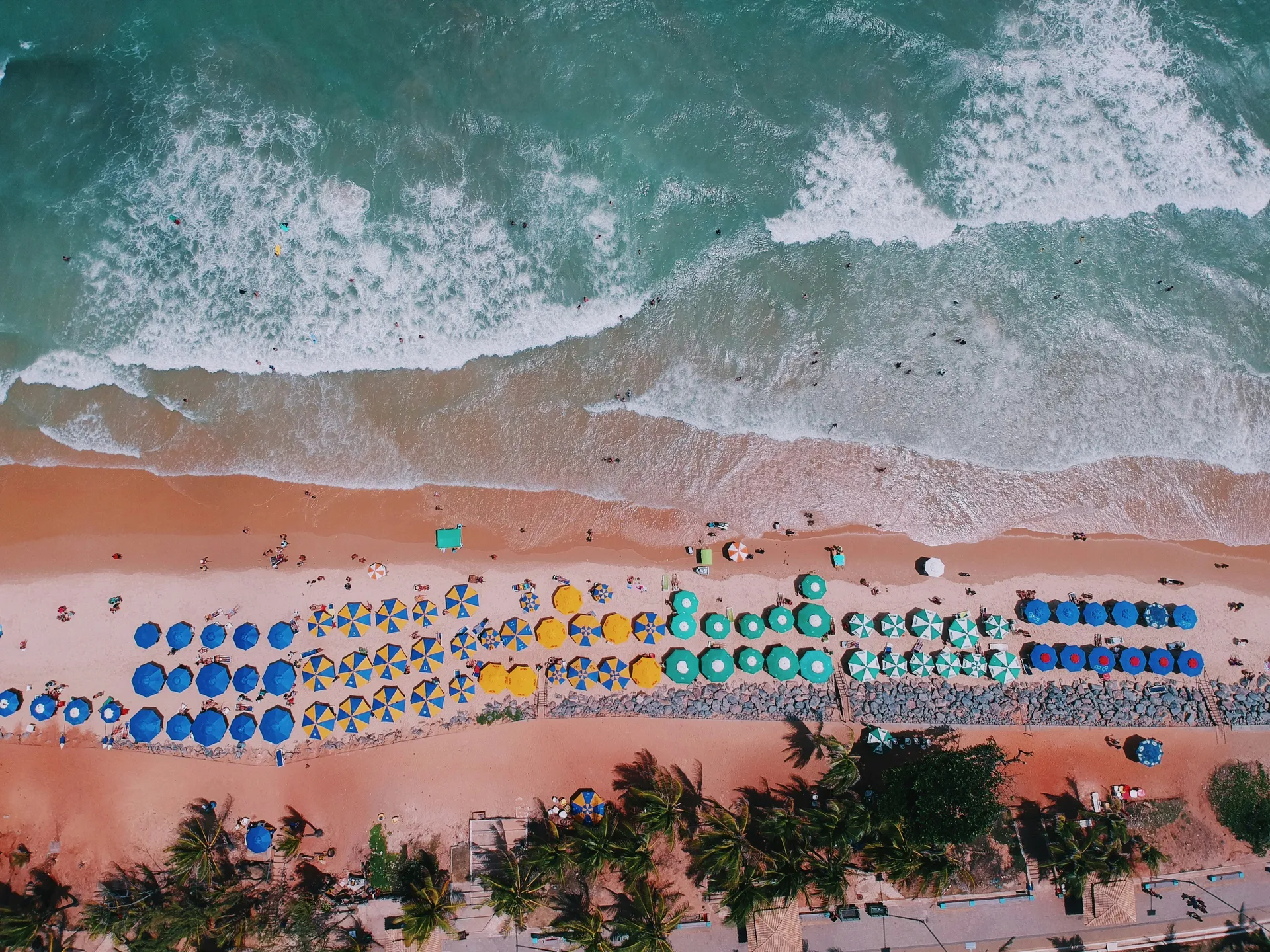
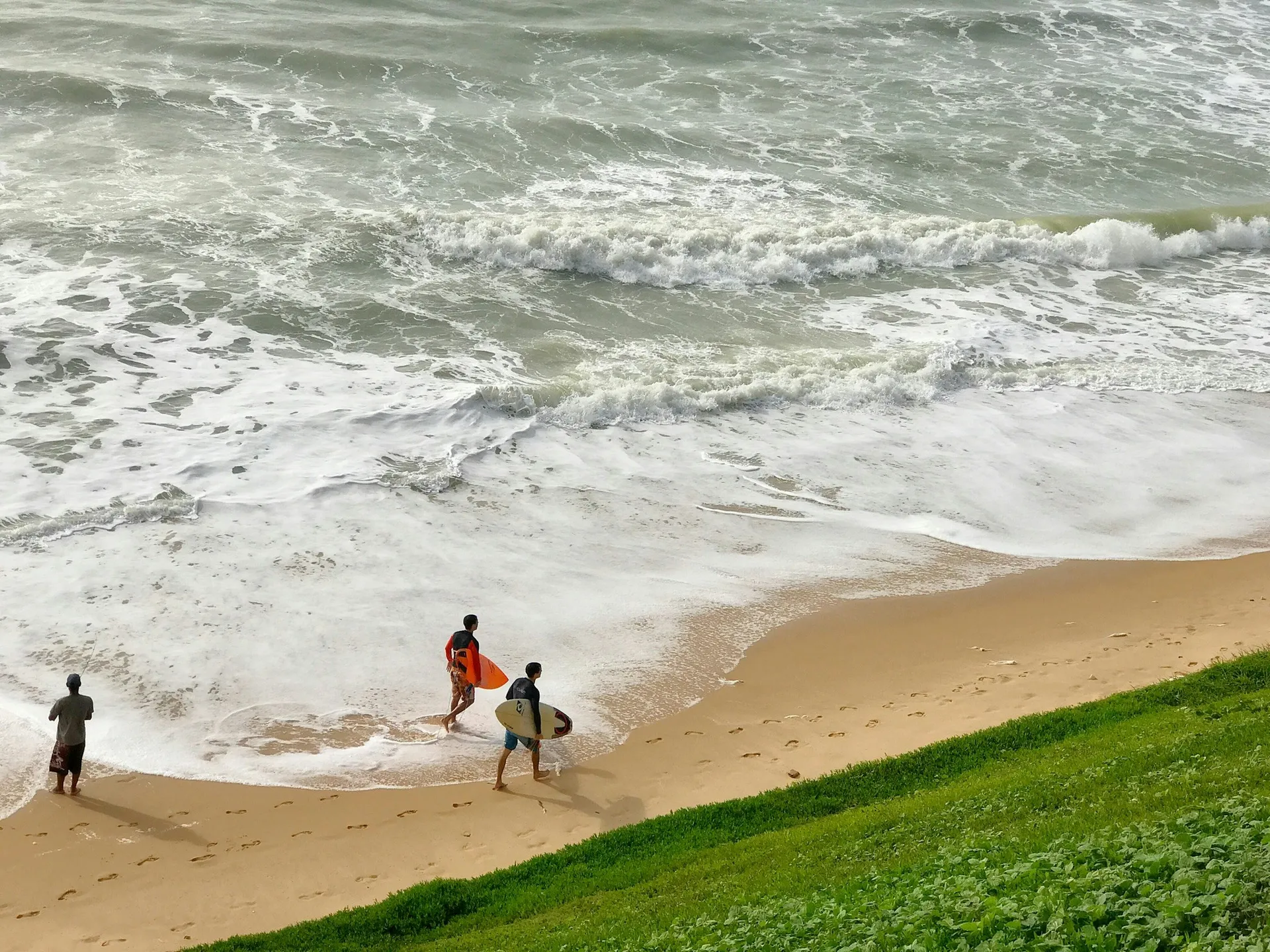
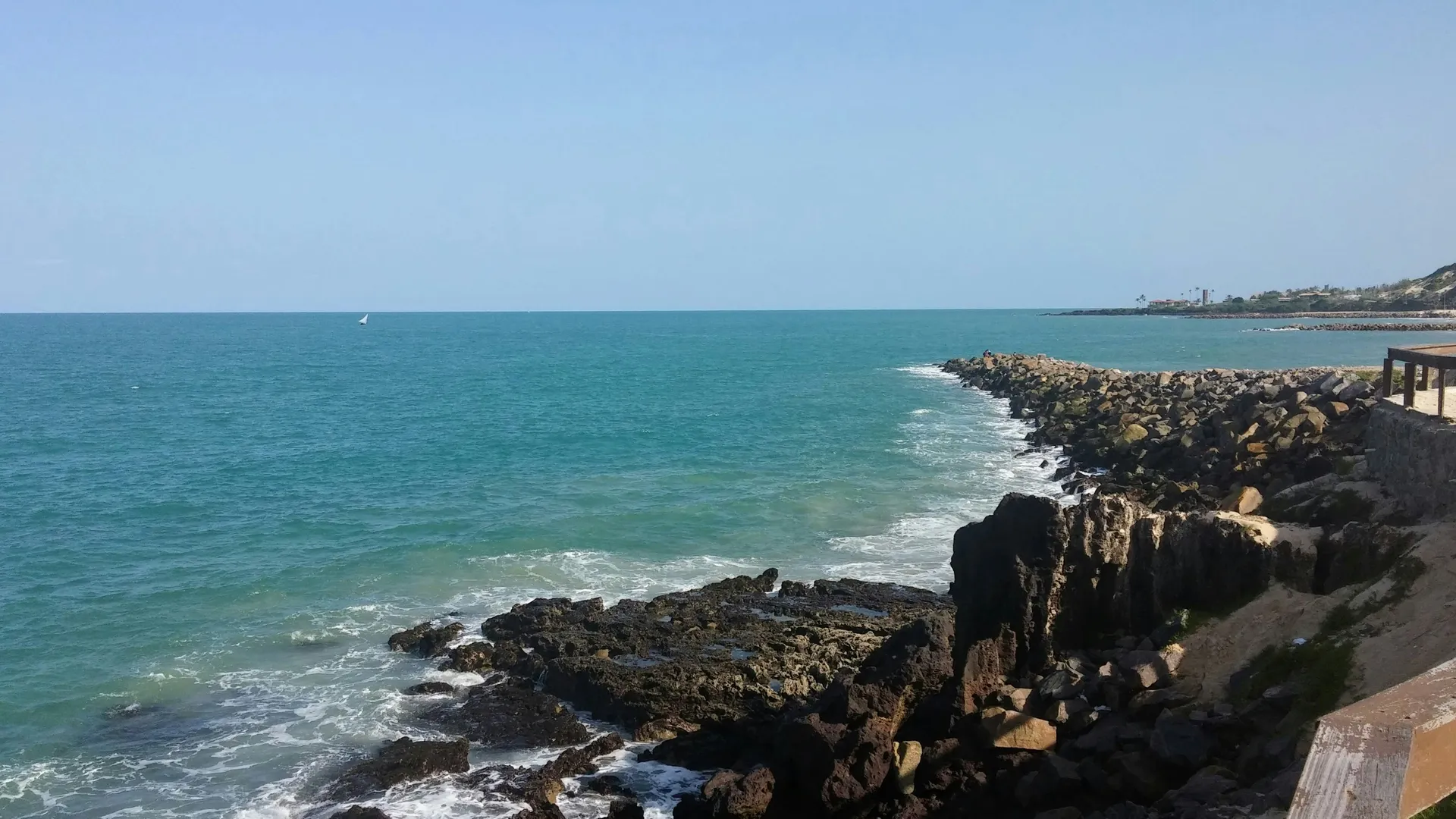
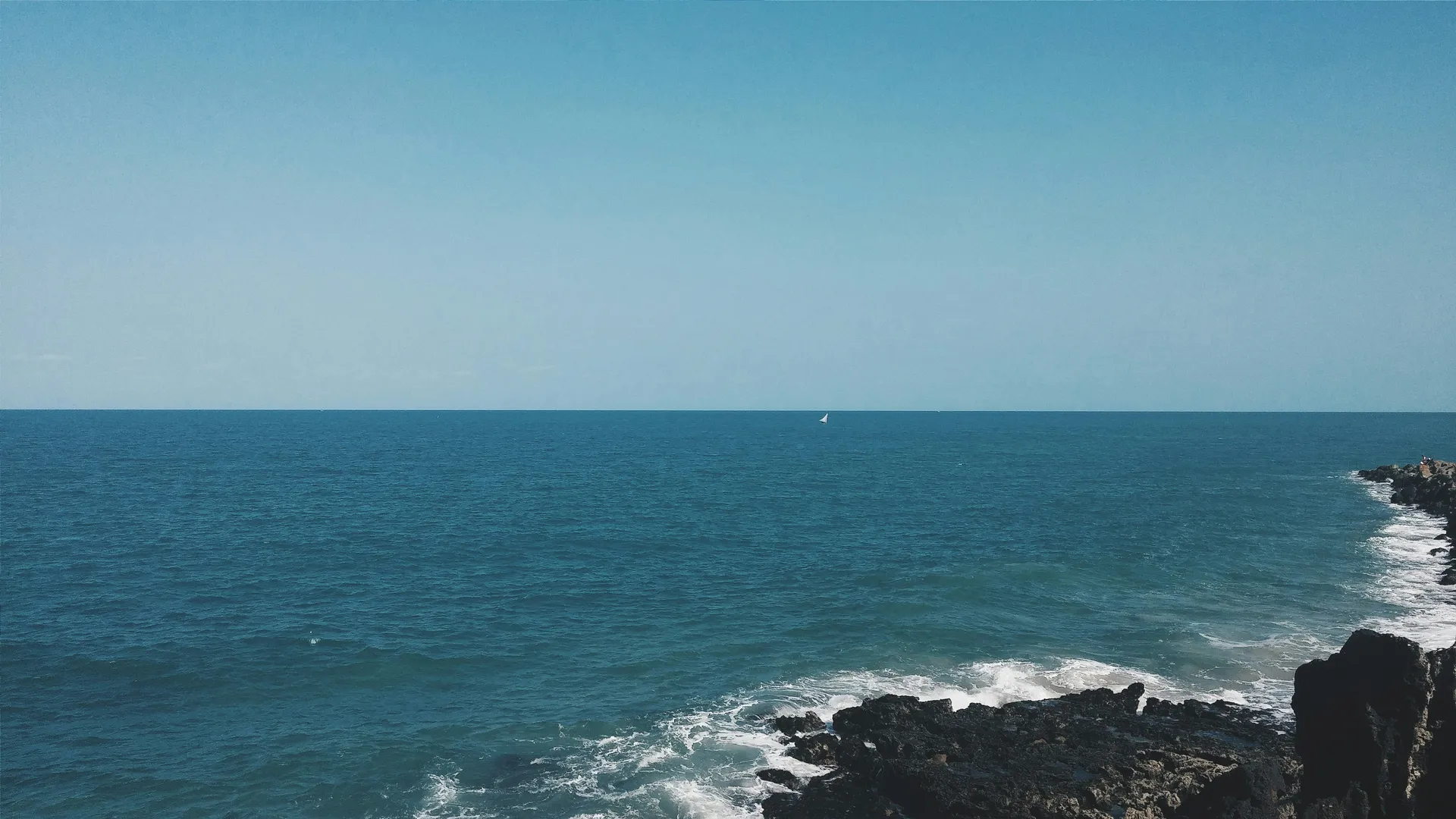
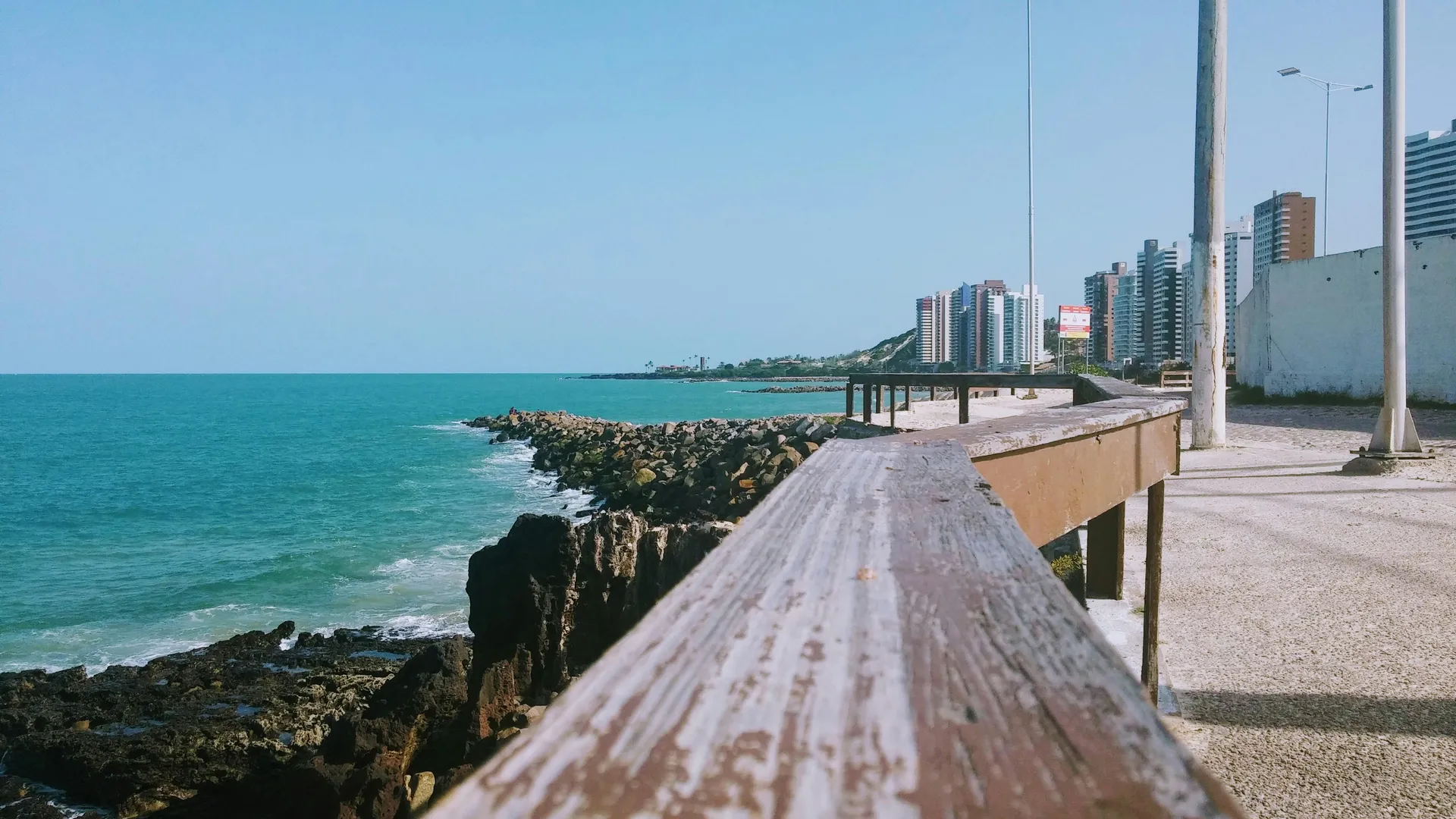
The coastline surrounding Natal is the city's defining glory. The Forte dos Reis Magos, a star-shaped Portuguese fortress built in 1598 at the mouth of the Potengi River, marks the historical heart of the city, but the real action is on the beaches that stretch in both directions — Ponta Negra, the city's most fashionable beach district, curves beneath the Morro do Careca, a 120-metre sand dune whose blonde mass descending into turquoise water has become Natal's visual emblem. The dunes and lagoons of the surrounding coastline — particularly the vast Genipabu dune system north of the city — offer the quintessential northeastern Brazilian beach experience: buggy rides across shifting white sands, swimming in freshwater lagoons nestled between dunes, and the adrenaline of "dromedary" dune descents that send passengers sliding down near-vertical sand faces into the warm lagoon below.
The cuisine of Natal reflects its coastal northeastern identity. Ginga com tapioca — tiny fried fish served with tapioca flatbread — is the city's signature street food, sold from stalls along the beachfront and at the Praia do Meio. Camarao na moranga — shrimp in a creamy catupiry cheese sauce served inside a roasted pumpkin — is the region's most beloved restaurant dish, rich and indulgent enough to fuel an entire afternoon of beach lounging. The fruit juices of the northeast are extraordinary: cajú (cashew fruit), graviola (soursop), and acerola (Barbados cherry) are blended to order at every corner, their exotic flavours a vivid contrast to the citrus-dominated juice bars of southern Brazil.
The Parnamirim Air Base, site of the World War II American operations, is now largely a commercial area, but the Barreira do Inferno (Gateway to Hell) launch centre — established in 1965 and named for the dramatic red cliffs on which it sits — is Brazil's first rocket launch facility and offers guided tours that cover both the country's space program and the wartime history of the Natal air operations. The Maracajau Reef, 60 kilometres north of the city, provides one of the best snorkelling experiences on the Brazilian coast — a submerged reef platform that creates natural tide pools of warm, clear water teeming with tropical fish, accessible by catamaran from the fishing village of Maracajau.
Natal is served by Seabourn on South American and transatlantic itineraries, with ships docking at the Terminal de Passageiros de Natal. The ideal visiting season is September through February, when the dry season delivers reliable sunshine and trade winds moderate the tropical heat. Water temperatures remain above 27 degrees Celsius year-round, ensuring beach and snorkelling conditions are excellent regardless of the calendar.