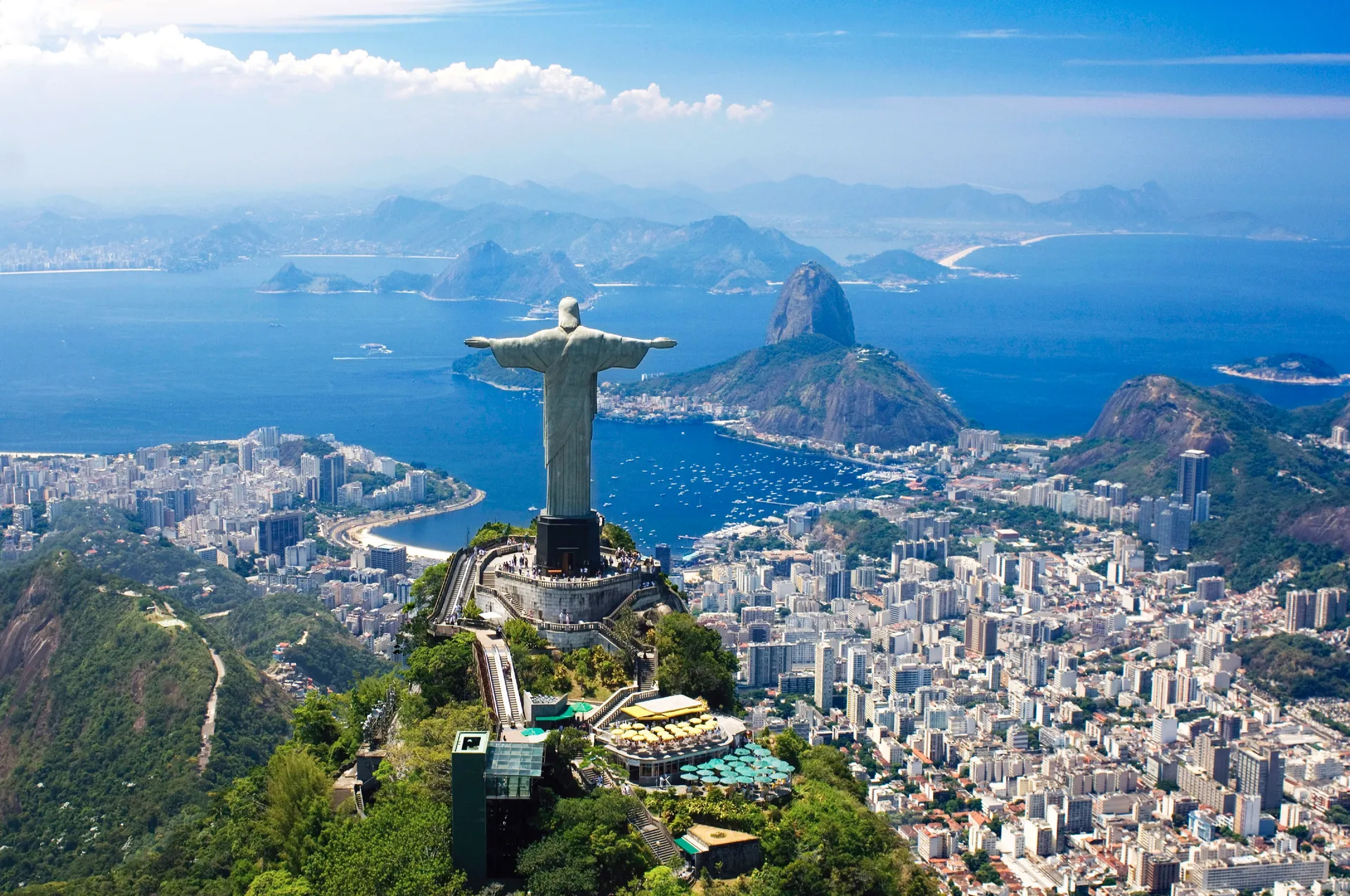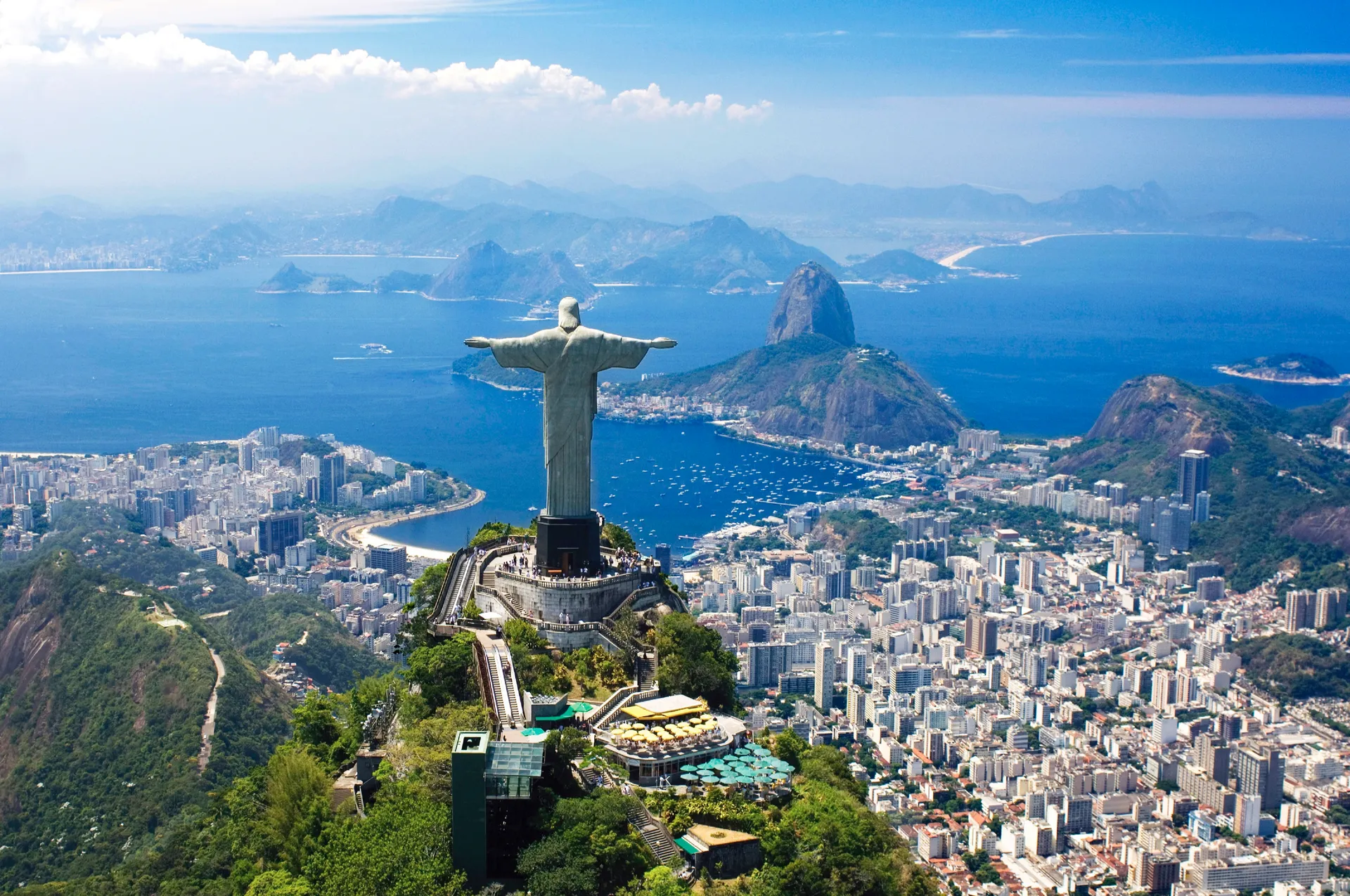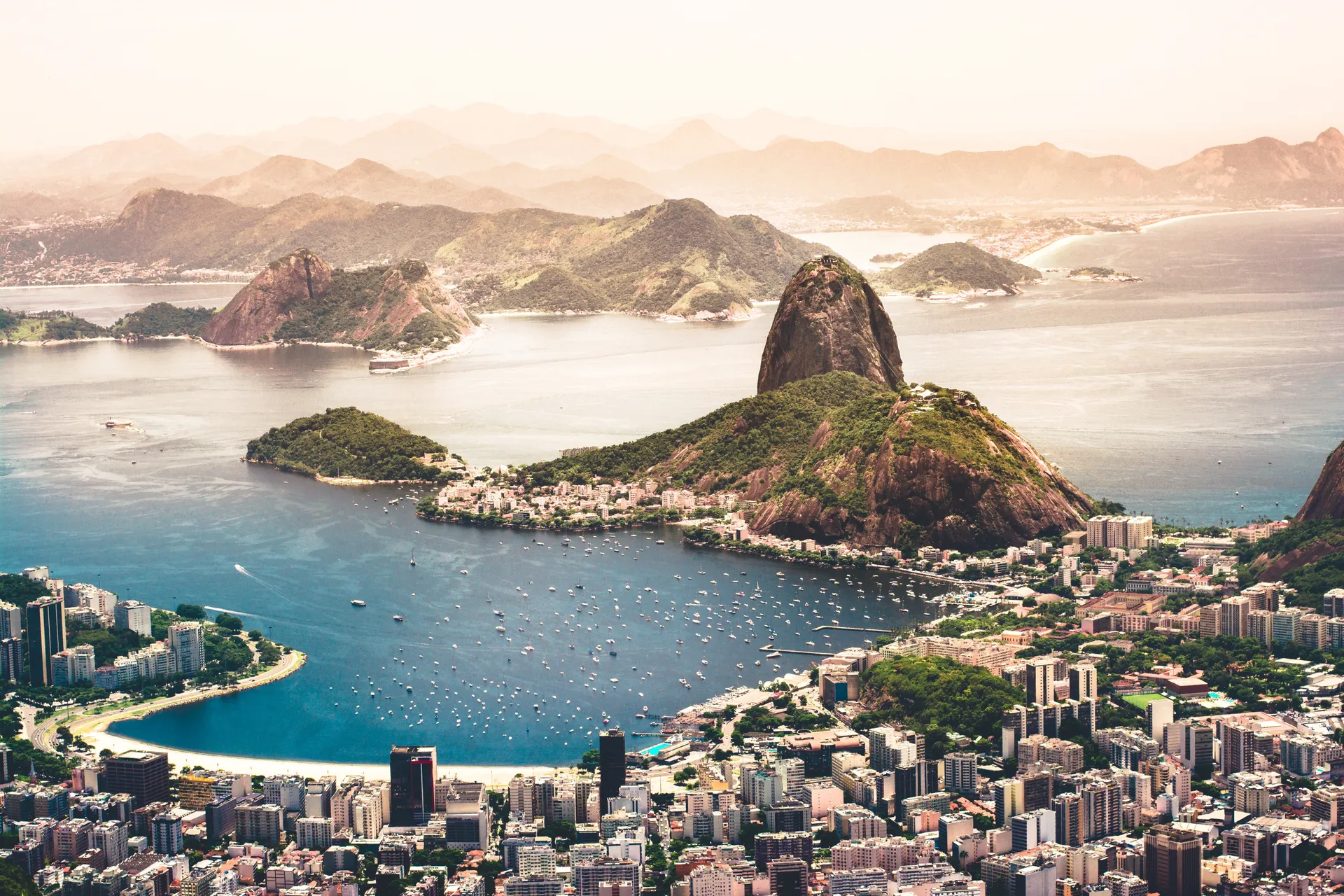
Founded in 1565 by Portuguese explorer Estácio de Sá as São Sebastião do Rio de Janeiro, this coastal marvel was named for the grand bay that Gaspar de Lemos mistook for a river's mouth when he sailed into Guanabara Bay on New Year's Day, 1502. For over two centuries, Rio served as the capital of the Portuguese Empire—the only European capital ever established outside of Europe—before becoming the heart of independent Brazil until 1960. That imperial legacy lingers in the ornate facades of the Paço Imperial, the gilded reading rooms of the Real Gabinete Português de Leitura, and the botanical gardens Emperor João VI cultivated as his private sanctuary.
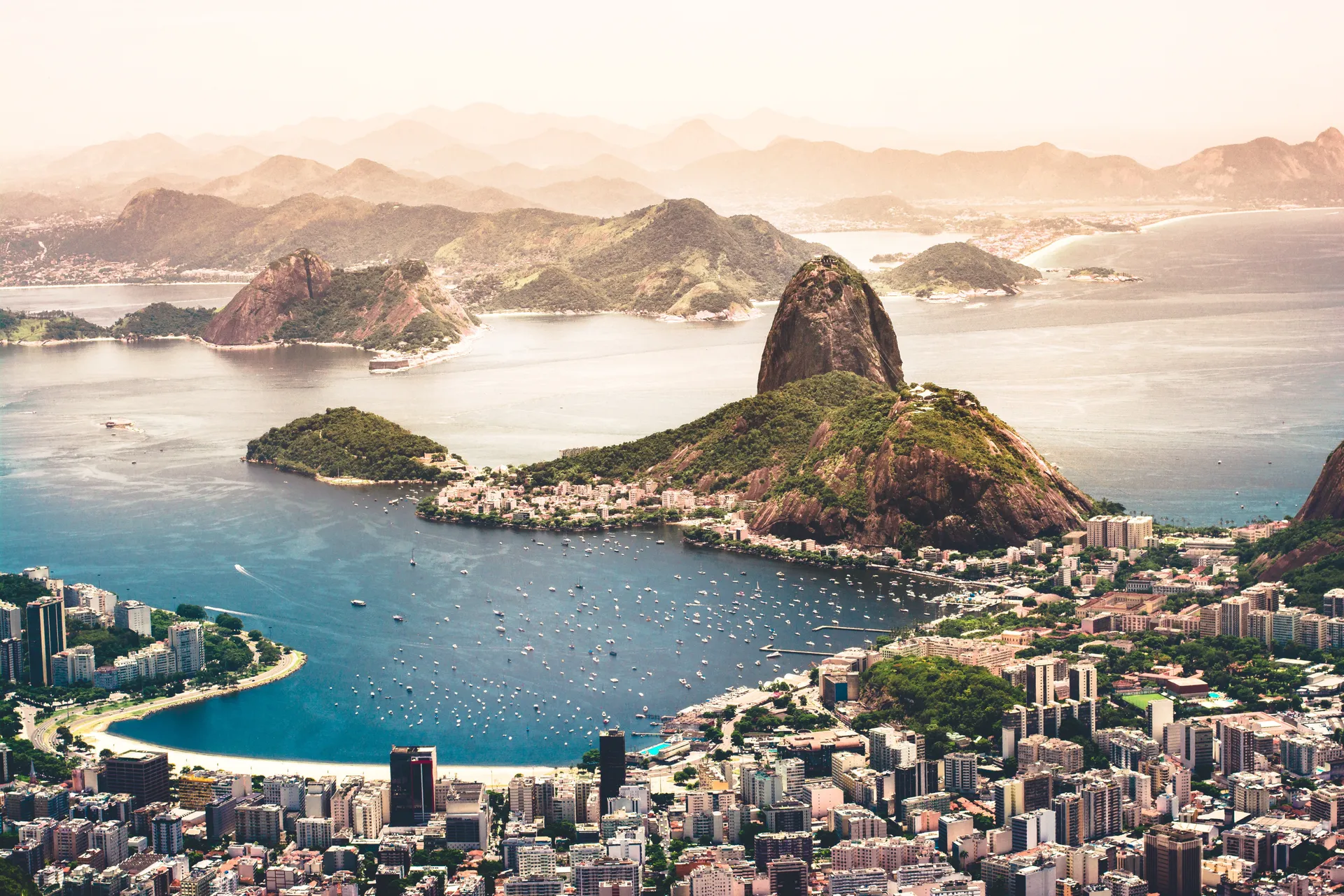
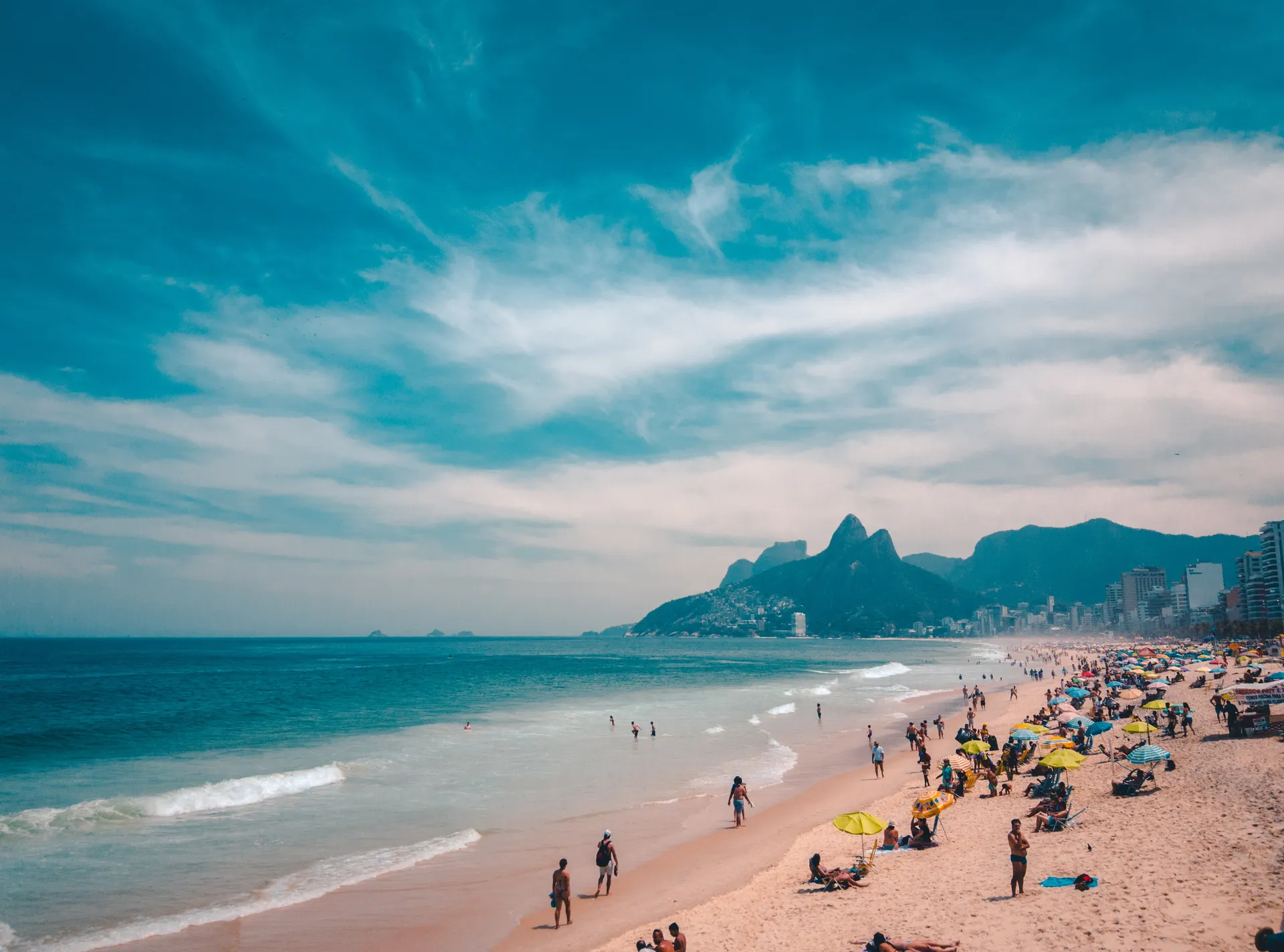
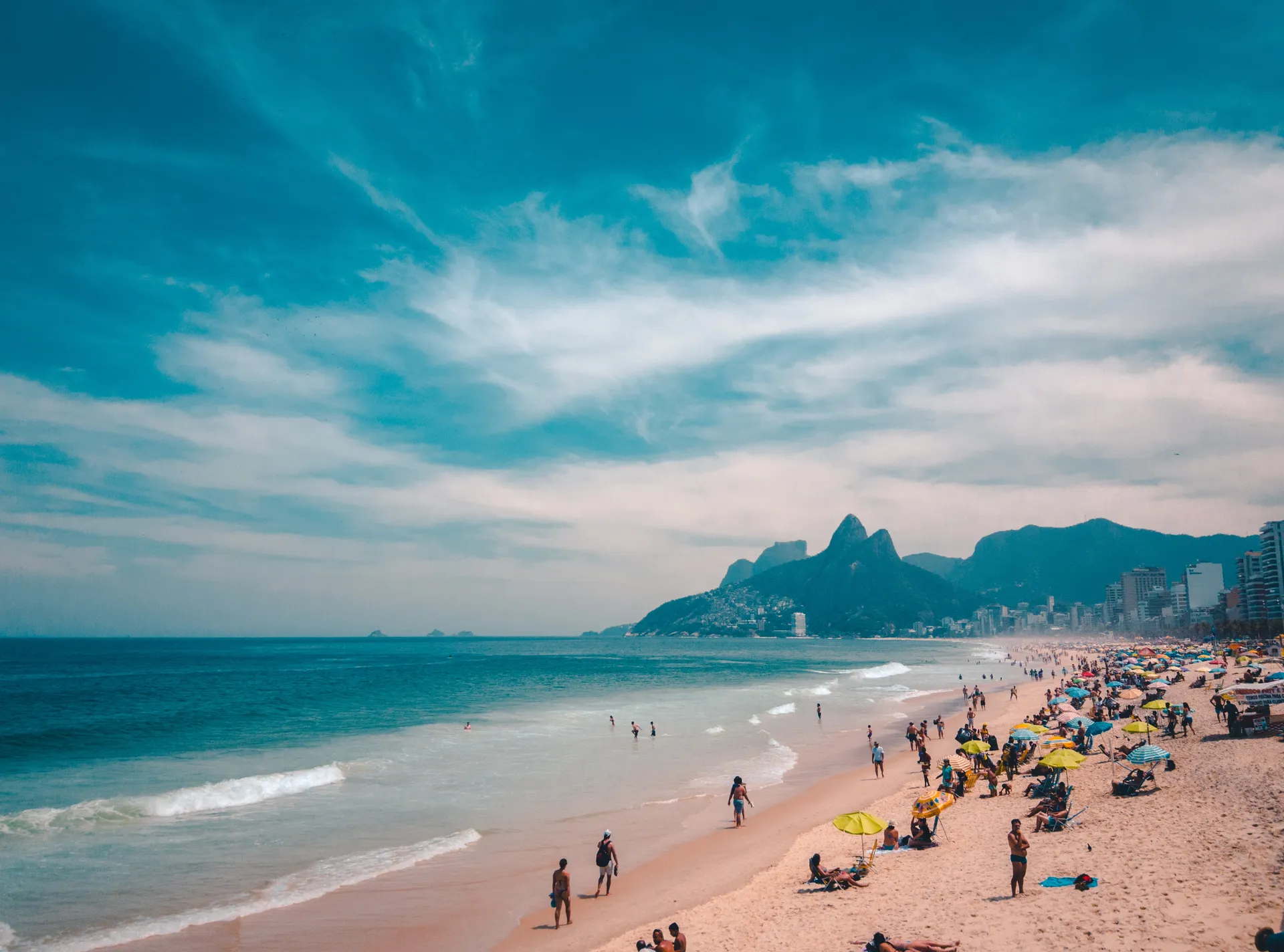
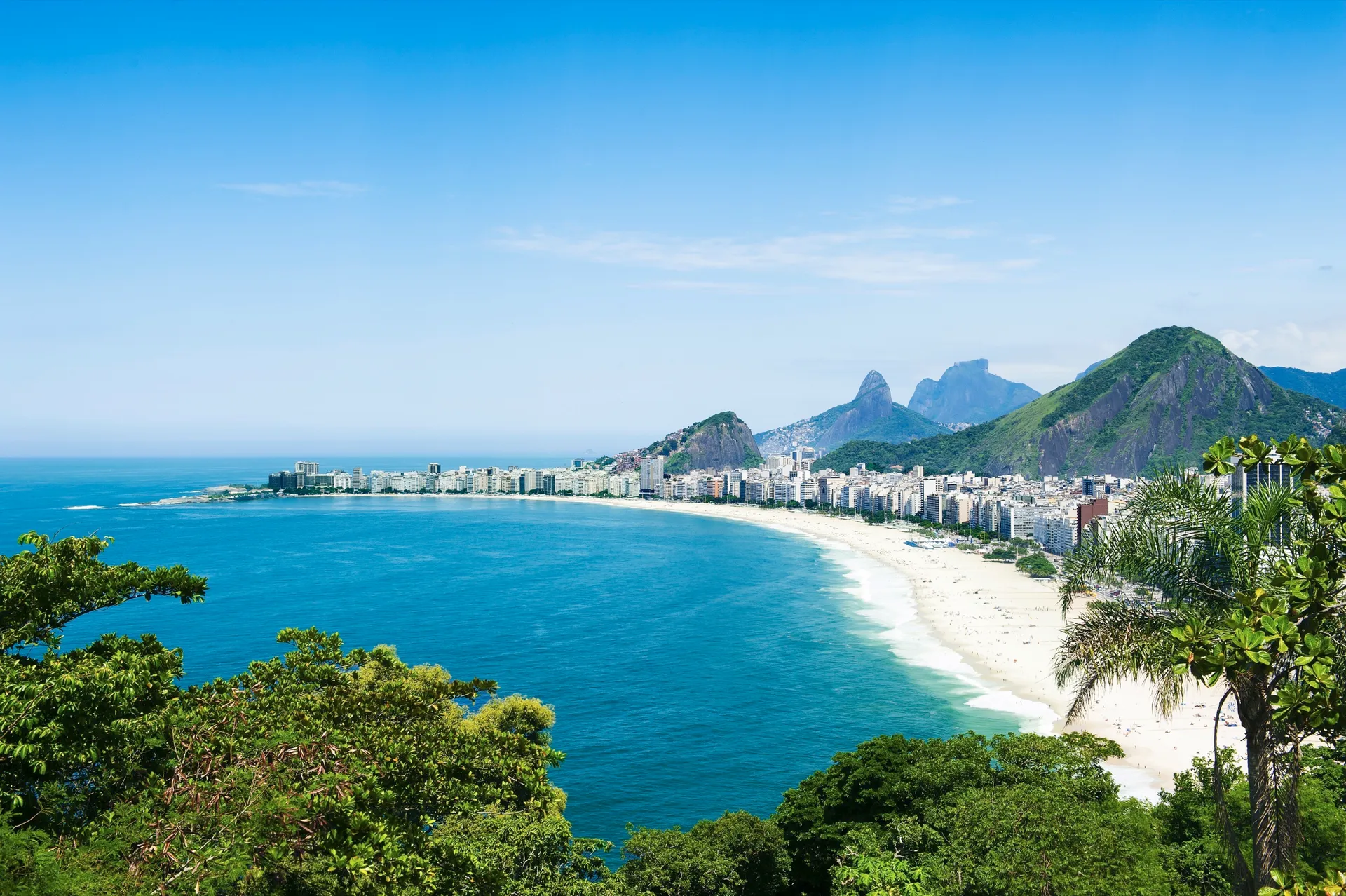
There is a particular quality of light in Rio that defies photography—a luminous interplay of Atlantic mist and tropical sun that gilds the granite peaks of Sugarloaf and Corcovado in tones no filter can replicate. The city unfurls between forested mountains and a coastline so extravagant it feels almost theatrical: Copacabana's sweeping crescent, Ipanema's golden stretch where the evening ritual of applauding the sunset remains beautifully unselfconscious, and the quieter shores of Urca where fishermen still cast their nets beneath the cable car's shadow. Nowhere else does wilderness press so intimately against metropolis—toucans and capuchin monkeys inhabit the Tijuca Forest, the world's largest urban rainforest, mere minutes from downtown skyscrapers. It is a city that rewards those who surrender to its rhythms rather than resist them.
Rio's culinary landscape mirrors its cultural complexity, layering indigenous, African, and Portuguese traditions into something entirely its own. Begin at a corner boteco with a plate of bolinho de bacalhau—crisp salt cod fritters served alongside ice-cold chopp draught beer—before graduating to a traditional feijoada completa, the slow-simmered black bean and pork stew served ceremonially on Saturdays with farofa, couve mineira, and slices of fresh orange. In the hillside neighborhood of Santa Teresa, intimate restaurants serve moqueca carioca, a fragrant fish stew enriched with coconut milk and dendê oil, while street vendors along Largo do Machado offer acarajé, the Bahian black-eyed pea fritters filled with vatapá and caruru that speak to Rio's deep Afro-Brazilian roots. For those seeking refinement, the Michelin-starred kitchens of Leblon reinterpret these ancestral flavors with a precision that honors tradition without embalming it.
Beyond the city's magnetic pull, the surrounding coastline offers destinations of remarkable contrast. Búzios, the former fishing village made famous by Brigitte Bardot's sojourn in the 1960s, has matured into a sophisticated peninsula of twenty-three beaches, each with its own character—Geribá for surfers, João Fernandes for crystalline snorkeling. Further north, Porto Seguro marks the very spot where Portuguese caravels first touched Brazilian soil in 1500, its historic quarter preserving pastel-colored colonial churches above a reef-fringed coast. The remote communities of Boca de Valeria along the Amazon and the river settlement of Guajará offer an altogether different Brazil—one of stilted villages, pink river dolphins, and a pace of life measured by the rise and fall of waters rather than the tick of any clock.
Rio de Janeiro stands as one of South America's most coveted ports of call, drawing an impressive roster of the world's finest cruise lines to its shores. Azamara and Oceania Cruises feature Rio prominently on their immersive South American itineraries, while Regent Seven Seas Cruises and Seabourn offer the port as a cornerstone of their luxury voyages along the Brazilian coast. Holland America Line, Princess Cruises, and MSC Cruises bring their global fleet through Guanabara Bay on grand South American circumnavigations, and Costa Cruises serves the growing European and Brazilian markets with seasonal deployments. For the most discerning travellers, Scenic Ocean Cruises pairs intimate ship experiences with extended Rio stays, while Tauck integrates the city into curated land-and-sea journeys that venture deep into Brazilian culture beyond the waterfront.