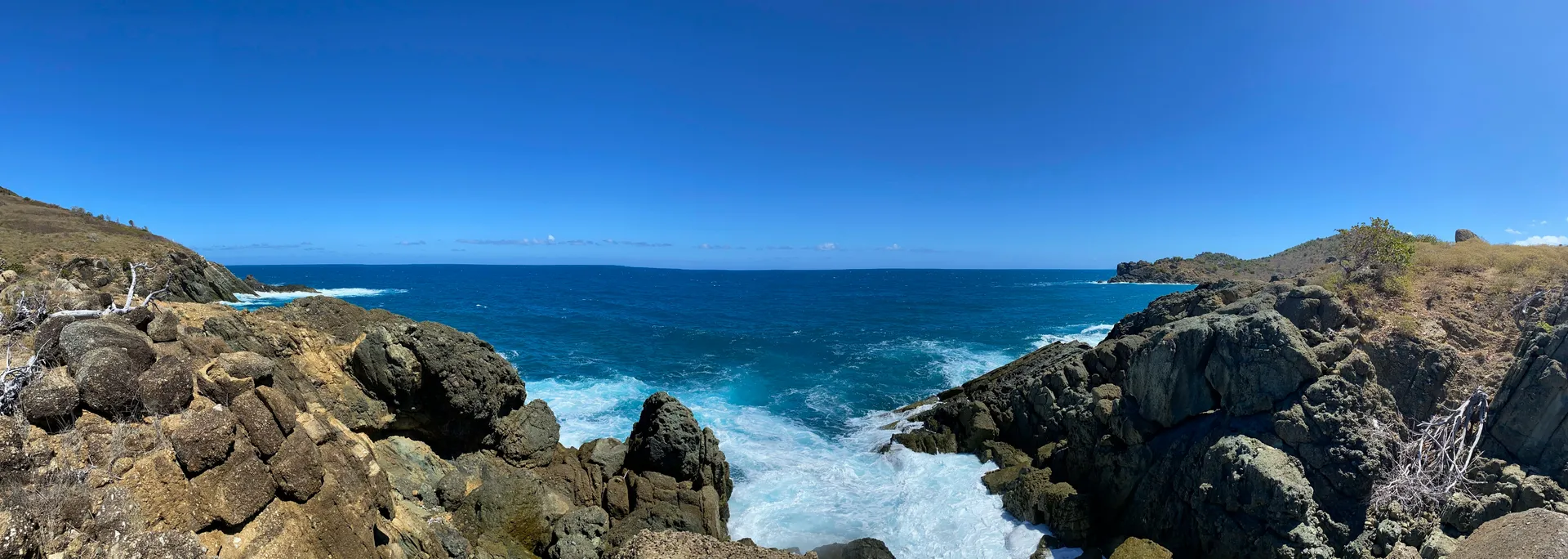
The smallest of the four main British Virgin Islands, Jost Van Dyke measures barely eight square kilometers yet has achieved a fame in the sailing and cruising world that vastly exceeds its modest dimensions. Named for a Dutch privateer who used the island as a base in the seventeenth century, this mountainous green island — home to roughly three hundred permanent residents — is celebrated for its spectacularly beautiful beaches, its legendary beach bars, and a laid-back Caribbean atmosphere that has been described as the antidote to everything the modern world has become.
Great Harbour, the island's main settlement, is a crescent of white sand lined with a handful of colorful beach bars, restaurants, and small shops that constitute Jost Van Dyke's commercial center. The most famous establishment — and arguably the most famous beach bar in the Caribbean — is Foxy's Tamarind Bar, founded by Philicianno "Foxy" Callwood in 1968. Foxy himself, a raconteur, musician, and unofficial ambassador for the island, has welcomed generations of sailors, celebrities, and wanderers to his establishment, where the rum punch flows freely, live calypso music fills the evening air, and the concept of time loses all relevance.
White Bay, on the island's southern shore, is the beach that photographs cannot adequately represent — a perfect arc of powder-white sand meeting water that transitions from pale turquoise over the shallows to deep sapphire beyond the reef. The Soggy Dollar Bar, reached by swimming ashore from an anchored boat (hence the soggy currency), claims to have invented the Painkiller cocktail — a potent blend of dark rum, cream of coconut, orange and pineapple juices, and grated nutmeg that has become the unofficial drink of the British Virgin Islands.
Beyond the beach bars, Jost Van Dyke offers natural experiences of genuine quality. The Bubbly Pool, a natural rock formation on the island's northern coast where Atlantic swells create a Jacuzzi-like effect in the trapped water, provides a unique swimming experience. Hiking trails cross the island's mountainous interior through forest inhabited by wild donkeys and iguanas, offering views across the Sir Francis Drake Channel to the neighboring islands of Tortola, Saint John, and Saint Thomas. The surrounding reefs provide excellent snorkeling, with sea turtles, stingrays, and colorful reef fish visible in the clear, warm water.
Cruise ships anchor off Great Harbour or White Bay and tender passengers to the beach. The island's small size and limited infrastructure mean that it is best suited to smaller vessels and expedition-style ships. There are no cruise terminal facilities. The British Virgin Islands' climate is pleasant year-round, with temperatures of 25-32°C and the cooling northeast trade winds providing natural air conditioning. The dry season from December through May offers the most reliable weather, while the hurricane season from June through November carries some risk, though Jost Van Dyke's mountainous terrain provides more shelter than the flatter islands of the Caribbean.

