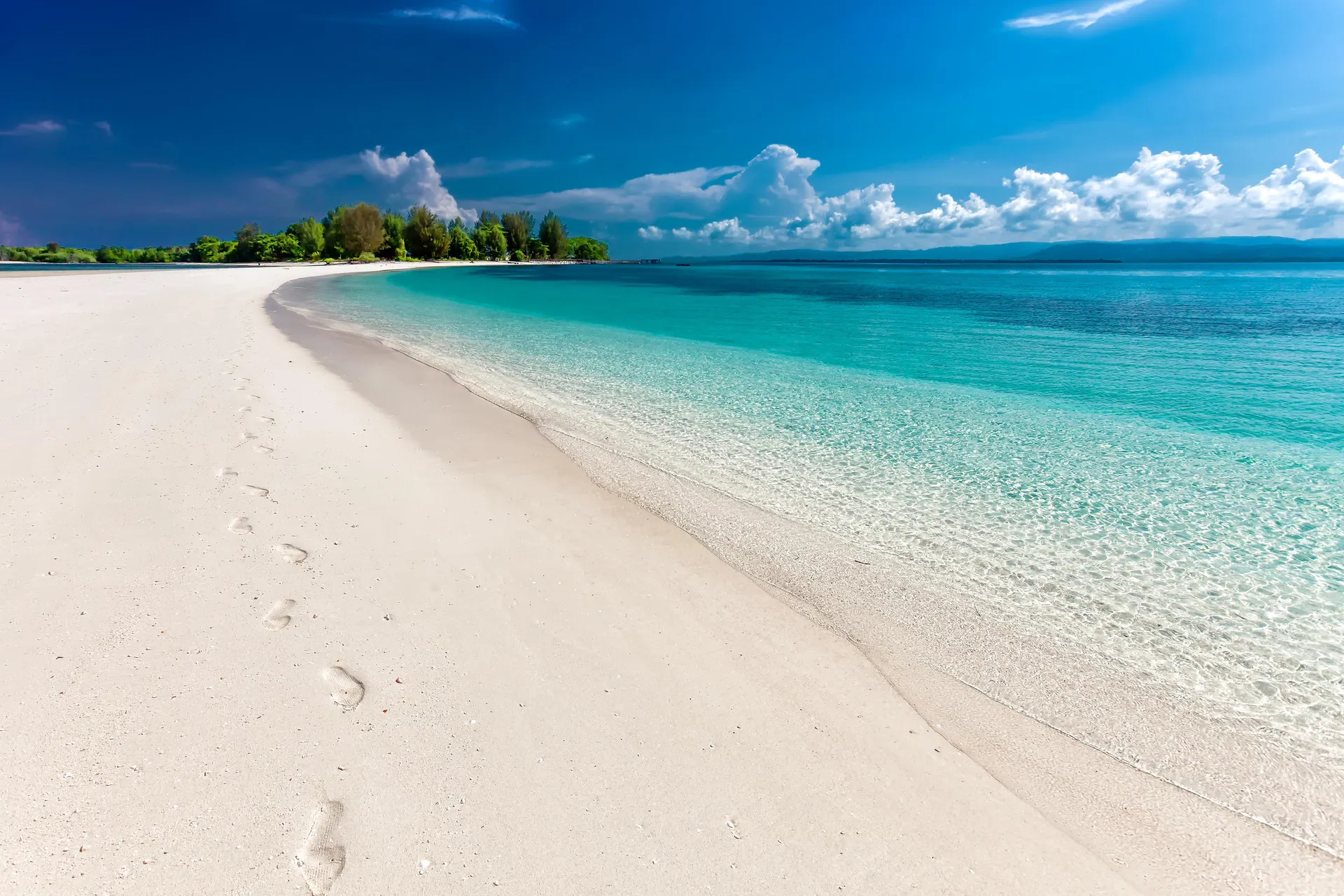
Norman Island is widely believed to be the inspiration for Robert Louis Stevenson's Treasure Island—and one glance at its jungled hillsides, hidden coves, and sea caves accessible only by dinghy is enough to understand why the legend persists. This uninhabited island at the southern tip of the British Virgin Islands has no permanent structures, no roads, and no electricity, yet it is one of the Caribbean's most magnetic destinations for sailors, snorkelers, and anyone drawn to the romance of a landscape that civilization has chosen to leave alone. Historical records confirm that a Spanish treasure ship was indeed plundered near here in 1750, with loot hidden in the island's caves—lending credence to the Stevenson connection and adding a frisson of genuine adventure to every visit.
The Bight, Norman Island's primary anchorage, is a deep, sheltered bay framed by green hillsides that forms one of the most beautiful natural harbors in the Virgin Islands. The iconic floating bar and restaurant, Willy T's—a converted schooner moored in the Bight—has been a BVI institution for decades, serving rum cocktails and grilled seafood to a clientele that arrives exclusively by boat. Ashore, hiking trails lead from the beach through dry tropical forest to the island's ridgeline, where views encompass the entire Sir Francis Drake Channel, from Tortola and Peter Island to the distant silhouette of Virgin Gorda. The trails are unmarked and the terrain ungroomed, adding to the sense of genuine exploration.
The island's most celebrated attraction lies beneath the waterline. The Caves at Treasure Point, a series of sea-level grottoes on Norman Island's western shore, offer some of the finest snorkeling in the Caribbean. Schools of sergeant majors, blue tangs, and French angelfish swirl through the cave entrances, while tarpon lurk in the deeper recesses and nurse sharks occasionally rest on the sandy bottom. The coral formations at the cave mouths are vibrant and diverse, benefiting from strong currents that flush nutrient-rich water through the passages. The Indians, a cluster of four rocky pinnacles rising from the channel a short boat ride north, provide another exceptional snorkeling site where barracuda, spotted eagle rays, and sea turtles patrol between coral-encrusted rock faces.
The waters surrounding Norman Island are part of the broader BVI marine ecosystem that makes this archipelago one of the world's premier sailing destinations. The Sir Francis Drake Channel—named for the privateer who navigated these waters in the sixteenth century—offers protected sailing between islands visible from one to the next, with consistent trade winds and anchorages of impossible beauty. Nearby Peter Island, a private resort island, offers pristine beaches and dive sites. Virgin Gorda's famous Baths—massive granite boulders forming sea-level grottoes and pools—lie within a half-day's sail. The Dog Islands, a small chain between Tortola and Virgin Gorda, provide excellent drift diving along reef walls teeming with marine life.
Emerald Yacht Cruises and Ponant include Norman Island on their Caribbean itineraries, typically anchoring in the Bight and offering Zodiac or tender excursions to the Caves and island beaches. The island has no dock or marina, so all access is by small boat—part of its enduring charm. The best time to visit is December through May, when trade winds are steady, seas are calm, humidity is lower, and the risk of tropical storms is minimal. June through November brings warmer water temperatures ideal for snorkeling but carries hurricane risk, particularly August through October. Norman Island asks nothing of its visitors except a willingness to arrive by sea, explore without a map, and surrender to the timeless Caribbean fantasy of a deserted island that lives up to every story ever told about it.

