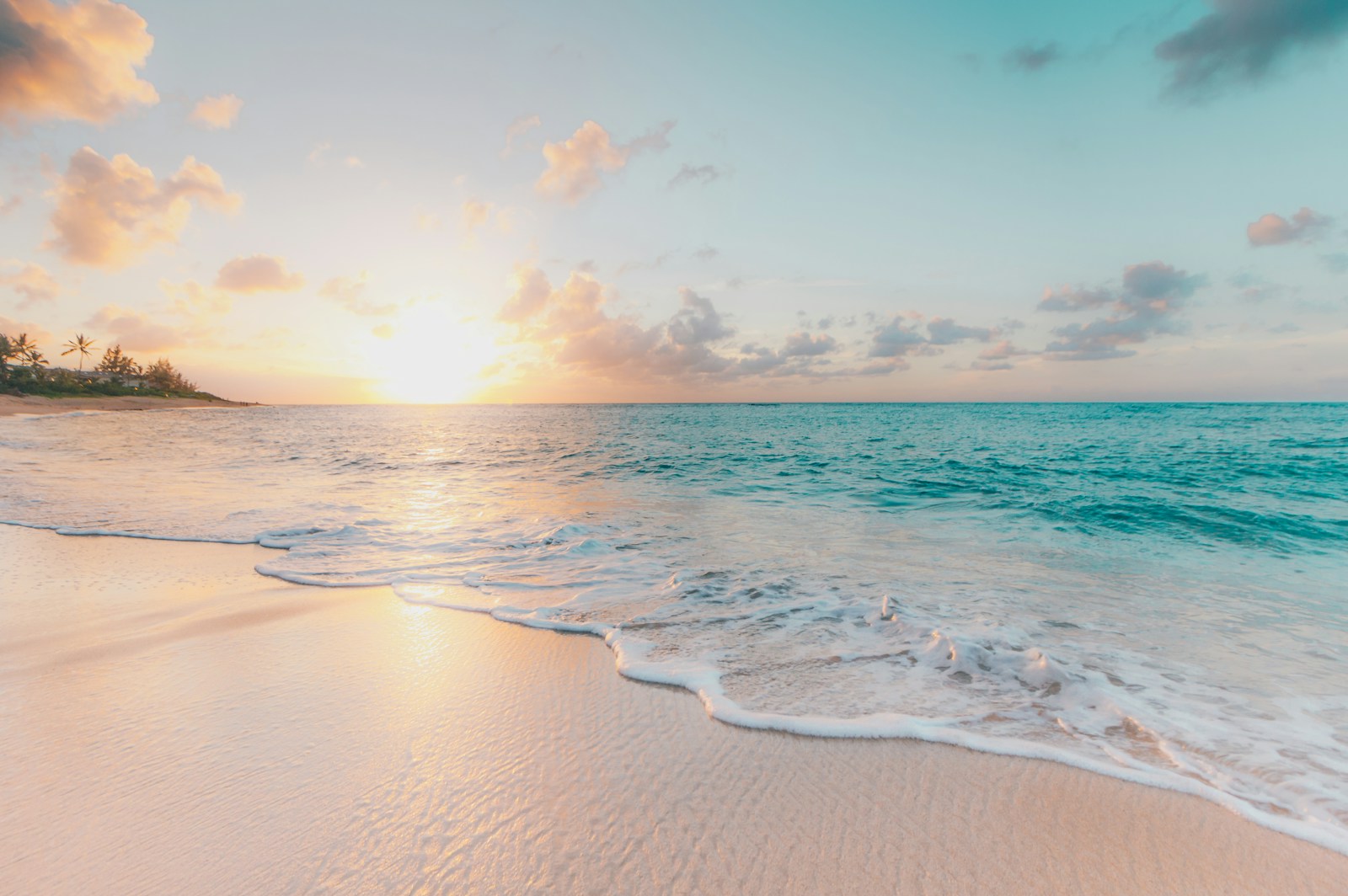
Spanish Town is the modest, sun-bleached capital of Virgin Gorda, the third-largest island in the British Virgin Islands and arguably its most beautiful. The town barely qualifies as a town by mainland standards—a few streets of low-rise buildings, a small marina, a handful of restaurants, and a general store—but its setting, on a south-facing harbor backed by dry-forested hills, embodies the unpretentious charm that distinguishes the BVI from more developed Caribbean destinations. Sir Richard Branson chose neighboring Necker Island for his private retreat; the Rockefellers developed Little Dix Bay resort just north of town; and the quiet confidence of Virgin Gorda's appeal to those who can vacation anywhere speaks to its understated excellence.
Virgin Gorda takes its name—"Fat Virgin"—from Christopher Columbus, who thought the island's profile resembled a reclining woman. The island is divided by geography and character: the flat, arid southern portion, where Spanish Town sits, gives way to a mountainous northern section (Gorda Peak, at 1,370 feet, is the island's highest point) connected by a narrow central ridge. This topographic variety creates microclimates and landscapes that range from cactus-studded hillsides to lush tropical forest—a diversity remarkable for an island just eight miles long.
Dining in Spanish Town and across Virgin Gorda is casual, fresh, and deeply connected to the sea. Grilled lobster, snapper, and mahi-mahi, caught that day from the surrounding Sir Francis Drake Channel, appear at waterfront restaurants where the dress code is whatever you wore on the boat. The Bath and Turtle, Spanish Town's social anchor, serves fish tacos, rum punch, and live music in an open-air setting that captures the BVI's easy-going spirit. CocoMaya, perched above the harbor, brings Asian-fusion flavors—Thai curries, sushi, satay—to the Caribbean setting with surprising sophistication. The local specialty is a simple one: lobster grilled over charcoal, served with rice, coleslaw, and a cold Painkiller cocktail (rum, cream of coconut, pineapple, and orange juice, topped with nutmeg).
The Baths, just south of Spanish Town, are Virgin Gorda's most famous attraction and one of the natural wonders of the Caribbean. Enormous granite boulders—some the size of houses—are scattered along the shoreline, creating a labyrinth of grottoes, tide pools, and sheltered pools of crystal-clear water illuminated by shafts of sunlight filtering between the rocks. The trail through the Baths leads from one cathedral-like chamber to the next, with ladders and ropes assisting the passage over and between the boulders. At the far end, Devil's Bay provides a pristine crescent of white sand backed by more boulders—a beach that consistently ranks among the finest in the Caribbean. North Sound, on the island's eastern shore, offers some of the best sailing waters in the world, and the Bitter End Yacht Club has long been a legendary waypoint for circumnavigators and weekend sailors alike.
Spanish Town's yacht harbor and the Virgin Gorda cruise ship dock at St. Thomas Bay serve as the island's maritime gateways. The BVI is best visited from November through May, when the trade winds blow steadily, hurricanes are not a concern, and temperatures hover between 75°F and 85°F. The peak season (December–April) brings the sailing regattas and the liveliest social scene. Summer offers lower rates, warmer water, and fewer visitors, though the hurricane season (June–November) requires attention to weather forecasts.

