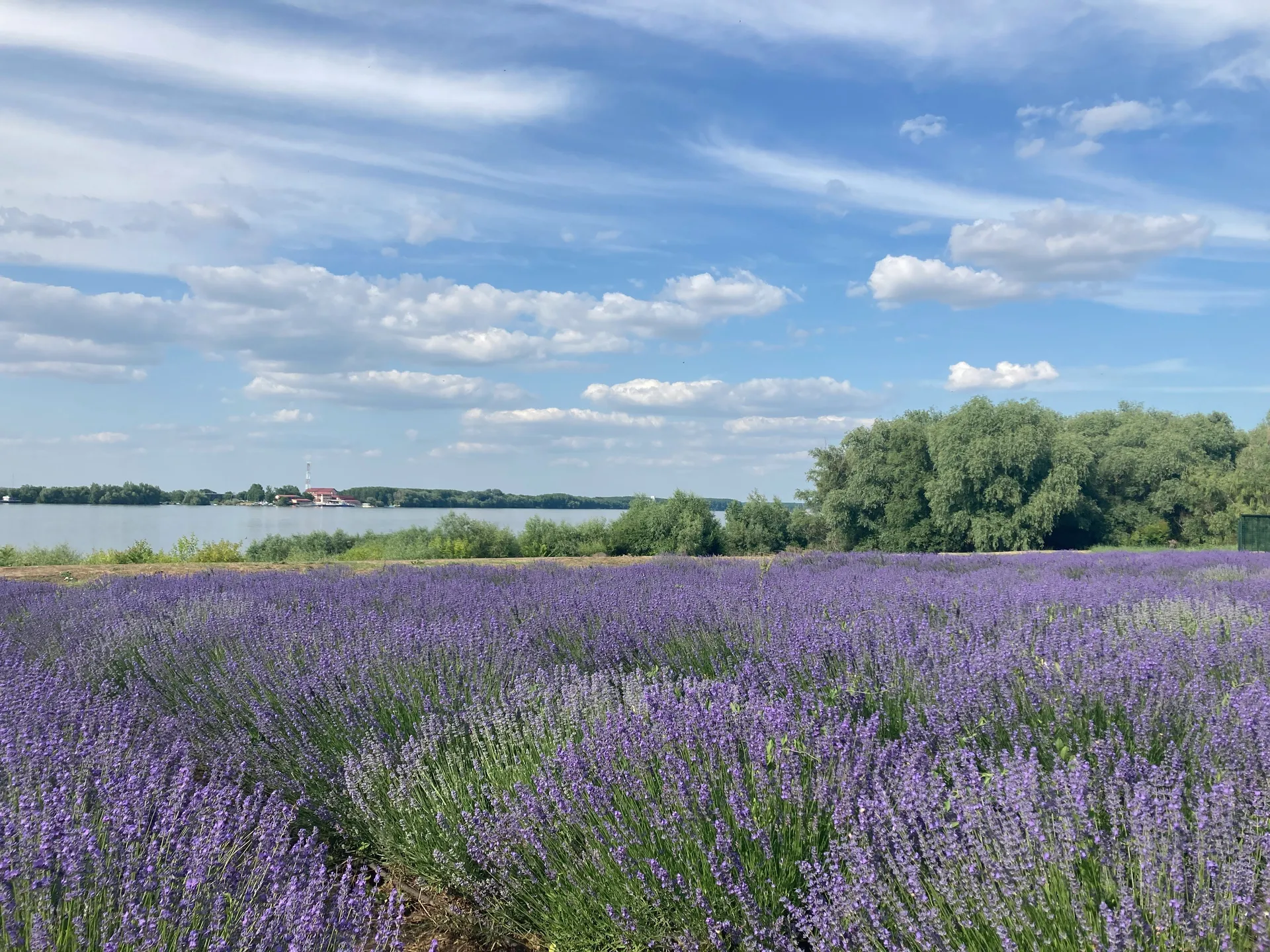
Perched on the southern bank of the lower Danube, where the river's broad, café-au-lait waters form the natural border between Bulgaria and Romania, Silistra is one of southeastern Europe's most quietly compelling port towns. Its history stretches back over two millennia to the Roman fortress of Durostorum, established in the first century AD as a garrison town on the empire's northeastern frontier. Legionnaires, Byzantine governors, Ottoman beys, and Bulgarian patriots have all left their mark on this unassuming city, creating a layered chronicle that rewards the curious traveller willing to look beyond the obvious Danube cruise stops.
Modern Silistra is a city of roughly 35,000, with a pleasant riverside promenade, leafy parks, and a genuine absence of tourist infrastructure — which, for the right kind of traveller, is precisely the appeal. The remains of Durostorum lie scattered throughout the city: a remarkably well-preserved late Roman tomb with vivid frescoes of peacocks and garlands sits incongruously beside a residential neighbourhood, while the fortress walls themselves have been partially excavated near the Danube shore. The Medjidi Tabia, a nineteenth-century Ottoman fortification built during the Crimean War, crowns a hilltop east of the centre and offers panoramic views over the river to the Romanian plain beyond — a strategic vantage point that has been fought over for centuries.
Silistra's culinary landscape reflects its position at the crossroads of Bulgarian, Romanian, and Turkish traditions. Start the day with a banitsa — the flaky, cheese-filled pastry that is Bulgaria's national breakfast — accompanied by a cup of thick, unfiltered Bulgarian coffee. Lunch might bring a shopska salad of tomatoes, cucumbers, peppers, and grated sirene cheese, followed by a kavarma, a slow-cooked clay-pot stew of pork or chicken with onions, peppers, and paprika. Fish from the Danube — particularly pike-perch and catfish — appears on menus grilled or baked, while local wines from the Danubian Plain, especially the robust reds made from the indigenous Mavrud and Gamza grapes, are a delightful discovery.
From Silistra, river cruise passengers can explore a wealth of Bulgarian heritage within easy reach. The medieval capital of Veliko Tarnovo, with its dramatic Tsarevets Fortress perched above a horseshoe bend of the Yantra River, is one of the most spectacular sights in the Balkans. The ancient city of Ruse, known as "Little Vienna" for its Belle Époque architecture, lines the Danube further upstream. Closer at hand, the rock-hewn churches of Ivanovo, a UNESCO World Heritage Site carved into limestone cliffs along the Rusenski Lom valley, display medieval frescoes of astonishing beauty and preservation. Nature enthusiasts will find the wetlands and forested islands of the lower Danube rich in birdlife, including pelicans, herons, and white-tailed eagles.
Silistra is a port of call for Scenic River Cruises on their Danube itineraries, offering an authentic and uncommercialised window into Bulgarian life along the river. The town's compact layout means that the Roman tomb, the Ottoman fortress, and the riverside promenade are all accessible on foot from the dock. The best time to visit is May through September, when the Danube is warm and navigable, the riverside cafés are open, and the surrounding countryside is lush and green. For travellers seeking the road less travelled on the Danube, Silistra delivers a genuinely undiscovered experience.

