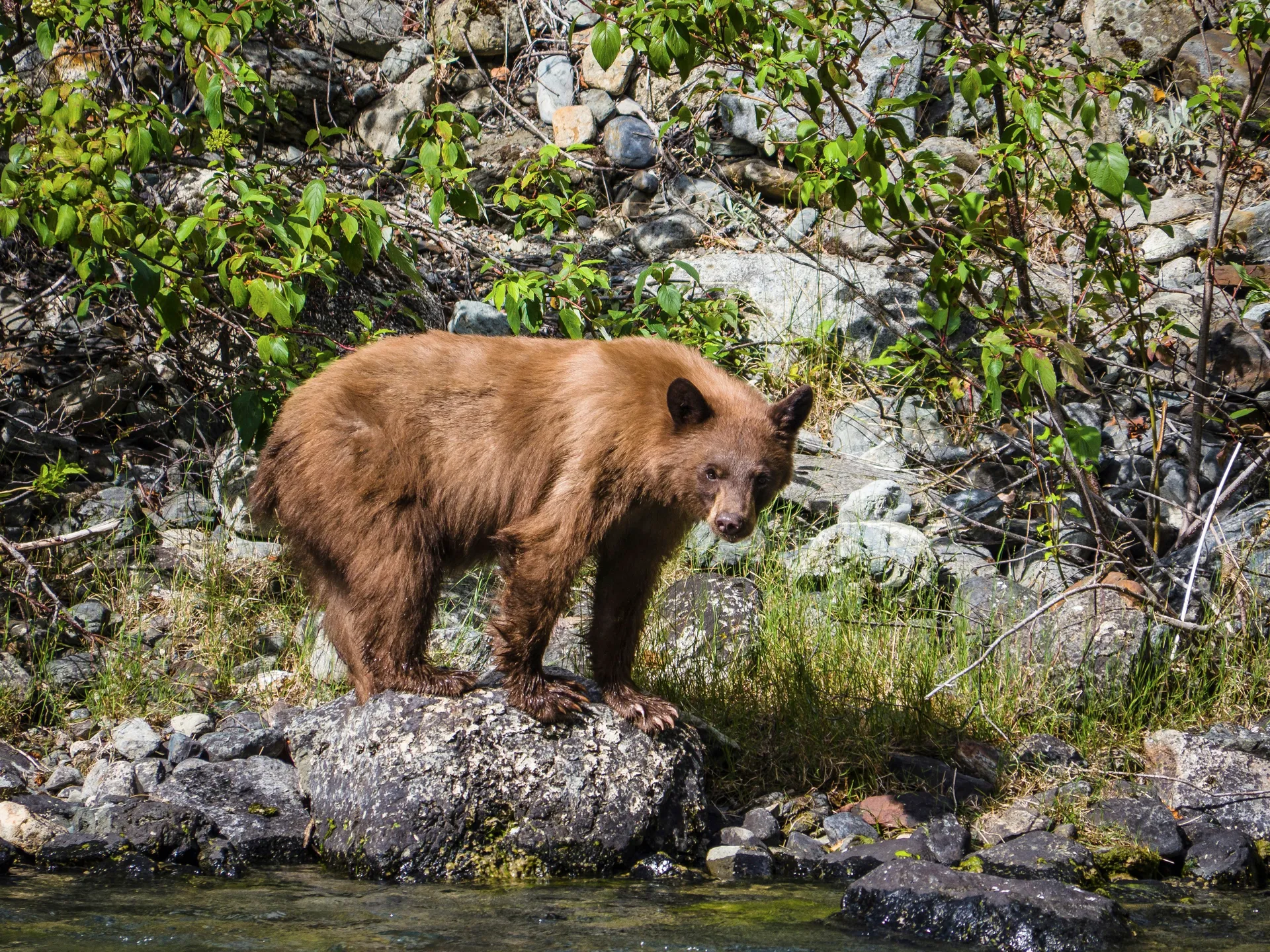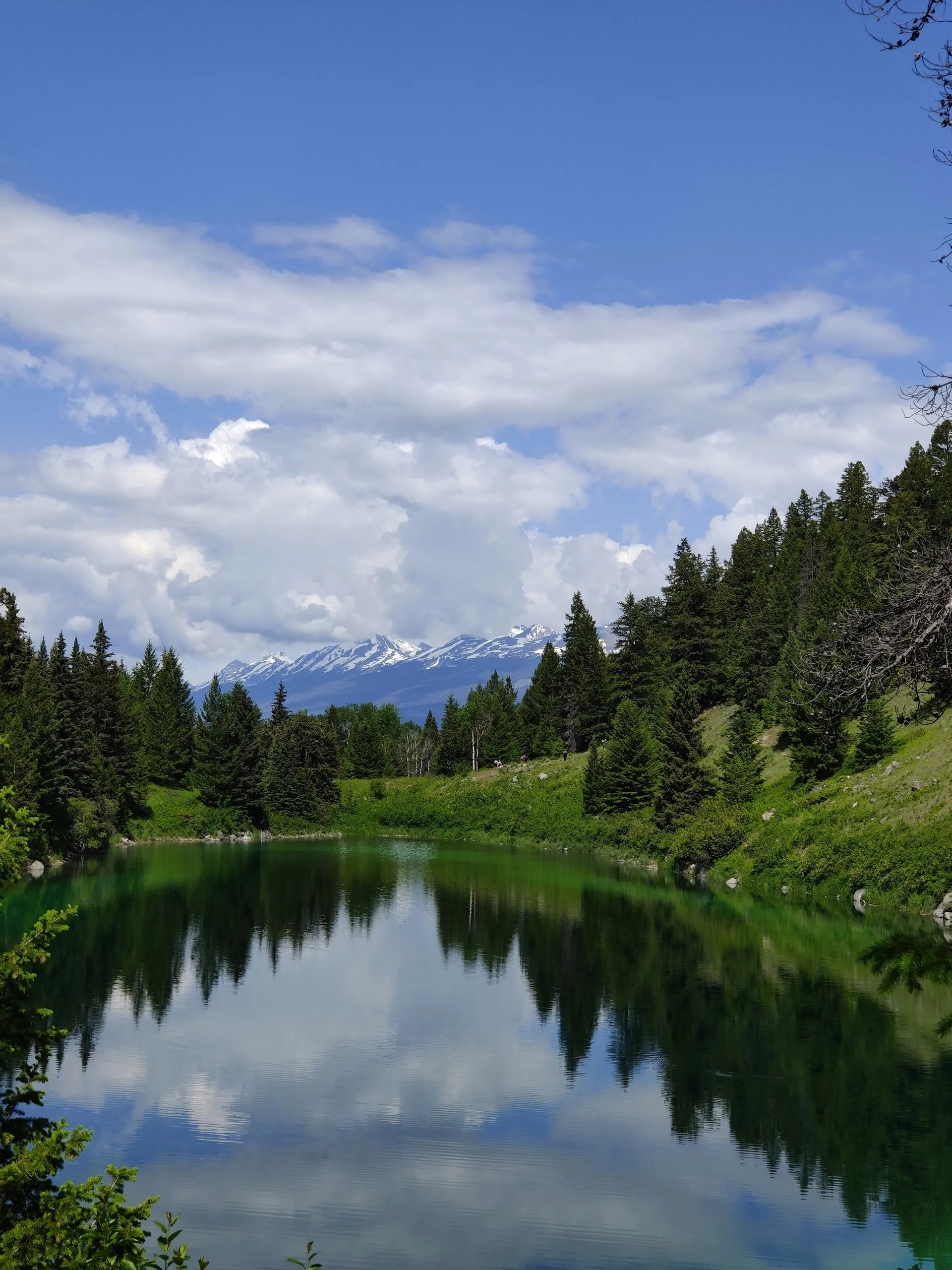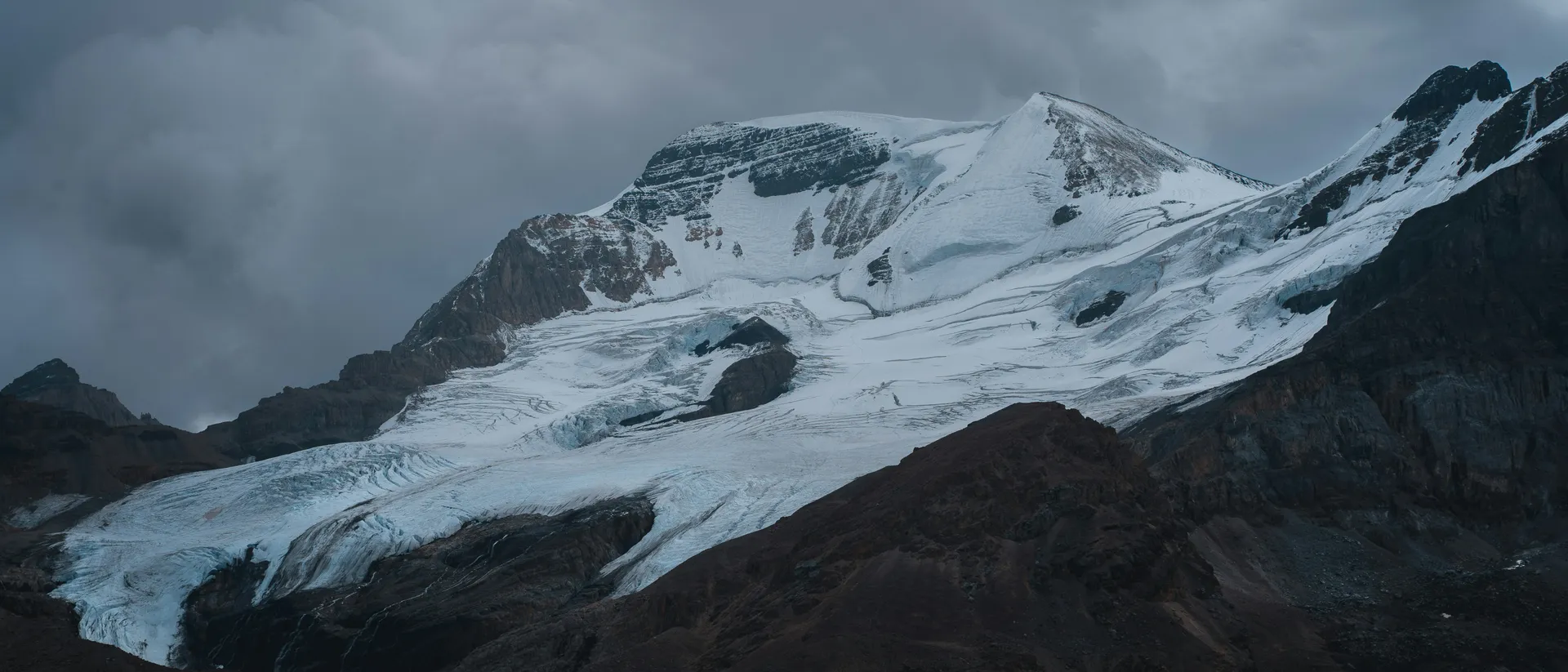
Jasper National Park is the largest park in the Canadian Rockies and the wildest—a 10,878-square-kilometer expanse of jagged peaks, turquoise lakes, ancient glaciers, and deep valleys that together form the northern anchor of the UNESCO Canadian Rocky Mountain Parks World Heritage Site. Where Banff has been refined by a century of tourism, Jasper retains a rugged, frontier quality. The park's boundaries encompass some of the most important habitat for large mammals in North America: grizzly bears, black bears, caribou, wolves, elk, moose, and mountain goats.
The town of Jasper, population 4,500, sits in a broad valley at the confluence of the Athabasca and Miette rivers. Its atmosphere is notably less commercial than Banff, with locally owned businesses and a community of parks staff and guides who choose the wild life. The Jasper SkyTram ascends to 2,263 meters, providing views across six mountain ranges.
Dining in Jasper reflects the small-town mountain culture. Evil Dave's Grill serves elk burgers and bison short ribs. The Fiddle River offers fresh-caught trout and Alberta beef. Bear's Paw Bakery fuels hikers with pastries and strong coffee. Jasper Brewing Company produces ales best consumed with mountain views.
The Columbia Icefield, straddling the Jasper-Banff border, is the largest icefield in the Canadian Rockies—its Athabasca Glacier is accessible by Ice Explorer bus. Maligne Lake, the largest natural lake in the Canadian Rockies, features the iconic boat cruise to Spirit Island. Maligne Canyon is a fifty-meter-deep slot canyon. The Miette Hot Springs are the hottest in the Canadian Rockies.
Jasper is accessible by road from Edmonton (three and a half hours), by the Icefields Parkway from Lake Louise, and by VIA Rail's transcontinental train. Summer (June–August) offers the warmest weather. September brings autumn colors and golden larches. The park is the second-largest Dark Sky Preserve in the world, with the October Dark Sky Festival as a highlight.