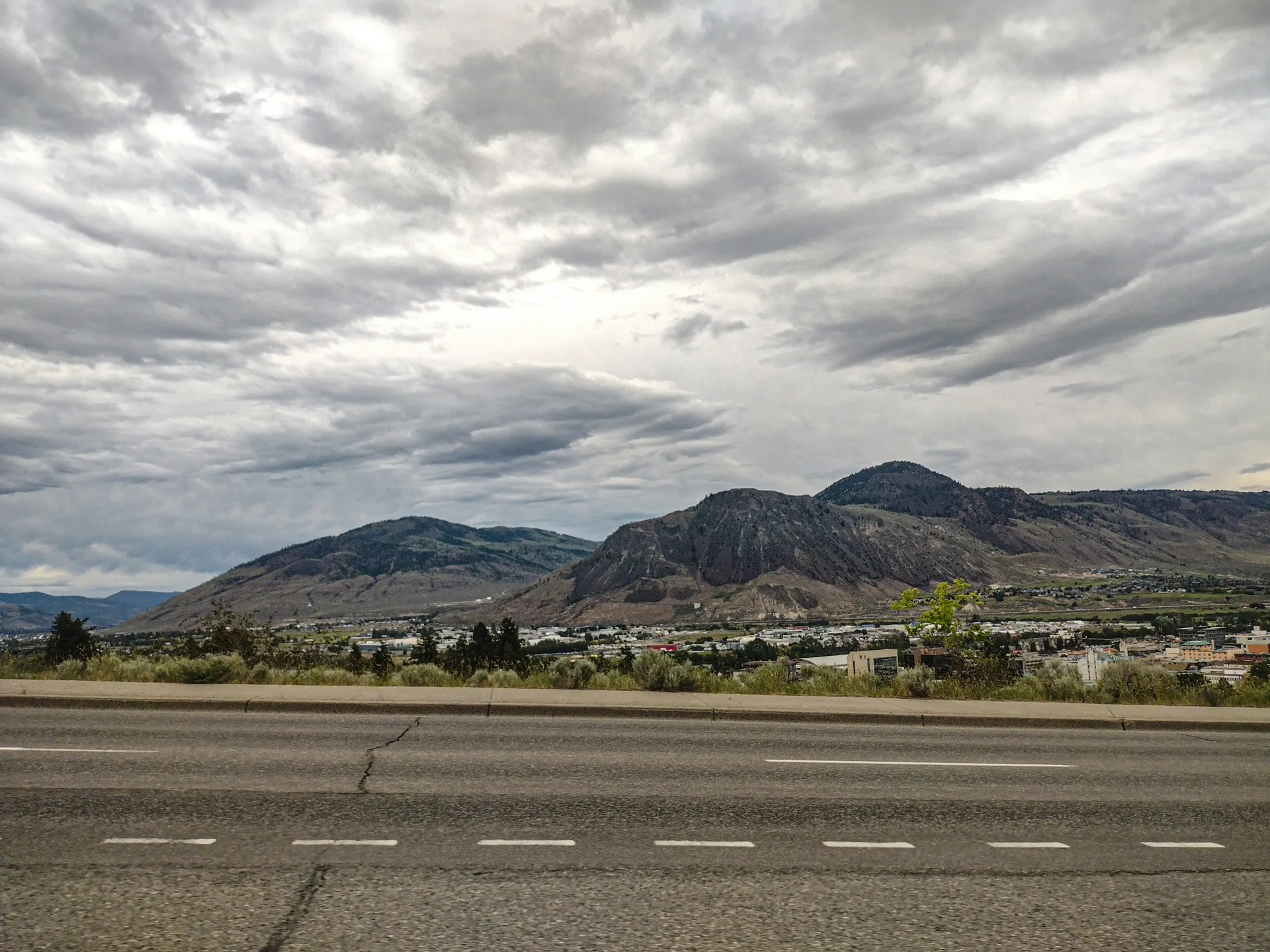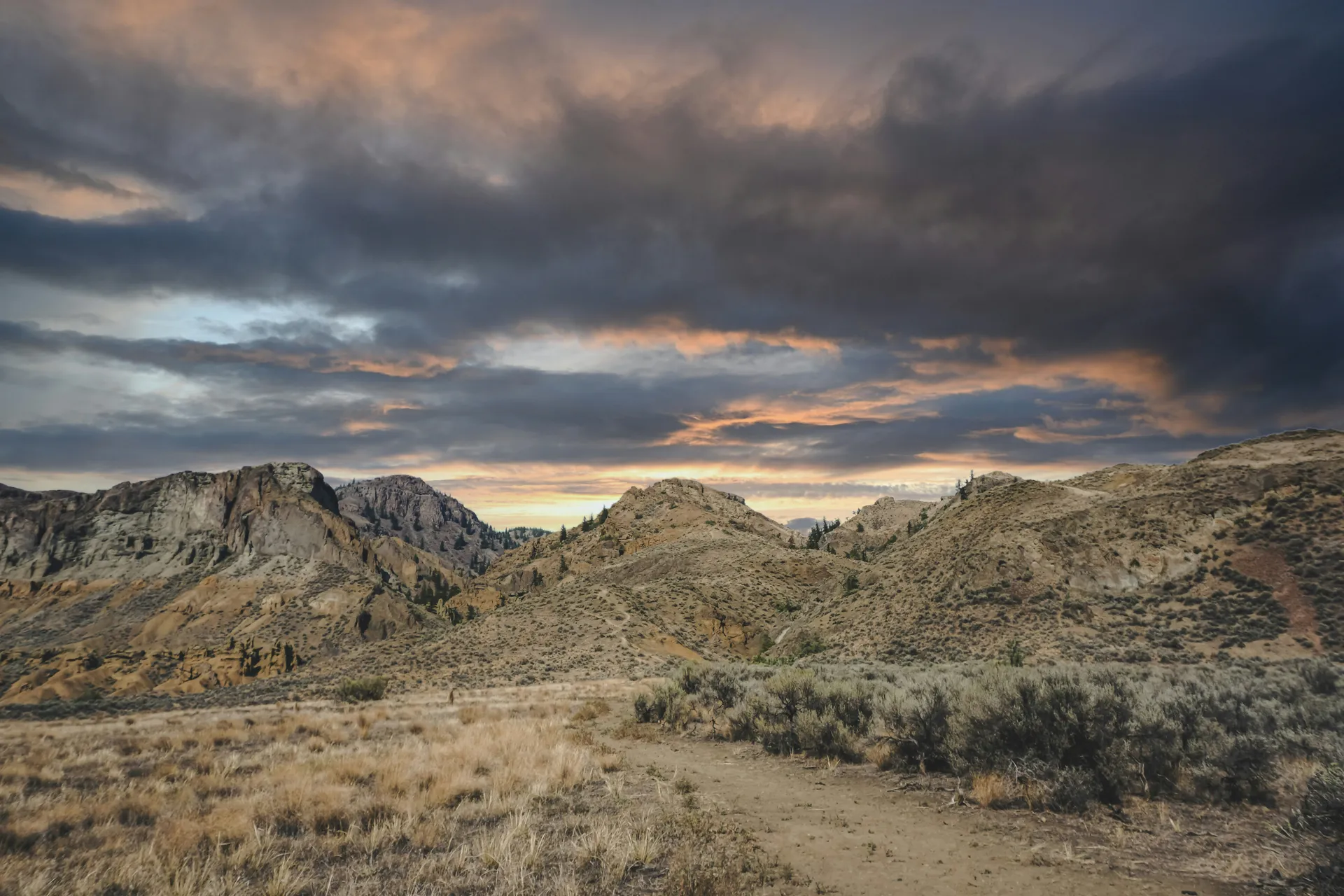
Where the North and South Thompson Rivers converge in the sun-baked interior of British Columbia, Kamloops sprawls across a landscape of sagebrush-covered hills and golden grasslands that seems borrowed from the American West rather than stereotypically Canadian. This city of 100,000, whose name derives from the Secwépemc word "Tk'emlúps" meaning "meeting of the waters," has been a crossroads for millennia — first for Indigenous peoples following the salmon runs, then for fur traders, gold rushers, and railway builders, and now for travellers discovering one of Canada's most unexpectedly rewarding destinations.
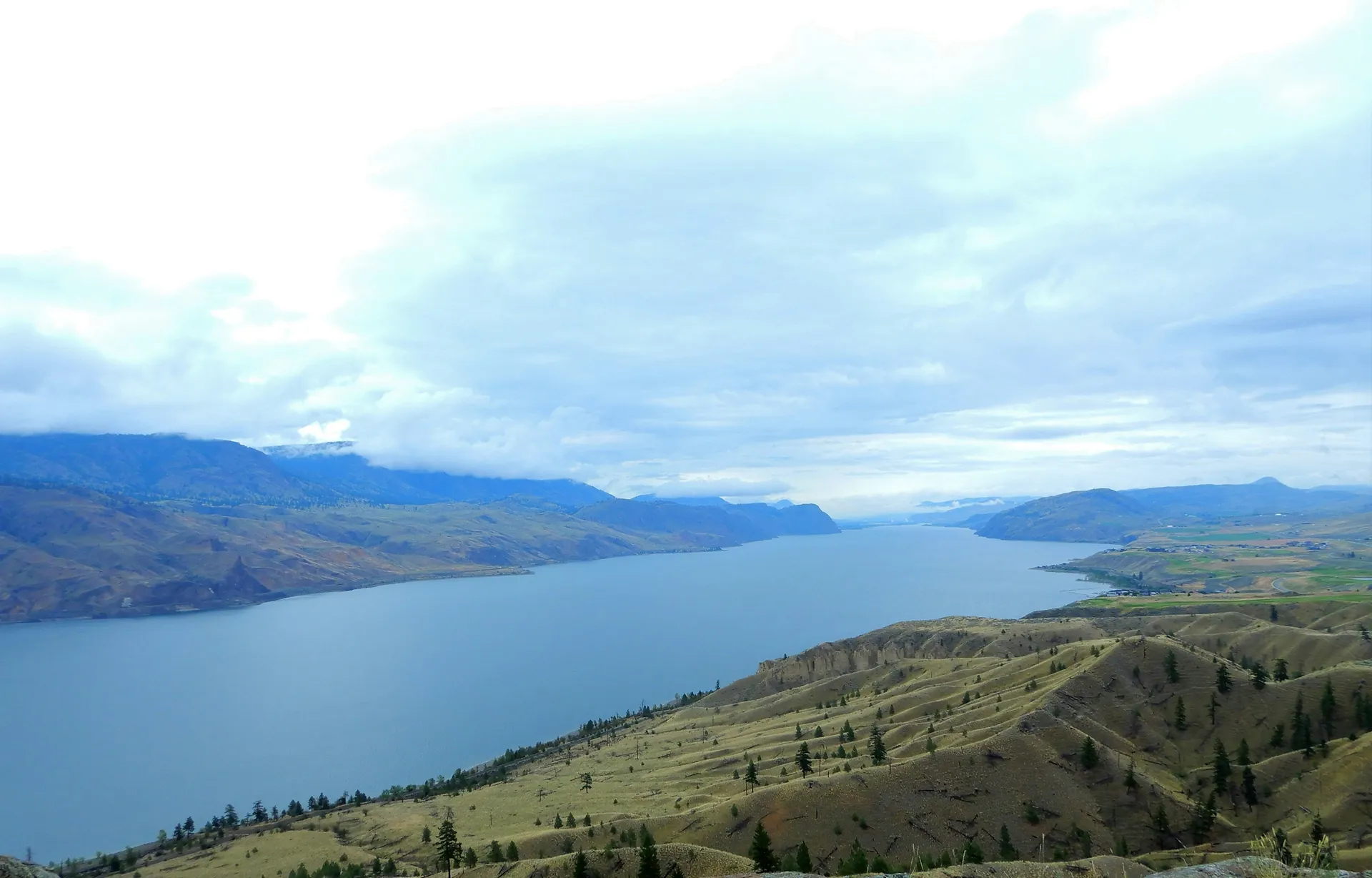
Kamloops defies the green, mountainous image of British Columbia with its semi-arid landscape of rolling grasslands, hoodoo formations, and sun-drenched valleys that receive less than 280 millimetres of rain annually. The result is a terrain reminiscent of Patagonia or the Scottish Highlands — vast, open, and golden under a sky that seems impossibly large. The Thompson River, wide and jade-coloured, winds through the city centre, providing a liquid backbone that connects the urban landscape to the surrounding wilderness.
The culinary scene has blossomed around the region's agricultural abundance. The Kamloops Farmers' Market, one of the largest in BC's interior, overflows with local produce — tree fruits from the nearby orchards, grass-fed beef from the ranch lands, honey from wildflower meadows. The Noble Pig Brewhouse and Brownstone Restaurant exemplify a new wave of dining that sources locally and prepares creatively, while the Thompson Valley's emerging wine region — producing excellent Rieslings and Pinot Noirs from sun-soaked slopes — adds a viticultural dimension that surprises many visitors.
Outdoor experiences radiate in every direction. Sun Peaks Resort, 45 minutes northeast, offers both winter skiing and summer mountain biking across a vast alpine network. The Kamloops Lake area provides houseboating and kayaking through canyon scenery of dramatic beauty. Wells Gray Provincial Park, two hours north, harbours Helmcken Falls — a waterfall twice the height of Niagara that plunges into a volcanic canyon with thunderous force. The BC Wildlife Park, on the eastern edge of the city, rehabilitates injured wildlife and provides encounters with bears, cougars, and birds of prey.
Kamloops sits at the junction of the Trans-Canada Highway and the Yellowhead Highway, making it one of the most accessible cities in the BC interior. The Rocky Mountaineer luxury train passes through spectacularly, winding along the Thompson River canyon on its journey between Vancouver and the Rockies. The climate is ideal from May through October, with summer temperatures regularly exceeding 30 degrees Celsius — making Kamloops one of Canada's warmest cities and a reliable destination for sun-seekers exploring the BC interior.