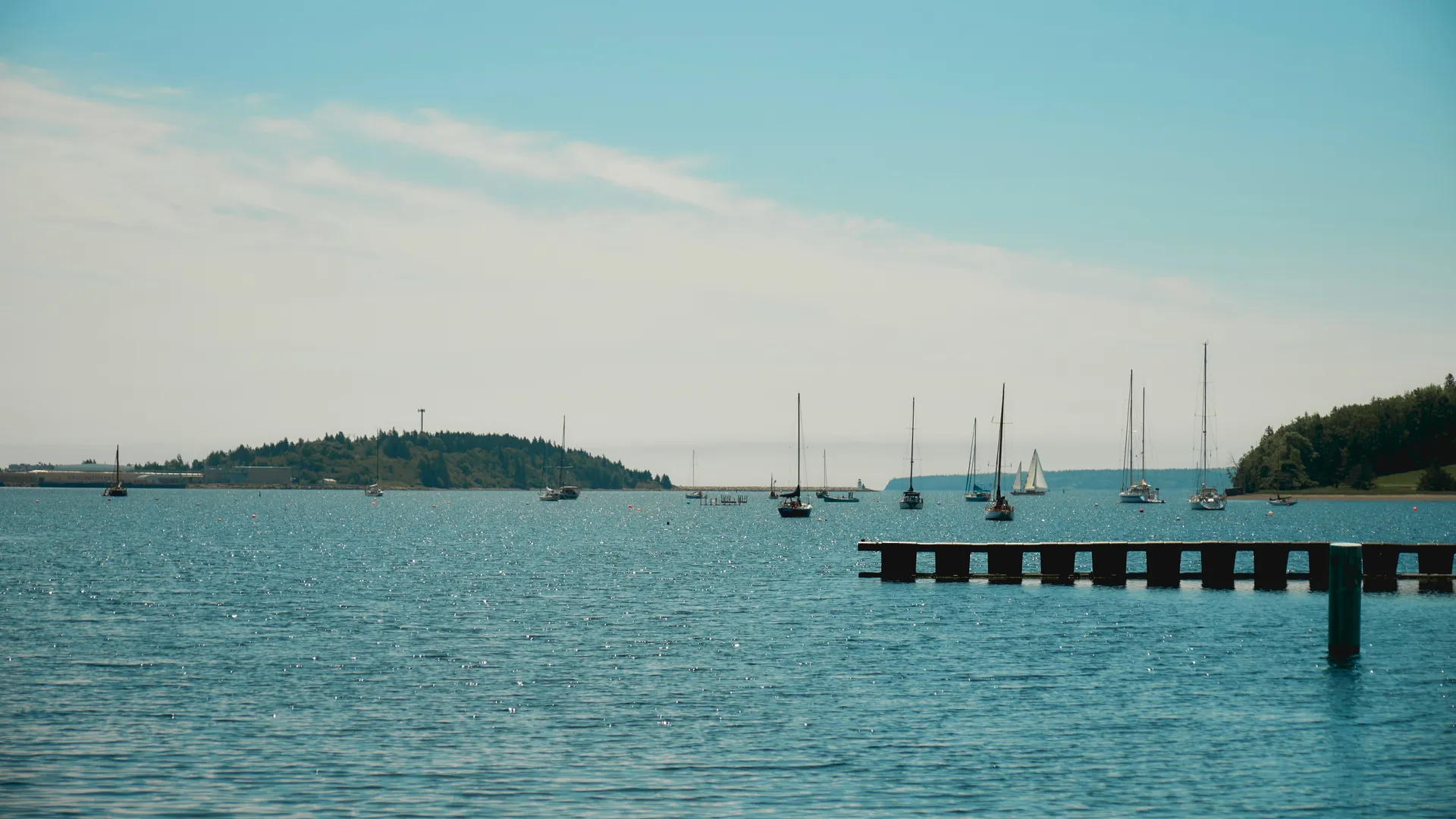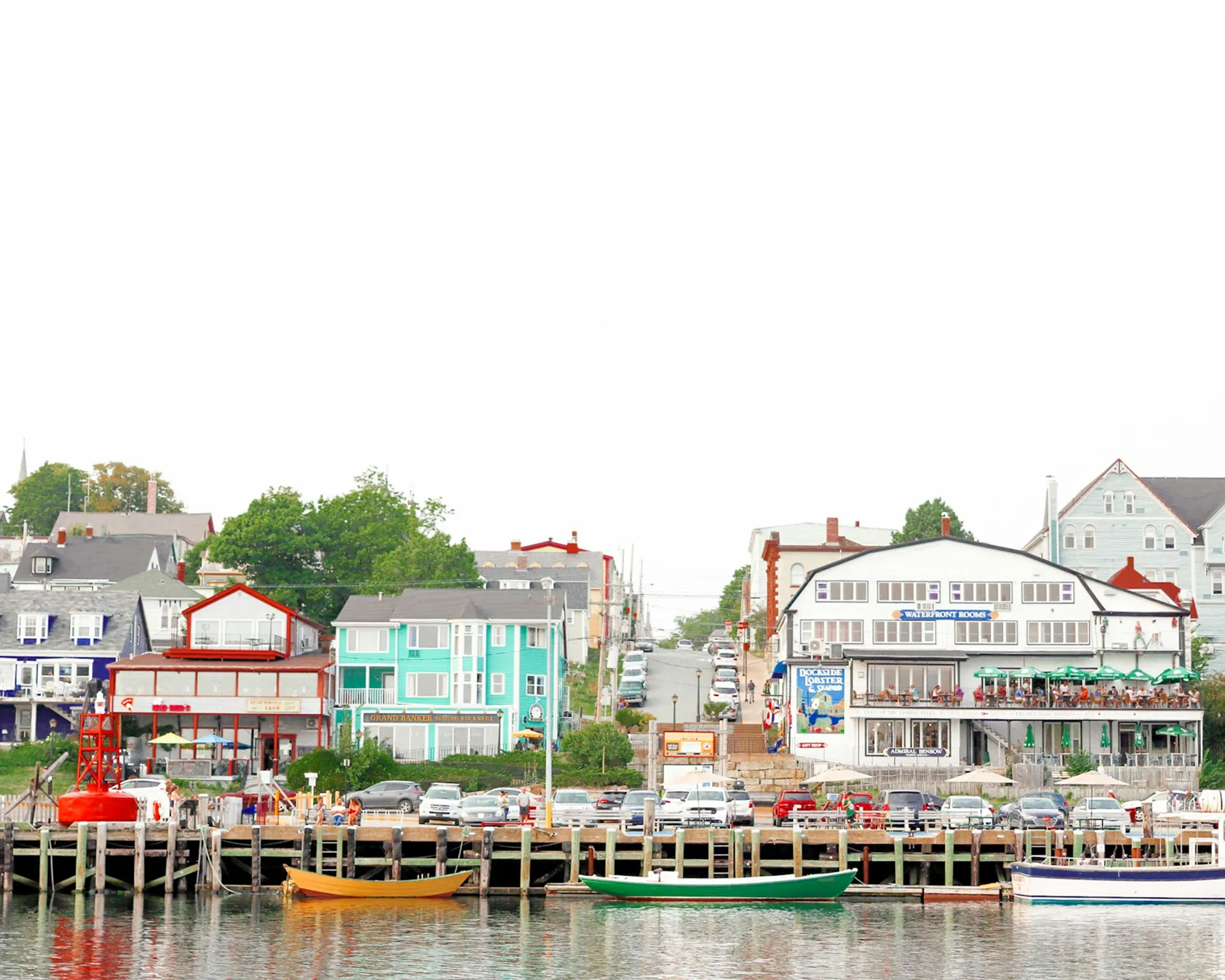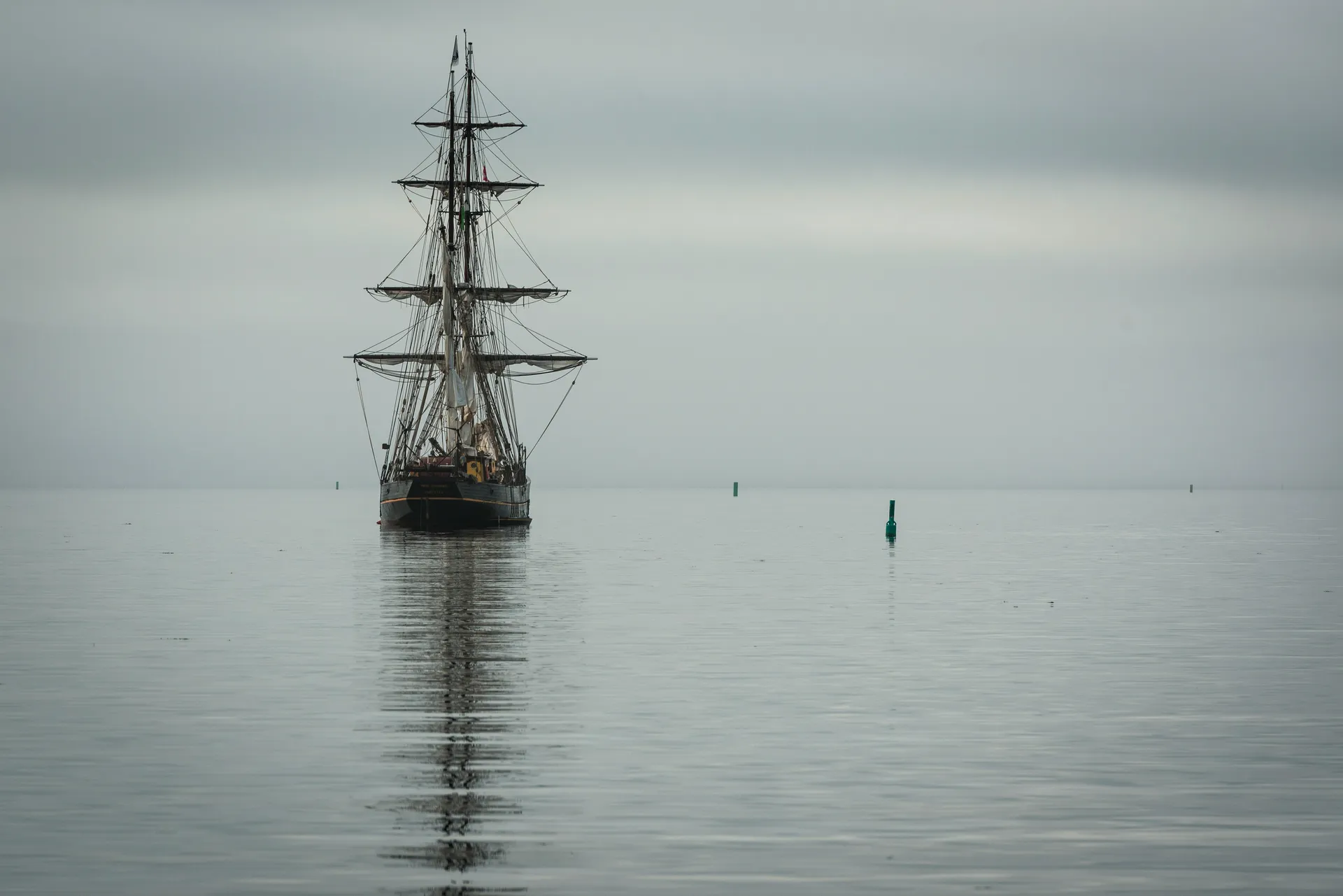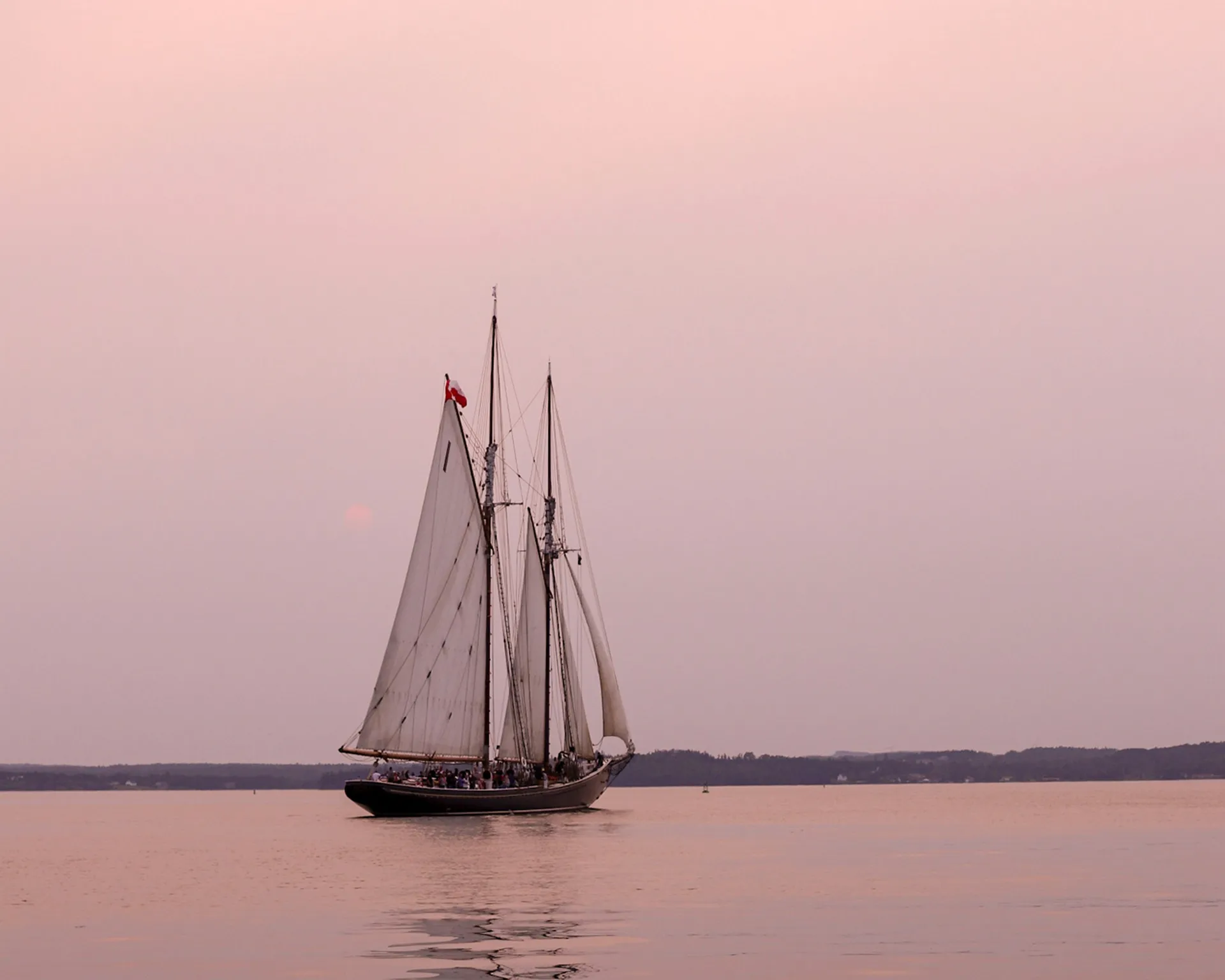
Few towns in the Americas wear their maritime heritage as elegantly as Lunenburg, Nova Scotia, whose waterfront of brightly painted wooden buildings has earned UNESCO World Heritage status and a place in the Canadian imagination as enduring as the Bluenose schooner built in its shipyards. Founded in 1753 as one of the first British colonial settlements outside Halifax, Lunenburg was deliberately planned with a rigid grid of streets climbing from the harbour — a geometric order that persists today, giving the town a visual coherence rare in North American coastal communities.
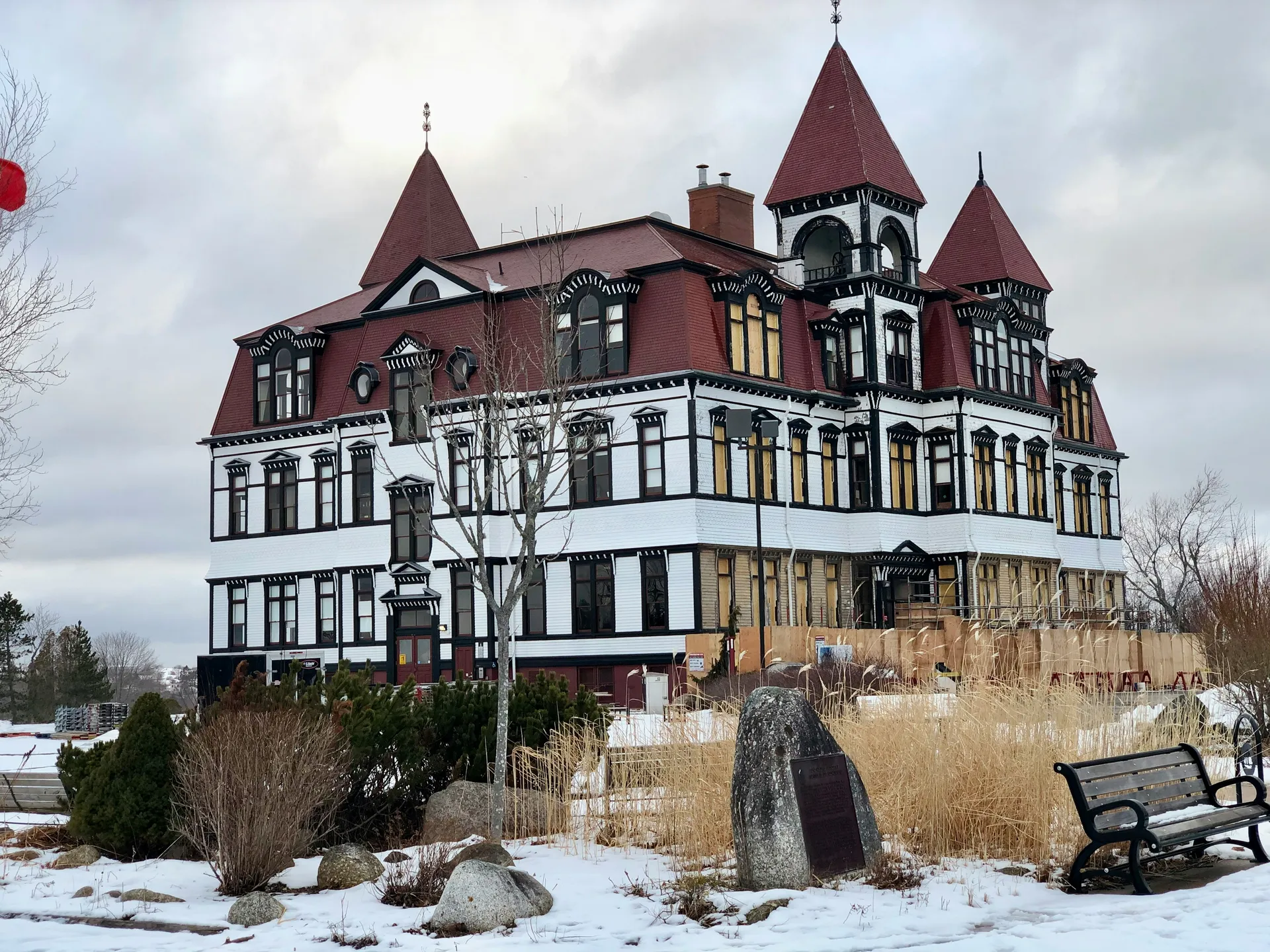
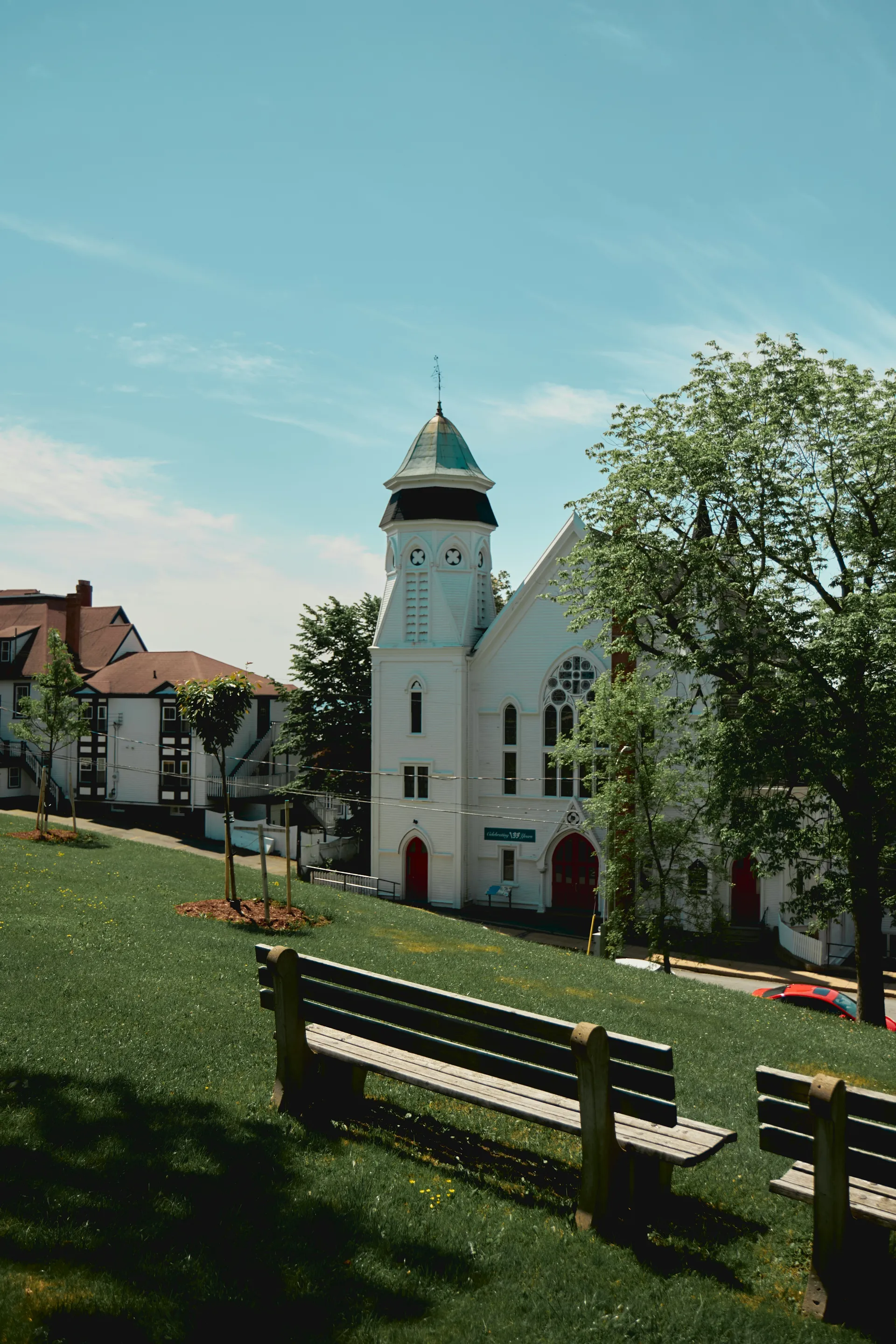
The architecture is Lunenburg's most immediate gift to the visitor. The famous "Lunenburg bump" — a distinctive five-sided dormer window unique to the town — punctuates the facades of houses painted in deep reds, mustard yellows, and ocean blues. These are not museum pieces but living buildings, many still occupied by descendants of the German, Swiss, and French Protestant settlers who arrived in the 1750s. The Knaut-Rhuland House, dating to 1793, offers a window into domestic life of the town's merchant class, while St. John's Anglican Church, rebuilt after a devastating 2001 fire, demonstrates the community's fierce attachment to its architectural legacy.
Lunenburg's culinary identity is anchored in the sea. The Grand Banker Bar & Grill and Salt Shaker Deli serve seafood with a commitment to local sourcing that borders on religious conviction — Lunenburg lobster, Mahone Bay mussels, scallops from the nearby banks. Traditional fish cakes and chowder remain benchmarks of the genre, though a new generation of chefs has introduced contemporary preparations honouring tradition while embracing innovation. The Ironworks Distillery, housed in a heritage blacksmith shop, produces small-batch spirits infused with local botanicals, including a rum that nods to the town's historic West Indies trade connection.
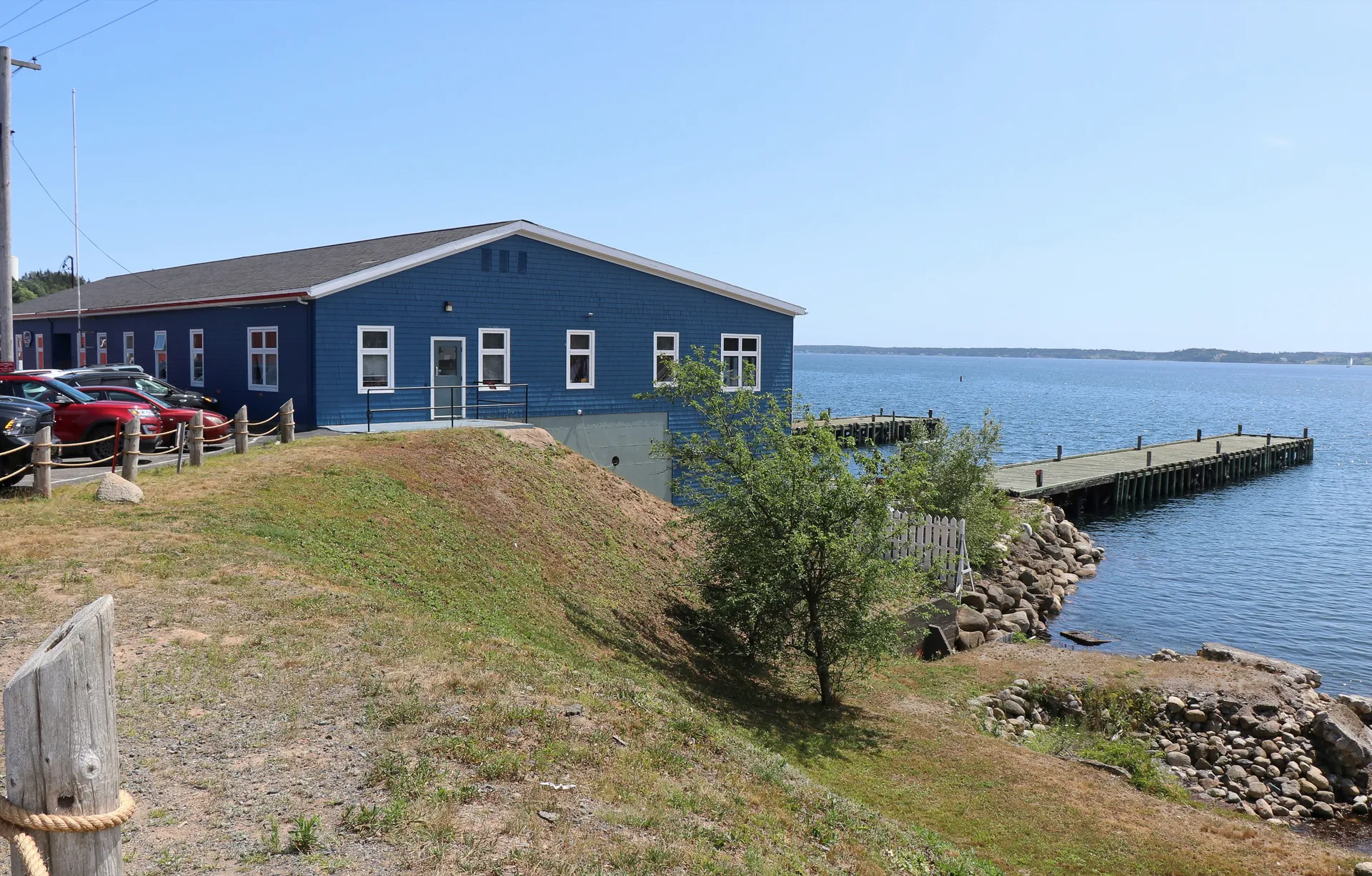
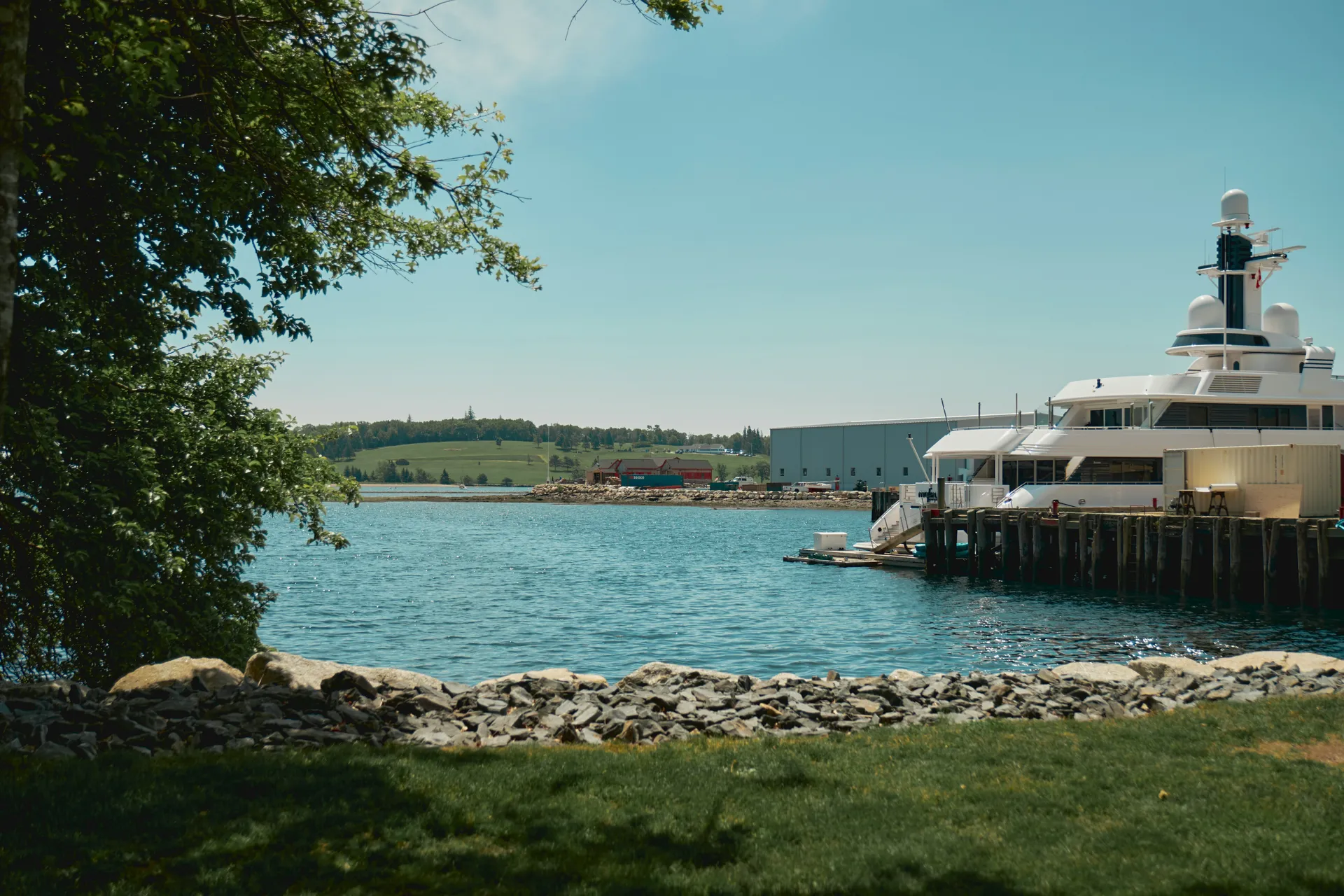
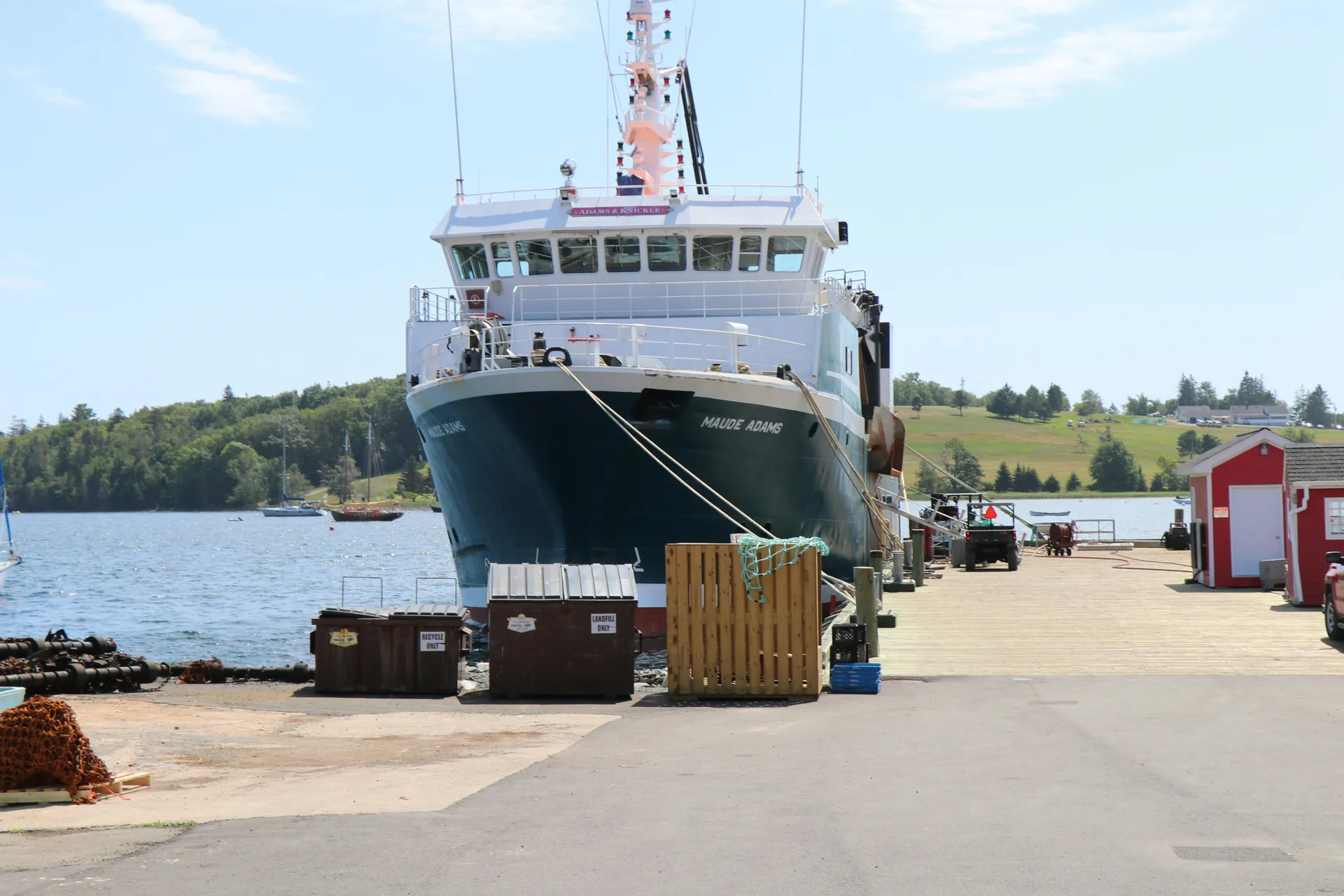
The Fisheries Museum of the Atlantic, occupying restored waterfront buildings, is among Canada's finest maritime museums. Its collection includes the Theresa E. Connor, the last of the Lunenburg salt bank schooners, and exhibits chronicling the Grand Banks fishery that sustained the town for centuries. Beyond the museum, the town's working waterfront still services fishing vessels, and the smell of salt, diesel, and fresh-cut lumber mingles in the harbour air.
Lunenburg is an easy ninety-minute drive from Halifax, and cruise ships anchor in the outer harbour with passengers tendered ashore. The sailing season extends from May through October, with summer bringing the warmest weather and the Lunenburg Folk Harbour Festival in August drawing musicians from across the Maritimes. Autumn, when the surrounding hardwood forests ignite in colour and the tourist crowds thin, may be the finest time to visit — the light takes on a golden quality that transforms the painted facades into something approaching the sublime.