Ontario is a province of such vast scale and geographic diversity that it functions less as a single destination than as a continent in miniature—stretching from the agricultural heartland of the Great Lakes lowlands to the boreal forest wilderness of the Canadian Shield to the polar bear habitat of Hudson Bay, with the national capital, Ottawa, and the country's largest city, Toronto, anchored along its southern edge. For cruise passengers arriving via the Great Lakes or the St. Lawrence Seaway, Ontario reveals itself as a land where world-class urban culture meets wilderness of breathtaking scale.
Toronto, rising from the northern shore of Lake Ontario in a forest of glass towers dominated by the CN Tower, is Canada's most diverse city—over half its population was born outside the country, creating a cultural mosaic that manifests most deliciously in its food scene. Kensington Market, a bohemian warren of vintage shops and international food stalls, and St. Lawrence Market, one of the world's great food halls, represent the city's culinary extremes of casual and curated. The Royal Ontario Museum, the Art Gallery of Ontario (redesigned by Frank Gehry), and the leafy campus of the University of Toronto provide cultural depth that rivals any North American city.
The Niagara region, where the Niagara River plunges over the escarpment in one of the world's most famous waterfalls, combines natural spectacle with an increasingly sophisticated wine country. The Niagara Peninsula's cool-climate vineyards produce award-winning riesling, chardonnay, and the icewine for which Canada has become internationally renowned—a sweet, concentrated nectar pressed from grapes frozen on the vine in winter temperatures. The charming town of Niagara-on-the-Lake, with its nineteenth-century main street and the Shaw Festival theater, provides a refined counterpoint to the falls' tourist energy.
The Thousand Islands, where the St. Lawrence River exits Lake Ontario through an archipelago of over 1,800 islands, offer a landscape of Gilded Age elegance and natural beauty. Boldt Castle on Heart Island, the grand summer estates of the Canadian islands, and the river's intricate pattern of channels and islands create a scenic passage that has enchanted travelers since the nineteenth century. North of the settled south, the Canadian Shield begins—a vast expanse of ancient rock, boreal forest, and clean-water lakes that extends to the tree line and beyond, home to moose, black bears, wolves, and the indigenous communities whose connection to this land predates European contact by millennia.
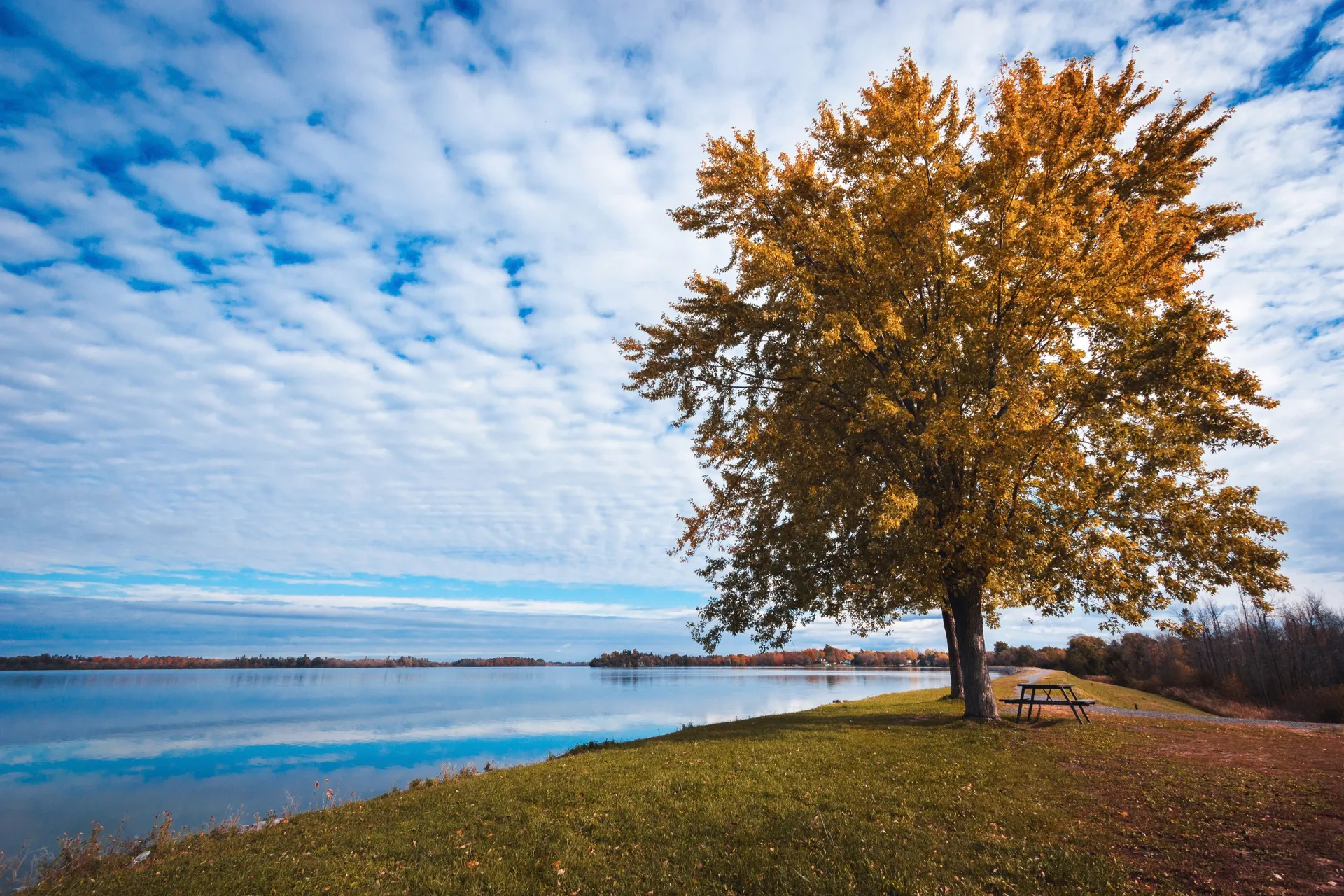
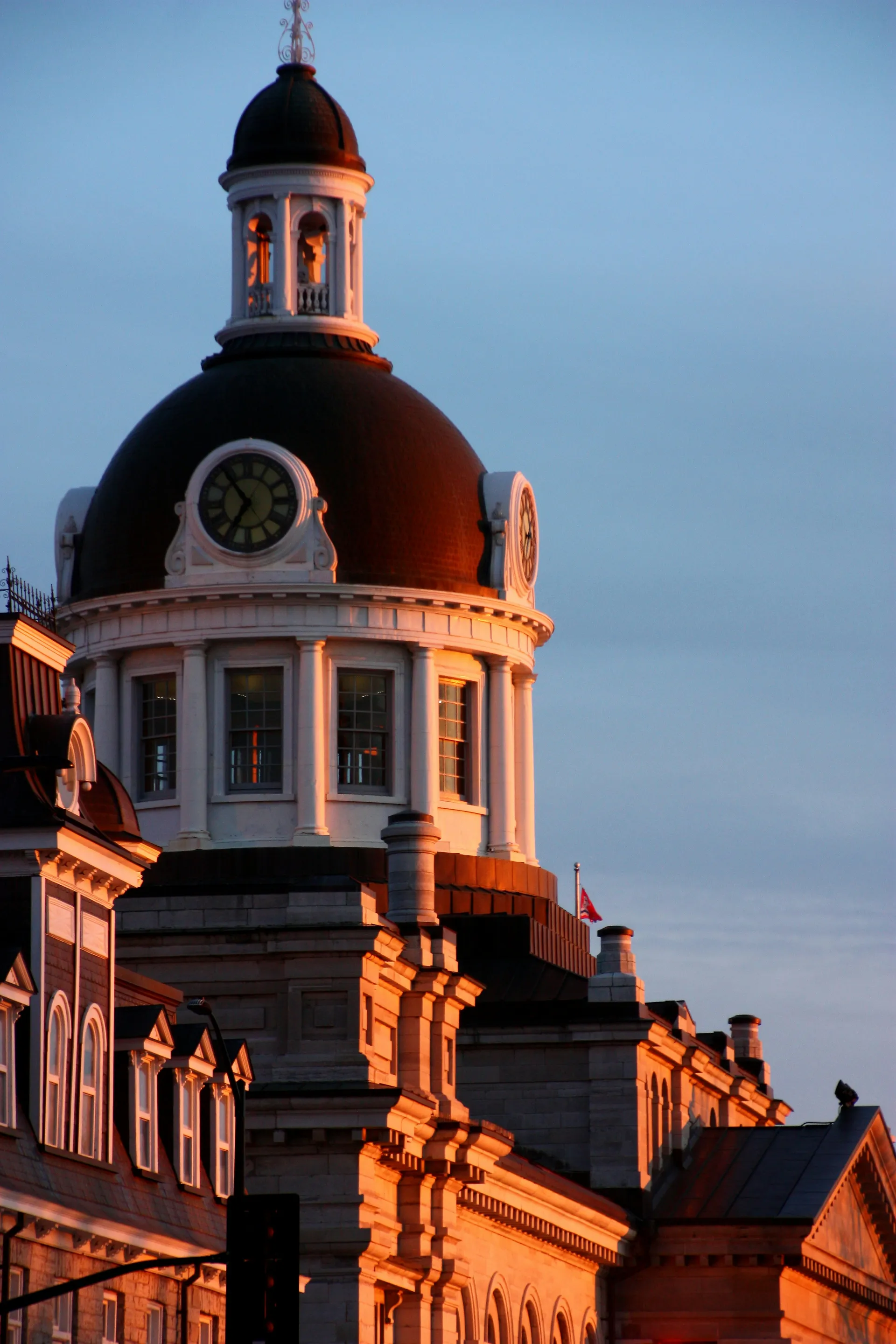
Cruise ships access Ontario through the St. Lawrence Seaway and the Great Lakes, with Toronto, Kingston, and various Thousand Islands ports serving as calls. Toronto's cruise terminal on the waterfront places passengers within reach of the city's major attractions. The optimal visiting season runs from May through October, with July and August offering the warmest weather—temperatures in southern Ontario regularly reach 28°C—and the longest days. September and October bring spectacular fall foliage, particularly in the Muskoka and Algonquin regions north of Toronto, where the maple forests turn in a blaze of color that has become one of Canada's most iconic seasonal displays.