Red Bay sits on the southern coast of Labrador, facing the Strait of Belle Isle that separates mainland Canada from Newfoundland — a modest community of approximately 200 people that guards one of the most significant archaeological sites in North America. In the sixteenth century, Red Bay was the whaling capital of the world. Between roughly 1530 and 1600, Basque whalers from the ports of northern Spain and southwestern France crossed the Atlantic each summer to hunt the right whales and bowhead whales that congregated in the cold, nutrient-rich waters of the Strait. At the height of the industry, over 2,000 Basque whalers worked these shores, rendering whale blubber in stone tryworks on Saddle Island and shipping the oil back to Europe to fuel the lamps that illuminated churches, workshops, and noble households from London to Constantinople.
The UNESCO World Heritage Site at Red Bay encompasses both the onshore tryworks and the remarkably preserved underwater remains of Basque whaling vessels — most notably the San Juan, a galleon that sank in the harbor in 1565 and was discovered in 1978 by underwater archaeologists from Parks Canada. The San Juan is the best-preserved sixteenth-century vessel ever found, and its excavation — conducted over a decade in the frigid waters of Red Bay — yielded a wealth of artifacts that illuminate the daily lives of the Basque whalers: navigation instruments, personal effects, barrel staves, and the massive copper cauldrons used to render blubber into oil. The Red Bay National Historic Site visitor center presents these discoveries with clarity and dramatic effect, making the Basque whaling story accessible to visitors who may know nothing of this extraordinary chapter of Atlantic history.
The culinary traditions of Red Bay and the Labrador coast are shaped by the harsh climate and the sea. Cod — fresh, salted, and dried — has been the dietary foundation of this coast since the first European fishermen arrived in the fifteenth century. Jiggs dinner (salt beef boiled with root vegetables, cabbage, and pease pudding) is the traditional Sunday meal, a dish of utilitarian heartiness that has sustained Labrador families through long winters. Bakeapple (cloudberry), partridgeberry, and blueberry — gathered from the bogs and barrens in late summer — are preserved as jams and sauces that brighten the winter diet. Seal flipper pie, a traditional Newfoundland and Labrador dish, is an acquired taste for outsiders but a cherished heritage food for locals.
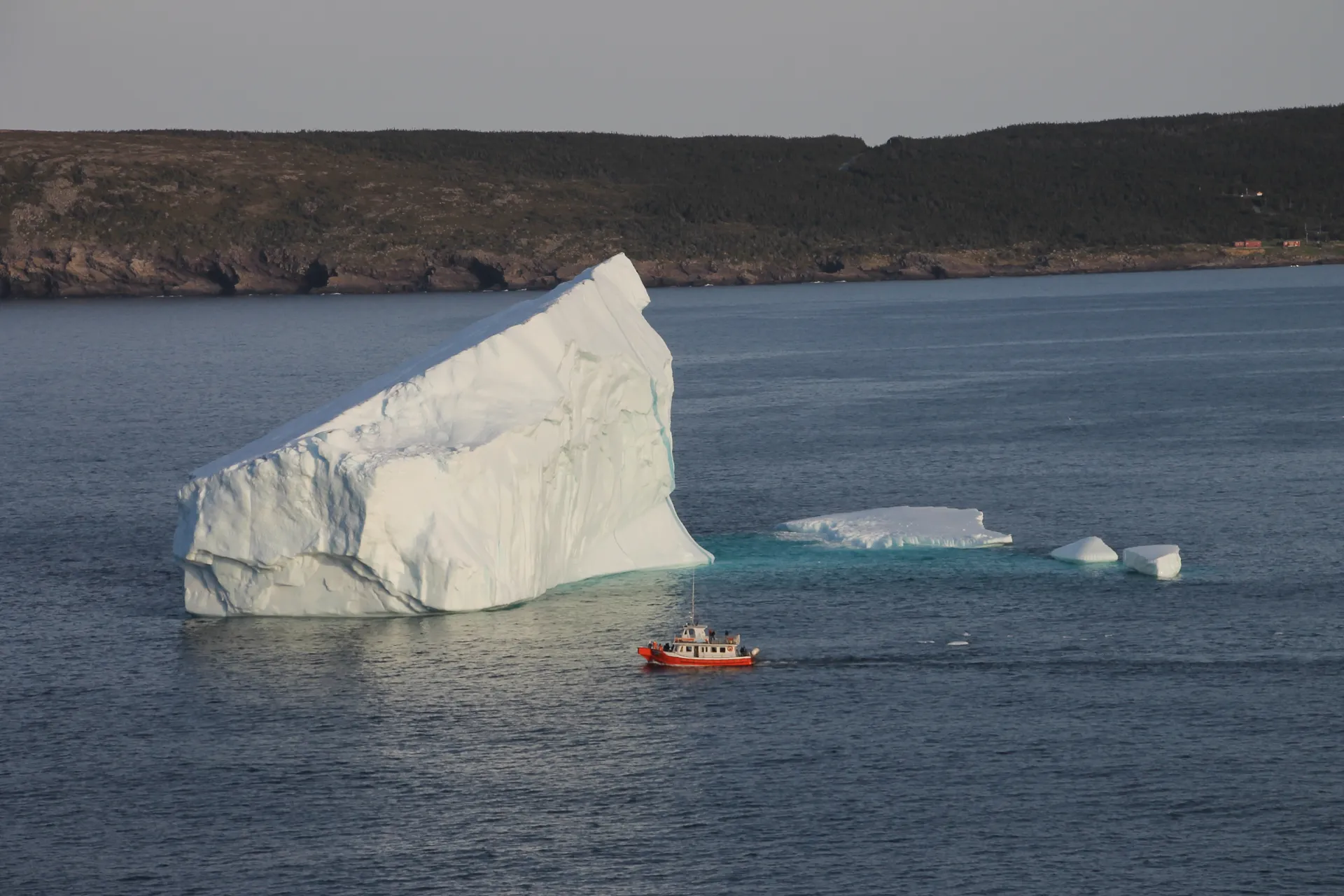
The landscape surrounding Red Bay is subarctic in character — stunted spruce and birch, exposed granite, and the vast, wind-scoured barrens of the Labrador coast. The Strait of Belle Isle, visible from the village, is one of the great wildlife corridors of the North Atlantic: humpback whales, minke whales, and occasionally blue whales feed in its cold waters from June through September. Icebergs calved from Greenland's glaciers drift south through the Strait in spring and early summer, their blue-white forms providing a spectacular backdrop to the village. The Point Amour Lighthouse, thirty kilometers east, is the tallest lighthouse in Atlantic Canada and offers panoramic views of the Strait and, on clear days, the coast of Newfoundland across the water.
Red Bay is accessible by road via the Trans-Labrador Highway (Route 510) from the ferry terminal at Blanc-Sablon, Quebec, or by expedition cruise ships that anchor offshore in the harbor. The visitor center is open from June to October, and the most rewarding visit combines the onshore exhibits with a boat trip to Saddle Island, where the tryworks foundations and the cemetery of Basque whalers can be explored. The summer months of July and August offer the warmest weather (temperatures rarely exceed 20°C) and the best chance of whale and iceberg sightings. This is remote, sparsely populated coast — the journey itself, whether by road or by sea, is an integral part of the experience.

