Where the Atlantic meets the weathered shores of Cape Breton Island, Sydney stands as a testament to reinvention — a city forged in the fires of industry that has emerged, luminous and unhurried, as one of eastern Canada's most compelling port destinations. Founded in 1785 by Colonel Joseph Frederick Wallet DesBarres as the capital of the former colony of Cape Breton, this harbour settlement served as a vital British loyalist refuge following the American Revolution. For more than a century, its identity was inseparable from the coal mines and steel mills that powered the Dominion Steel and Coal Corporation, once among the largest industrial operations in North America.
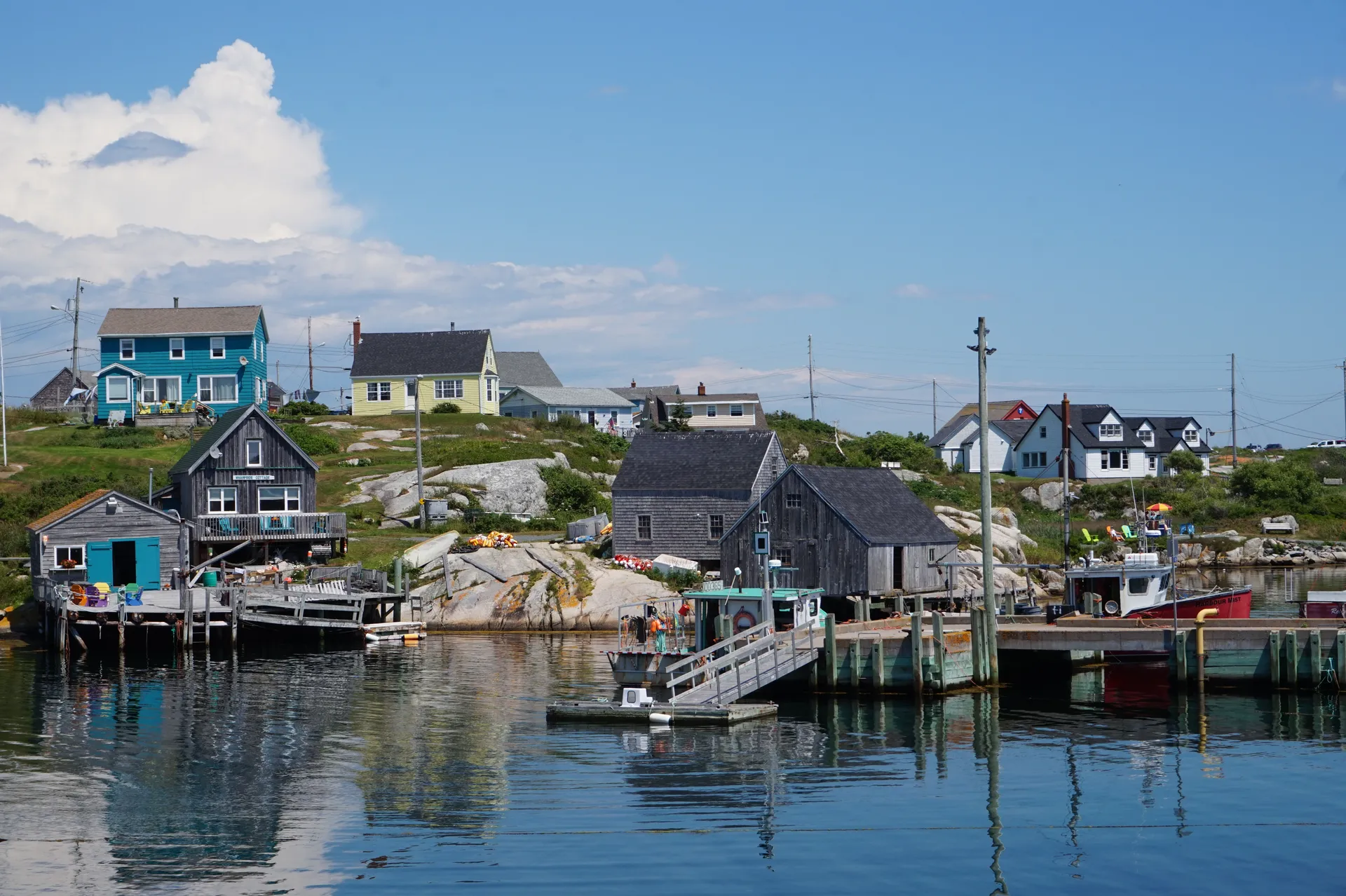
Today, Sydney wears its post-industrial renaissance with quiet grace. The waterfront boardwalk traces the harbour's edge past colourful heritage buildings and the striking Joan Harriss Cruise Pavilion, where vessels glide into berth against a backdrop of mist-softened headlands. The city's pace is deliberately unhurried — mornings unfold over conversations at independent cafés along Charlotte Street, while afternoons invite wandering through the Cape Breton Centre for Heritage and Science or pausing before the world's largest fiddle, an exuberant steel sculpture standing sentinel at the cruise terminal. There is an intimacy here that larger ports cannot replicate, a sense that every shopkeeper and guide genuinely delights in sharing their corner of Nova Scotia.
Cape Breton's culinary identity is rooted in the sea and the land's Scottish-Acadian heritage, and Sydney serves as its most accessible table. Begin with a bowl of seafood chowder — thick with fresh Atlantic lobster, Digby scallops, and local haddock — at one of the harbourfront restaurants where the catch arrives mere hours before it reaches your plate. Seek out oatcakes, the buttery, crumbly shortbread-like biscuits baked from recipes carried across the ocean by Highland settlers, perfect alongside a cup of strong tea. For something more adventurous, sample rappie pie (pâté à la râpure), an Acadian delicacy of grated potatoes layered with chicken or clams, baked until golden — a dish found almost nowhere else on earth. The island's craft beer and whisky scene has blossomed as well, with local distillers drawing on Cape Breton's pure spring water and maritime climate to produce spirits of remarkable character.
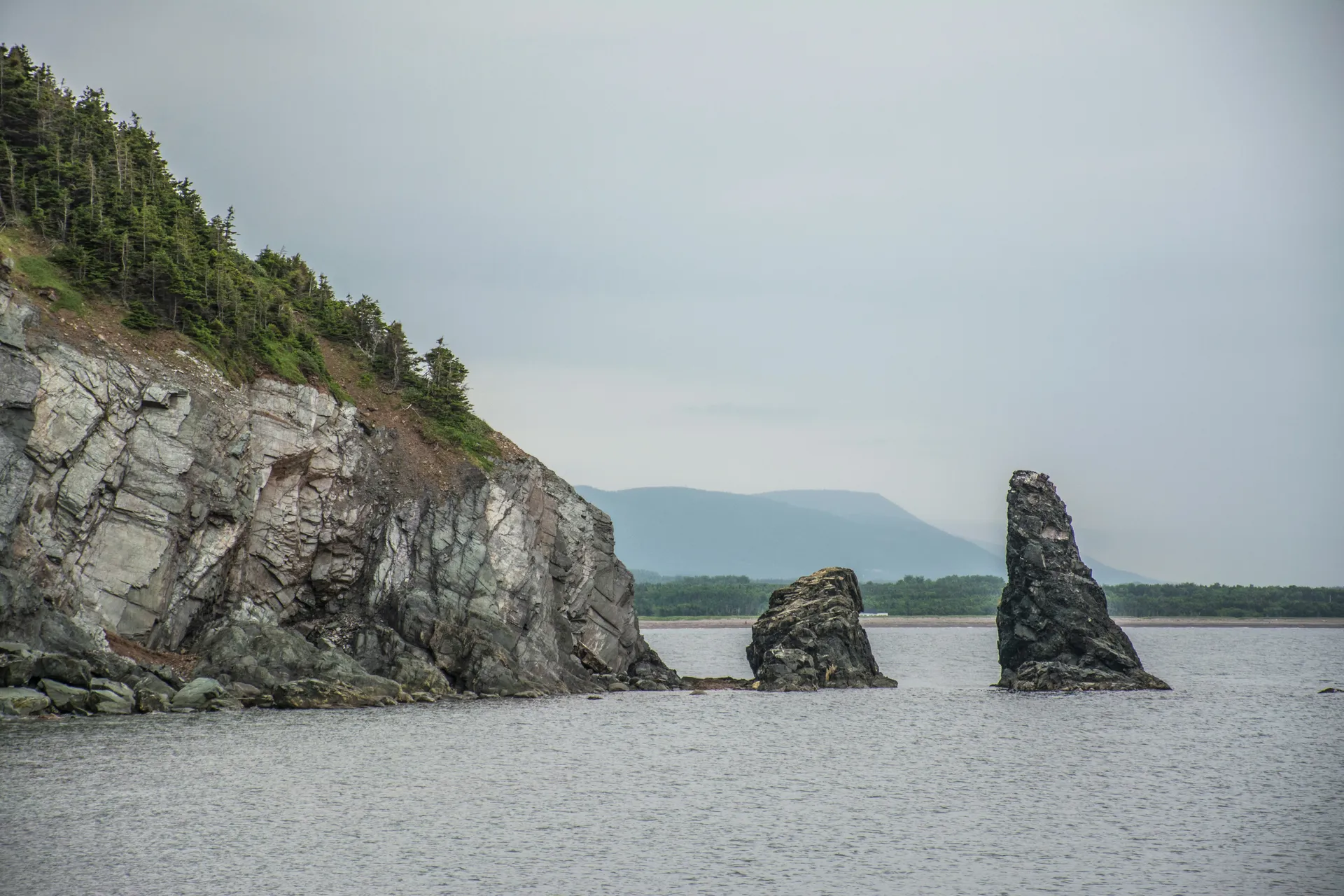
While Sydney itself captivates, the island beyond rewards the curious traveller immeasurably. The Cabot Trail — routinely named among the world's most spectacular drives — unfurls through the Cape Breton Highlands in a ribbon of vertiginous sea cliffs, boreal forest, and whale-frequented coves. For those whose itineraries extend further into Canada's vast wilderness, the country offers staggering contrasts: the sun-drenched vineyards of the Okanagan Valley in British Columbia, where world-class Pinot Noir and Chardonnay flow against a backdrop of crystalline lakes; the thundering cascades of Wells Gray Provincial Park, home to Helmcken Falls, one of Canada's most powerful waterfalls; the raw, wind-sculpted coastline of Terra Nova National Park in Newfoundland, where icebergs drift past ancient fjords each spring; and the powder-draped peaks of Revelstoke, British Columbia, a mountain town that feels suspended between earth and sky.
Sydney's deep-water harbour has long welcomed the world's most distinguished cruise lines, making it a favoured port of call on Atlantic Canada and New England itineraries. Cunard brings its transatlantic heritage to these waters with characteristic refinement, while Holland America Line and Princess Cruises offer the port as a highlight of their autumn foliage voyages, when Cape Breton's maples ignite in scarlet and amber. Oceania Cruises and Regent Seven Seas Cruises deliver the intimate, cuisine-forward experience that pairs naturally with the island's artisanal food culture, and Royal Caribbean introduces a broader audience to this remarkable destination with its signature blend of energy and comfort. The cruise terminal sits within walking distance of the historic downtown, ensuring that even a single day in port feels generous, unhurried, and deeply satisfying.
What lingers after departing Sydney is not a single landmark or photograph, but rather a feeling — the salt-tinged air carrying the distant melody of a Celtic fiddle, the warmth of strangers who speak as though you have always belonged here. Cape Breton does not compete with the grand capitals of the cruise world. It offers something rarer: the sense of having arrived somewhere profoundly, quietly real.