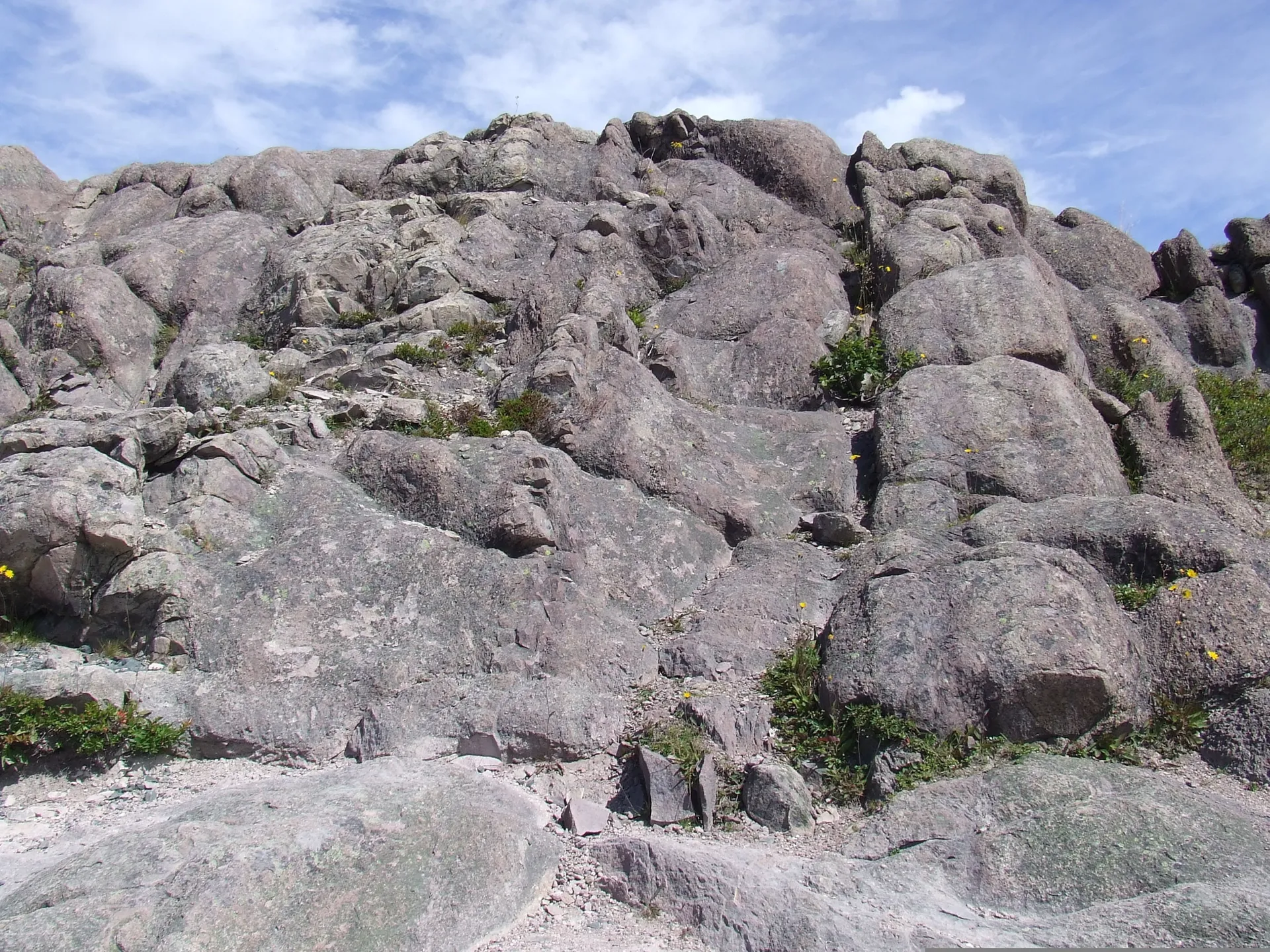
At the northernmost reach of Labrador, where the Torngat Mountains plunge directly into the frigid waters of the Labrador Sea, lies one of the most profoundly wild landscapes on Earth. Torngat Mountains National Park encompasses 9,700 square kilometres of raw Arctic grandeur — a realm of deep fjords, tidewater glaciers, and wind-sculpted peaks that have served as the ancestral homeland of the Inuit for thousands of years. The name itself comes from the Inuktitut word "Tongait," meaning place of spirits, and even the most seasoned traveller will understand why upon first sight.
This is not a park of manicured trails and visitor centres. The Torngats are accessed almost exclusively by boat or chartered aircraft, lending every arrival the electric charge of genuine expedition. Polar bears roam the coastline in significant numbers — armed Inuit bear guards accompany all hiking parties, a reminder that humans are visitors in this sovereign wilderness. The mountains themselves, some of the oldest on Earth at 3.9 billion years, rise in jagged ramparts directly from the sea, their flanks scarred by glacial cirques still holding remnant ice from the last great ice age.
The cultural experience here is inseparable from the landscape. The Torngat Mountains Base Camp, operated in partnership with the Nunatsiavut Government, offers a rare opportunity to engage with Inuit knowledge holders who share stories of the land, demonstrate traditional skills, and guide visitors through a landscape they know intimately. Meals at base camp feature Arctic char pulled from icy streams, cloudberries gathered from the tundra, and caribou prepared in time-honoured ways. This is not performative cultural tourism — it is a living connection to a continuous human presence spanning five millennia.
Wildlife encounters define the Torngat experience. Beyond polar bears, the park hosts the Torngat Mountains caribou herd, Arctic foxes, wolves, and one of the highest densities of black bears in Labrador. The coastal waters teem with harp seals, ringed seals, and the occasional minke whale. Peregrine falcons nest on the cliff faces, and snowy owls patrol the tundra. In late summer, the hillsides erupt in a brief but intense display of Arctic wildflowers — purple saxifrage, Arctic poppies, and cotton grass swaying in the perpetual wind.
The park is accessible from mid-July through mid-September, the narrow window when conditions permit safe travel. Most visitors arrive via expedition cruise ships that anchor in the fjords, deploying Zodiacs to access hiking terrain. Independent travellers can reach base camp by charter flight from Happy Valley-Goose Bay. Regardless of approach, the Torngats demand preparation, flexibility, and a willingness to surrender to weather and wildness. What they return is immeasurable — an encounter with a landscape so ancient and untouched it recalibrates one's sense of scale and time.

