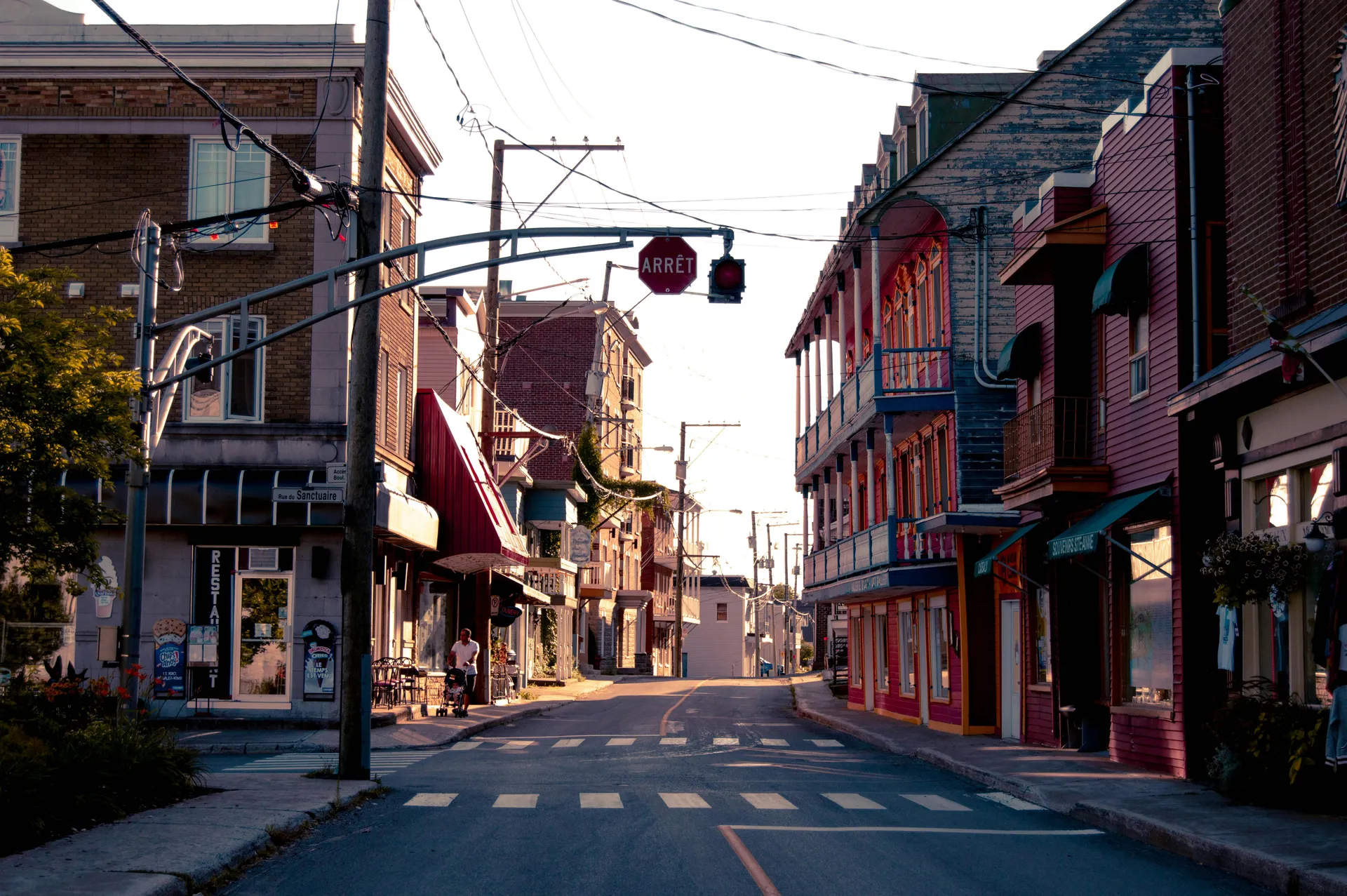
Trois-Rivieres is one of the oldest settlements in North America — founded in 1634, just 26 years after Quebec City, making it the second permanent French establishment in what would become Canada. The city takes its name from the triple channels through which the Saint-Maurice River empties into the St. Lawrence, creating a distinctive delta that gave the early fur traders a natural harbour and a strategic position at the crossroads of two vital waterways. For over a century, Trois-Rivieres was the epicentre of the Canadian fur trade, a frontier outpost where French coureurs des bois, Algonquin and Atikamekw trappers, and Jesuit missionaries converged in a cultural exchange that shaped the character of New France.
Today Trois-Rivieres is a city of 140,000 that blends its deep colonial history with a cultural vitality that belies its modest size. The Vieux-Trois-Rivieres district, rebuilt after a devastating fire in 1908, preserves a handful of 18th-century stone buildings — including the Manoir de Tonnancour, an elegant residence from 1723 that now houses art exhibitions — alongside the Ursuline Monastery complex, whose chapel dome is a city landmark and whose museum traces the story of the Ursuline nuns who established schools and hospitals on the frontier of New France. The Boreal, a striking modern cultural centre on the waterfront, hosts exhibitions, performances, and the Festival International de la Poesie — a 10-day poetry festival that draws thousands of participants and fills the city's cafes with readings in French, English, and indigenous languages.
The culinary traditions of Trois-Rivieres are rooted in Quebecois comfort food elevated by a new generation of local chefs. Poutine — here considered a birthright rather than a curiosity — is served in variations that range from the classic (fries, cheese curds, gravy) to the inventive (smoked meat, foie gras, braised duck). Tourtiere, the Quebecois meat pie that is essential to every reveillon Christmas Eve dinner, is a regional speciality whose filling — typically a blend of pork, veal, and game spiced with clove and cinnamon — varies from family to family, each recipe guarded with the fervour of a state secret. The local fromageries produce cheeses that rival those of France, including the washed-rind varieties that thrive in Quebec's climate.
The St. Maurice Valley extending north from Trois-Rivieres is a landscape of boreal forest, rivers, and lakes that sustained both the fur trade and the timber industry that succeeded it. Les Forges du Saint-Maurice, a national historic site 15 minutes from the city, preserves the remains of the first ironworks in Canada, established in 1730 — the blast furnace foundations, workers' quarters, and interpretive centre tell the story of New France's industrial ambitions. The Parc National de la Mauricie, 45 minutes north, offers canoeing, hiking, and wildlife viewing in a pristine landscape of Canadian Shield forest, Precambrian rock, and interconnected lakes where loons call across the water at dusk.
Trois-Rivieres is visited by Viking on St. Lawrence River itineraries, with ships docking at the city's waterfront cruise terminal. The most beautiful visiting season is September through mid-October, when the Quebec autumn transforms the Mauricie forests into a spectacular palette of red, orange, and gold. Summer months offer the warmest weather and the fullest festival calendar, including the Grand Prix de Trois-Rivieres auto race in August.

