On the northeastern coast of Newfoundland, where the cold Labrador Current sweeps icebergs south from the Arctic and the codfish once ran in numbers that seemed to guarantee prosperity forever, the town of Twillingate occupies a chain of islands connected by causeways and bridges — a community spread across a seascape of such severe beauty that Newfoundlanders call it "the Iceberg Capital of the World."
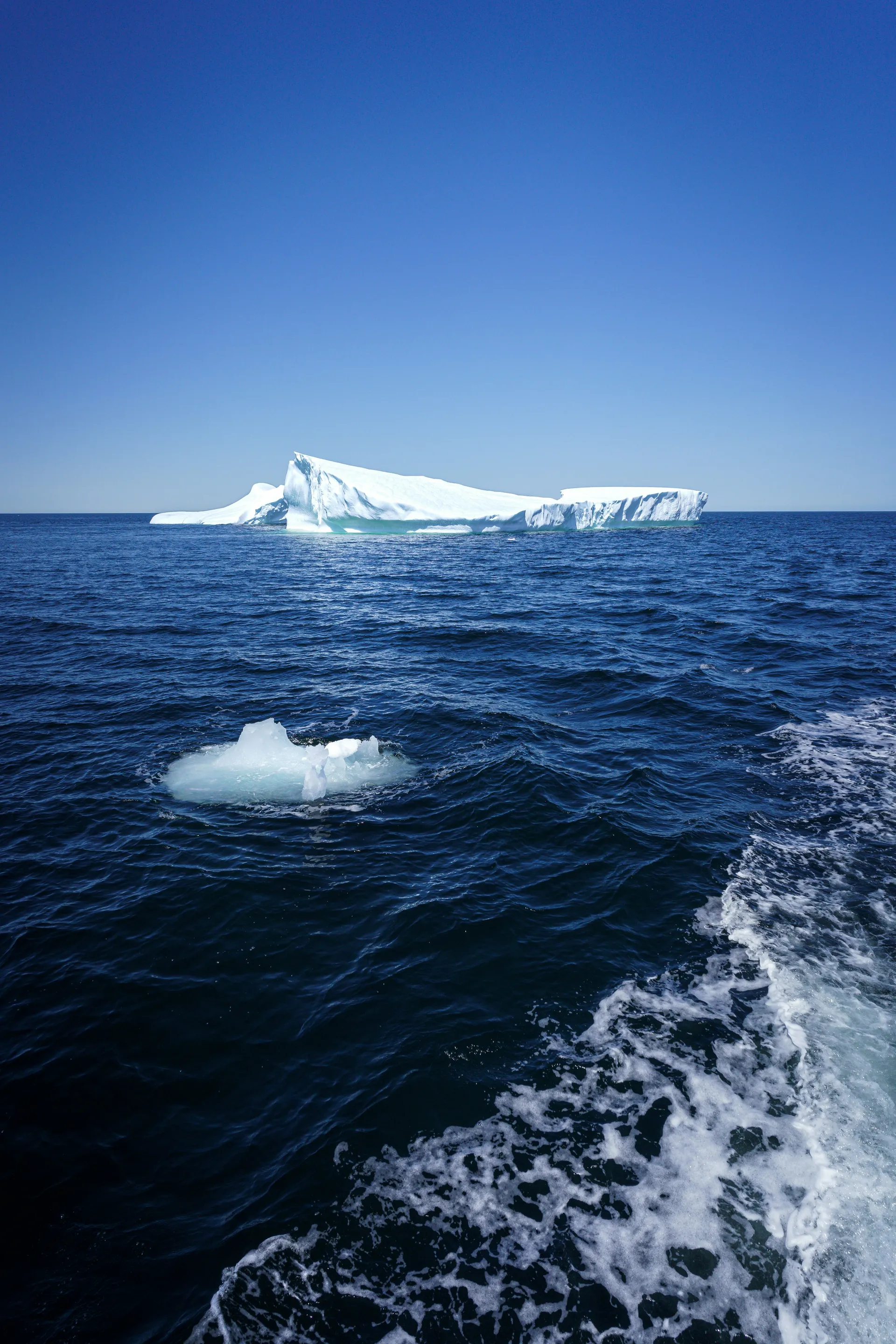
Twillingate's relationship with icebergs is not metaphorical. Each spring, between April and July, icebergs calved from the glaciers of western Greenland drift southward on the Labrador Current, arriving off Twillingate's coast in numbers and sizes that vary dramatically from year to year but are always spectacular. These are not the diminutive growlers of more southerly waters but genuine bergs — some reaching heights of fifty metres and weighing millions of tonnes — their surfaces sculpted by wind and wave into cathedrals, arches, and impossible overhangs of ancient ice that glow from within.
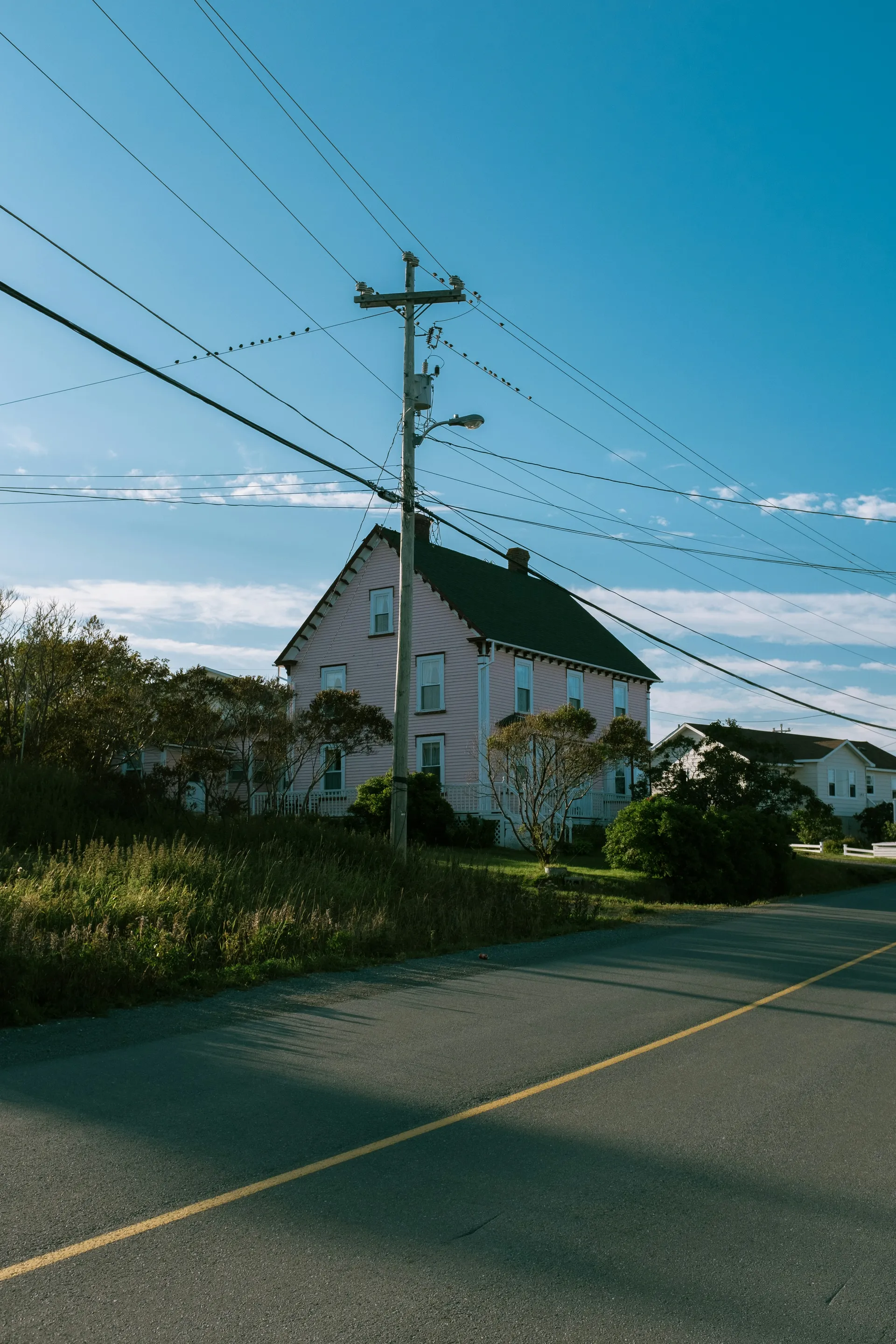
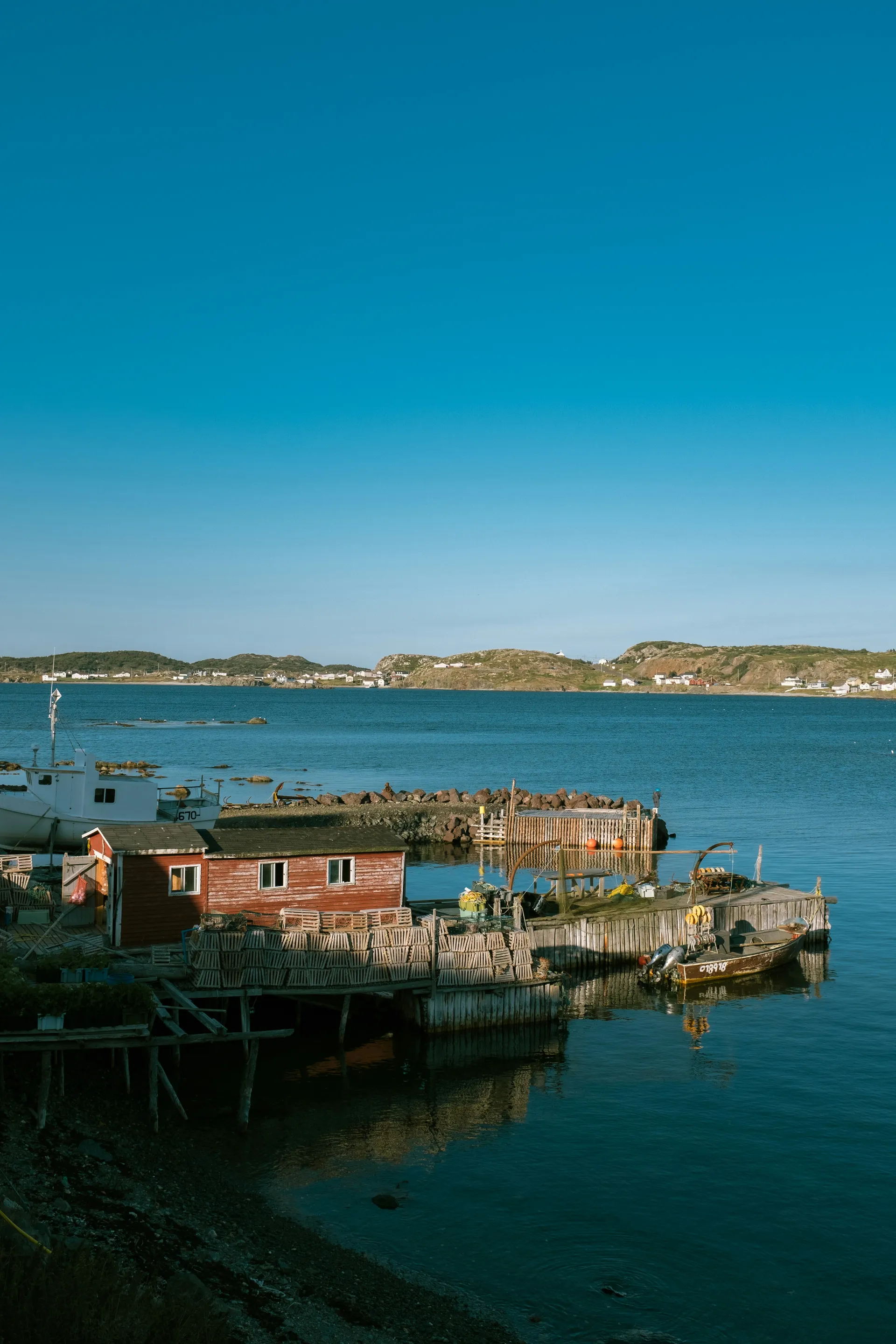
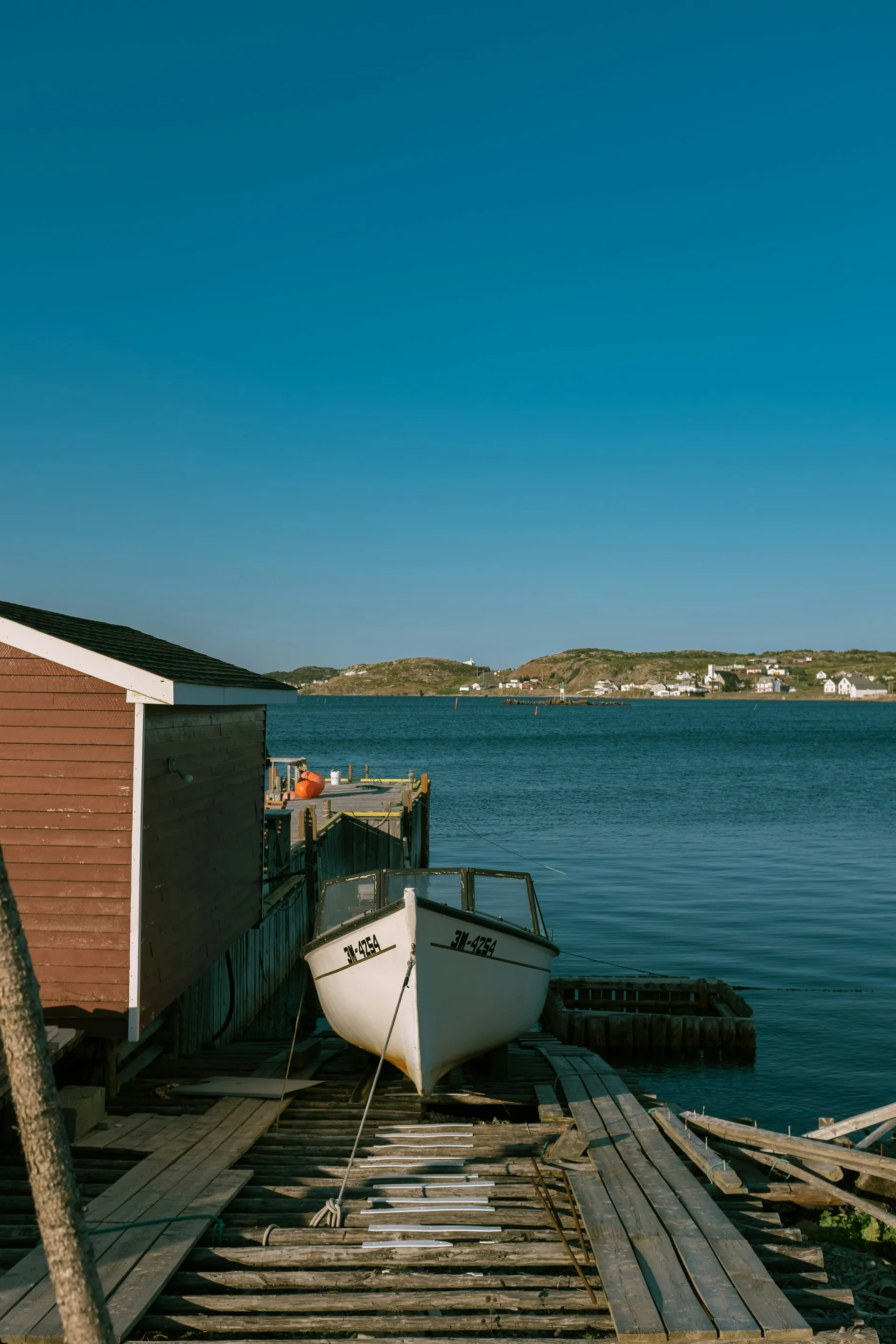
The town itself possesses the stubborn charm of outport Newfoundland. Brightly painted clapboard houses — yellow, blue, red, and green — line the harbours and hillsides, their colours a defiant response to the grey seas and frequent fog. The Twillingate Museum, housed in an Anglican rectory built in 1912, chronicles the community's long dependence on the cod fishery — a way of life that sustained generations until the cod moratorium of 1992 devastated the economy and forced a painful reinvention.
The cuisine of Twillingate reflects both its maritime heritage and its creative adaptation. Fish and brewis — salt cod soaked overnight and served with hardtack biscuit and scrunchions (fried pork fat) — remains the defining dish of Newfoundland identity. Cod tongues, pan-fried in butter, are a local delicacy that visitors approach with trepidation and finish with enthusiasm. Iceberg water — harvested from bergs floating offshore — is used to brew a crisp, clean vodka and a surprisingly smooth beer that market the town's most photogenic natural resource.
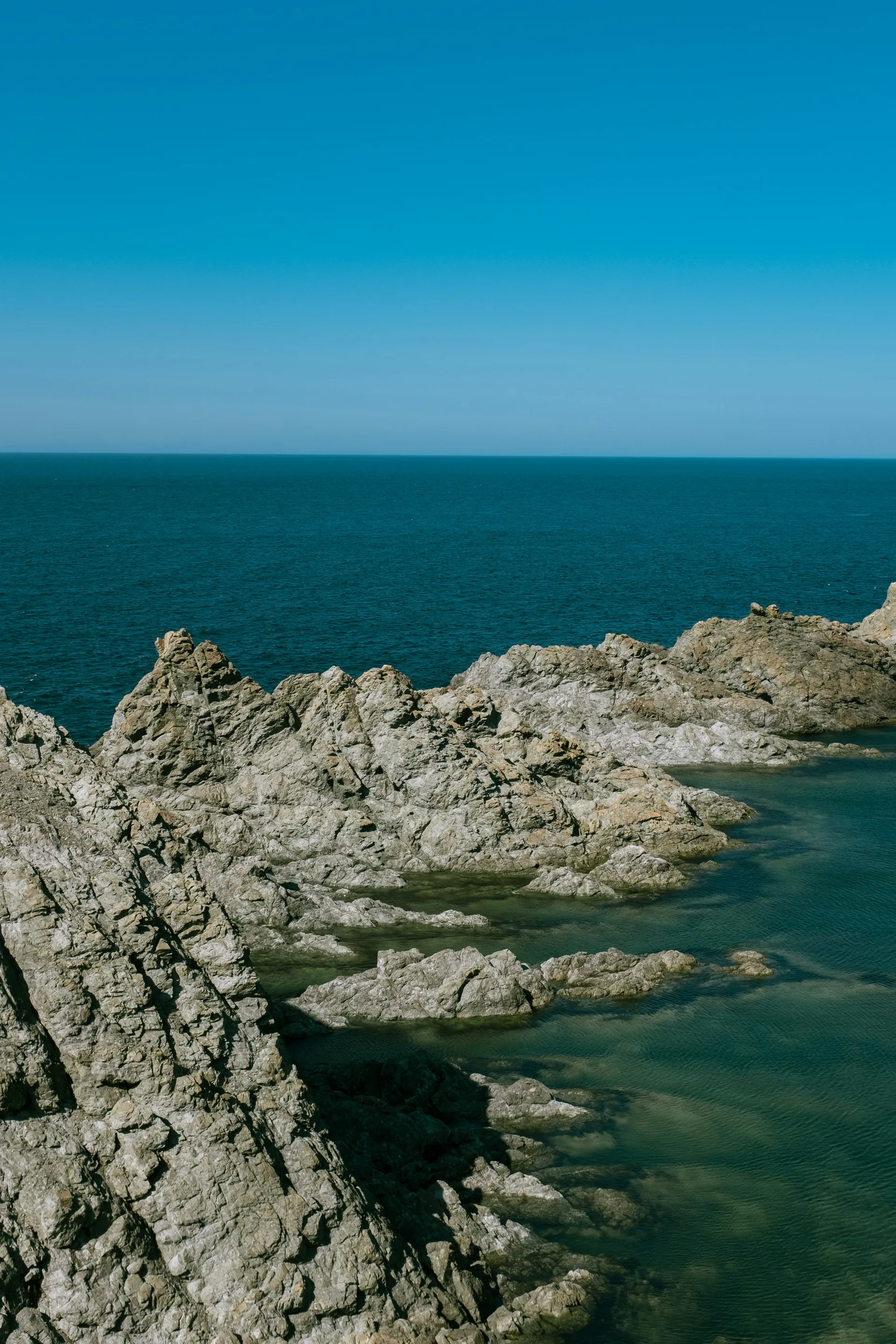
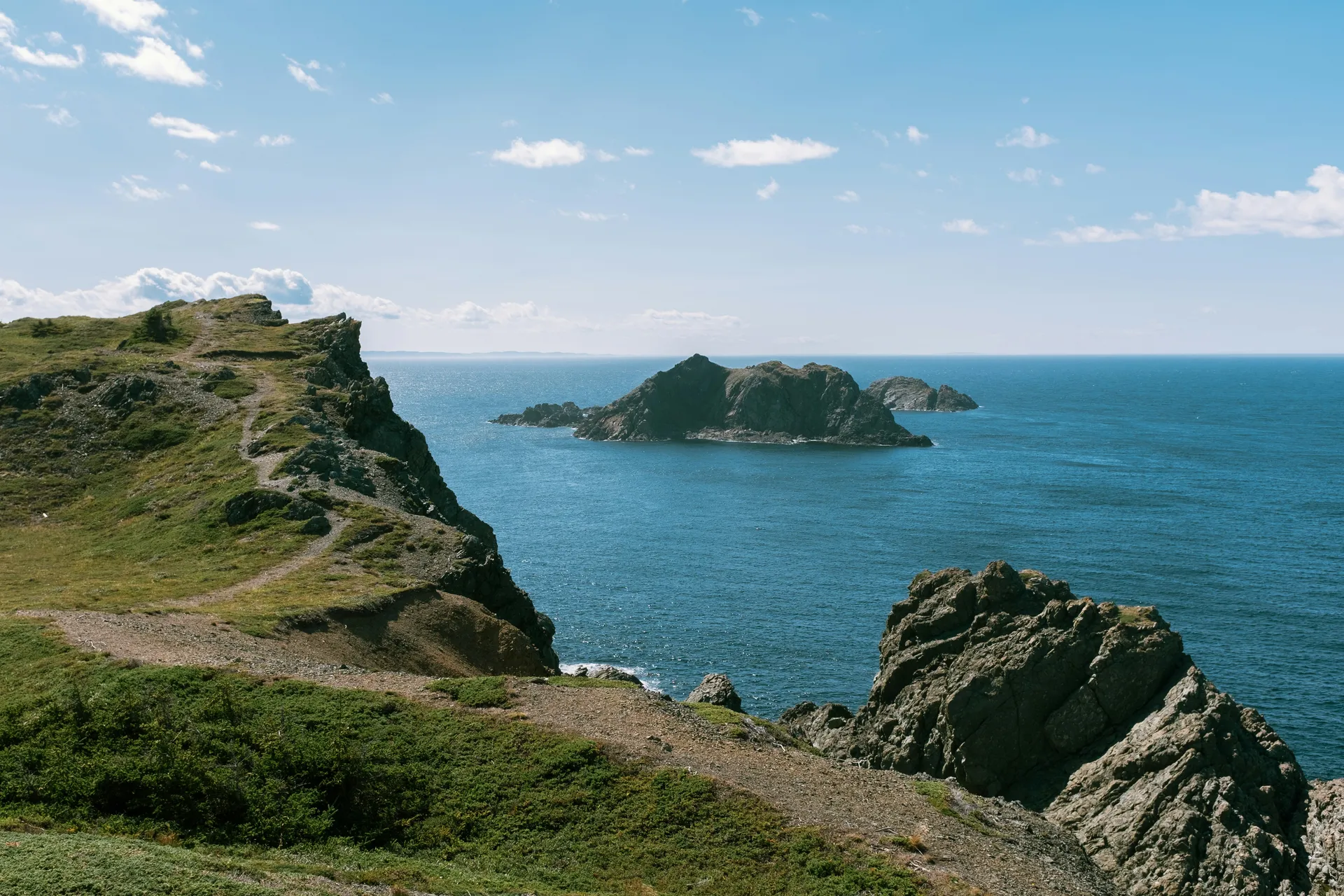
Beyond the icebergs, Twillingate offers whale watching (humpbacks arrive in summer to feed on capelin), hiking trails along dramatic cliff-top paths, and some of the most accessible seabird viewing in Newfoundland. Long Point Lighthouse, perched on a cliff at the island's northern tip, offers panoramic views that on clear days extend to the distant shapes of icebergs dotting the horizon like white sails. Twillingate is accessible by car from the Trans-Canada Highway via Route 340, a scenic drive of approximately four hours from Gander. The iceberg season from late April through July coincides with the arrival of whales and seabirds, making it the ideal visiting window.