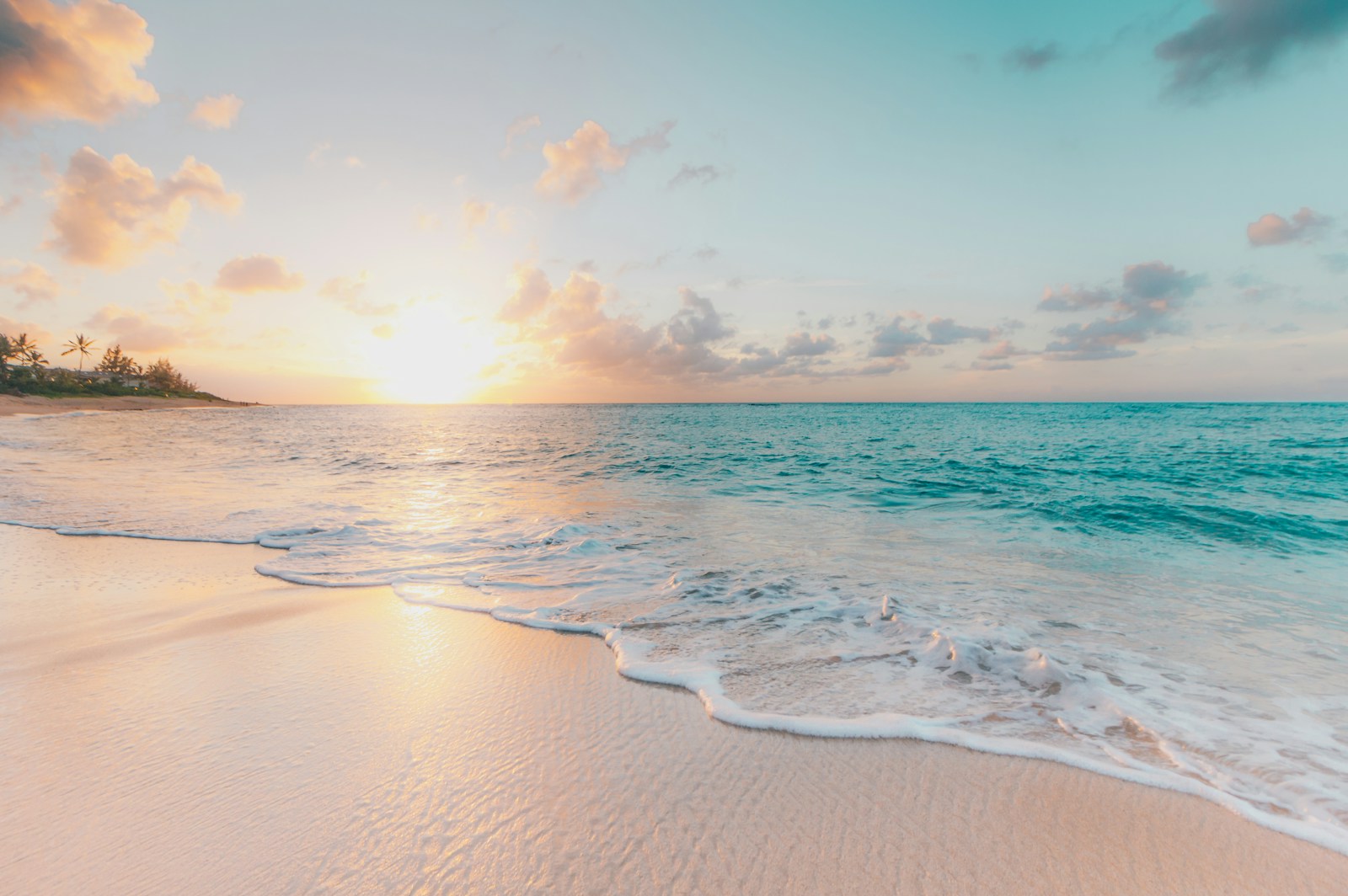
Santa Maria was the first island the Portuguese discovered in the Azores, around 1427, and it has been quietly content to let its northern neighbours — Sao Miguel with its volcanic hot springs, Terceira with its UNESCO-listed Angra do Heroismo — capture the headlines ever since. The smallest and southernmost of the Azorean archipelago, lying in the mid-Atlantic roughly equidistant between Lisbon and New York, Santa Maria is the sunniest, warmest, and driest island in the chain — a distinction that gives it golden beaches, terracotta-roofed villages, and a landscape more reminiscent of the Mediterranean than the typically green and misty Azores.
The island's unique geology sets it apart from its volcanic siblings. Santa Maria is the oldest island in the archipelago, its origins dating back over eight million years, and time has softened its terrain into rolling hills and sedimentary cliffs embedded with marine fossils that testify to epochs when the ocean covered the land. Praia Formosa, the island's finest beach, is a broad sweep of pale sand framed by rust-coloured cliffs — one of the few natural sand beaches in an archipelago otherwise dominated by rocky volcanic coastlines. The clay soils of the southern coast support vineyards that produce a dry white wine of surprising character, continuing a winemaking tradition that dates to the earliest Portuguese settlement.
Vila do Porto, the island capital and the oldest settlement in the Azores, drapes itself along a gentle hillside above the harbour. The Church of Nossa Senhora da Assuncao, where Christopher Columbus is said to have attended mass during his return from the New World in 1493, anchors a town of whitewashed houses with coloured trim and cobblestone lanes that have changed remarkably little in five centuries. The annual Festival Maresme in August — or, more famously, the Tide Festival, a world music event staged on the beach at Praia Formosa — transforms this quiet island into a gathering of music lovers from across the Atlantic.
The waters surrounding Santa Maria are among the clearest in the North Atlantic, warmed by the Gulf Stream to temperatures that support a surprising diversity of marine life. Between July and October, large aggregations of mobula rays gather offshore in one of the most remarkable marine phenomena in the Azores — hundreds of rays gliding in synchronized formations through the blue water, a spectacle that has made Santa Maria a bucket-list destination for divers and underwater photographers. Whale watching is rewarding throughout the summer, with sperm whales resident year-round and blue whales, fin whales, and sei whales passing through during their spring migration.
Santa Maria is visited by MSC Cruises on Atlantic island-hopping itineraries connecting the Azores with other Macaronesian archipelagos. The optimal visiting window runs from June through October, when sunshine hours peak, ocean temperatures are warmest, and the mobula ray aggregations are at their most impressive. The island's small size — just 97 square kilometres — means that a single day ashore is sufficient to experience its beaches, villages, and viewpoints.

