South America possesses a vitality that is felt before it is understood—a pulse in the air, a warmth in every greeting, a landscape that refuses to serve as mere backdrop and instead insists on being protagonist. Iquique, Chile, channels this continental energy with particular intensity, a destination where the natural world and human culture engage in a dialogue that has been ongoing since long before European sails appeared on the horizon, and where every visitor becomes part of a story that is still being written.
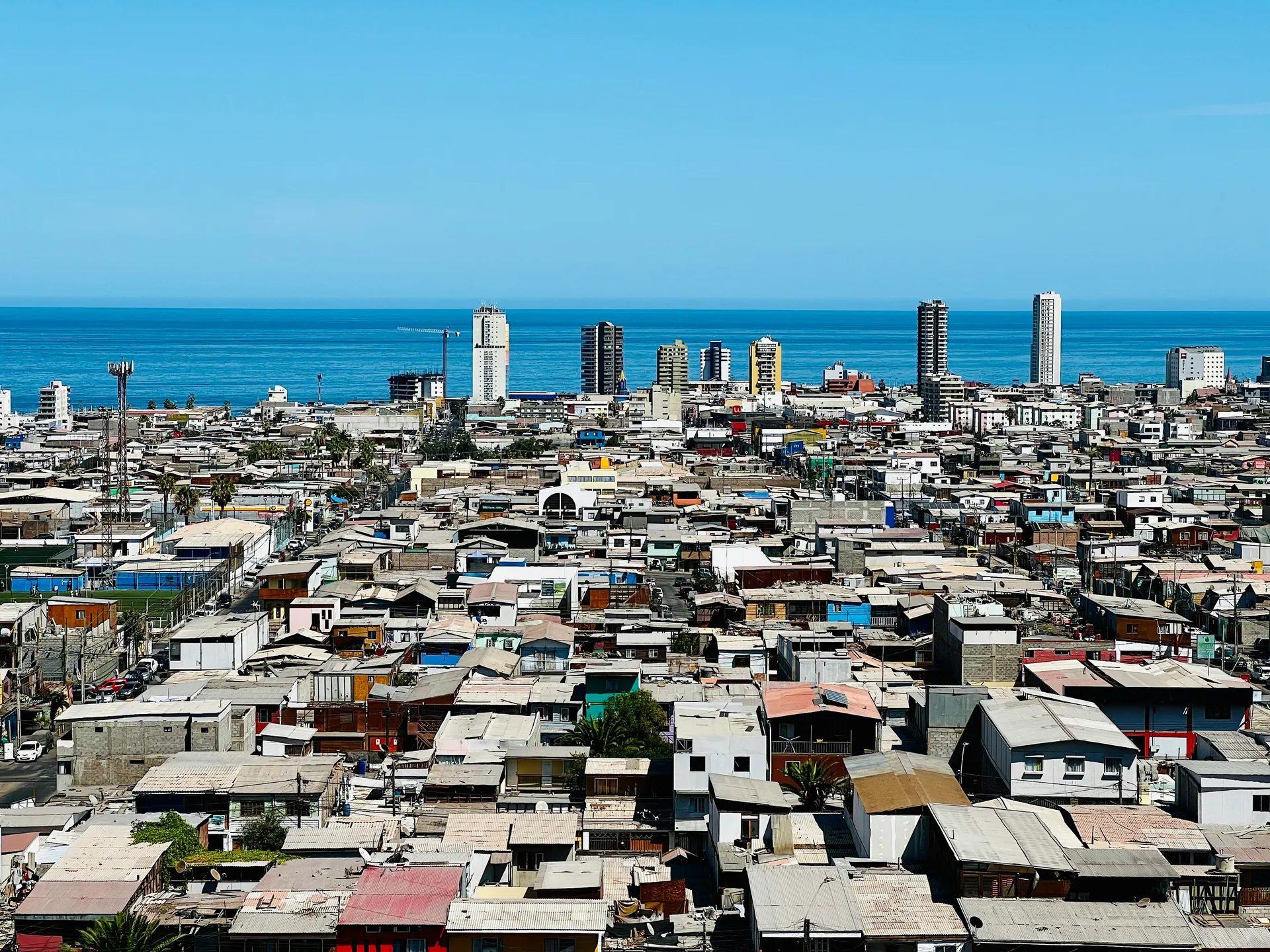
Nestled between the vast desert and a coastline of white sand, you’ll find Iquique, Chile. Meaning Peaceful Place of Rest, Iquique is the capital of the Tarapacá Region, and a true paradise on the Pacific—with everyone from surfers to shoppers flocking to its charming shores. Iquique’s vibrancy shines at every turn, from its unique wooden sidewalks to Playa Cavancha— a stunning sandy beach that feels as though it could go on forever. Take a stroll from the sand down Baquedano Street—taking time to stop in the picturesque shops before grabbing a bite to eat (and a legendary Chilean coffee) on one of the many patios.
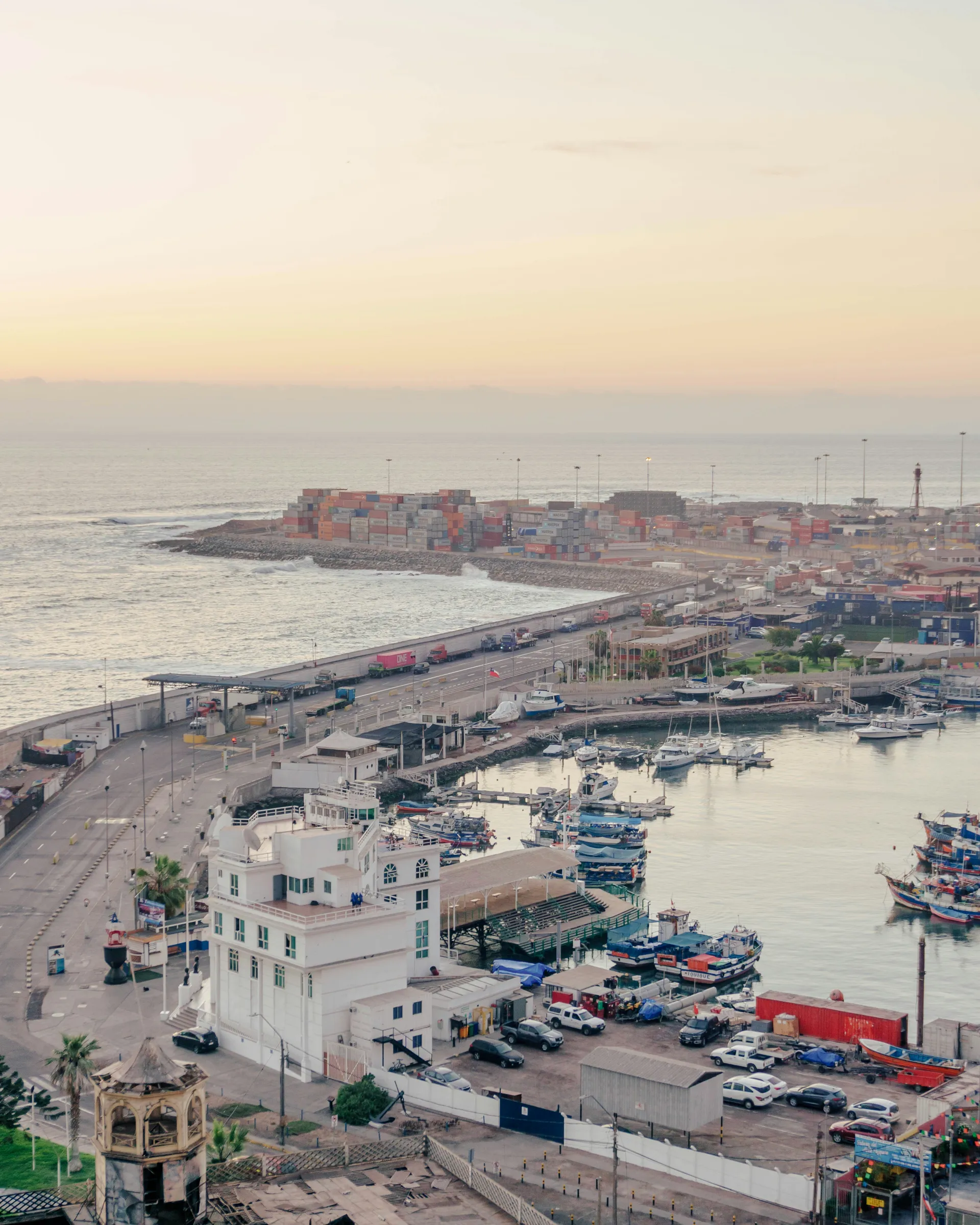
The maritime approach to Iquique deserves particular mention, as it provides a perspective unavailable to those who arrive by land. The gradual revelation of the coastline—first a suggestion on the horizon, then an increasingly detailed panorama of natural and human-made features—creates a sense of anticipation that air travel, for all its efficiency, cannot replicate. This is how travelers have arrived for centuries, and the emotional resonance of seeing a new port materialize from the sea remains one of cruising's most distinctive pleasures. The harbor itself tells a story: the configuration of the waterfront, the vessels at anchor, the activity on the quays—all provide an immediate reading of the community's relationship with the sea that informs everything that follows ashore.
The character of Iquique unfolds in layers of vivid impression. The landscape here oscillates between the dramatic and the intimate—volcanic peaks and glacial valleys provide the grand canvas, while colorful towns, flower-filled gardens, and sun-warmed plazas supply the human-scale details that make a place feel alive rather than merely scenic. The air carries the mingled scents of tropical vegetation, wood smoke, and cooking that has been perfecting its recipes across generations. People move through these spaces with a warmth and directness that transforms the simplest interaction—asking directions, ordering coffee—into a genuine exchange.
The culinary landscape draws from a pantry that stretches from the Pacific coast to the Andean highlands, combining indigenous ingredients with colonial influences in dishes that are robust, colorful, and deeply satisfying. Street food vendors offer empanadas, ceviches, and grilled meats of extraordinary quality at democratic prices, while more formal establishments demonstrate that South American gastronomy has achieved a sophistication that commands international respect. Markets overflow with exotic fruits whose names you may not know, freshly ground spices, and handwoven textiles in patterns that encode ancestral stories.
Nearby destinations including Arica, Tierra del Fuego and Pingüino de Humboldt National Reserve provide rewarding extensions for those whose itineraries allow further exploration. The surrounding region rewards exploration with the kind of discoveries that redefine the meaning of adventure—national parks where biodiversity reaches staggering levels, indigenous communities that maintain traditions of profound beauty, volcanic landscapes that shift from menacing to magnificent depending on the light, and coastlines where the Pacific or Atlantic crashes against shores that feel genuinely untamed. Day trips reveal variety that would require weeks to fully explore.
Both Azamara and Oceania Cruises recognize the allure of this destination, featuring it on itineraries designed for travelers who seek substance over spectacle. The ideal visiting window spans May through September, when drier conditions prevail and temperatures remain pleasant. Comfortable walking shoes, layers for varying altitudes and microclimates, and an adventurous palate are essential equipment. Travelers who arrive with genuine curiosity rather than a rigid itinerary will find Iquique unfolding its riches generously—a destination where the best experiences are invariably the ones you didn't plan for.