Founded in 1848 as a penal colony on the windswept shores of the Strait of Magellan, Punta Arenas rose to extraordinary prosperity during the late nineteenth century as the obligatory passage for every vessel navigating between the Atlantic and Pacific oceans — a golden era that endured until the Panama Canal opened in 1914. The wool barons and shipping magnates of that age left behind a remarkable collection of Belle Époque mansions along Plaza Muñoz Gamero, where the bronze statue of Ferdinand Magellan still gazes toward the strait he first traversed in 1520. Today, this southernmost continental city carries its storied past with quiet dignity, a place where Patagonian grit meets faded European grandeur.
As the capital of Chile's Magallanes Region, Punta Arenas possesses a raw, luminous beauty that rewards those willing to lean into the wind. The corrugated-iron rooftops of the historic quarter glow in improbable shades of cerulean and marigold against a sky that shifts from crystalline blue to brooding slate within minutes. Wander along the waterfront Costanera and you will find fishing boats returning with their haul of centolla — the prized southern king crab — while Antarctic research vessels sit moored in the distance, awaiting their next expedition south. The city's Cementerio Municipal, with its avenues of sculpted cypress and elaborate mausoleums of Croatian and British immigrants, is itself a meditation on the extraordinary journeys that built this remote outpost.
No visit is complete without surrendering to the region's magnificent culinary traditions. Centolla prepared al natural — simply steamed and dressed with lemon — remains the definitive Punta Arenas experience, its sweet, briny flesh tasting of the cold Magellanic waters themselves. Seek out a bowl of caldillo de congrio, the rich conger eel soup immortalised by Pablo Neruda, or savour cordero magallánico, Patagonian lamb slow-roasted over lenga wood until impossibly tender. Pair these with a glass of carménère from central Chile, and finish with calafate berry preserves spread over warm sopaipillas — the locals say that whoever tastes the calafate berry is destined to return to Patagonia.
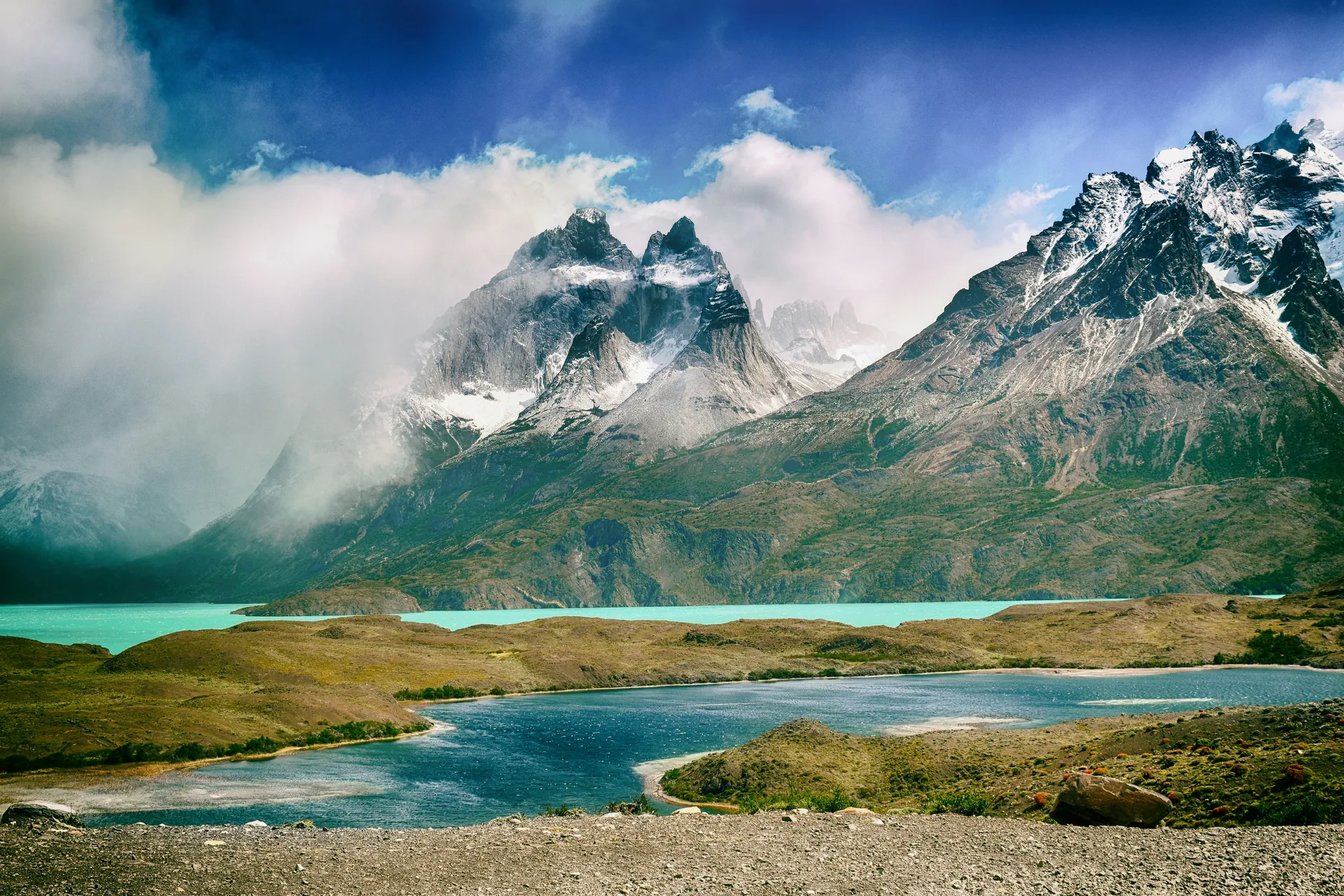
The surrounding landscape offers encounters of staggering natural drama. A short voyage to Tucker Islets reveals thriving colonies of Magellanic penguins waddling across windblown shores, their comic earnestness a counterpoint to the stark grandeur of the setting. Tierra del Fuego lies just across the strait, a primordial wilderness of sub-Antarctic forests, glacial lakes, and the haunting silence of the uttermost south. For those with time to venture further afield, the Pingüino de Humboldt National Reserve along Chile's northern coast shelters Humboldt penguins, bottlenose dolphins, and occasional blue whale sightings — a reminder that Chile's coastline is itself a continent-spanning theatre of marine life.
Punta Arenas serves as a pivotal embarkation and disembarkation point for some of the world's most distinguished cruise lines navigating South America, Antarctica, and the fjords of Patagonia. Expedition specialists including HX Expeditions and Quark Expeditions use the port as a gateway to the white continent, while Hapag-Lloyd Cruises and Silversea call here on their legendary circumnavigation routes through the Chilean fjords. Holland America Line, Oceania Cruises, Regent Seven Seas Cruises, Seabourn, Scenic Ocean Cruises, and Viking each weave Punta Arenas into itineraries that trace the dramatic coastline from Ushuaia to Valparaíso, offering passengers the rare privilege of transiting the Strait of Magellan itself — a passage that still quickens the pulse, five centuries after its discovery.