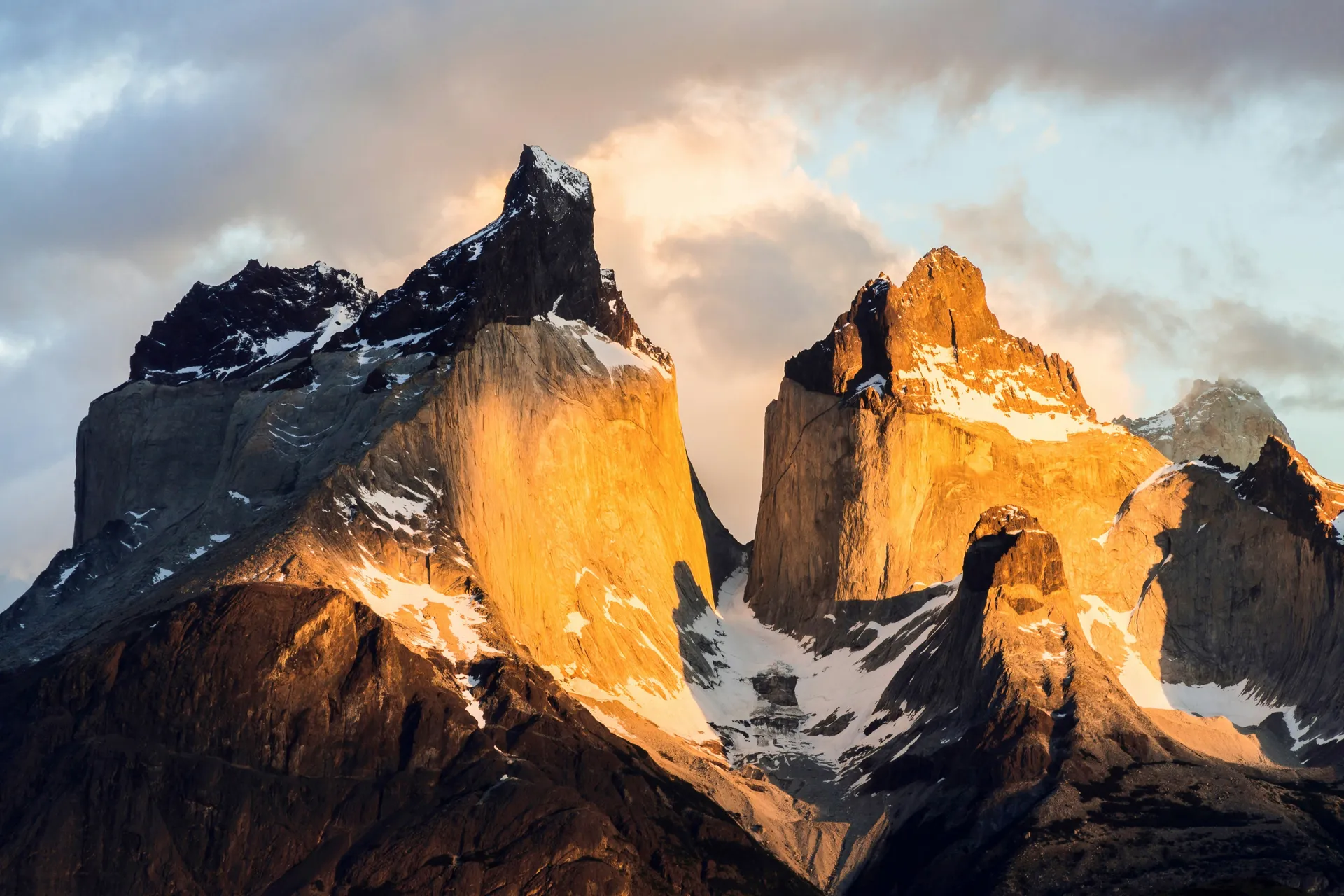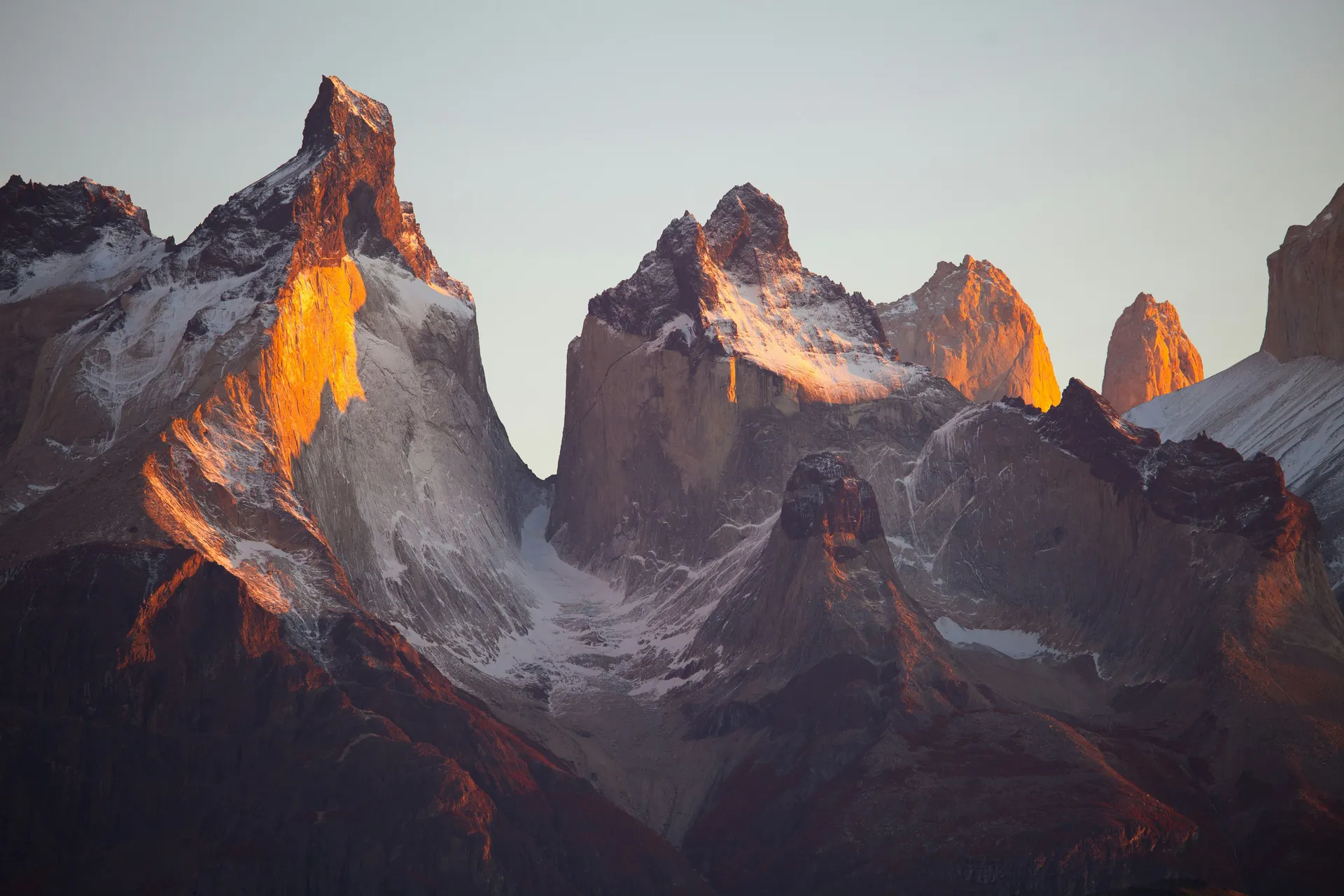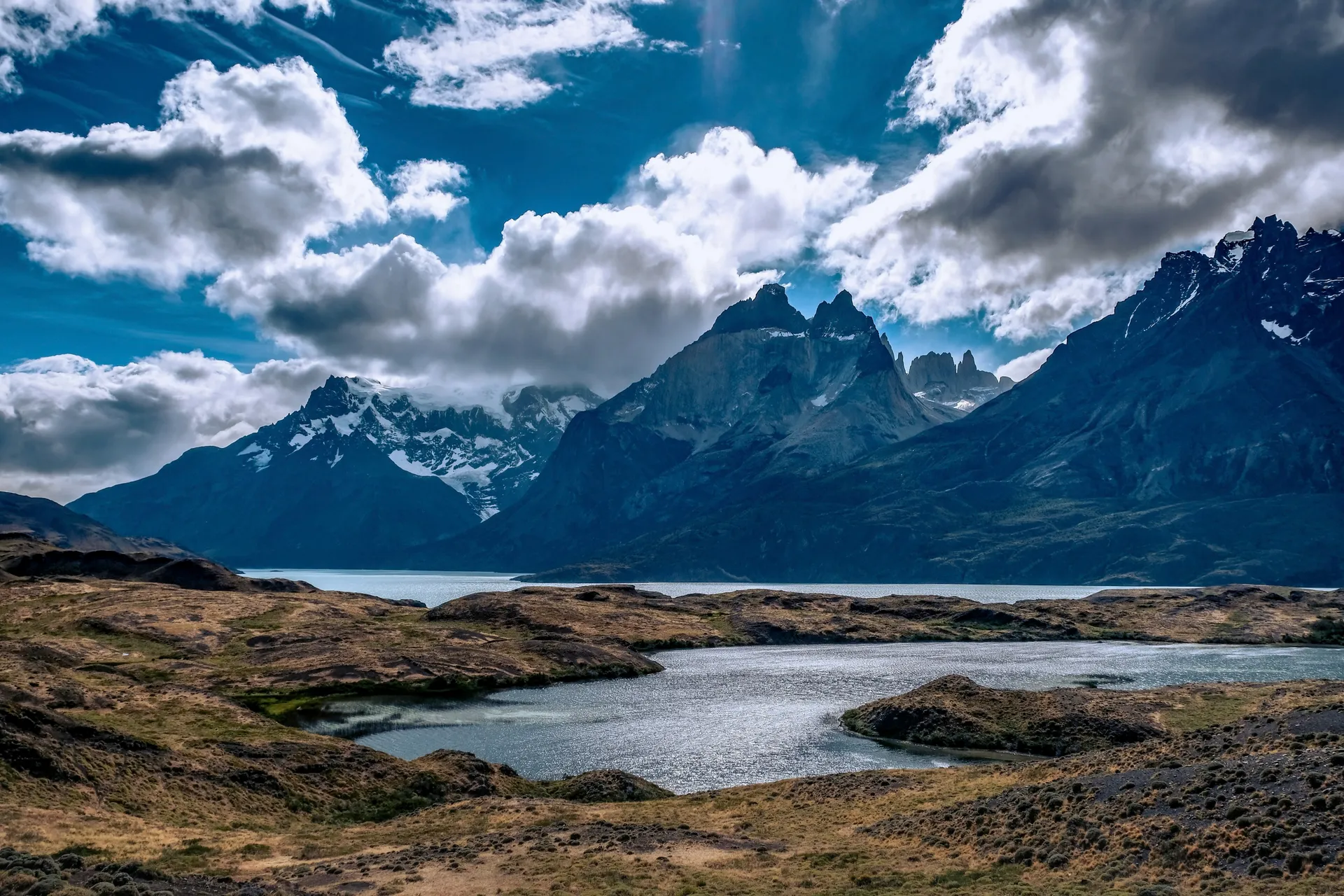
At the southern extremity of the Andes, where Patagonia's vast steppe collides with the ice fields that feed some of the world's most dramatic glaciers, Torres del Paine National Park rises like a geological fever dream. The three granite towers that give the park its name — soaring over 2,800 meters into skies that shift from cobalt to slate in minutes — were carved by ice over twelve million years and remain among the most photographed peaks in South America. Declared a UNESCO Biosphere Reserve in 1978, this 242,000-hectare wilderness in Chile's Magallanes region is the crown jewel of Patagonian travel and one of the world's great adventure destinations.
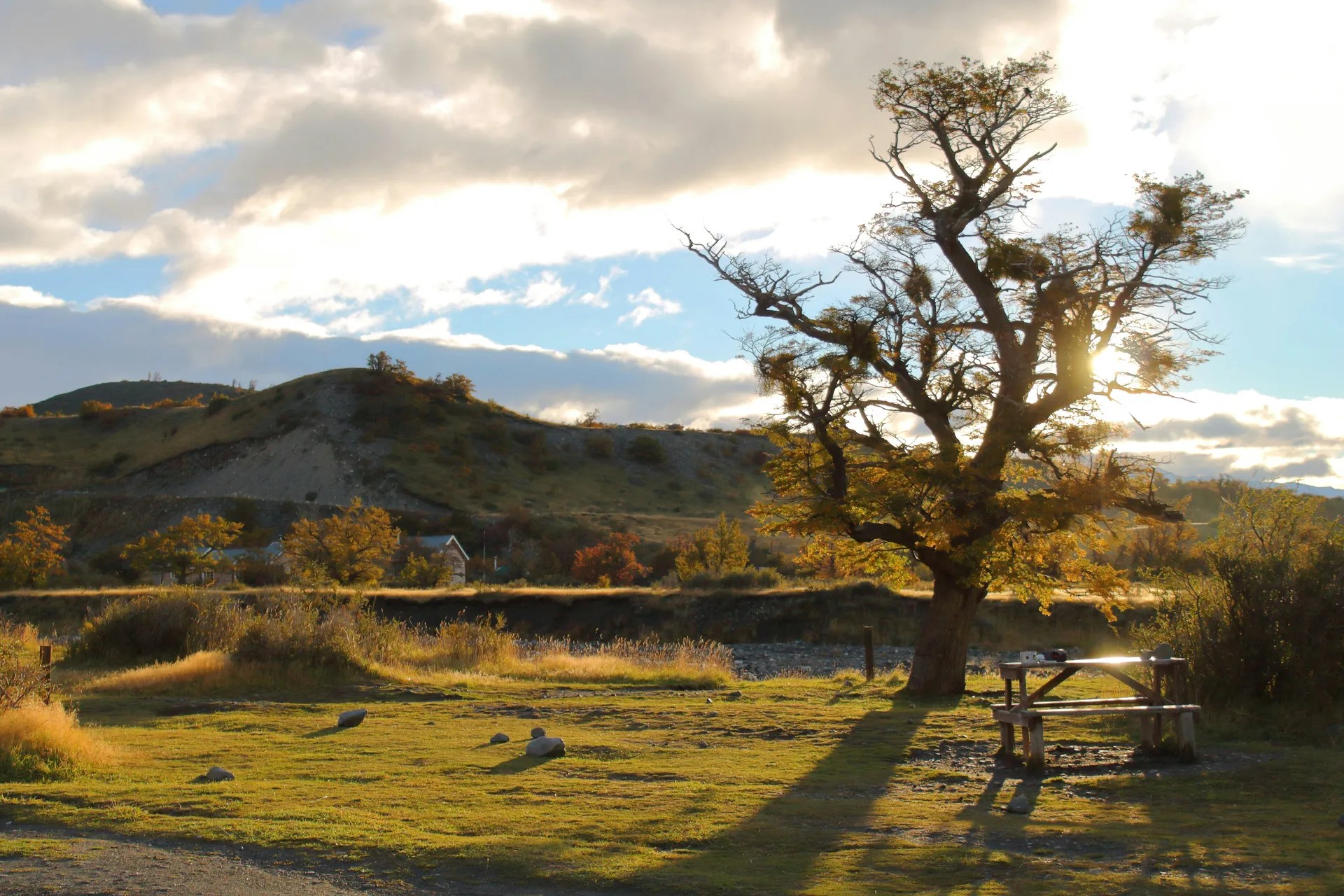
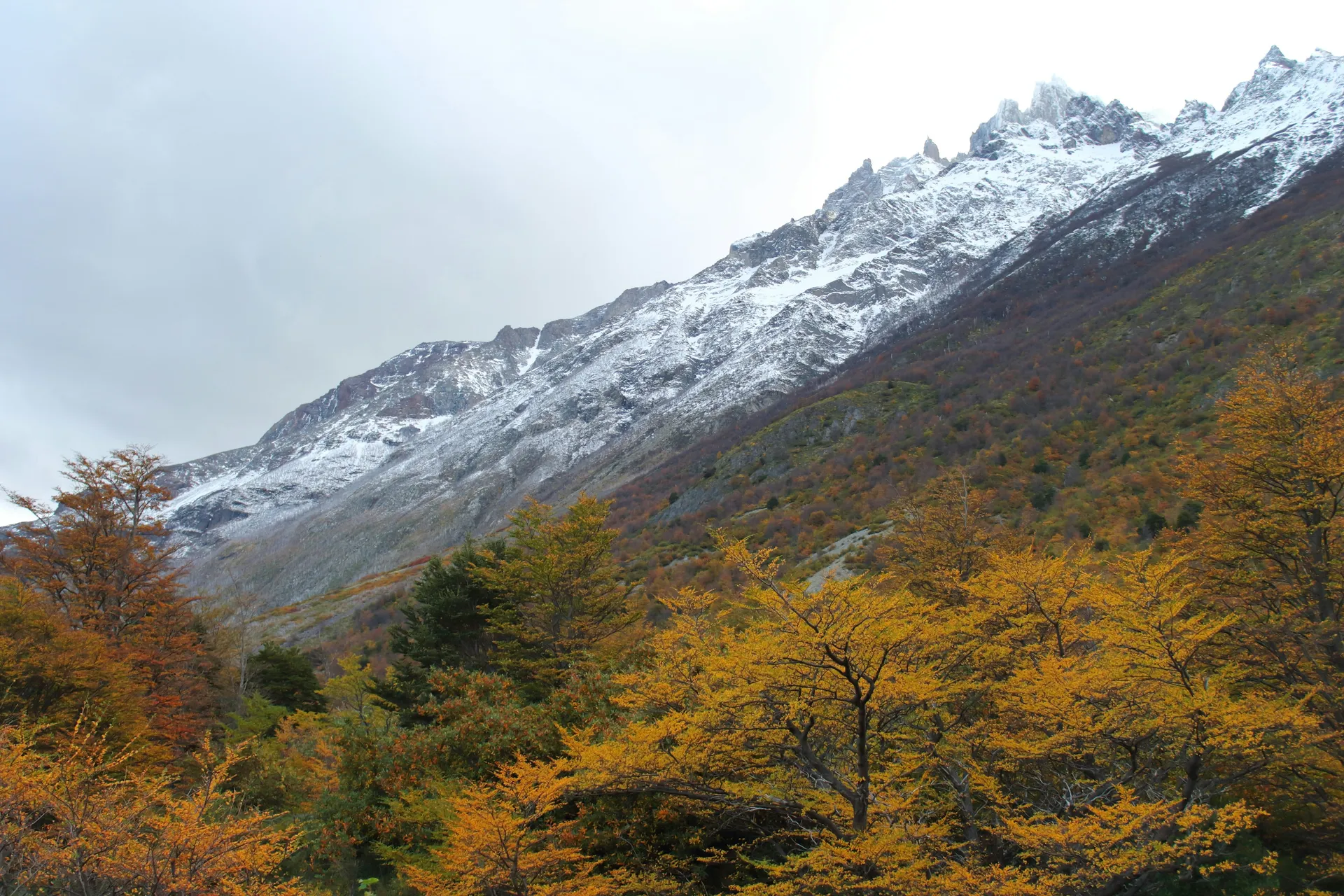
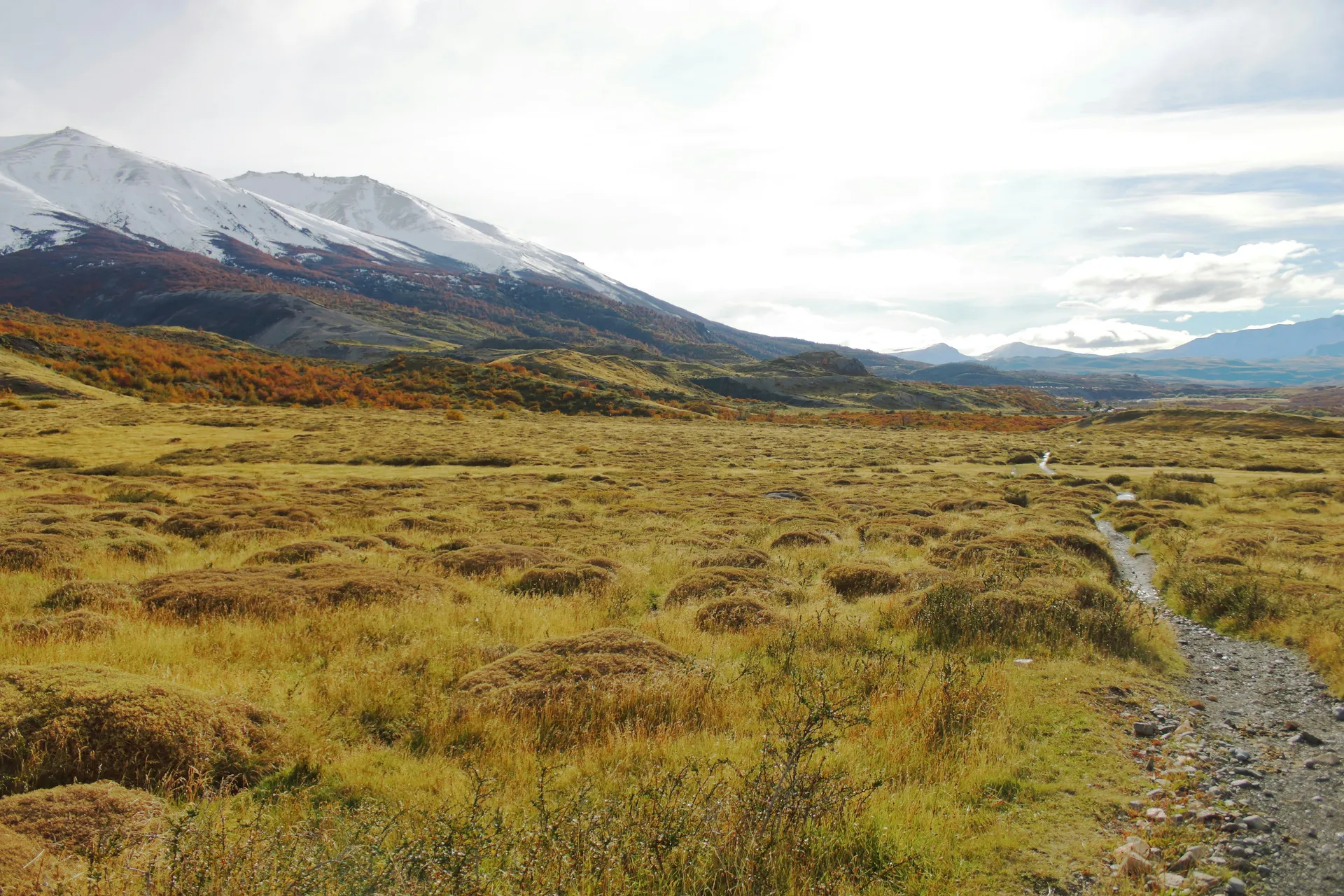
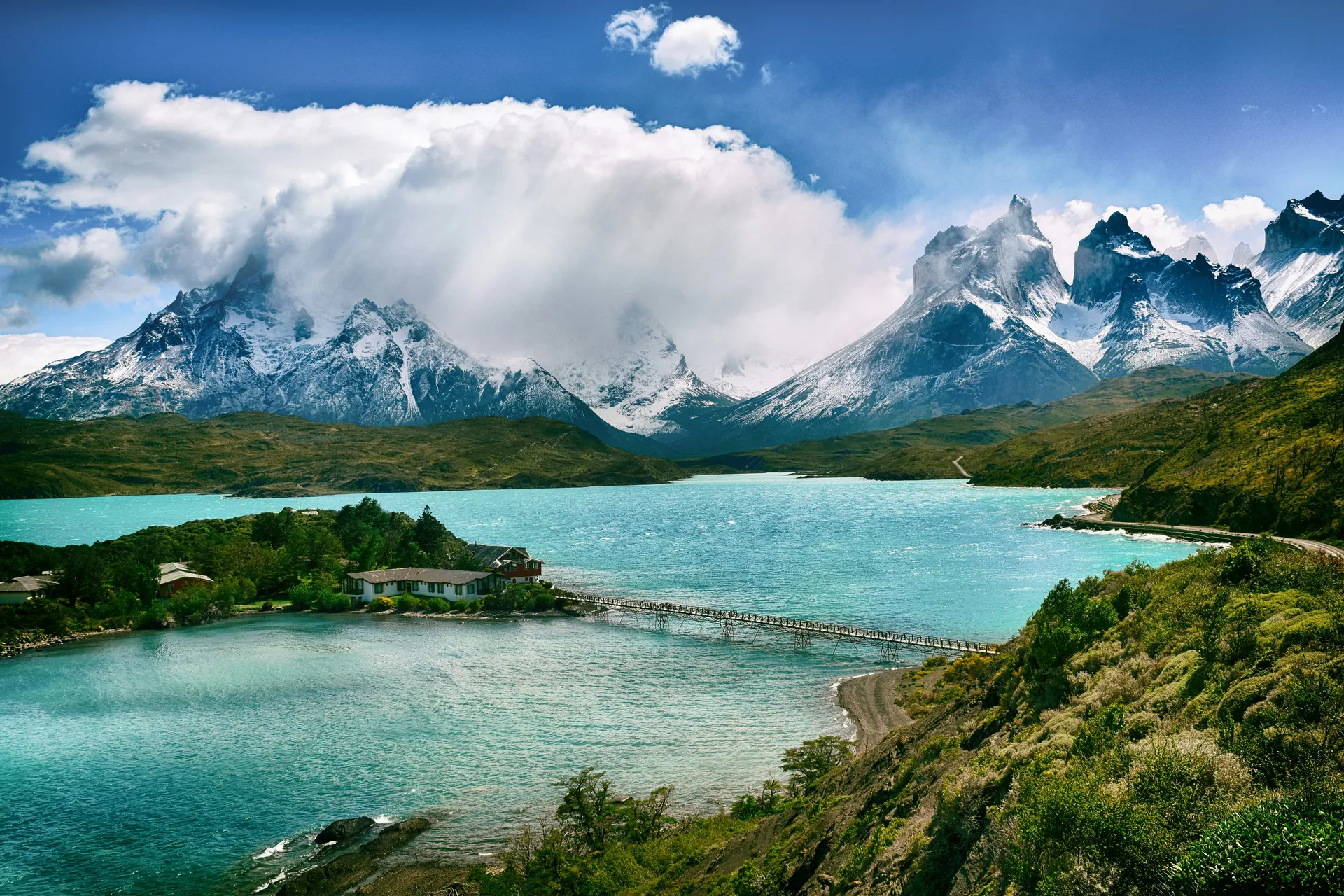
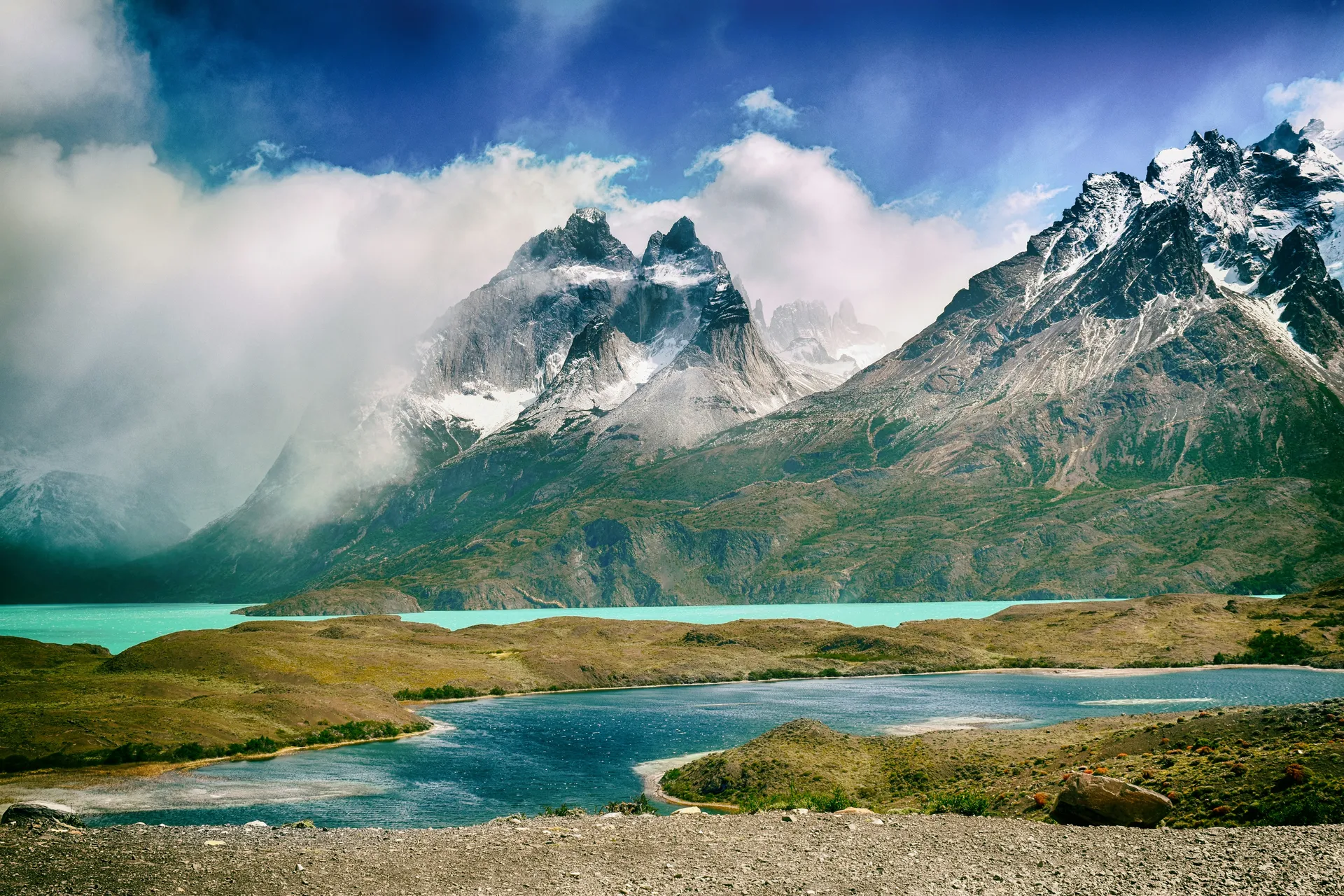
The park's landscape defies easy categorization. Emerald and turquoise lakes — Pehoe, Nordenskjöld, Grey — mirror the surrounding peaks with an almost supernatural clarity. The Grey Glacier, a tongue of the Southern Patagonian Ice Field, calves icebergs into its namesake lake in shades of arctic blue. Lenga forests blaze gold and crimson in autumn, while the open pampas support herds of guanaco — the wild ancestor of the llama — that graze within sight of Andean condors soaring on thermals above the granite walls. This is a landscape where scale overwhelms the senses: distances that look manageable on a map reveal themselves, on foot, as vast and wind-scoured.
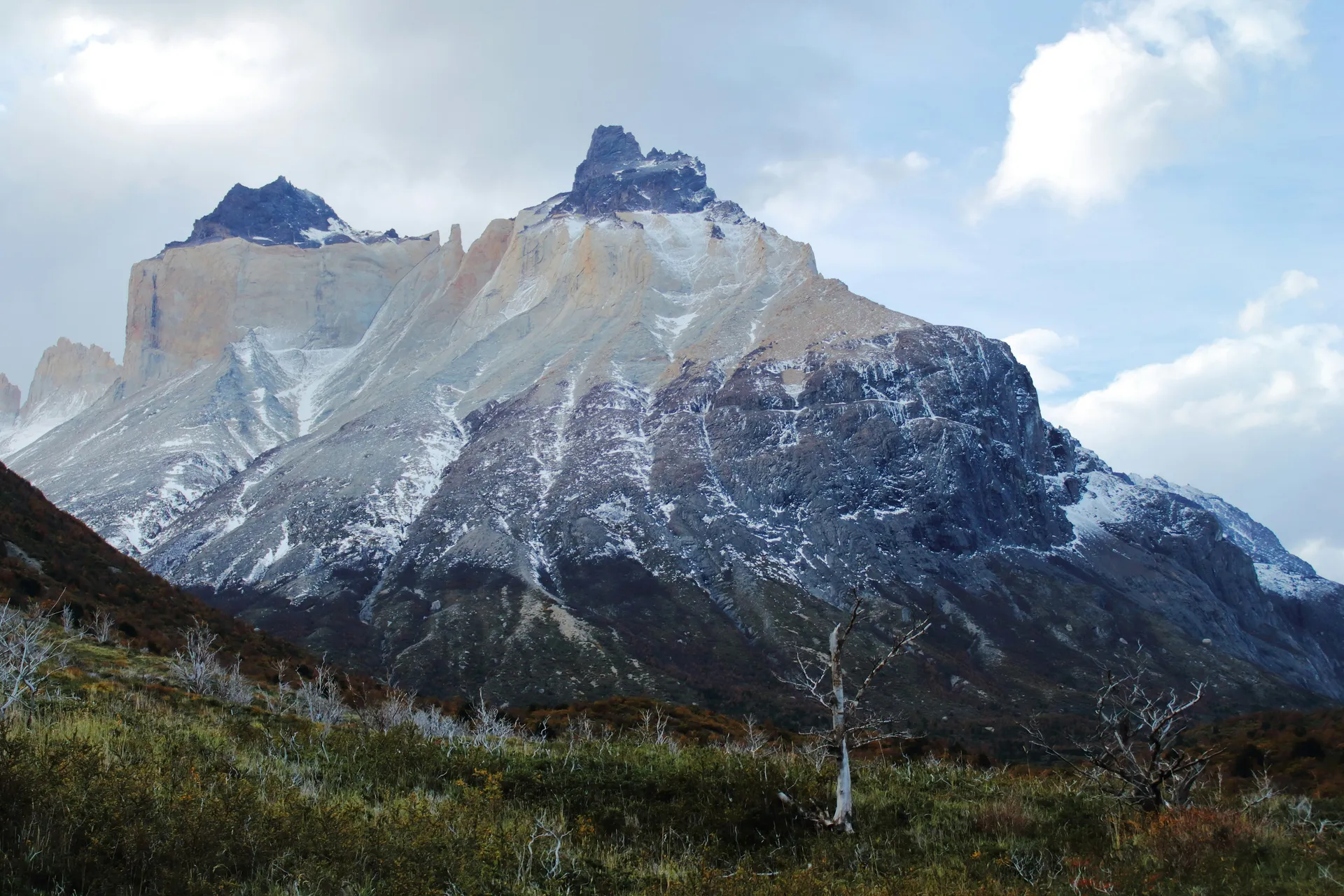
The W Trek and the longer Circuit are among the world's most celebrated multi-day hikes, threading through the park's valleys and along its lakeshores over four to nine days. But Torres del Paine rewards day visitors just as richly. The viewpoint at the base of the Torres themselves — reached by a steep but achievable morning hike — delivers one of the planet's most spectacular alpine vistas. The Salto Grande waterfall thunders between Lakes Nordenskjöld and Pehoe, and a short trail to the Mirador Los Cuernos reveals the park's iconic horn-shaped peaks in all their striated grandeur. For those who prefer to observe from water, catamaran cruises on Lake Grey bring passengers within arm's reach of icebergs freshly calved from the glacier face.
Patagonian cuisine is defined by its simplicity and the quality of its raw materials. Cordero al palo — whole lamb slow-roasted on a metal cross over open coals — is the region's signature dish, its smoky, tender flesh served with little more than salt, chimichurri, and rustic bread. The lodges within and around the park have elevated this pastoral tradition, offering multicourse dinners featuring king crab from the Strait of Magellan, Patagonian lamb with calafate berry reductions, and Chilean wines from the country's southern vineyards. Calafate berries, a native shrub fruit with a bittersweet flavor, are made into jams, sorbets, and the region's beloved calafate sour cocktail.
Quark Expeditions, Scenic Ocean Cruises, and Scenic River Cruises include Torres del Paine on their Patagonia and Antarctic itineraries, typically accessed from the port of Puerto Natales or Punta Arenas via overland transfer. The park's proximity to the Strait of Magellan and Tierra del Fuego makes it a natural complement to expedition voyages through the Chilean fjords. The best time to visit is October through April, the Southern Hemisphere's spring and summer, when the trails are accessible, the days are long, and the infamous Patagonian wind — while never entirely absent — is at its most manageable.