Calamar sits at one of South America's most significant geographical confluences — the point where the Magdalena River, Colombia's great artery of commerce and culture for five centuries, meets the Canal del Dique, the artificial waterway connecting the interior to the Caribbean port of Cartagena. This small Bolívar department town has witnessed the passage of conquistadors, colonial traders, independence fighters, and river merchants, all navigating the Magdalena's powerful current in pursuit of fortune or freedom. Gabriel García Márquez, who traveled this river as a young journalist, drew upon its languid magic and tropical intensity for some of his most celebrated fiction — and Calamar, with its riverside life and heat-soaked rhythm, might have stepped directly from his pages.
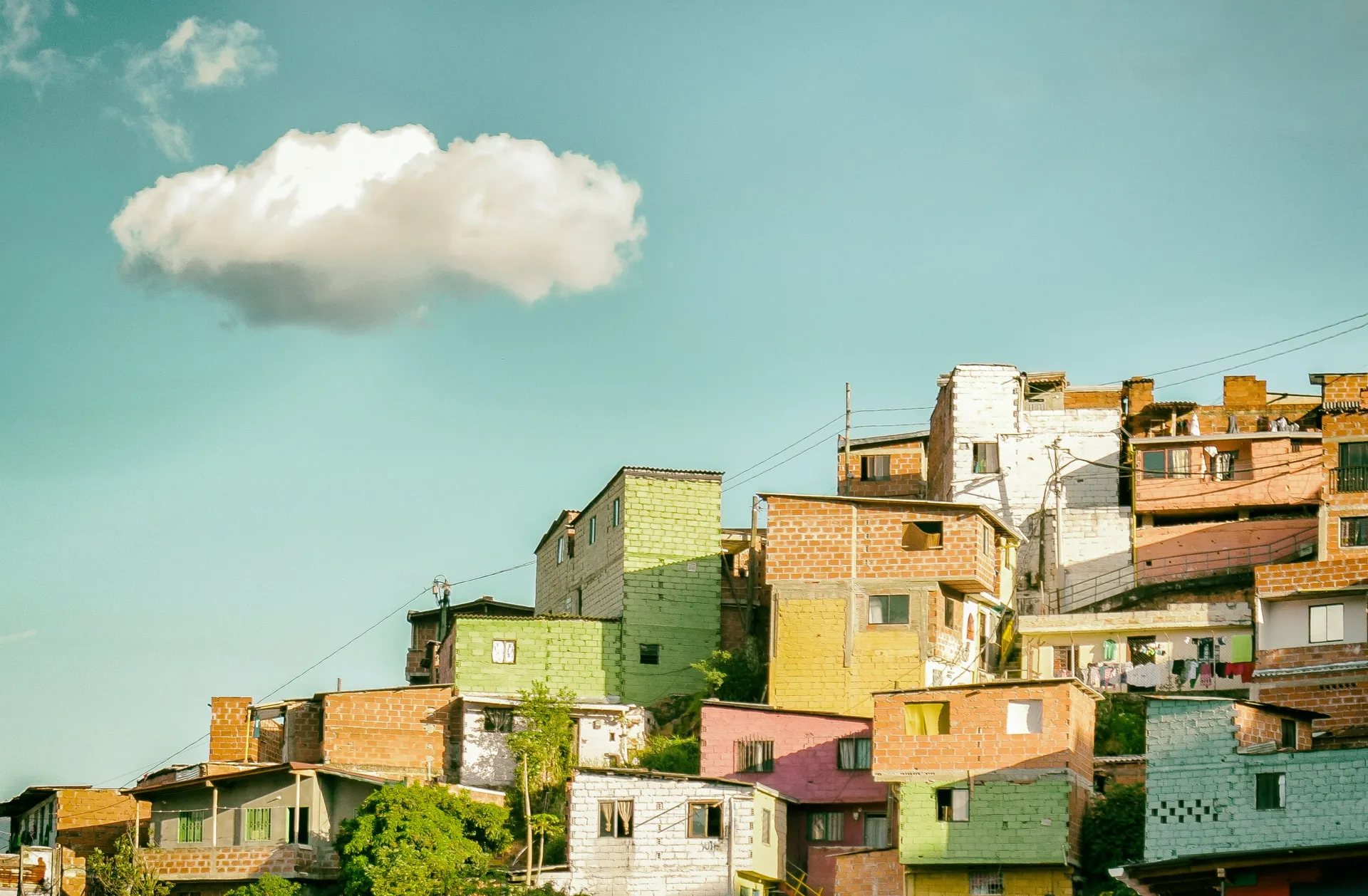
The atmosphere of Calamar is one of undiluted Colombian authenticity. Brightly painted houses line streets that slope toward the river, where fishermen cast circular nets in the late afternoon light and children swim in the shallows beneath the watchful gaze of herons. The town square, shaded by mature mango and ceiba trees, serves as the communal living room where domino games unfold with competitive intensity and vendors sell fresh juices — lulo, maracuyá, guanábana — from carts that appear at dawn and vanish at dusk. There is no tourism infrastructure to speak of, which is precisely the point: Calamar offers an encounter with riverine Colombia that is as unmediated as it is generous.
The culinary traditions along the Magdalena draw from river, field, and tropical orchard with vibrant simplicity. Freshwater fish — bocachico, bagre, mojarra — are fried whole and served with coconut rice, fried plantains, and a cooling salad of avocado and tomato. Sancocho, the hearty soup that is Colombia's national comfort food, takes on regional character here with the addition of river fish and yuca rather than the chicken or beef of the highland versions. The local fruit abundance borders on the absurd: a single market stall might display twenty varieties unfamiliar to most travelers, each with its own texture, fragrance, and role in the juice-making tradition that constitutes a vital Colombian food group.
River excursions from Calamar penetrate deeper into the Magdalena's ecosystem and the communities it sustains. The Ciénaga de Barbacoas and surrounding wetlands shelter extraordinary birdlife — roseate spoonbills, scarlet ibis, and the region's symbol, the corocora — in lagoons formed by the river's seasonal flooding. Visits to riverside villages reveal the distinctive Afro-Colombian culture of the Magdalena lowlands, where cumbia and champeta music originated in the fusion of African, indigenous, and Spanish traditions. The colonial fortress town of Santa Cruz de Mompox, a UNESCO World Heritage Site of extraordinary architectural preservation, lies further upriver and represents one of Colombia's most rewarding cultural destinations.
AmaWaterways includes Calamar on its Magdalena River itineraries, offering passengers a rare opportunity to explore one of South America's last great undiscovered river journeys. The vessel typically docks or anchors near the town center, with shore excursions conducted by local guides whose knowledge of the river's ecology, history, and communities transforms the experience from observation to understanding. The tropical climate means warm temperatures year-round, with the dry seasons from December through March and June through September offering the most comfortable conditions. Light, breathable clothing, sun protection, and a spirit of genuine curiosity are the essential provisions for Calamar.

