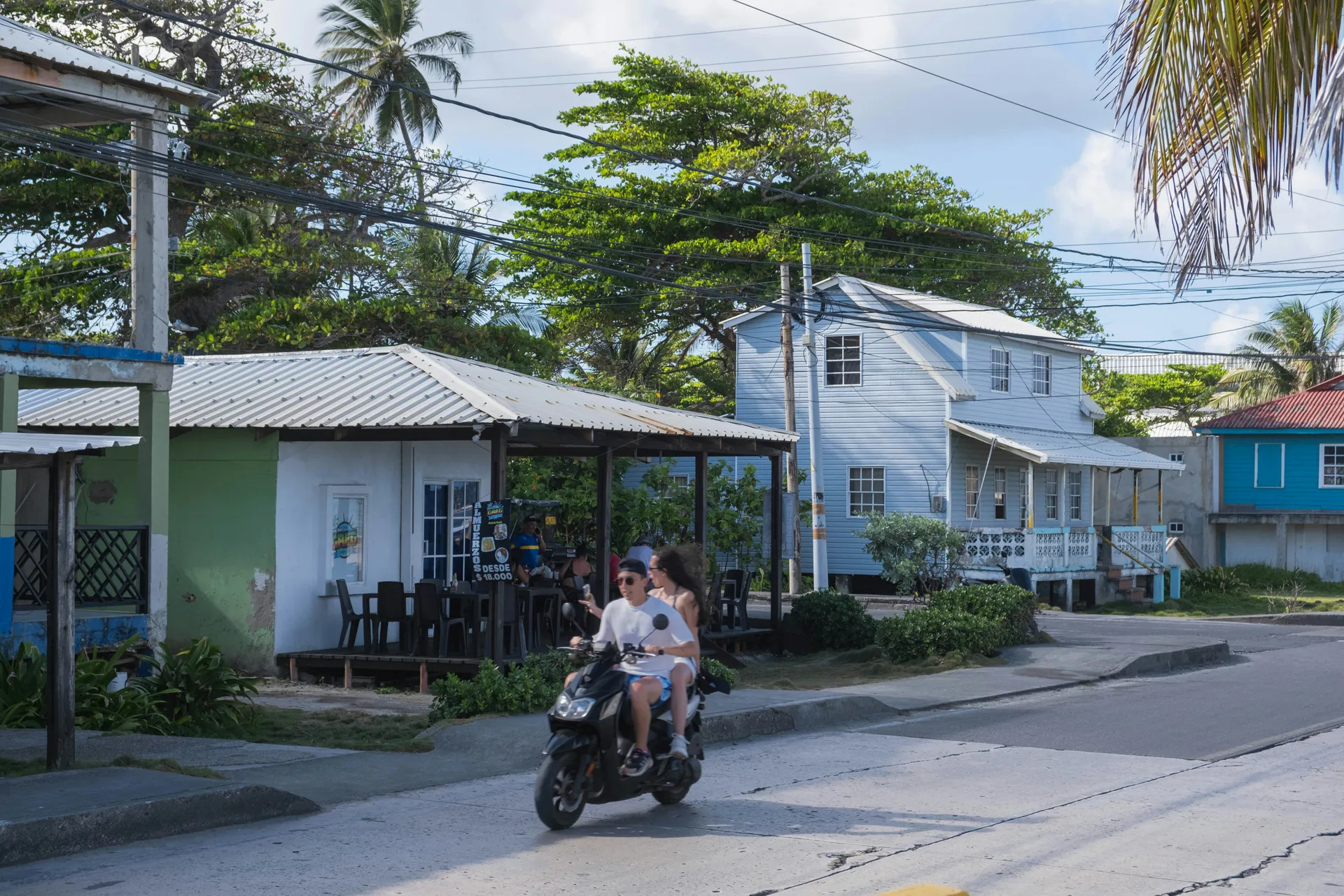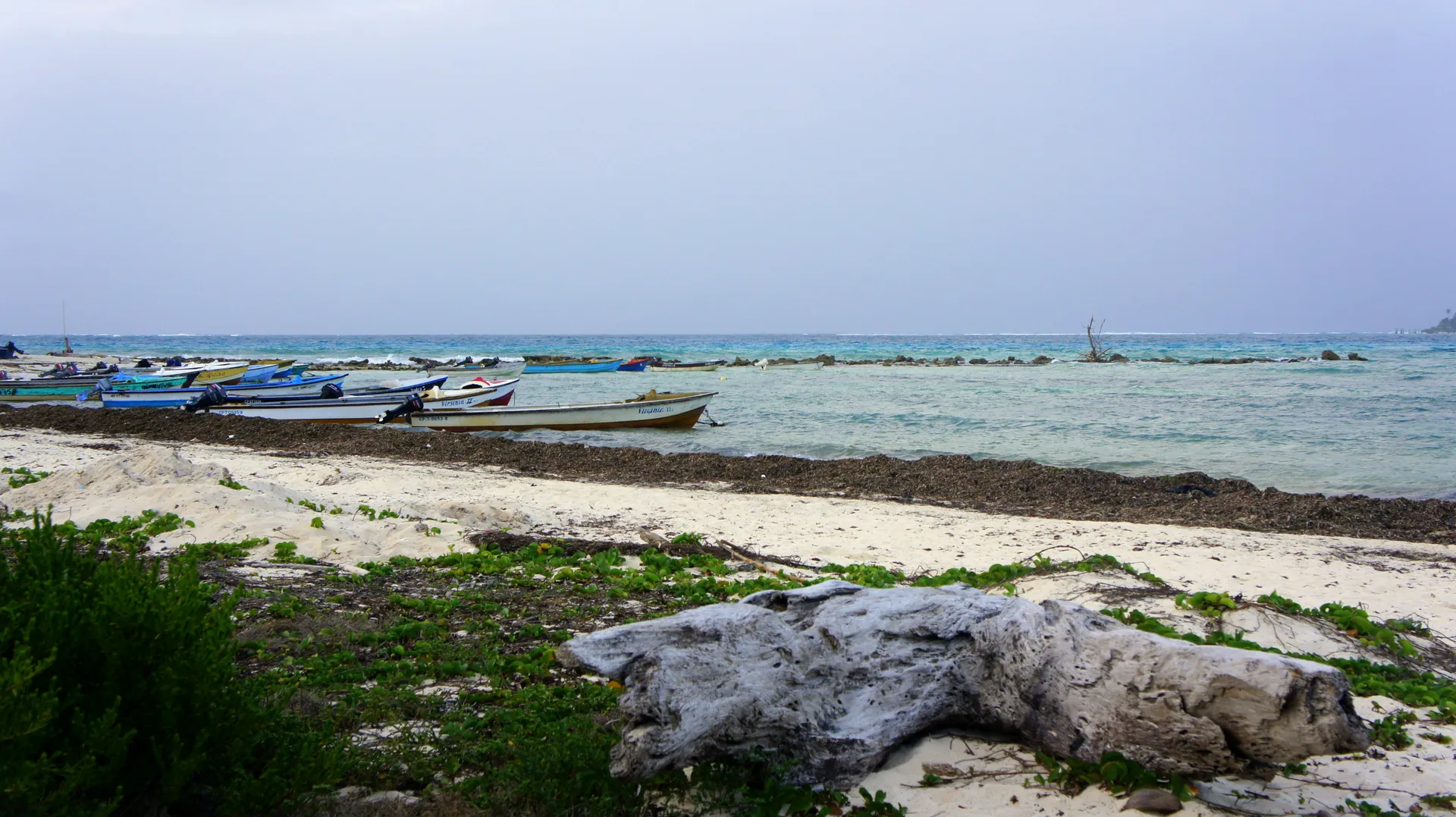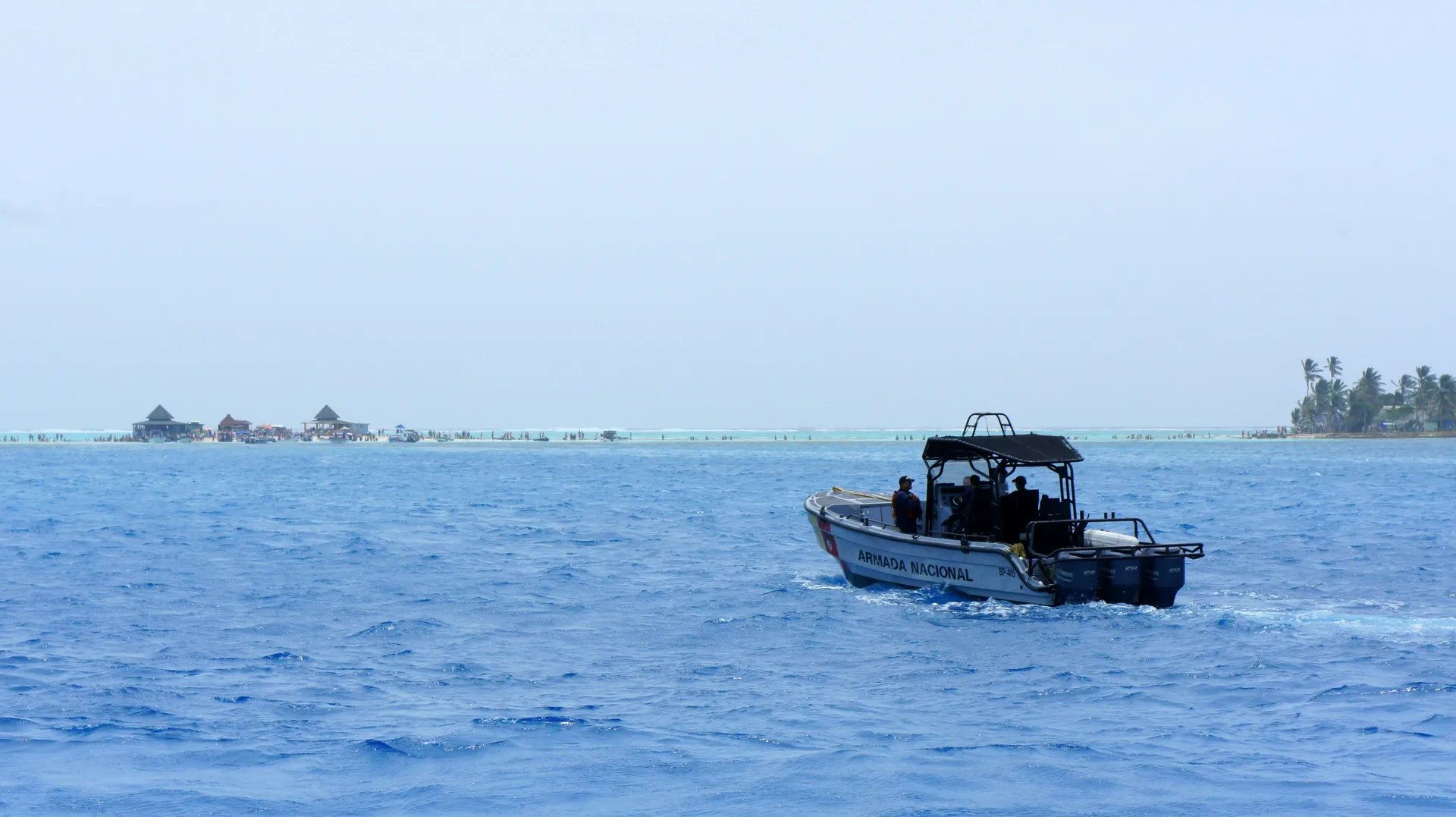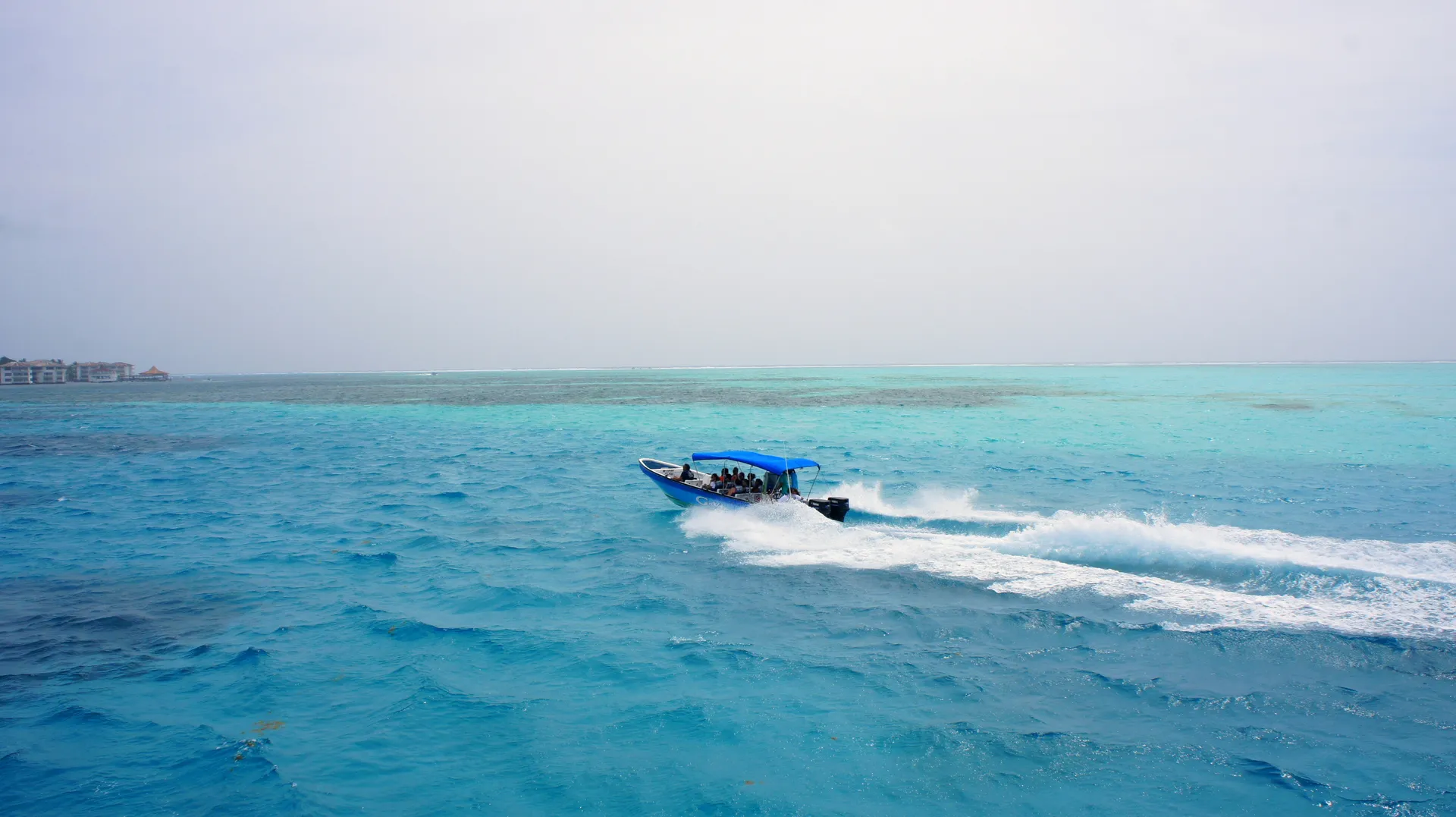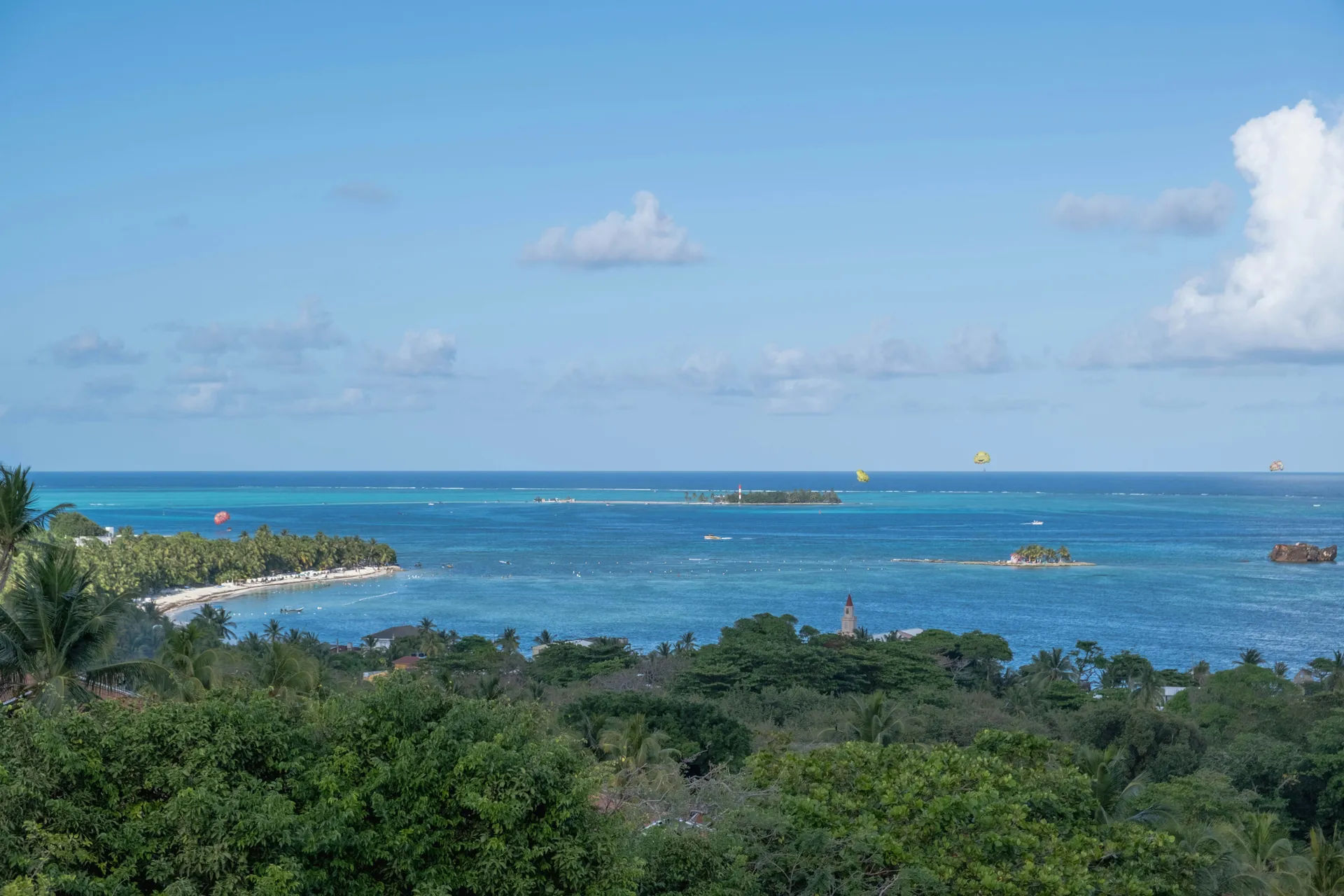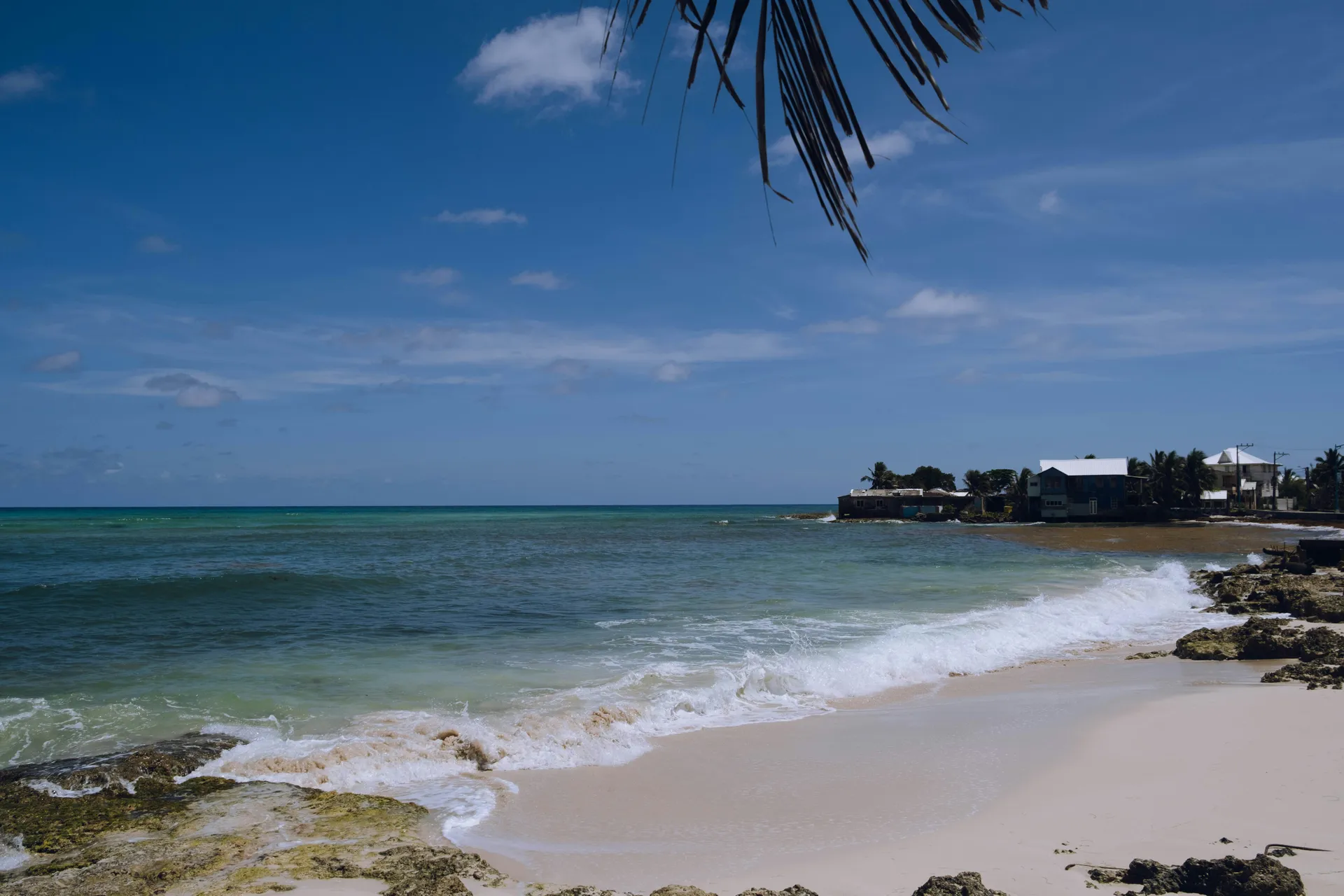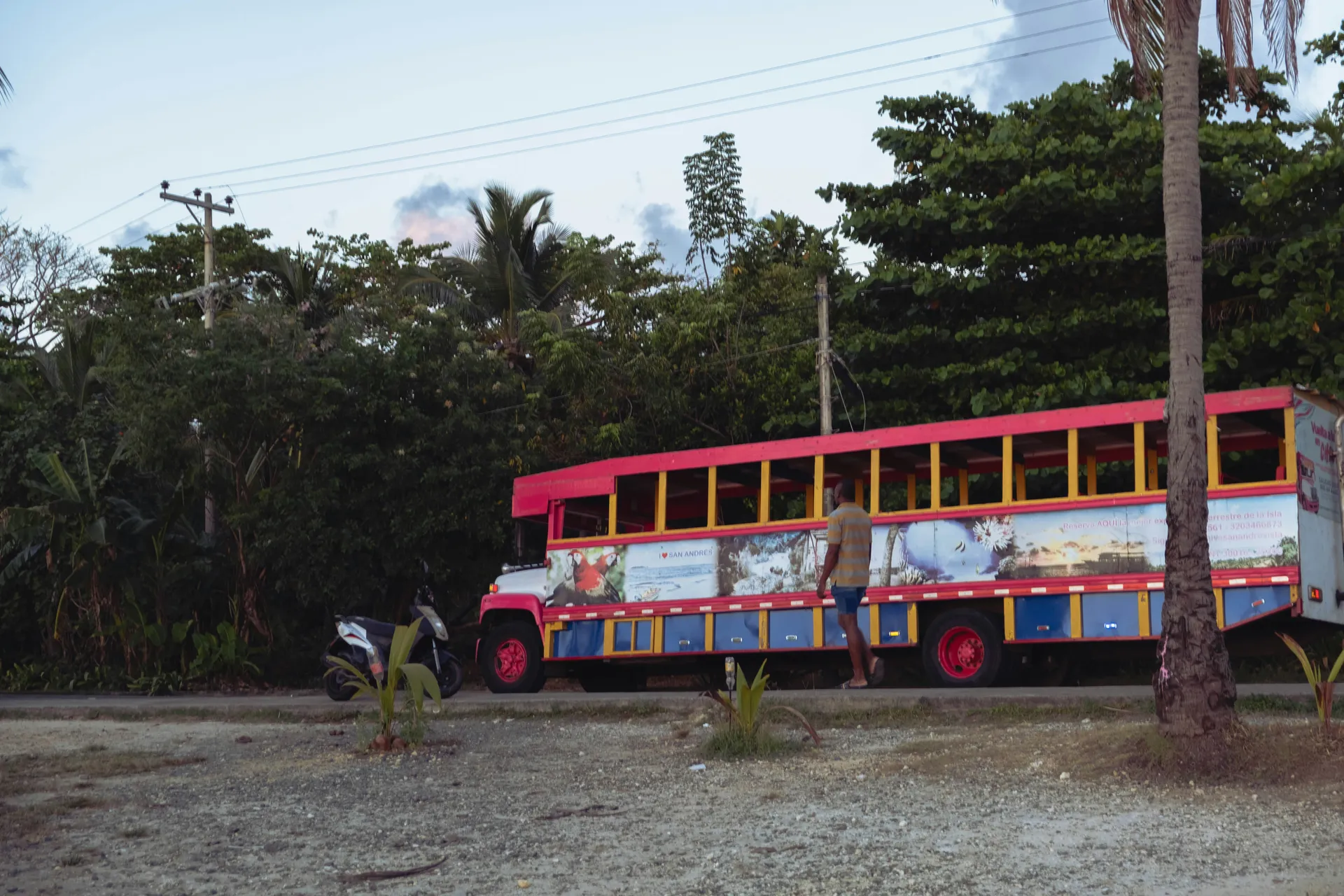
Rising from the western Caribbean some 775 kilometers northwest of the Colombian mainland — and just 230 kilometers east of Nicaragua — San Andres Island occupies a geographical and cultural position unique in the Americas. This coral island of 26 square kilometers is the largest of an archipelago that Colombia has governed since 1803, but whose Raizal population — English-speaking, Protestant, and of Afro-Caribbean descent — maintains a cultural identity more closely aligned with Jamaica and the Cayman Islands than with Bogota. The result is a fascinating bicultural island where reggae competes with cumbia, coconut rice accompanies fried plantain, and the Caribbean Sea reveals itself in a spectrum of blues so extravagant it has earned the local name "Sea of Seven Colors."
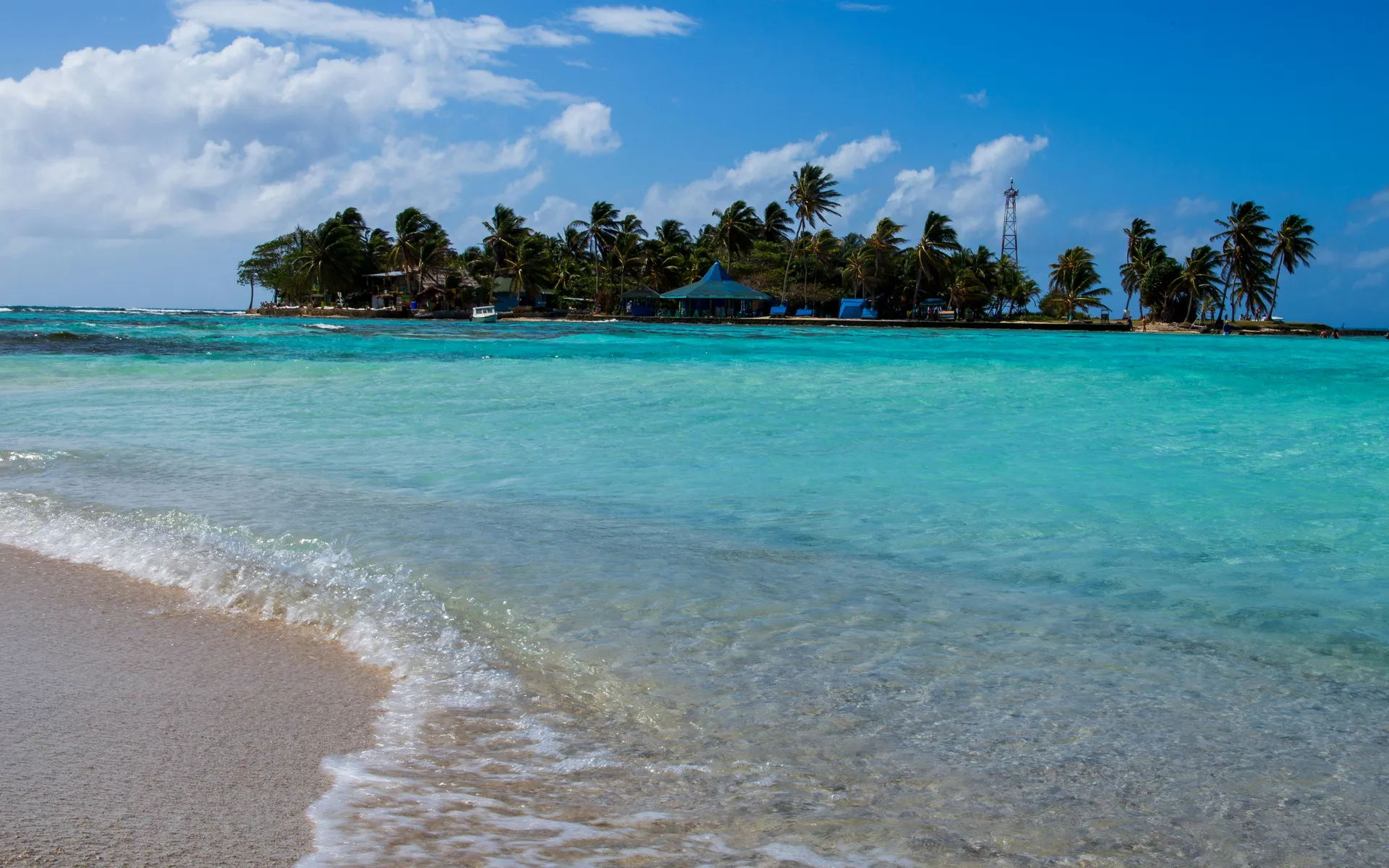
The island's marine environment is its crowning glory. San Andres sits atop a vast coral platform that creates the shallow, multi-hued waters for which the island is famous. The UNESCO Seaflower Biosphere Reserve, encompassing the entire archipelago, protects one of the largest marine reserves in the world — 65,000 square kilometers of coral reefs, seagrass beds, and open ocean that harbor an extraordinary diversity of tropical marine life. Johnny Cay, a tiny island just 1.5 kilometers offshore, is the quintessential Caribbean postcard — a ring of white sand and coconut palms surrounded by snorkeling-perfect reefs teeming with parrotfish, angelfish, and barracuda.
San Andres cuisine is a delicious collision of Caribbean and Colombian traditions. Rondón — a rich coconut milk stew of fish, conch, yam, breadfruit, and dumplings — is the island's signature dish, its African and British Caribbean roots reflecting the Raizal heritage. Alongside this, mainland Colombian influences bring empanadas, arepas, and the rich, coffee-infused desserts of the Andean tradition. The seafood is exceptional — whole fried red snapper, grilled lobster, and ceviche prepared with the morning's catch — served at beachfront restaurants where the sand serves as your dining room floor and the sunset is the entertainment.
Beyond the beaches, San Andres rewards exploration. La Piscinita, a natural pool formed by volcanic rock on the island's western shore, offers sheltered snorkeling among schools of sergeant majors and blue tangs. The Morgan's Cave, named after the Welsh privateer Henry Morgan who allegedly buried treasure on the island, provides a kitschy but entertaining excursion into the island's pirate lore. The Raizal community's First Baptist Church, established in 1847, anchors the island's Protestant heritage, while the Casa Museo Isleña offers insight into traditional island life through a lovingly preserved wooden house furnished with period artifacts.
San Andres has a modern airport receiving direct flights from Bogota, Medellin, and several Central American cities. Cruise ships anchor offshore and tender passengers to the main pier near the town center. The island enjoys a tropical climate year-round, with the driest and most comfortable period falling between January and April. The rainy season (October to December) can bring heavier seas but also fewer visitors. San Andres offers cruise travellers an experience that is simultaneously Caribbean and Colombian — a tropical island where two cultures have blended to create something unique, set in waters of almost unreasonable beauty.