Palenque — not the famous Maya archaeological site in Mexico, but a small village on Colombia's Caribbean coast near Cartagena — holds a distinction of extraordinary cultural significance: it is the first "free village" in the Americas, founded by enslaved Africans who escaped Spanish colonial bondage and established a self-governing community in the 17th century. San Basilio de Palenque, to use its full name, was fortified and defended so effectively that the Spanish Crown eventually granted it legal recognition in 1713 — making it the first free African settlement officially acknowledged in the Western Hemisphere. In 2005, UNESCO declared the cultural space of Palenque a Masterpiece of the Oral and Intangible Heritage of Humanity.
The village today is a living museum of Afro-Colombian resilience and creativity. The Palenquero language — the only Spanish-based Creole in Latin America, blending 16th-century Castilian with Bantu linguistic structures from Central Africa — is still spoken by the community's 3,500 residents, taught in the village school, and celebrated as a marker of identity that connects modern Palenqueros to their African ancestors who refused to surrender their linguistic heritage. The music of Palenque — particularly the champeta genre and the drumming traditions rooted in West and Central African rhythms — has influenced Colombian popular music far beyond the village's boundaries, and the annual Festival de Tambores (Drum Festival) draws musicians and dancers from across the Afro-Colombian diaspora.
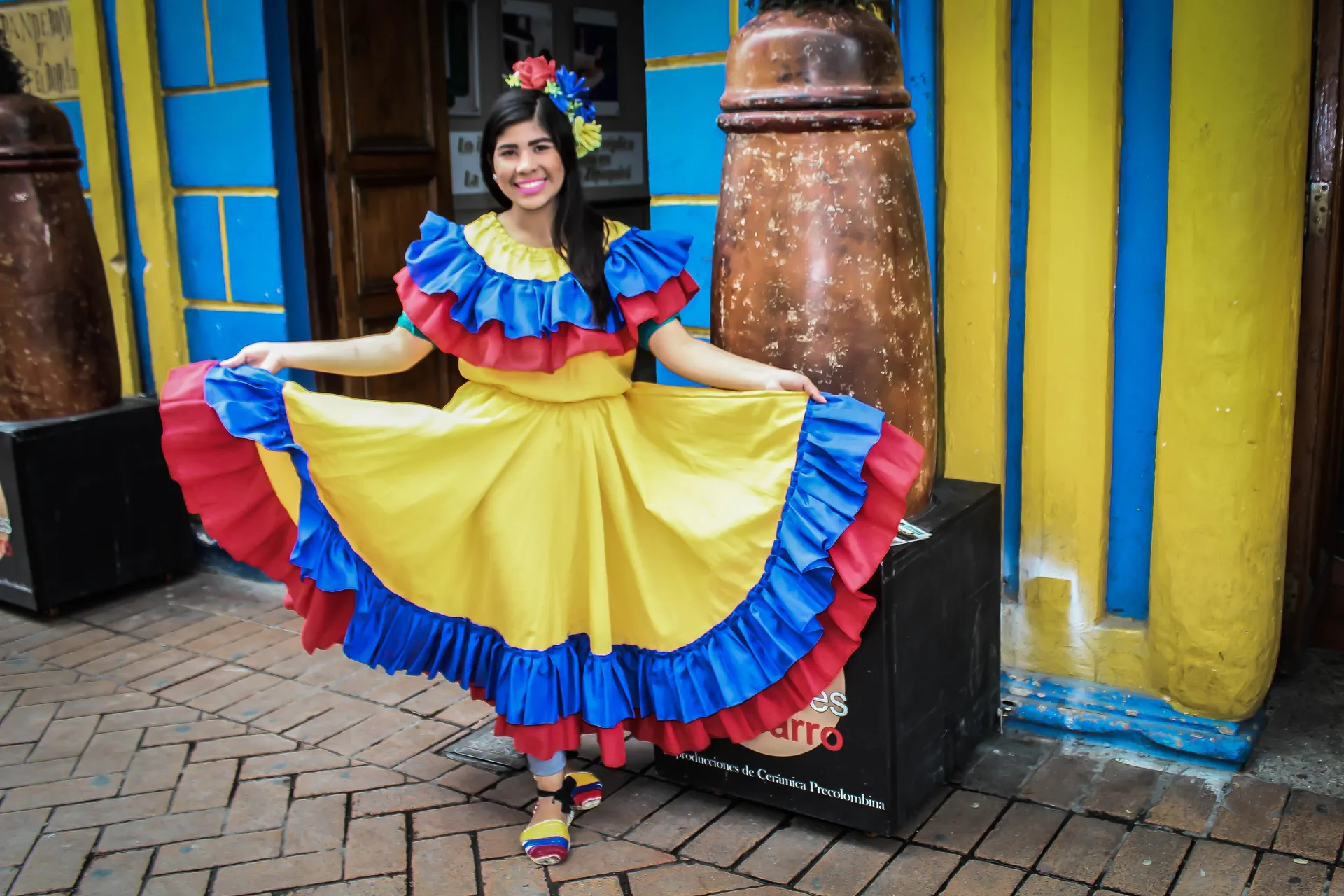
Walking through Palenque is an experience of vivid colour and sound. The village's single main street is lined with houses painted in bold primaries — yellows, blues, greens — and the doorways are gathering points where elders sit in rocking chairs, children chase each other, and the rhythm of conversation shifts seamlessly between Palenquero and Spanish. The monument to Benkos Biohó, the enslaved African king who led the original escape and founded the community, stands in the village centre as a symbol of resistance that resonates across the African diaspora. The women of Palenque, famous throughout Colombia as palenqueras, are known for carrying bowls of tropical fruit on their heads — a tradition immortalised in Cartagena's most iconic photographs, though the practice carries far deeper significance as an economic and cultural assertion of Palenquera women's central role in community life.
The culinary traditions of Palenque are rooted in the African and Caribbean influences that distinguish Afro-Colombian cuisine from the rest of the country. Cocadas — candy made from coconut, sugar, and tropical fruit — are the village's signature export, sold by palenqueras in Cartagena's walled city and on beaches along the coast. Mote de queso (a soup of yam and fresh cheese), arroz con coco (coconut rice), and fried fish with patacones (smashed and fried green plantain) are the staples of the village table, while the fresh fruit — mango, papaya, zapote, and the tart corozo berry used to make refreshing juice — reflects the tropical abundance of the Caribbean lowlands.
Palenque is located approximately 50 kilometres southeast of Cartagena and is accessible by road. Cruise passengers arriving in Cartagena can visit Palenque as a half-day excursion, though the experience is far more meaningful with a full day that allows time for cultural performances, conversations with community members, and participation in a cooking workshop. The best time to visit is during the dry season from December through March, when the roads are in good condition and the village's outdoor cultural activities are at their liveliest. The October Festival de Tambores is the cultural highlight of the year, transforming the village into a celebration of African heritage that resonates with joy, defiance, and an unbroken connection to ancestral roots.

