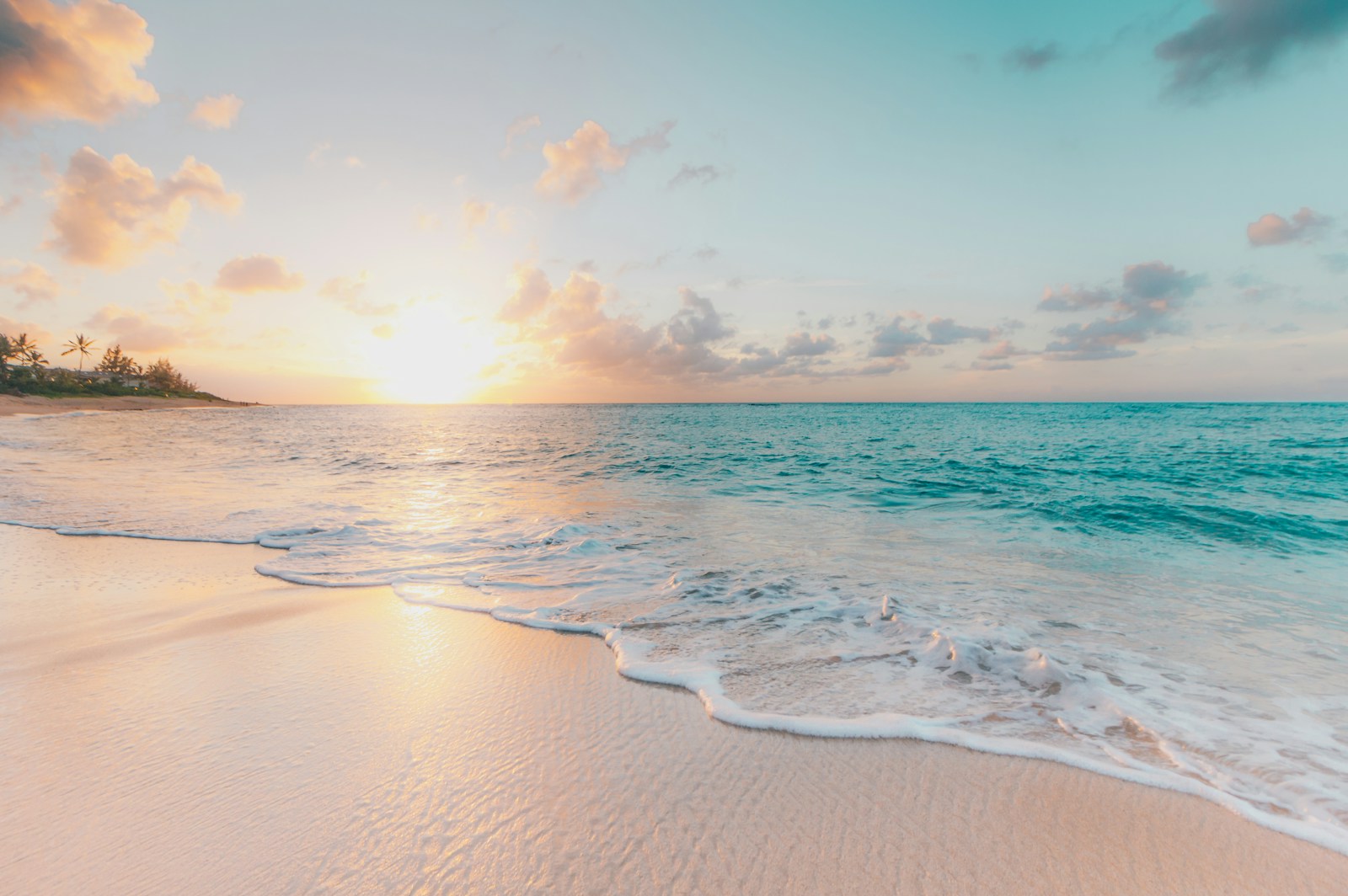
The Pacific islands occupy a place in the collective imagination that few destinations can rival—places where the boundary between sea and sky dissolves into infinity, where coral reefs guard lagoons of supernatural color, and where ancient seafaring cultures navigated by stars and currents long before European charts attempted to impose order on this vast ocean. Avatiu, Rarotonga, Cook Islands, belongs to this enchanted geography, a destination that delivers on the promise of remoteness while offering depths that reward those who venture beyond the beach.
The first sight of Avatiu, Rarotonga from the deck of an approaching vessel is the kind of moment that validates an entire voyage. The particular shade of the surrounding water—a palette of blues and greens that seems to have been mixed expressly for this location—provides the canvas against which the island's character unfolds. Ashore, the pace of life follows rhythms dictated by tide and season rather than calendar and clock. The air carries the fragrance of frangipani and coconut, and the sounds—birdsong, surf, the rustle of palm fronds—create an acoustic environment that induces tranquility at an almost physiological level.
The maritime approach to Avatiu, Rarotonga deserves particular mention, as it provides a perspective unavailable to those who arrive by land. The gradual revelation of the coastline—first a suggestion on the horizon, then an increasingly detailed panorama of natural and human-made features—creates a sense of anticipation that air travel, for all its efficiency, cannot replicate. This is how travelers have arrived for centuries, and the emotional resonance of seeing a new port materialize from the sea remains one of cruising's most distinctive pleasures. The harbor itself tells a story: the configuration of the waterfront, the vessels at anchor, the activity on the quays—all provide an immediate reading of the community's relationship with the sea that informs everything that follows ashore.
The food culture reflects the generous abundance of both land and sea—fresh-caught fish prepared over open flames with techniques perfected across generations, tropical fruits that taste of concentrated sunshine, root vegetables transformed into dishes of surprising sophistication, and coconut in every conceivable preparation. Community feasts, where food is prepared in earth ovens and shared among residents and visitors alike, offer not just extraordinary flavors but genuine cultural exchange—the kind of experience that transforms a port call from pleasant to profound.
The quality of human interaction at Avatiu, Rarotonga adds an intangible but essential layer to the visitor experience. Local residents bring to their encounters with travelers a blend of pride and genuine interest that transforms routine exchanges into moments of real connection. Whether you are receiving directions from a shopkeeper whose family has occupied the same premises for generations, sharing a table with locals at a waterfront establishment, or watching artisans practice crafts that represent centuries of accumulated skill, these interactions constitute the invisible infrastructure of meaningful travel—the element that separates a visit from an experience, and an experience from a memory that accompanies you home.
Nearby destinations including Palmerston Island, Rarotonga and Arutanga, Cook Islands provide rewarding extensions for those whose itineraries allow further exploration. The underwater world here ranks among the planet's most spectacular marine environments. Coral gardens pulse with life in every color the ocean offers, schools of tropical fish move in choreographed formations, and the visibility extends to depths that make you feel less like a visitor and more like a participant in an aquatic civilization. On land, volcanic landscapes, sacred sites, and traditional villages provide encounters with cultures whose navigational and artistic achievements are only now receiving the recognition they deserve.
Windstar Cruises features this destination on its carefully curated itineraries, bringing discerning travelers to experience its singular character. The most favorable conditions for visiting coincide with May through September, when drier conditions prevail and temperatures remain pleasant. Travelers should bring reef-safe sunscreen, quality snorkeling equipment, and a genuine respect for the local customs and traditions that have sustained these island communities through centuries of change. The greatest luxury here is not what you bring but what you leave behind—urgency, schedule, and the assumption that paradise is merely a postcard.

