On the southern tip of Costa Rica’s Nicoya Peninsula, where the warm waters of the Gulf of Nicoya lap against a coastline fringed with mangroves and dry tropical forest, the Curú Wildlife Refuge stands as one of the country’s oldest and most intimate private reserves. Established in 1933 by the Schutt family—Swedish immigrants who fell in love with this Pacific shore—Curú encompasses just 84 hectares of protected land and 600 hectares of surrounding buffer zone, yet this modest footprint shelters an astonishing concentration of biodiversity that exemplifies Costa Rica’s outsize role in global conservation.
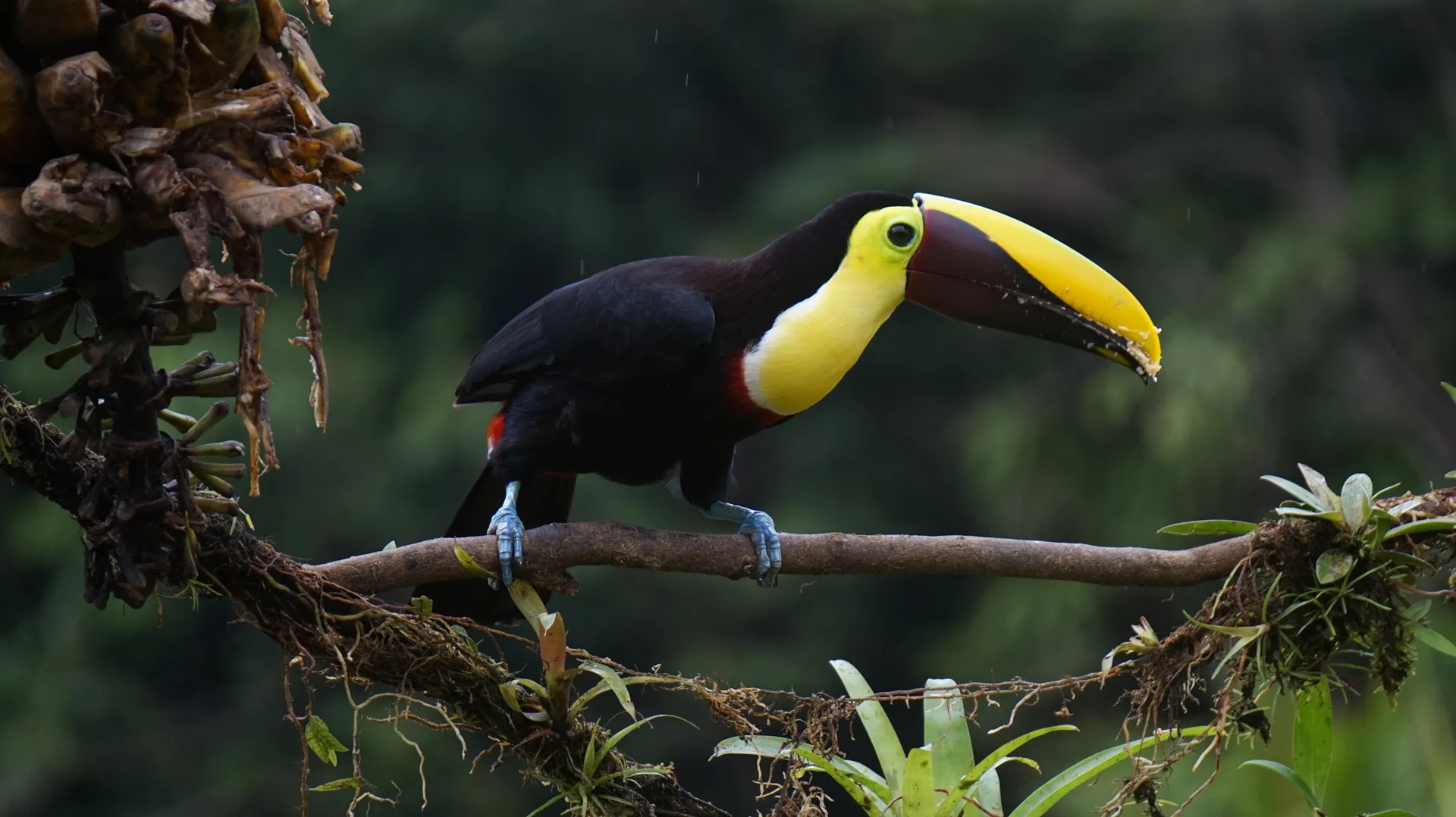
The refuge’s forests host three monkey species—howler, white-faced capuchin, and the endangered spider monkey, reintroduced here through a pioneering breeding program that has become a model for primate conservation across Central America. Walking the refuge’s network of trails, which wind through both primary and secondary forest to secluded Pacific beaches, visitors regularly encounter coatis, agoutis, white-tailed deer, and an extraordinary variety of birdlife. Over 230 bird species have been recorded at Curú, including scarlet macaws, trogons, motmots, and the magnificent frigatebird soaring on thermals above the gulf.
The beaches of Curú—Playa Curú, Playa Quesera, and the jewel-like Playa Cocalito—are nesting sites for olive ridley sea turtles, which arrive between July and December to lay their eggs in the warm sand. The refuge’s turtle conservation program invites visitors to participate in nighttime patrols during nesting season, an experience that combines scientific purpose with the profound emotion of watching a 45-kilogram turtle labor ashore under starlight. The surrounding waters offer excellent snorkeling among rocky reefs where parrotfish, pufferfish, and occasional rays navigate coral gardens.
Curú’s position on the Nicoya Peninsula—one of the world’s five Blue Zones, where residents regularly live past 100—places it within reach of Costa Rica’s other natural wonders. Nearby Tortuga Island offers powdery white-sand beaches and crystalline snorkeling waters. The Monteverde Cloud Forest, though farther afield, represents the country’s other ecological extreme—cool, mist-shrouded highlands where quetzals flash emerald through the canopy. Sámara and Santa Teresa, surfer towns along the peninsula’s coast, add beach culture to the mix.
Ponant brings its elegant expedition yachts to the Gulf of Nicoya, and Curú’s accessibility by tender makes it an ideal call for travelers who prefer their wildlife encounters unhurried and uncrowded. The refuge’s small scale means encounters feel personal rather than industrial—a spider monkey observed from ten meters, a scarlet macaw landing in a beach almond tree overhead. The dry season from December through April offers the most reliable weather, but the green season’s lush foliage and turtle nesting add compelling reasons to visit during the wetter months.

