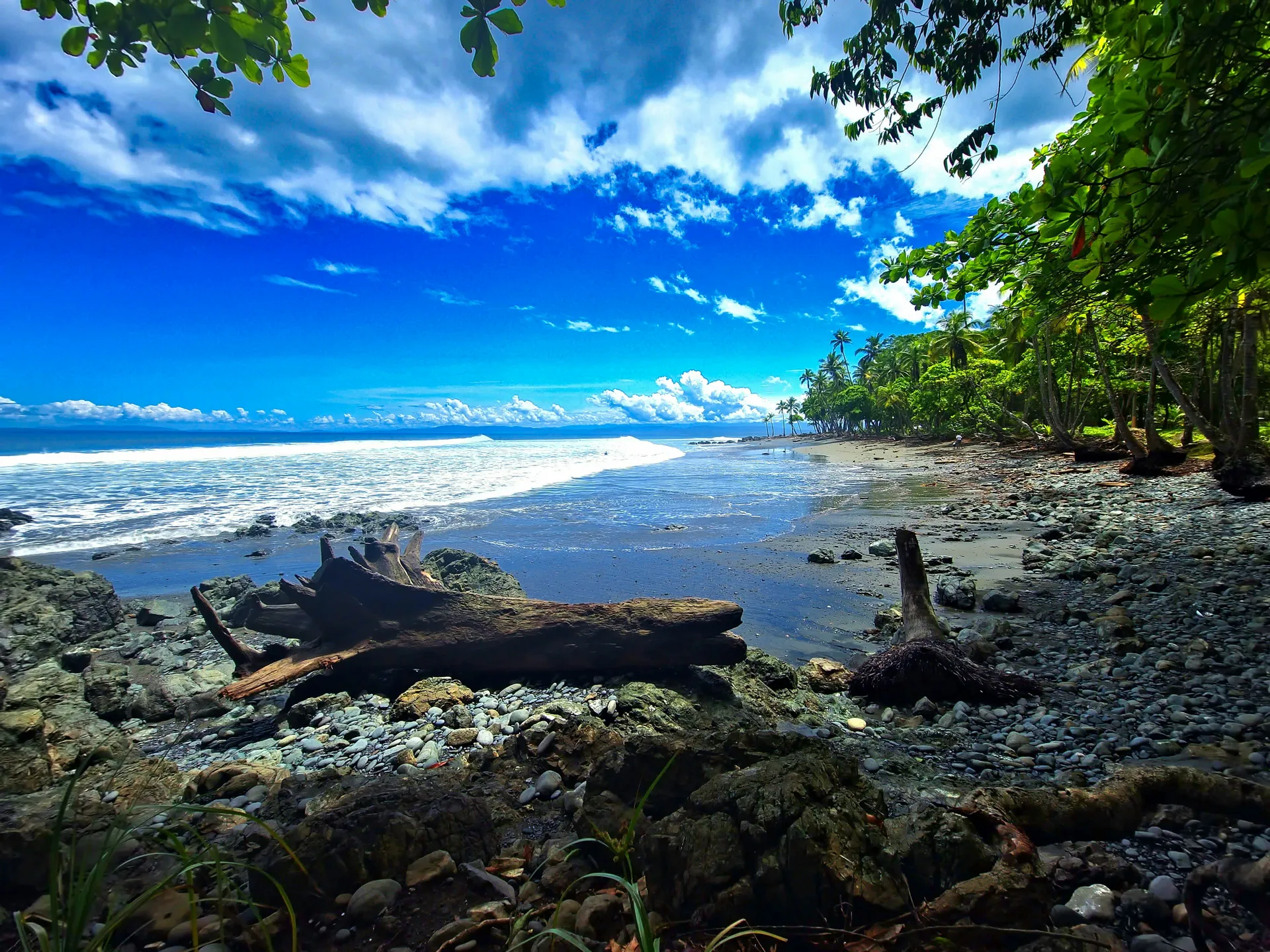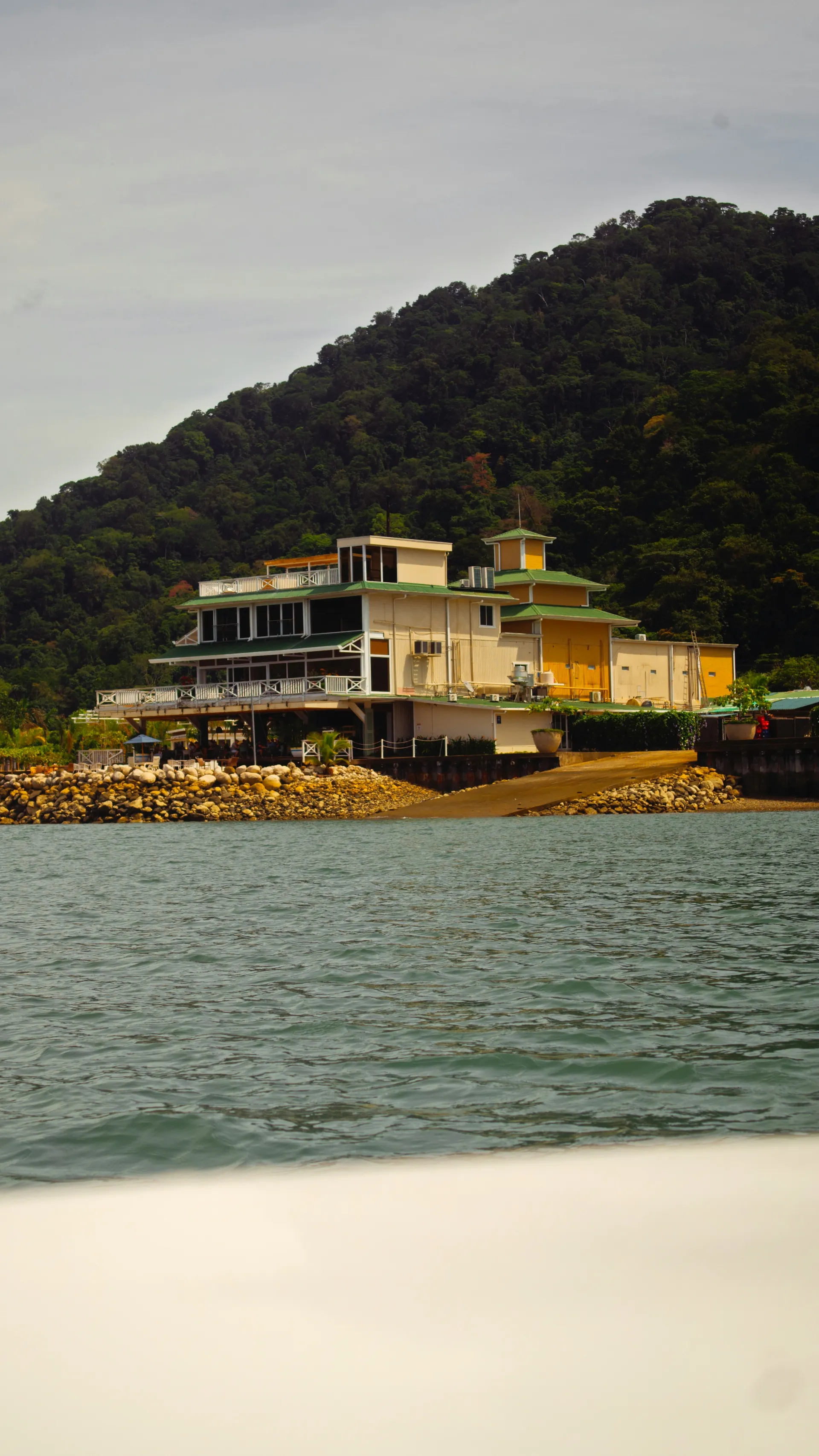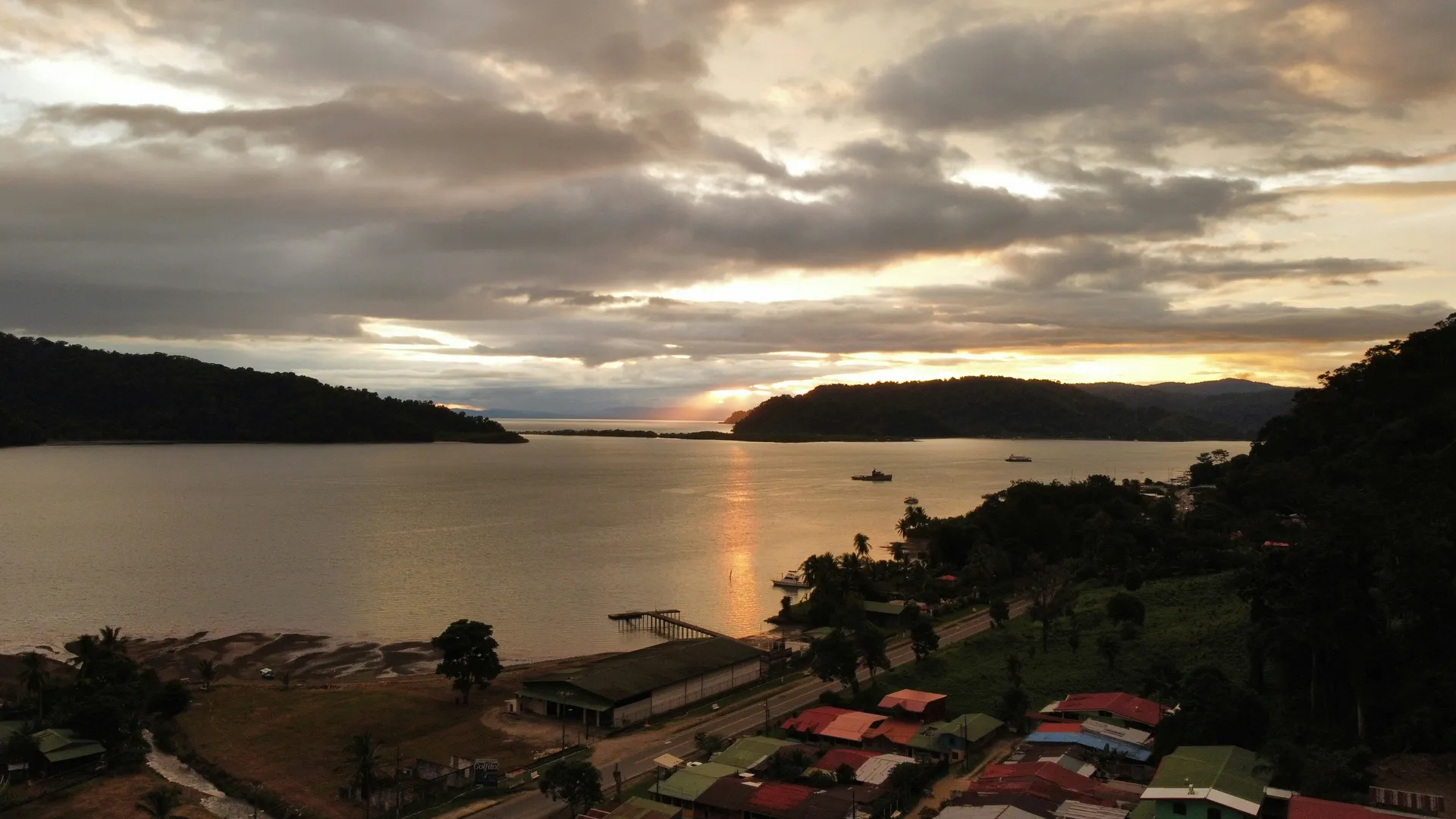
Golfito occupies a sheltered bay on the southern Pacific coast of Costa Rica, its deep-water harbor backed by a wall of rainforest-clad mountains that rise steeply from the shoreline in shades of green so numerous they seem to exhaust the color spectrum. Founded by the United Fruit Company in 1938 as a banana-shipping port, Golfito experienced a boom-and-bust cycle familiar to many Central American company towns: prosperity, abandonment in 1985 when the company pulled out, and a gradual reinvention as an eco-tourism gateway to one of Costa Rica's most biodiverse regions.
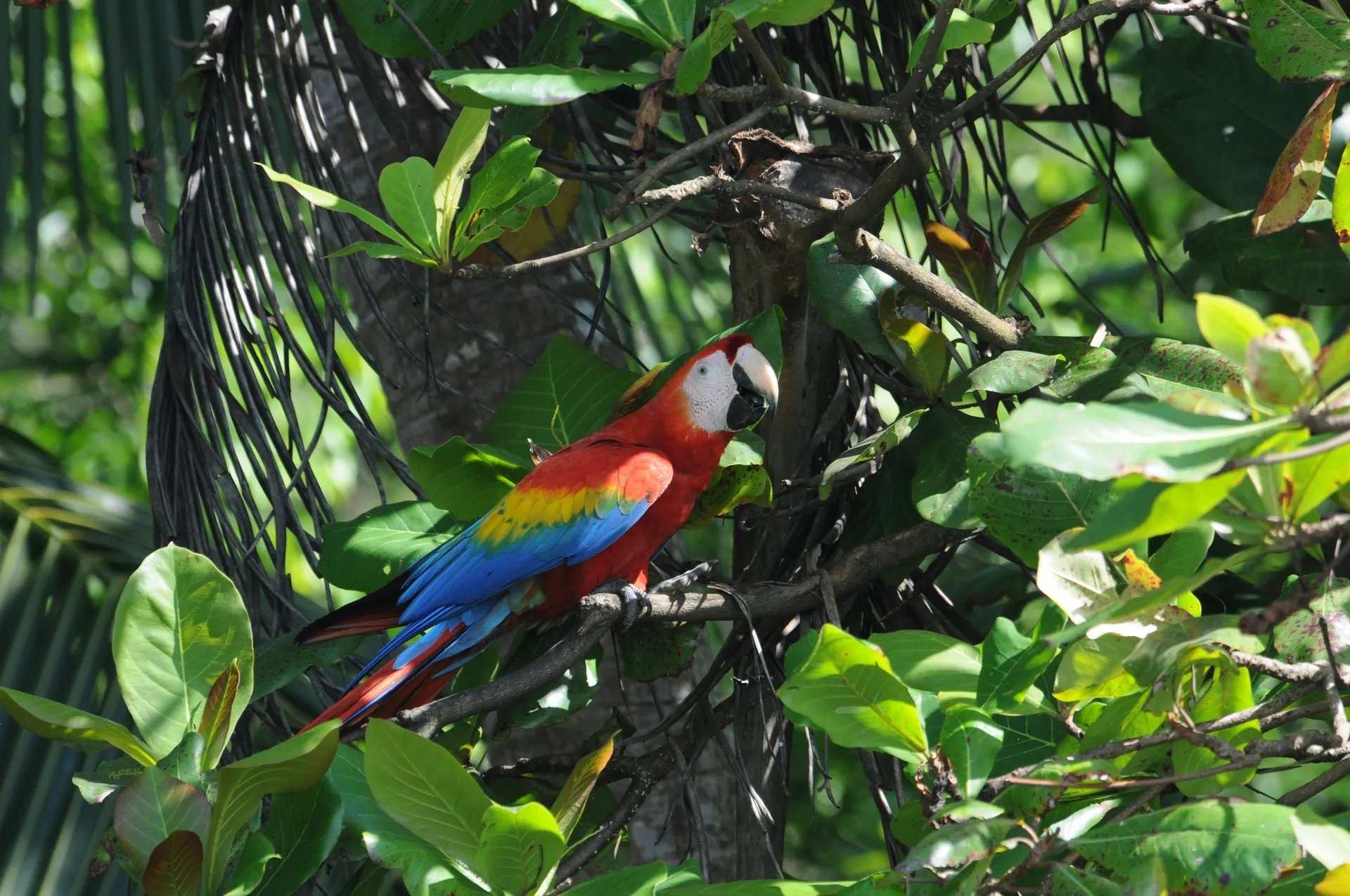
The town's dual identity is visible in its layout. The old Zona Americana, where company executives once lived in bungalows with manicured lawns, retains a faded tropical elegance. The pueblo civil (civilian town) sprawls along the waterfront in a more typically Costa Rican fashion: colorful buildings, small restaurants, and fishing boats at the dock. The Golfito National Wildlife Refuge, encompassing the forested hills directly behind town, protects 2,810 hectares of primary and secondary rainforest that is home to all four Costa Rican monkey species, scarlet macaws, toucans, and the increasingly rare harpy eagle.
The cuisine of Costa Rica's southern Pacific coast draws from both the sea and the surrounding tropical abundance. Ceviche de corvina, prepared with fish caught the same morning, is dressed with lime, cilantro, and fiery chile peppers. Rice and beans — gallo pinto for breakfast, casado for lunch — anchor every meal, while the Pacific coast adds grilled mahi-mahi, garlic shrimp, and whole fried pargo (red snapper) to the standard repertoire. Tropical fruits — mango, papaya, cas (a tart guava relative), and the ubiquitous banana — appear in refrescos naturales (fresh fruit drinks) that are Costa Rica's most refreshing contribution to the culinary world.
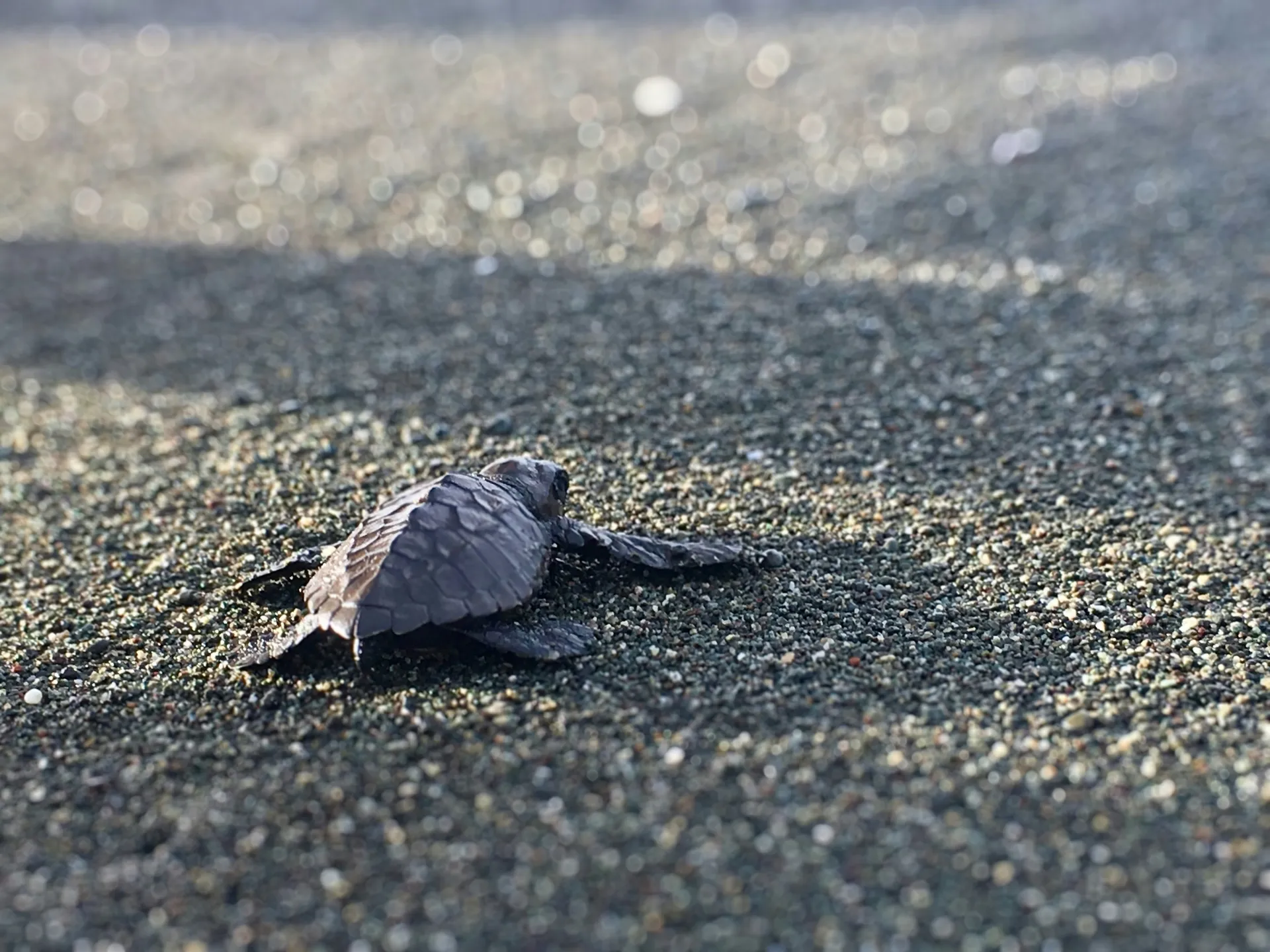
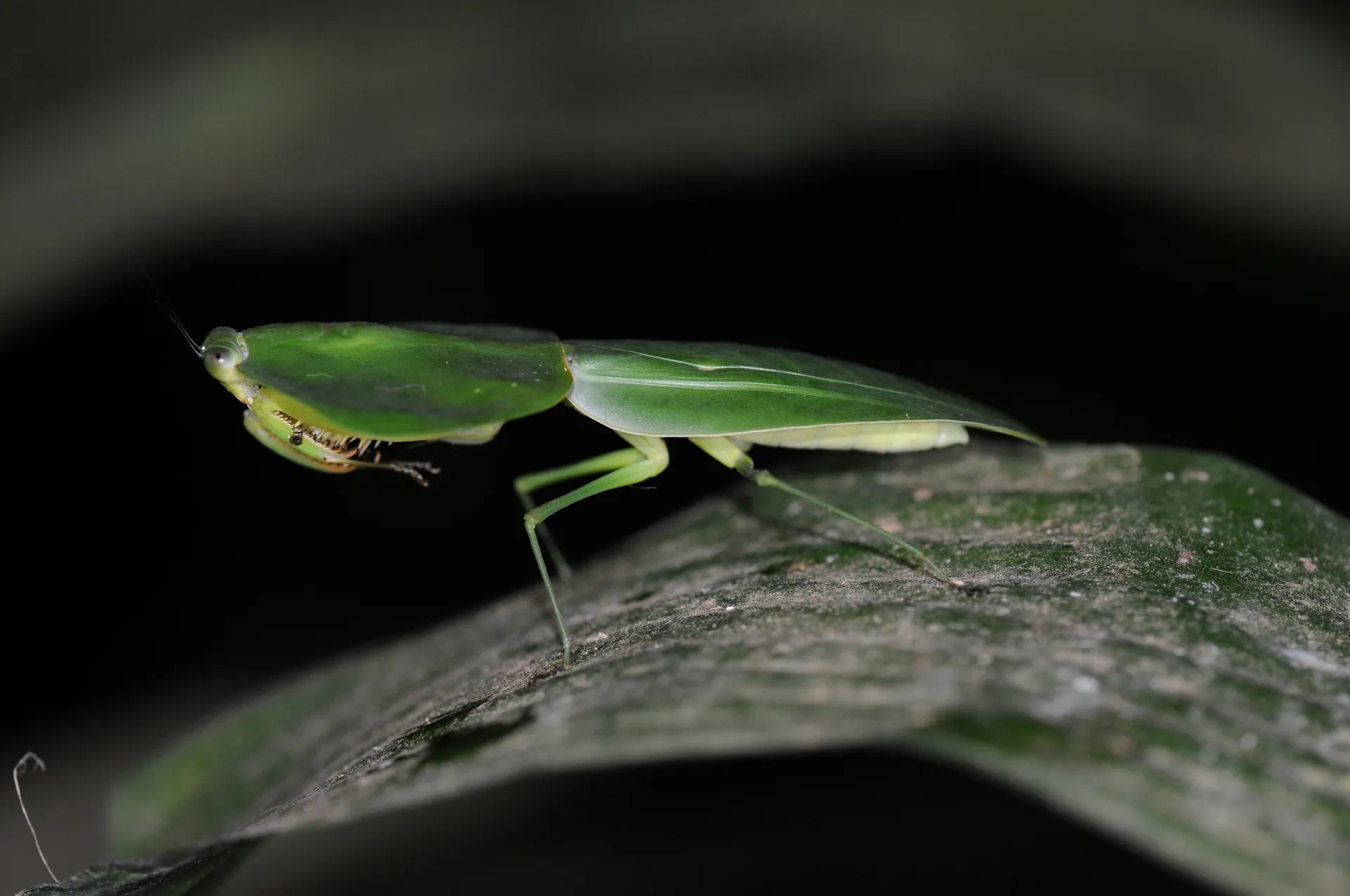
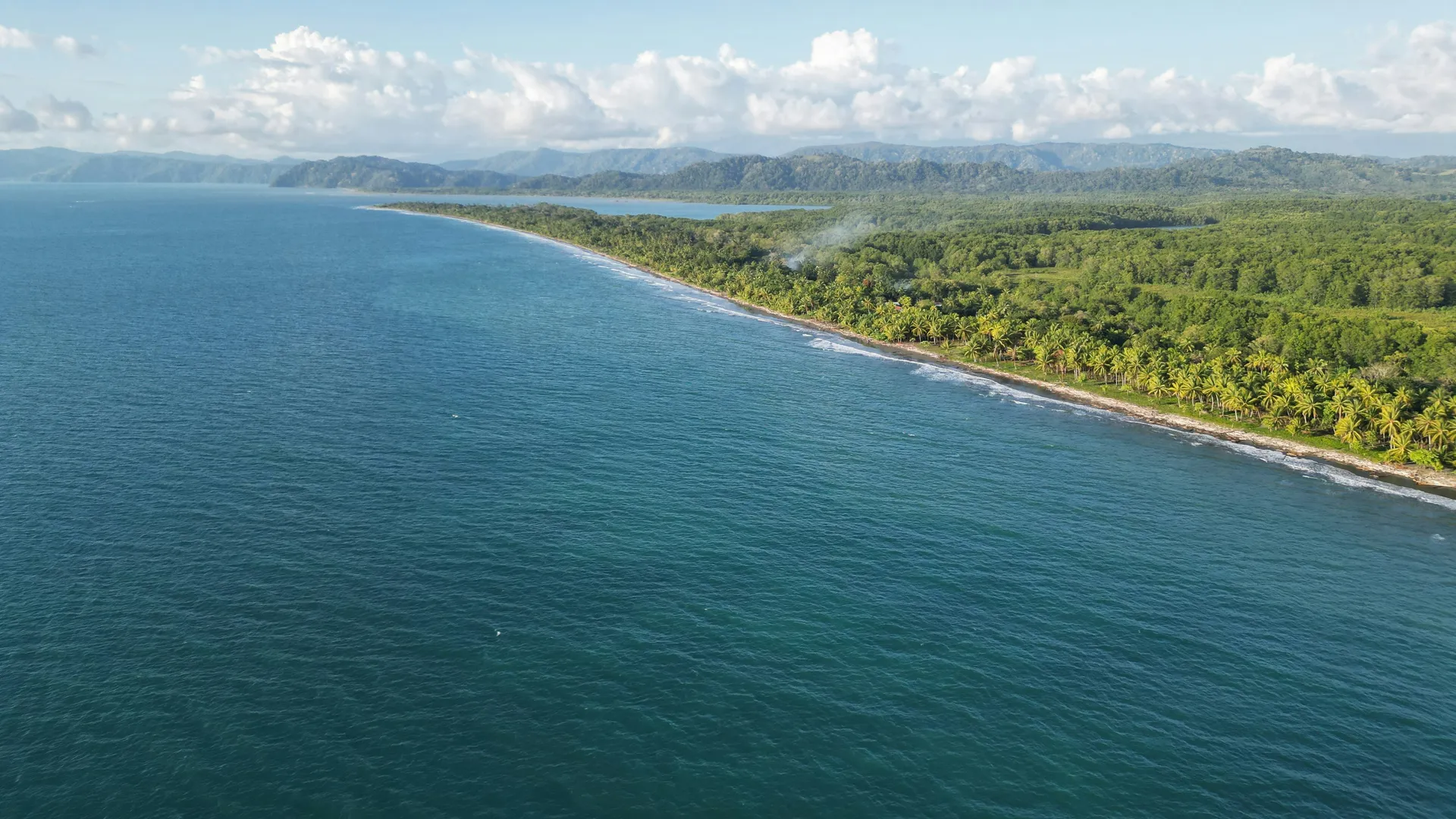
The natural attractions accessible from Golfito are extraordinary. The Osa Peninsula, across the Golfo Dulce, harbors Corcovado National Park — described by National Geographic as "the most biologically intense place on Earth." Within its 42,000 hectares, researchers have documented 500 species of trees, 140 species of mammals, 400 species of birds, and 116 species of amphibians and reptiles. Scarlet macaws, tapirs, jaguars, and all four species of Costa Rican monkey thrive here in densities found nowhere else in Central America. Closer to Golfito, the calm, warm waters of the Golfo Dulce support a resident population of humpback whales (which calve here between August and October), spinner dolphins, and whale sharks.
Ponant includes Golfito on its Costa Rica and Central America expedition itineraries, with ships anchoring in the protected bay and tendering passengers to shore. The town's location on the Golfo Dulce provides a natural base for excursions to Corcovado and the surrounding marine environment. The best time to visit is December through April, the dry season, when sunny mornings and clear skies make hiking and wildlife observation most rewarding — though the green season's lush vegetation and fewer visitors have their own appeal.